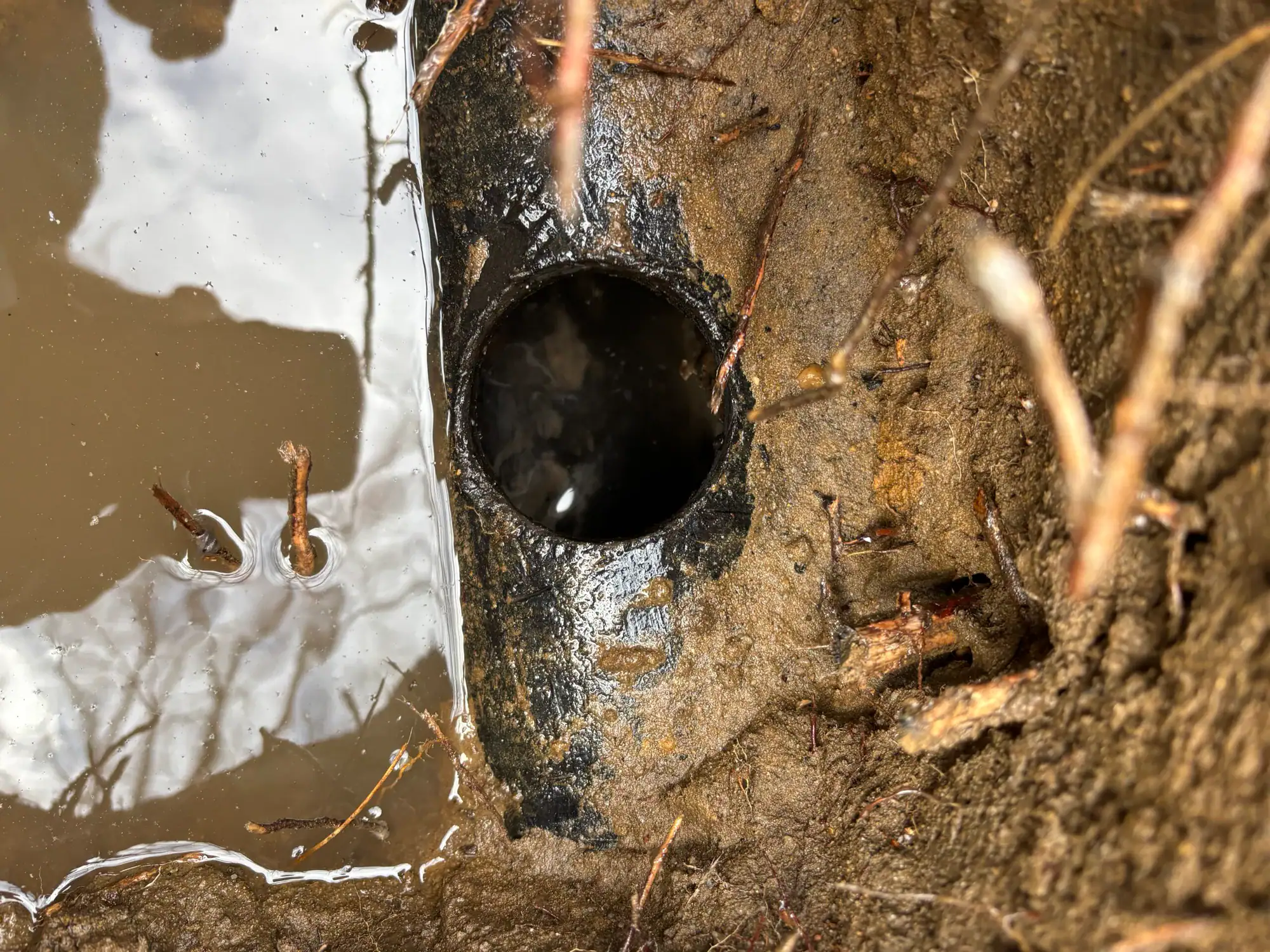
Most septic problems don't happen overnight. They build slowly — until one avoidable mistake turns into a very expensive repair call.

Most Suffolk County homeowners don’t think about their septic system until something goes wrong. That’s understandable — it’s underground, out of sight, and when it’s working, it’s easy to forget it exists. But that’s exactly how a $300 pump-out turns into a $10,000 drain field replacement.
The good news is that most septic system failures are preventable. The mistakes that lead to them are surprisingly common, and once you know what they are, they’re not hard to avoid. Here’s what we see going wrong most often — and what it actually costs when homeowners find out the hard way.
There’s a pattern we’ve seen play out hundreds of times over 25 years of working in Suffolk County. A homeowner notices a slow drain or a faint smell in the yard. They ignore it for a few months. By the time they call us, what could have been a straightforward service visit has turned into a much larger conversation.
The mistakes below aren’t obscure edge cases. They’re the everyday habits and oversights that quietly push a septic system toward failure — and they’re far more common than most people realize.
The single most common mistake is also the most straightforward: not pumping the tank on schedule. The EPA recommends pumping every three to five years for the average household, but that’s a general guideline. In practice, the right interval depends on how many people live in your home, how much water you use, and how old your system is.
Here’s what happens when you skip it. Every septic tank accumulates two layers of waste over time — a floating scum layer on top and a sludge layer that settles at the bottom. The space between them is where the liquid effluent sits before it flows out to the drain field. When the sludge and scum layers get thick enough, that middle zone disappears. Solids start pushing through the outlet pipe and into the drain field, where they don’t belong.
Once solids reach the drain field, the damage is rarely cheap to fix. Drain field repairs in Suffolk County typically run $3,000 to $7,000. Full replacement can reach $20,000 or more, especially if you’re required to upgrade to a nitrogen-reducing I/A OWTS system under current county regulations. Compare that to the cost of a routine pump-out — a few hundred dollars every few years — and the math isn’t complicated.
The other thing worth knowing: a full tank doesn’t always announce itself with obvious warning signs. Slow drains and gurgling toilets are common signals, but by the time you notice those, the tank may have been overdue for months. Routine service is the only way to stay ahead of it.
Your septic system runs on biology. Inside the tank, naturally occurring bacteria break down the waste that enters it. That process is what makes the whole system work. Anything that disrupts that bacterial balance — or introduces materials the system can’t break down — creates problems that compound over time.
“Flushable” wipes are one of the most common offenders. Despite what the packaging says, they don’t break down the way toilet paper does. They accumulate, cause blockages, and can damage the mechanical components of the system. The same goes for paper towels, feminine hygiene products, and anything else that isn’t human waste or toilet paper.
What goes down the drain matters just as much. Grease and cooking oils coat the inside of pipes and harden over time, narrowing the passage for wastewater. Antibacterial soaps, bleach, and chemical drain cleaners kill the bacteria inside the tank — the same bacteria doing the work of breaking down waste. Even small amounts used regularly can throw off the bacterial balance enough to affect how well the system functions.
Garbage disposals are worth a specific mention. If you have a septic system, running a garbage disposal regularly can increase the volume of solids entering your tank by as much as 50 percent. That means your tank fills up faster, needs more frequent pump-outs, and is under more stress overall. It’s not that you can never use one — but it’s a factor worth knowing about, especially if you’re already on a tight pumping schedule.
One more thing homeowners often overlook: concentrated water use. Doing five loads of laundry back to back on a Saturday floods the system with far more water than it’s designed to handle in a short window. That hydraulic overload can push solids into the drain field before they’ve had time to settle. Spreading laundry across several days is a simple habit that makes a real difference.
Want live answers?
Connect with a AAA Dependable Cesspool expert for fast, friendly support.
Suffolk County’s septic regulations have changed significantly in recent years, and a lot of homeowners haven’t caught up. That’s not a criticism — the changes happened quietly, and unless you had a reason to look into it, there’s no obvious reason you’d know.
But not knowing doesn’t protect you from the consequences. Here’s what’s actually required — and what the most common compliance mistakes look like.
Most homeowners assume inspections are optional — something you do when you’re selling a house or when something seems off. In Suffolk County, that assumption is wrong. County law now requires professional septic system inspections every three years, with inspection reports submitted to the county. It’s not a recommendation. It’s a regulatory requirement.
The practical implication is that if you haven’t had a formal inspection in the last three years, you may already be out of compliance. That matters for a few reasons. If you’re selling your home, documentation of your system’s condition will come up. If a problem surfaces and it’s connected to deferred maintenance, the absence of inspection records creates complications. And if the county ever conducts enforcement actions, compliance history matters.
Beyond the legal angle, there’s a straightforward practical reason to get inspections done on schedule. Inspections catch things that aren’t yet visible — a cracked baffle, a slow drain field, root intrusion near the tank. Fixing a cracked baffle costs a few hundred dollars. Replacing a drain field that failed because no one caught the warning signs costs several thousand. The inspection is the early warning system.
Suffolk County’s soil conditions make this especially relevant. In sandy outwash areas along the South Shore — communities like Babylon, Islip, and Brookhaven — wastewater can move through the soil quickly, which sounds like a good thing but actually means less treatment time before it reaches the aquifer. In areas with heavier clay soils, drain fields can become saturated faster. Neither condition forgives a neglected system, and both make routine monitoring more important, not less.
This one doesn’t get talked about enough. When something goes wrong with a septic system, the instinct is to find someone fast and get it fixed. That urgency is completely understandable. But hiring the wrong company — one that isn’t properly licensed for Suffolk County — can turn a fixable problem into a much bigger one.
Under Suffolk County Code, any company performing commercial or residential septic tank and sewer drain services must hold a license from the Suffolk County Office of Consumer Affairs. That licensing requirement exists for a reason. It ensures that the company understands local regulations, carries proper insurance, and is accountable to a county authority. An unlicensed operator may charge less upfront, but they may also perform work that doesn’t meet county standards, skip required permit filings, or recommend repairs that are no longer legal under current code.
Here’s a specific example. Since July 1, 2019, replacing a failed cesspool with another cesspool is no longer permitted in Suffolk County. Any replacement must be registered with the Suffolk County Department of Health Services and must meet current standards — which, depending on the project, may require an I/A OWTS nitrogen-reducing system. A company that doesn’t know this, or doesn’t tell you, can leave you with unpermitted work, county fines, and a system that still doesn’t meet code.
We’ve been Consumer Affairs licensed since the beginning, and we’re familiar with every layer of Suffolk County’s regulatory environment — the 2019 Sanitary Code amendments, the I/A OWTS requirements, the permit filing process, and the Septic Improvement Program grants that can offset up to $20,000 of the cost of a qualifying system upgrade. If you’re dealing with a failing system, knowing about that grant program before you start the replacement process can make a significant financial difference.
The broader point is this: in a market with a lot of operators, the license is the baseline. It’s the minimum credential worth verifying before you let anyone near your system.
Keeping a septic system healthy isn’t complicated. Pump it on the right schedule for your household size. Be thoughtful about what goes down the drain. Get a professional inspection every three years as Suffolk County requires. And when you hire someone, make sure they’re licensed and know the specific rules that apply here.
The mistakes in this guide aren’t rare. They’re the everyday oversights that add up quietly — until they don’t. A system that’s been ignored for years doesn’t usually fail all at once. It gives you signals first. The difference between a $400 fix and a $15,000 emergency is usually just a matter of whether someone was paying attention.
If you’re not sure when your system was last serviced, or you’ve noticed something that doesn’t feel right, that’s worth a conversation. We’ve been working with Suffolk County homeowners since 1998 — we’ll tell you honestly what your system needs, and just as honestly when it doesn’t need anything yet.
Summary:
Article details:
Share: