From hair clogs to soap scum buildup, here's what's really behind a slow shower drain — and what it takes to fix it for good.
You step into the shower and within a minute, you’re standing in two inches of water. You’ve tried the baking soda trick. Maybe you’ve poured in some Drano. The drain clears for a week, then it’s back to the same slow trickle. Sound familiar?
Most advice online treats a clogged shower drain like a simple, universal problem. But depending on your home, your pipes, and where you live in Suffolk County, the fix isn’t always what you’d expect. We’ve seen this pattern play out hundreds of times, and the solution that works for a homeowner in one region often falls flat here. This guide covers what’s really going on, what’s worth trying yourself, and how to know when it’s time to bring in someone who understands the specifics of Suffolk County drainage systems.
The most common cause of a clogged shower drain is exactly what you’d guess: hair. The average person loses 50 to 100 strands a day, and in a household of three or four people, that adds up fast. Hair doesn’t just sit at the drain opening — it works its way down and tangles into a dense, sticky rope that catches everything else going through the pipe.
What makes it worse is soap. Bar soap in particular contains ingredients that harden when they cool, bonding with the minerals in your water to form a thick residue that coats the inside of the pipe. Over time, the opening gets narrower, the drain gets slower, and eventually it stops moving altogether.
The reason the problem keeps coming back after a DIY fix is usually that the clog was never fully cleared — just disturbed enough to let water through temporarily.
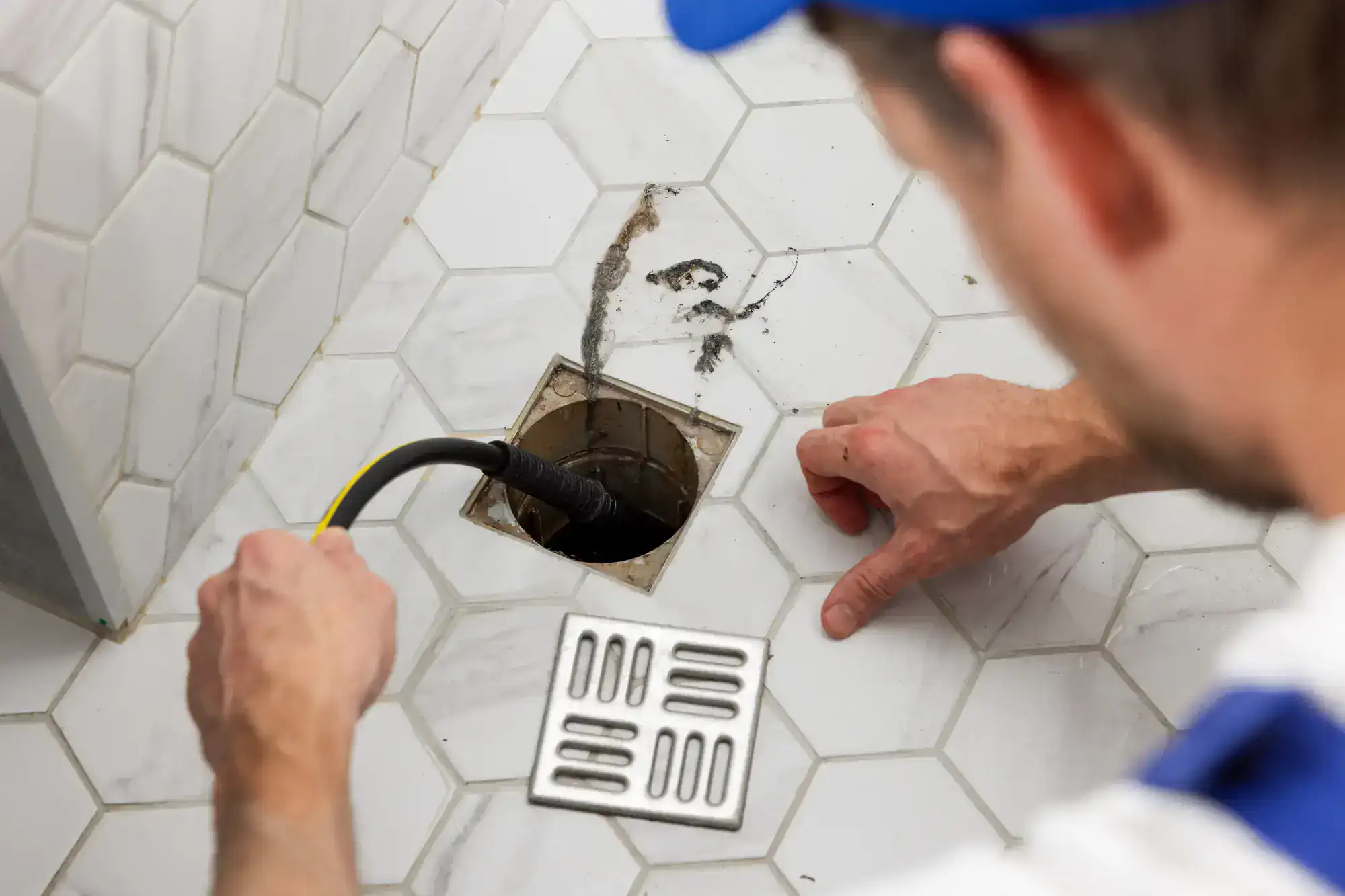
For a straightforward hair clog close to the drain opening, a few approaches genuinely work. The most effective starting point is the most low-tech: remove the drain cover and pull the clog out manually. It’s not glamorous, but a pair of rubber gloves and a drain hair tool — sometimes called a zip-it — will pull out more than you expect. What looks like a small surface clog is often a matted, foot-long tangle once you get it out.
Boiling or very hot water poured slowly down the drain can help loosen soap scum and grease that’s built up on pipe walls. It won’t dissolve a hair clog on its own, but it’s a useful follow-up after manual removal. Doing this once a month as a habit can slow the rate of buildup considerably.
The baking soda and vinegar method gets a lot of attention online. It’s not useless — the fizzing reaction can dislodge minor, surface-level buildup — but it’s not strong enough to break up a compacted hair clog or strip mineral scale from the inside of a pipe. If your drain is completely blocked, this isn’t going to move it.
The one method worth skipping entirely is chemical drain cleaner. Products like Drano are caustic, and while they sometimes work in the short term, they can corrode older pipes — particularly the cast iron and galvanized steel pipes common in Suffolk County homes built in the 1950s through 1970s. They also don’t address the root cause, which means the clog comes back, and now your pipes have taken some chemical damage in the process. Most plumbers and drain specialists advise against them, and we’d say the same.
If you’ve tried the manual approach and the drain is still slow or blocked, the clog is likely deeper in the pipe — and that’s where DIY tools start to lose their effectiveness.
Here’s something most DIY guides don’t mention, because most DIY guides aren’t written for Suffolk County: about 75% of homes here run on a cesspool rather than a municipal sewer connection. That changes the equation in an important way.
When a cesspool is full or starting to fail, one of the first signs homeowners notice is slow or sluggish drains throughout the house — not just one fixture. If your shower drain is slow and your bathroom sink is draining oddly and your toilet seems a little off, that’s not three separate clogs. That’s likely a main line or cesspool issue, and no amount of snaking the shower drain is going to fix it.
Even if it’s just one drain, Long Island’s groundwater is naturally hard — high in calcium and magnesium — which accelerates soap scum formation in a way that soft-water areas don’t experience. A drain that clears easily in a home with soft municipal water might need professional attention much sooner in a home drawing from Suffolk County’s aquifer. It’s not a reflection of how clean your bathroom is. It’s just the reality of the water here.
The other factor is the age of the housing stock. A lot of Suffolk County homes were built during the post-war suburban boom — the 1950s, 60s, and 70s. Those homes have older pipes with narrower tolerances, more buildup history, and materials that don’t respond well to aggressive DIY methods. A hydro jet — which uses high-pressure water to strip pipe walls completely clean — is often the only thing that genuinely clears a decades-old drain line in a home like that. A basic snake can push the clog further down without actually removing it.
If your home is older, your drain has been slow for a while, or you’re noticing issues in more than one fixture, it’s worth getting a professional diagnosis before you spend more money on temporary fixes.
Want live answers?
Connect with a AAA Dependable Cesspool expert for fast, friendly support.
Bathroom sink clogs follow a similar pattern to shower drains — hair, soap scum, toothpaste residue — but they have a couple of unique features worth knowing about. Most bathroom sinks have a pop-up drain stopper, the little plug that raises and lowers when you push a lever near the faucet. That stopper collects a surprising amount of debris, and cleaning it is often the fastest fix for a slow bathroom sink.
The P-trap — the curved pipe section directly beneath the sink — is the other common culprit. It’s designed to hold a small amount of water to block sewer gases, but it also catches hair and debris that makes it past the drain opening. Removing and cleaning the P-trap is a straightforward job that doesn’t require any special tools, just a bucket and a pair of slip-joint pliers.
Bathtub drains clog for the same reasons shower drains do, but there’s one feature that makes them a little different: the overflow plate. Most bathtubs have a trip lever or push-button mechanism built into the overflow plate — the oval cover near the top of the tub — that controls the drain stopper. Over time, the stopper itself collects hair and soap buildup at the bottom of the tub, and the linkage inside the overflow can also get gunked up.
Before you reach for any tools, try removing the overflow plate and pulling out the stopper assembly. Clean whatever’s on it, rinse it off, and put it back. In a lot of cases, that’s the entire fix. The stopper was coated in buildup and wasn’t sealing or opening properly, which created the slow drain.
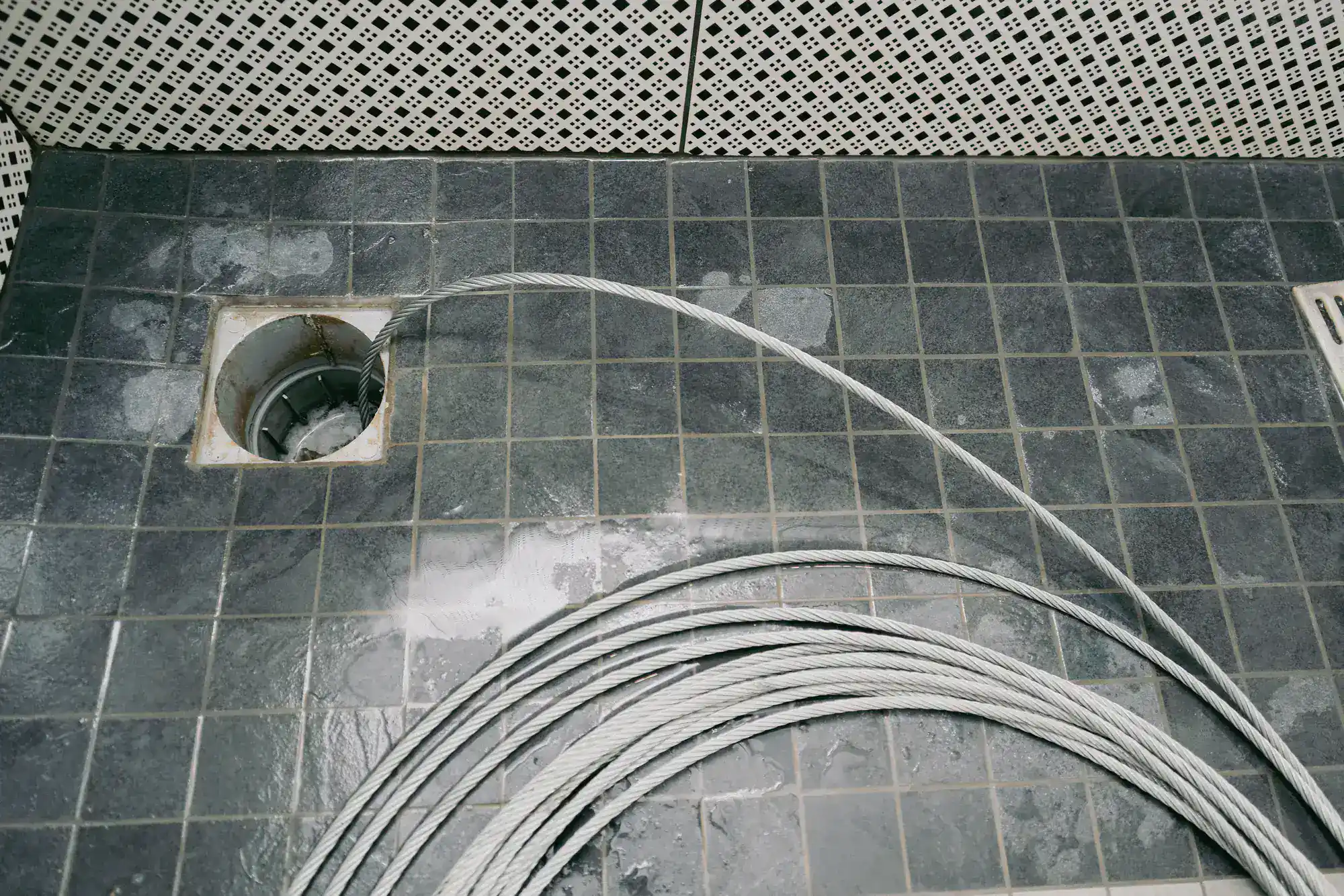
If that doesn’t do it, the clog is further down the line. A drain snake inserted through the drain opening — not the overflow — can reach several feet into the pipe and break up or retrieve whatever’s blocking it. For bathtubs in older homes, or where the clog keeps coming back despite snaking, hydro jetting is often the more thorough and lasting solution. It doesn’t just poke a hole through the clog — it strips the pipe wall clean, which is what prevents the next clog from forming as quickly.
One thing to watch for with bathtub drains specifically: if the tub fills up with water when you run the shower in a nearby bathroom, or if flushing the toilet causes a gurgling sound from the tub, those are signs of a deeper blockage in the shared drain line — not a fixture-level clog. That’s a job for a camera inspection and professional clearing, not a DIY drain snake.
A lot of homeowners put off calling a professional because they assume it’ll be expensive or that they’ll be pushed toward work they don’t need. That’s a reasonable concern — it’s a real pattern in some corners of the home services industry. Here’s what professional drain cleaning actually involves when it’s done right.
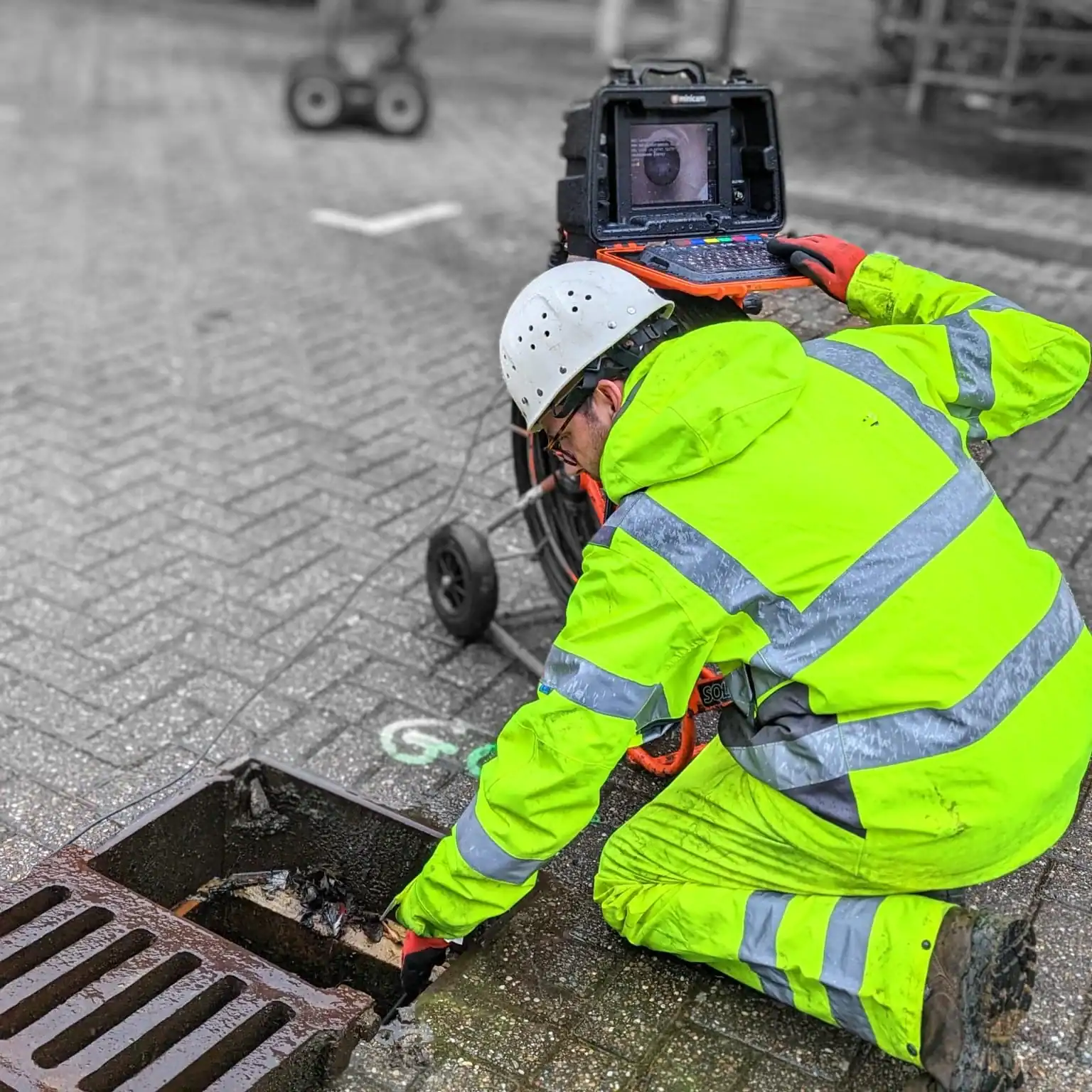
We start by assessing the situation — asking about symptoms, checking multiple fixtures if needed, and using a camera inspection when the cause isn’t obvious. That last part matters more than most people realize. A camera tells you exactly where the blockage is, what it’s made of, and whether the pipe itself is in good shape. It eliminates guesswork and prevents recommending expensive work that isn’t necessary.
From there, the approach depends on what we find. A straightforward hair clog near the drain opening might be cleared with a motorized snake in under an hour. A deeper blockage with years of soap scum and mineral scale built up on the pipe walls calls for hydro jetting — high-pressure water that scours the pipe clean rather than just punching through the clog. The right tool for the job depends on what’s actually there, not on what generates the most revenue.
In terms of cost, professional drain cleaning in Suffolk County typically runs around $200 for a standard residential job. That’s not nothing, but it’s also a fraction of what a water damage repair or emergency cesspool service costs when a problem that started as a slow drain gets ignored long enough to become a real emergency. Catching it early — or calling when the DIY approach has clearly stopped working — is almost always the more cost-effective move.
For homeowners who qualify, military, first responder, and senior discounts can bring that cost down further. It’s worth asking when you call.
A clogged shower drain isn’t always a big deal — sometimes it really is just hair near the surface, and a drain tool and five minutes solves it. But when the problem keeps coming back, when multiple fixtures are slow, or when you’ve tried the DIY route and it’s not holding, that’s a signal worth paying attention to.
Suffolk County homes have their own set of variables — older pipes, hard groundwater, cesspool systems that can affect the whole house when they’re struggling. Getting a clear diagnosis from someone who understands that context is worth more than another round of store-bought drain cleaner.
If you’re ready to stop guessing and get it handled properly, we’ve been helping Suffolk County homeowners with exactly this since 1998. Give us a call — we’ll tell you what’s going on and what it actually takes to fix it.
Summary:
Article details:
Share: