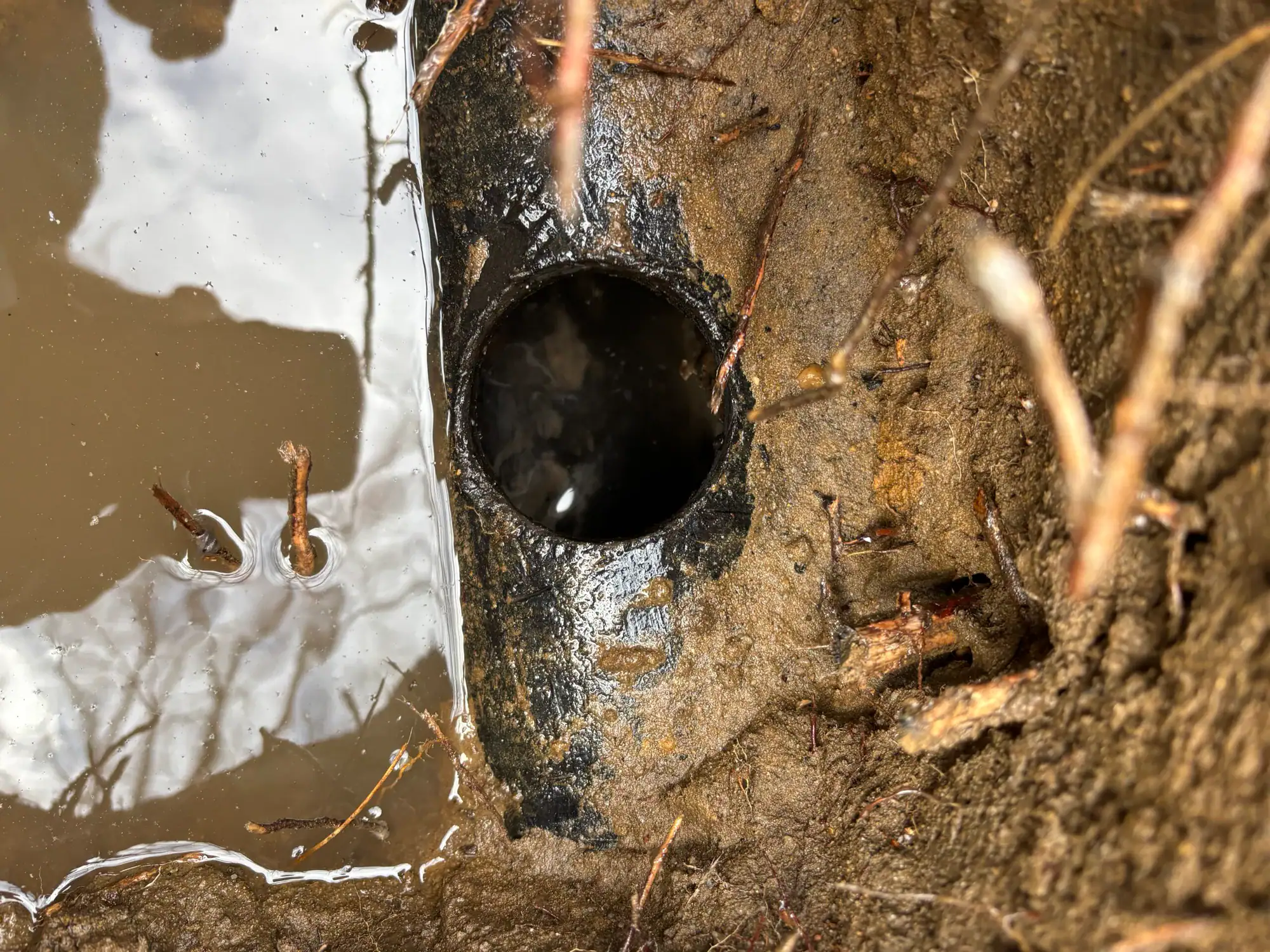
Drains backed up and not sure if it's urgent? This guide helps Suffolk County homeowners figure out what's actually happening — and what to do next.

It’s late. Water is pooling somewhere it shouldn’t be. There’s a smell you can’t ignore. And you’re standing in your kitchen or bathroom wondering: do I call someone right now, or will this sort itself out by morning?
That moment of uncertainty is exactly where most Suffolk County homeowners find themselves when a drain problem hits. You don’t want to overreact. You also don’t want to wait on something that gets worse by the hour. The good news is that the difference between a real emergency and a non-urgent clog is usually pretty clear once you know what to look for — and that’s what this page is here to help you figure out.
A single slow drain in your bathroom sink is almost never an emergency. Annoying, yes. Worth scheduling a call with us, sure. But it can usually wait a day or two without making things worse. The situation changes fast when multiple drains start failing at the same time, or when sewage is actively backing up into your home.
The clearest sign you need emergency drain service right now is when more than one fixture is affected simultaneously. If your toilet, shower, and basement floor drain are all backing up at once, that points to a main line blockage — and that’s not something you wait out. The same goes for any situation where raw sewage is coming up through your drains, where you can smell sewer gas inside the house, or where water is pooling near your cesspool or septic system outside.

This is the question most homeowners get wrong, and it’s an understandable mistake. A blocked drain in a single fixture — a clogged kitchen sink, a slow shower drain — is a localized problem. It usually means grease, hair, or debris has built up somewhere in that specific pipe. Unpleasant, but contained.
A main line blockage is a different situation entirely. When your main sewer line is blocked, every drain in the house that tries to push water out hits the same wall. That’s why you’ll see multiple fixtures backing up at the same time, often in a specific sequence: the lowest drains in the house (basement floor drain, first-floor toilet) tend to show symptoms first. If you flush the upstairs toilet and water comes up in the basement shower, that’s a main line problem. Call us.
Sewer gas is another signal that shouldn’t be ignored. The hydrogen sulfide released by a serious backup isn’t just unpleasant — it’s genuinely hazardous, especially for children, elderly residents, or anyone with respiratory conditions. If the smell inside your home is strong and persistent, don’t wait it out.
One thing worth knowing: chemical drain cleaners are not the answer here. They’re largely ineffective against serious blockages and can actually damage older pipes. If you’ve already tried the plunger and a bottle of drain cleaner and nothing has changed — or things have gotten worse — that’s a clear sign the problem is beyond DIY territory.
The practical test is simple. Check every drain in the house. If only one is slow, schedule a regular service call. If two or more are backing up, or if there’s any sewage coming up through a drain, treat it as an emergency and call us now.
This is one of the most common questions we hear from Suffolk County homeowners, and it’s worth taking seriously because the answer genuinely matters. Long Island’s soil is predominantly sandy, and the water table across much of Suffolk County sits relatively high — higher still after a nor’easter or a heavy summer storm. When the ground becomes saturated, cesspools and drain fields can temporarily lose their ability to push effluent out. The result looks a lot like an internal blockage, even when your system is structurally fine.
So how do you tell the difference? Timing is the first clue. If your drains slowed down or backed up during or immediately after heavy rainfall, and you’re not seeing sewage coming up through fixtures, there’s a reasonable chance you’re dealing with a weather-related situation. In those cases, the backup may ease on its own once the water table drops — usually within 24 to 48 hours after the rain stops.
But here’s where Suffolk County homeowners need to be careful: a real internal blockage can coincide with a storm, or be masked by one. If the backup persists well after the rain has stopped, if multiple drains are affected, or if sewage is actually surfacing inside or outside your home, you’re not dealing with weather anymore. That’s a system problem, and waiting will make it worse.
About 75 percent of properties in Suffolk County rely on private cesspools or septic systems rather than municipal sewer connections. Many of those systems were installed in the 1950s and 60s, which means they’re 60 to 70 years old and carrying the wear that comes with that age. An aging cesspool under the stress of a saturated water table can fail in ways that look sudden but have been building for years. If you’re not sure whether what you’re seeing is storm-related or structural, a quick call to us — we know Suffolk County’s conditions, the soil, the water table, the age of the housing stock — is worth more than an hour of Googling.
Want live answers?
Connect with a AAA Dependable Cesspool expert for fast, friendly support.
The way you handle the first half hour of a drain emergency matters more than most people realize. Done right, you can limit damage, protect your family, and give our technician a cleaner situation to work with when they arrive. Done wrong — especially if you keep running water or try to force a fix — you can turn a manageable problem into a much more expensive one.
The first thing to do is stop adding water to the system. Don’t run the dishwasher, don’t do laundry, don’t take a shower. Every gallon you push through the pipes has nowhere to go and will make the backup worse. Turn off the water supply valve to any fixture that’s actively overflowing if you can do so safely.

Once you’ve stopped adding water to the system, your next priority is protecting your home from the backup that’s already there. If sewage has surfaced on a floor, don’t walk through it without protection — raw sewage carries bacteria and pathogens that are genuinely hazardous. Keep children and pets out of the affected area entirely.
Open windows in the affected area if you can do so without making the weather situation worse. Sewer gas can accumulate quickly in enclosed spaces, and ventilation helps. If the smell is overwhelming or you’re feeling lightheaded, get out of that part of the house and stay out until our technician clears it.
If water is actively pooling near your cesspool or septic tank outside, don’t attempt to open the tank yourself. Beyond the obvious safety risks, disturbing the tank without the right equipment can complicate the diagnosis and, in some cases, make the problem harder to fix. Mark the area so our technician can find it quickly, and keep people away from it.
Document what you’re seeing before you clean anything up. A quick photo or video of which drains are affected, where water is surfacing, and what the area looks like outside near the tank gives our technician useful information and gives you a record in case you need to file a homeowner’s insurance claim. Some drain backup situations — particularly those involving sewage overflow into living spaces — may be covered under certain policies.
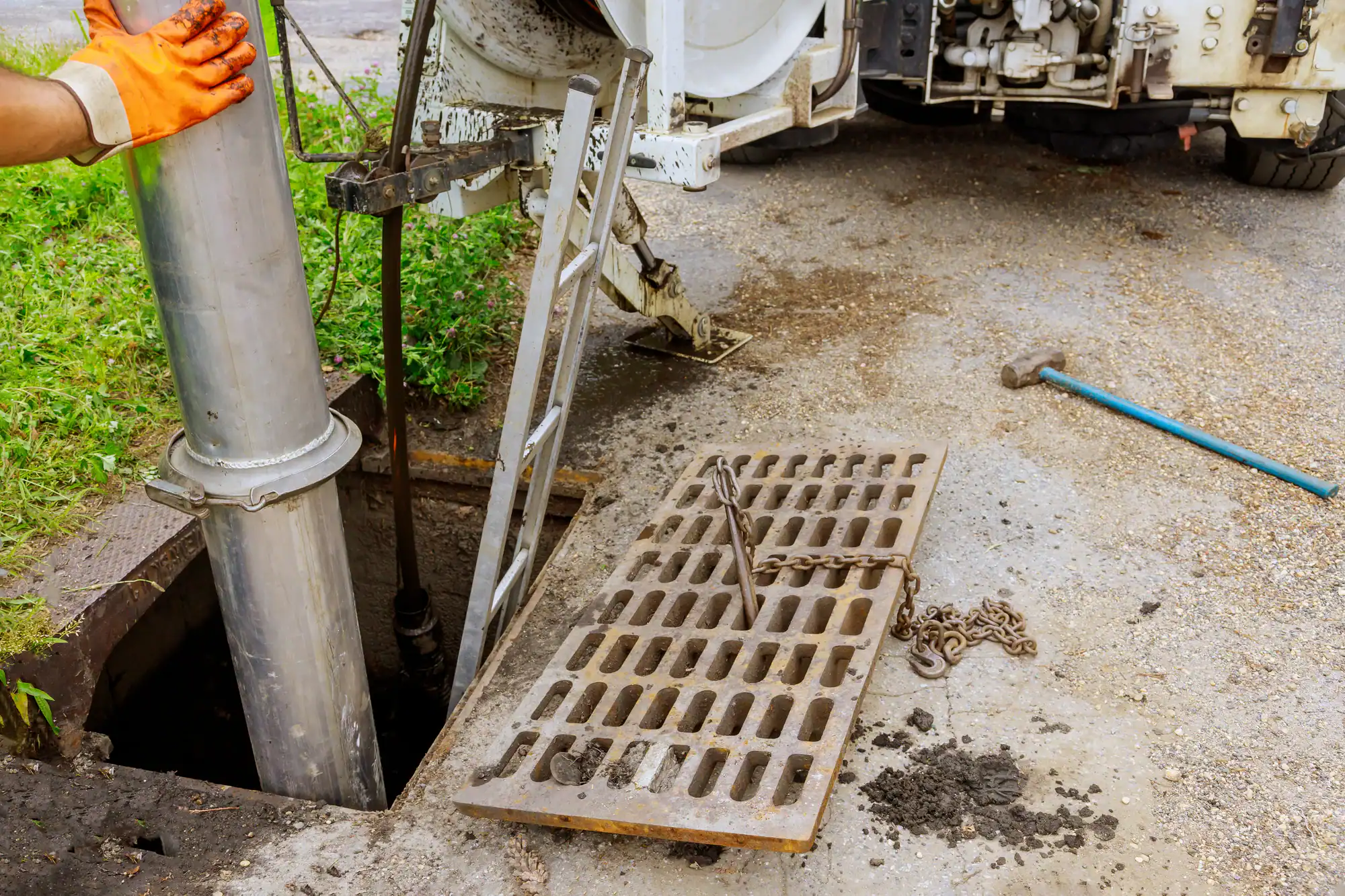
When you call us for emergency drain cleaning , be specific about what you’re seeing. Multiple drains or just one? Sewage surfacing or just slow drainage? Smell inside the house? Outdoor pooling near the tank? The more clearly you can describe the situation, the faster we can arrive prepared with the right equipment.
There’s a version of this situation where a homeowner decides to wait until morning — or wait through the weekend — because calling for emergency service feels like it’s going to cost a fortune. That instinct is understandable. Emergency service calls do carry a premium at many companies, and nobody wants to make a panicked decision that leads to an inflated invoice.
But the cost of waiting on a real drain emergency almost always exceeds the cost of addressing it promptly. A main line blockage that’s left overnight can cause sewage to back up further into the home, damaging flooring, walls, and insulation. Cleanup and remediation for a sewage overflow into a living space starts around $3,000 and climbs quickly depending on how far the water traveled. Compare that to a few hundred dollars for emergency drain cleaning, and the math isn’t close.
There’s also the health dimension. Suffolk County’s drinking water comes entirely from underground aquifers — the same ground that cesspool and septic systems drain into. A failing or overflowing system isn’t just a property problem. It’s a water quality concern for the broader community, and it’s part of why Suffolk County has some of the strictest cesspool regulations in the state. The 2019 Article 6 amendments that banned traditional cesspool installations were a direct response to the link between aging private wastewater systems and groundwater contamination. Maintaining and promptly repairing your system isn’t just good for your home — it matters for the water table your neighbors drink from.
One more thing worth knowing: not all emergency drain cleaning companies are the same, and not all of them are operating legally. Suffolk County requires cesspool and liquid waste contractors to hold an active Liquid Waste License through the Suffolk County Department of Consumer Affairs. It’s a specific, legally required credential — not a generic “licensed and insured” claim. We hold that license, and when you’re calling someone you’ve never used before during an emergency, it’s worth asking whether they do too. A legitimate company will tell you immediately.
Multiple drains failing at once, sewage backing up into your home, sewer gas you can smell inside — those are real emergencies, and they’re worth a call right now. A single slow drain, some gurgling after a nor’easter, a minor odor that appeared with the rain — those are worth monitoring and scheduling, but they’re not the kind of thing that warrants panic.
The most important thing you can do in either situation is make a clear-eyed assessment of what you’re actually seeing, stop adding water to the system, keep your family away from the affected area, and call someone who knows Suffolk County’s conditions well enough to give you an honest answer about what you’re dealing with.
That’s exactly what we’ve been doing since 1998. We’re a family-owned business based right here in Ronkonkoma, and we’ve handled drain emergencies across every corner of Suffolk County — from Babylon and Islip to Smithtown, Huntington, Patchogue, and out to the East End. We’ll tell you what’s actually wrong, what it’ll cost before we start, and what you actually need — nothing more. If you’re in the middle of something that feels urgent, give us a call.
Summary:
Article details:
Share: