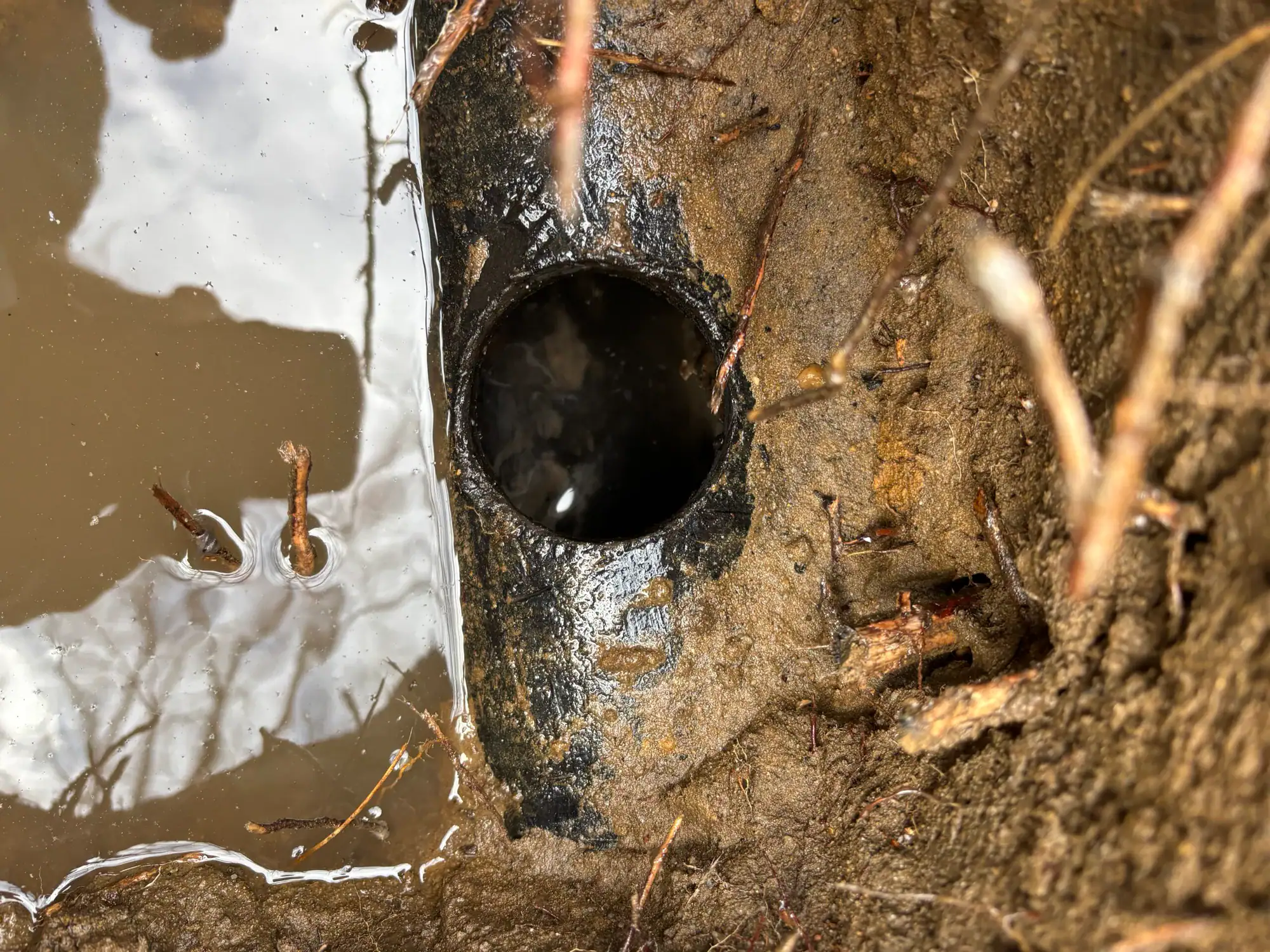
Winter is harder on Suffolk County cesspools than most homeowners realize. Here's what to do in fall before the ground freezes and the problems start.

About 75% of homes in Suffolk County run on private cesspools or septic systems — roughly 360,000 properties that depend entirely on what’s buried in the backyard. When those systems work, nobody thinks about them. When they don’t, especially in January, it’s a problem you can’t ignore.
Fall is the window. Before the ground freezes, before Thanksgiving fills your house with guests, before the temperature swings that Long Island is known for start cracking pipes and slowing bacteria — there’s a short stretch of time when getting your system ready is easy, affordable, and genuinely effective. Here’s what that actually looks like.
Long Island winters aren’t like the sustained deep freezes you get further north. What makes them rough on cesspools is the whiplash — a 45-degree afternoon followed by a 15-degree night, over and over. Your system doesn’t get time to adjust. That repeated freeze-thaw cycle is what cracks concrete, splits pipes, and damages components that would otherwise hold up fine.
In Suffolk County, the frost line sits around three to four feet below the surface — right where your cesspool components live. Sandy soil, which covers most of the county, offers less insulating protection than denser soil types. And with a high water table in many areas, a compromised system doesn’t just back up into your home — it can reach groundwater quickly.
The good news is that none of this is inevitable. Most winter failures are preventable with the right preparation in October or November.

The most important thing you can do before winter is pump the tank. That’s not a sales pitch — it’s just the reality of how these systems work. When sludge and scum build up past a certain point, the system can’t process waste effectively. In warm weather, active bacteria help break things down. In cold weather, that bacterial activity slows dramatically. Waste that normally decomposes in a few days can sit for weeks. If your tank is already close to capacity going into winter, you’re setting yourself up for a backup.
Industry guidance says to pump when sludge is within 12 inches of the outlet baffle, or when total sludge and scum volume exceeds about 25% of tank capacity. Most households in Suffolk County should be pumping every one to three years depending on size — and a family of four in Long Island conditions often needs service closer to the shorter end of that range. If you’re not sure when it was last done, that uncertainty alone is a reason to schedule a fall inspection.
Beyond the pump-out, a thorough fall service should include a check of the inlet and outlet baffles, which keep solids from escaping into the drain field. It should include a look at any pumps or mechanical components, since cold weather accelerates wear on parts that are already under stress. And it should include an honest assessment of your drainage — standing water or slow-draining fixtures in October are warning signs worth addressing before the ground freezes and access gets complicated.
One thing worth knowing: if your pipes or tank components are shallow or poorly insulated, adding a layer of mulch — eight to twelve inches over the tank, pipes, and soil treatment area — provides meaningful protection against freeze. This is a straightforward, low-cost step that makes a real difference in Suffolk County’s climate. If you’re not sure whether your system’s depth puts it at risk, a quick inspection will tell you.
The goal of fall maintenance isn’t to check a box. It’s to go into winter with a system that isn’t already straining — so that when the temperature drops and your household usage goes up, you’re not the one calling for emergency service on a Sunday night in December.
Some systems announce their problems clearly. Others give you quieter signals that are easy to dismiss — until they’re not. Knowing what to look for in fall gives you time to act before winter makes everything harder and more expensive.
Slow drains are one of the most common early warnings. When multiple fixtures drain slowly at the same time — not just one sink, but the tub, the toilet, the kitchen — that usually points to the cesspool, not the individual drain lines. Homeowners often spend money on plumbers or drain cleaners before realizing the real issue is underground.
Odors near the yard, especially around the cesspool area or drain field, are another signal worth taking seriously. In warmer months, a faint smell outside isn’t always alarming. In fall, when bacterial activity is already starting to slow, persistent odors can indicate that the system is processing waste less efficiently than it should be.
Standing water or unusually green, lush patches of grass over the drain field are signs of a system that’s already struggling. If waste is surfacing or saturating the soil above the leaching area, that’s not a problem that gets better in winter — it gets significantly worse.
Inside the house, gurgling sounds from toilets or drains when water is running elsewhere in the home often indicate that air is moving through the system in ways it shouldn’t. That’s a pressure issue, and it’s worth having someone look at it before temperatures drop.
If you’ve recently moved into your home and don’t have documentation of when the cesspool was last serviced, that’s its own kind of warning sign. Homes in Suffolk County — many of which were built in the 1950s through the 1980s with systems that are now decades old — sometimes change hands without a proper cesspool inspection. If you don’t know the service history, a fall inspection is the right starting point. You’ll either confirm the system is in good shape, or you’ll catch something before winter turns it into an emergency.
Want live answers?
Connect with a AAA Dependable Cesspool expert for fast, friendly support.
Winterization isn’t just about protecting your system from the cold. In Suffolk County, there’s a regulatory layer that homeowners are increasingly affected by — and fall is a good time to make sure your documentation is in order.
Since July 2019, any replacement of an existing cesspool or septic system in Suffolk County requires registration with the Department of Health Services. If your system is aging and a winter failure forces a replacement, having a documented service history matters. It affects what options are available to you, and it can be relevant to the county’s Septic Improvement Program, which currently offers up to $20,000 in grants and financing for qualifying system upgrades.

Once you’ve handled your fall prep, the goal through winter is to avoid making things harder on a system that’s already working in suboptimal conditions. Cold temperatures slow bacterial activity significantly, which means your system is processing waste less efficiently than it does in warmer months. A few habits can make a meaningful difference.
Spreading water usage throughout the day helps. Running the dishwasher, doing laundry, and taking showers in rapid succession puts a surge of water through the system at once. In summer, that’s manageable. In winter, when processing is slower and the soil around the drain field may be partially frozen, that surge can overwhelm the system more easily. Spacing out high-water activities gives the system time to keep up.
Being careful about what goes into the system matters year-round, but it matters more in winter. Antibacterial soaps, harsh cleaning products, and bleach kill the beneficial bacteria that your cesspool depends on to function. In cold weather, when bacterial populations are already reduced by temperature, introducing chemicals that further deplete them compounds the problem. This isn’t about avoiding all cleaning products — it’s about being thoughtful, especially during the months when your system is already working harder.
There are also a few things that seem like logical fixes but will make the situation worse. Adding antifreeze or salt to a cesspool to prevent freezing is not effective and can damage the system. Running water continuously to try to thaw a frozen line will overload the system before it helps. And if you suspect a frozen line, the right move is to call a licensed professional — not to try to heat the ground yourself.
One more thing worth knowing: if you’re hosting for Thanksgiving or Christmas and your house will be full, that’s exactly the moment your system is under maximum stress. More people, more water, more waste — all at the time of year when the system is least able to handle it. Getting your pump-out done in October or early November, before the holidays, is the simplest way to take that risk off the table.
Not every company doing cesspool work in Suffolk County is operating legally. Under Suffolk County Code Chapter 563, Article VII, any company performing cesspool and septic work here must hold an active Liquid Waste License issued by the Suffolk County Department of Labor, Licensing and Consumer Affairs. That license requires at least five years of documented trade experience, a minimum of $1,000,000 in liability insurance, and a $10,000 bond. Legitimate companies include their license number in their advertising. If a company can’t produce that number when you ask, that’s a problem — not just for service quality, but for your own liability.
Beyond licensing, the things that matter most when choosing a company for fall service are fairly straightforward. Do they give you a price before they start? Does the final invoice match what they quoted? Do they explain what they found and what it means, without pressuring you to buy more than you need? Do they show up when they say they will?
Those aren’t high standards — they’re the baseline. But in an industry where upselling and vague invoices are common complaints, they’re worth asking about directly.
One pattern worth watching for: companies that offer free chemical treatments or additives as part of a winterization package are often using products that are diluted to the point of being ineffective, or products that can actually harm the bacterial ecosystem your system depends on. Effective treatment costs money. If someone is offering it for free to get in the door, that’s worth questioning.
The best winterization service is one where you understand exactly what was done, why it was done, and what to watch for going forward. If a technician can’t explain their findings in plain language, that’s a signal. If they can — and if the invoice matches what you were quoted — you’ve found someone worth calling back.
We’ve been doing this work in Suffolk County since 1998, and we’ll tell you what your system needs. If it doesn’t need something, we’ll tell you that too. That’s just how we think a service business should operate.
Fall is the right time. Not because it makes for a good checklist topic, but because once the ground freezes and the holidays arrive and the temperatures start swinging, your options get more limited and more expensive. A pump-out and inspection in October or November costs a fraction of what emergency winter service runs — and it’s the difference between a system that handles the season and one that doesn’t.
The core of it is simple: get the tank pumped if it’s due, have someone check the baffles and components, look at your insulation situation if your system is shallow, and know the warning signs so you’re not caught off guard. Document the service. And hire someone who’s licensed to work in Suffolk County and will tell you the truth about what they find.
If you’re not sure where your system stands heading into winter, we’re happy to take a look. AAA Dependable Cesspool Sewer & Drain serves all of Suffolk County — from Babylon to Southold, Huntington to Riverhead — and we’ve been doing it long enough to know exactly what Long Island winters do to these systems.
Summary:
Article details:
Share: