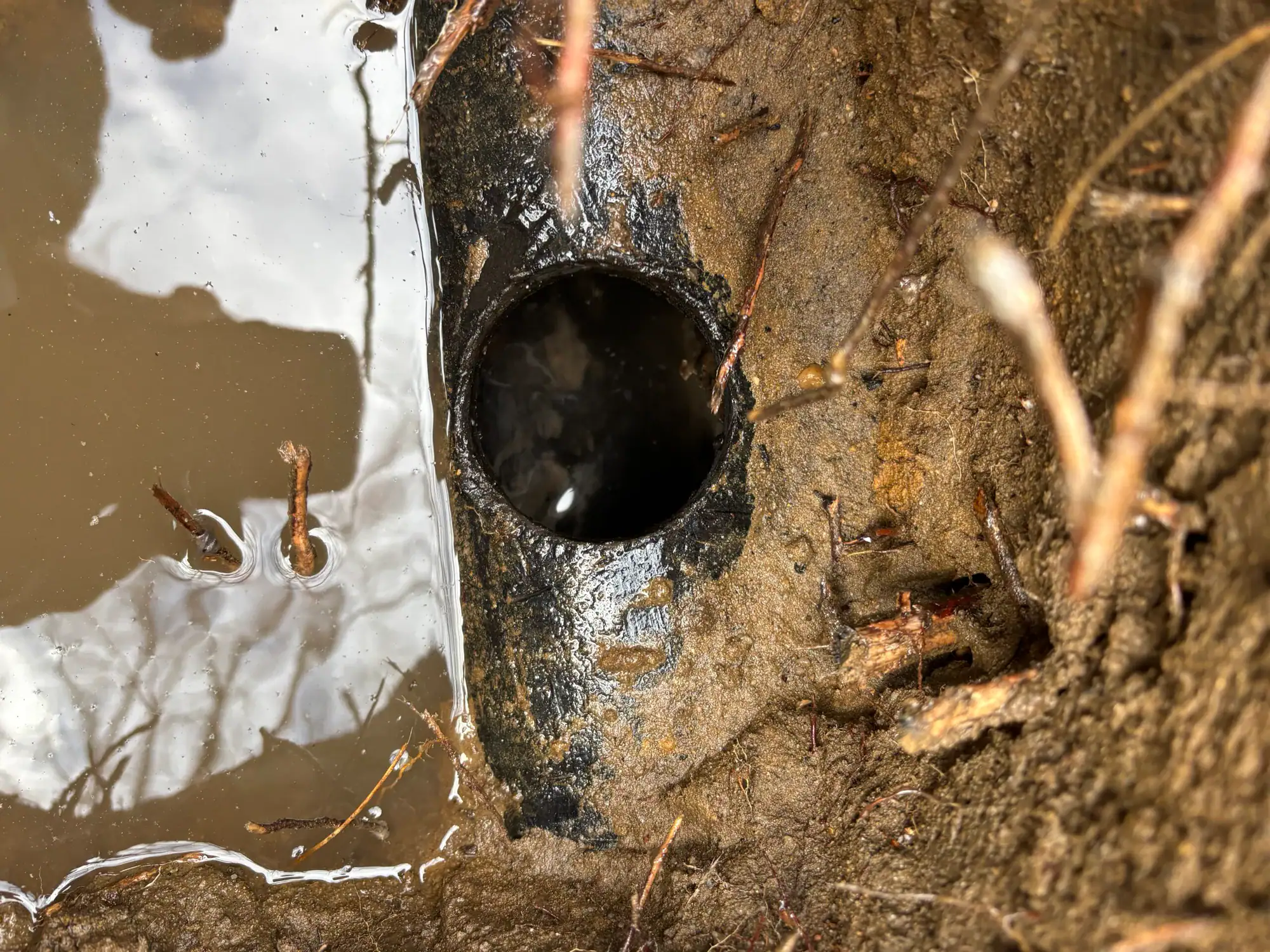
Suffolk County's cesspool rules have changed — and the consequences of missing them are real. Here's what you need to know to stay compliant in 2026.
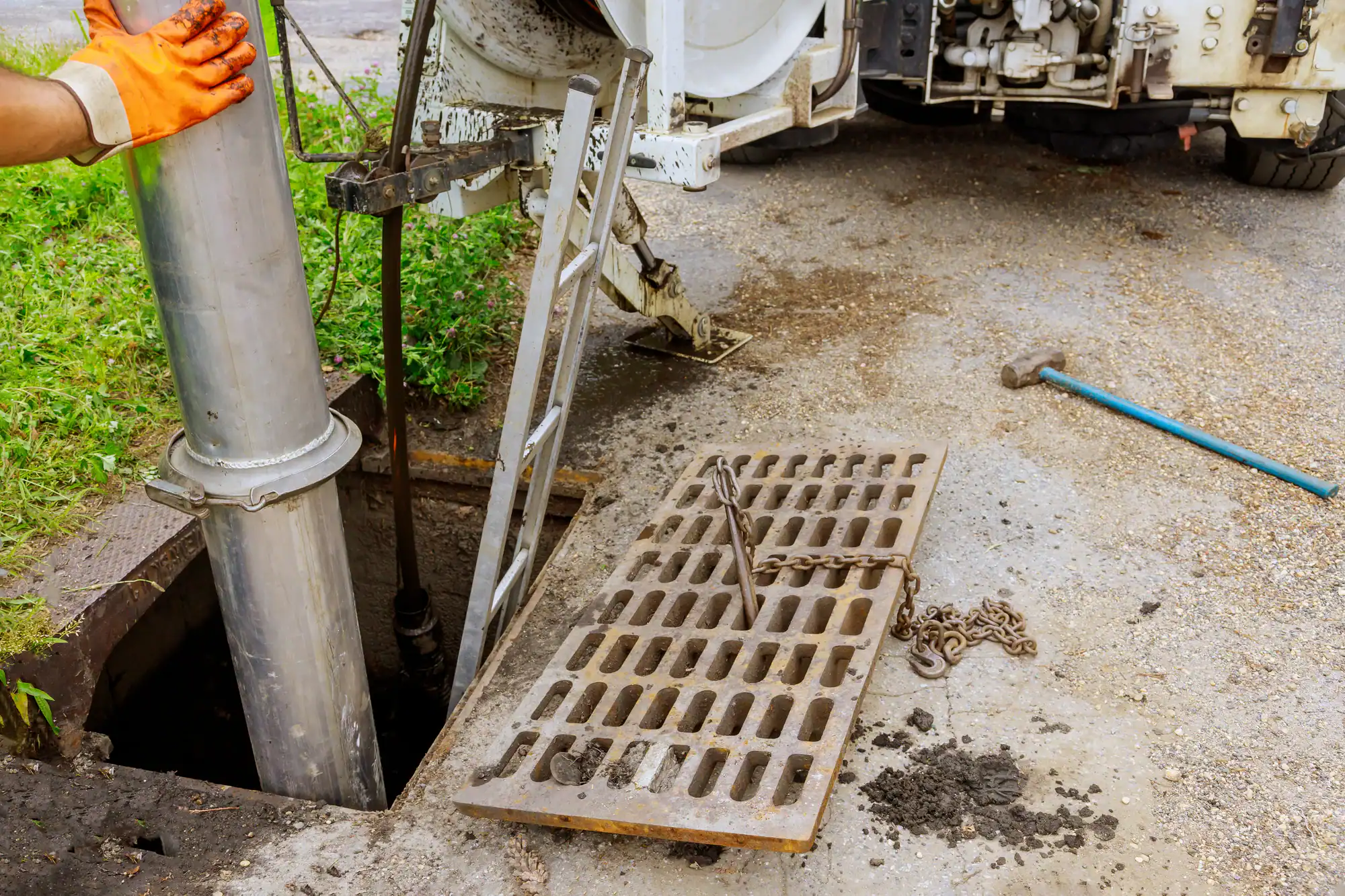
Most Suffolk County homeowners don’t think about their cesspool until something goes wrong. That’s understandable — it’s underground, out of sight, and easy to put off. But between tightening county regulations, mandatory inspection schedules, and the very real risk of fines, “out of sight” is getting harder to justify.
More than 360,000 homes across Suffolk County rely on cesspools and septic systems. If yours is one of them, here’s what you need to know about staying compliant in 2026 — without the runaround.
Suffolk County’s approach to wastewater management has shifted significantly over the past several years, and the changes aren’t slowing down. The driving force behind all of it is Long Island’s sole-source aquifer — the underground water supply that every resident on the island depends on for drinking water. There’s no backup. No reservoir, no river intake. Just groundwater, and it’s under pressure.
Nitrogen levels in Long Island’s aquifers jumped 200% between 1987 and 2005, largely from wastewater discharge. That’s the context behind why Suffolk County has become so specific about what homeowners are required to do — and when.
As of July 1, 2019, you can no longer replace a failed cesspool with another cesspool. Any replacement now requires a septic tank preceding the leaching structure, and in many cases, an Innovative/Alternative Onsite Wastewater Treatment System — commonly called an I/A OWTS — is required. For new construction and certain property transfers in environmentally sensitive areas, these nitrogen-reducing systems are mandatory. Heading into 2026, enforcement of these requirements has continued to tighten, and homeowners who aren’t keeping up with maintenance and documentation are the ones most likely to be caught off guard.
Here’s where a lot of homeowners get tripped up. They assume that as long as nothing is backing up or smelling wrong, they’re fine. But Suffolk County’s regulations don’t work that way. Certain systems are required to be inspected every three years, with reports submitted directly to the Suffolk County Department of Health Services — the SCDHS. Skipping that step, even if your system is functioning normally, puts you in violation.
The EPA recommends septic tank inspections every one to three years and pumping every three to five years. For most Suffolk County households — especially those with older systems, larger families, or properties that see seasonal occupancy surges — annual or biennial service is the more realistic standard. A three-bedroom home in Smithtown with a 1960s-era cesspool has very different needs than a newer system in a lightly occupied vacation property in Southold, but both are subject to county oversight.
What makes this complicated is that the documentation matters as much as the service itself. When you have your system pumped or inspected, you need a written record — measurements, sludge and scum levels, photographs, and a compliance statement. If you’re ever asked to produce maintenance records for a property transfer, a renovation permit, or a county inquiry, and you don’t have them, you’re starting from zero. New York State fines for missed pump-outs or failed inspection reports range from $250 to $2,000. That’s not a hypothetical — it’s a real consequence that homeowners in this county have faced.
The practical takeaway is this: maintenance isn’t just about keeping the system running. It’s about keeping your records clean. A licensed contractor who understands Suffolk County’s specific reporting requirements — and who provides proper documentation after every visit — is worth far more than someone who shows up, pumps the tank, and hands you nothing in writing.
One more thing worth knowing: approximately 75% of Suffolk County households still have cesspools rather than modern septic systems. If your home was built between the 1950s and 1970s — which covers a huge portion of the housing stock in towns like Babylon, Islip, and Brookhaven — your system is likely 50 to 70 years old. These aging systems need more attention, not less, and they’re the ones most likely to trigger mandatory upgrade conversations when something finally does go wrong.
If you’re facing a mandatory system upgrade — or you’ve been told your cesspool needs to be replaced — the cost can feel overwhelming. A conventional septic system installation in Suffolk County typically runs $10,000 to $20,000. Advanced nitrogen-reducing I/A OWTS systems run higher. But there’s a program most homeowners don’t know enough about: the Suffolk County Septic Improvement Program, or SIP.
The SIP was launched in 2017 specifically to help homeowners cover the cost of upgrading to I/A OWTS systems. Grants of up to $30,000 are available, and more than 1,000 applicants have already received funding. Properties in environmentally sensitive areas — near bays, harbors, and water bodies that feed into the Long Island Sound, Great South Bay, or Peconic Bay — tend to receive priority consideration, but the program is open to qualifying homeowners across Suffolk County.
For any remaining balance after grants, low-interest loans at 3% are available through the program. That combination can turn what feels like a catastrophic expense into something manageable.
The catch is that navigating the application process takes time and knowledge of what the county is looking for. You need a contractor who is familiar with I/A OWTS installation, understands which systems are approved under Suffolk County’s requirements, and can help you move through the paperwork without losing months to back-and-forth with the SCDHS. Not every cesspool company in Suffolk County is equipped to do that. It’s worth asking directly before you hire anyone.
What the SIP also signals, more broadly, is the county’s long-term direction. The regulatory environment is moving toward advanced treatment systems for nearly all residential properties over time. Getting ahead of that — rather than waiting until a system failure forces the issue — puts you in a much better position, both financially and in terms of the grant funding that’s still available.
Want live answers?
Connect with a AAA Dependable Cesspool expert for fast, friendly support.
Searching for septic maintenance near me in Suffolk County turns up a lot of options. The harder question is how to tell the legitimate ones from the ones who’ll pump half your tank, hand you nothing in writing, and disappear before you realize you’ve been shortchanged.
The single most important credential to look for is a Suffolk County Consumer Affairs license. This is the specific local license required for any cesspool contractor operating legally in the county. It’s verifiable, and legitimate companies will have no hesitation providing it. If a contractor is vague about licensing, that’s your answer.
Beyond licensing, the things that matter most are transparency about pricing before any work begins, a clear policy against upselling services you don’t need, and written documentation after every visit. Those three things separate companies that are actually serving your interests from ones that are serving their own. We’ve been working in Suffolk County since 1998, and we’ve built our reputation on exactly those standards — no surprises, no hidden charges, no pressure to buy something you don’t need.
Most of Suffolk County runs on private wells. There’s no municipal water supply feeding the majority of homes east of the Nassau border — your drinking water comes from the same aquifer that your cesspool or septic system discharges into. That proximity is exactly why a combined well and septic inspection is one of the most important things a homeowner can do, and one of the most commonly overlooked.
A well and septic inspection looks at both systems together — not just whether the cesspool is functioning, but whether the system’s placement, condition, and discharge are creating any risk to the water supply. This matters for any homeowner with a private well, but it becomes especially critical in two situations: when you’re buying a property, and when your system hasn’t been inspected in several years.
For buyers, mortgage lenders require a thorough cesspool inspection before approving a loan on a property with a septic system. This isn’t optional — it’s a condition of financing. And lenders want documentation: camera inspection results, measurements, photographs, a written assessment of the system’s condition. Showing up with a verbal report from a contractor doesn’t satisfy that requirement.
For existing homeowners, the well and septic inspection catches problems that aren’t visible from the surface. E. coli levels can be 100 times higher near a leaking drain field. You won’t smell that in your tap water. You won’t see it. But a proper inspection — using video camera technology that provides a visual record with foot counter measurements showing exact problem locations — can identify issues before they become a health concern or a five-figure repair bill.
The inspection process itself involves more than just pumping the tank. It includes a camera inspection of the distribution lines, a check of the outlet pipe for blockage, drainage testing, and a written report that documents everything found. For real estate transactions, that report needs to satisfy both the lender’s requirements and the Suffolk County documentation standards. A contractor who doesn’t understand those requirements will produce a report that creates more questions than it answers.
If you’re in the Hamptons, Shelter Island, or anywhere on the East End, this is doubly important. Properties that sit empty in winter and host large gatherings in summer put enormous stress on systems that may not have been serviced in years. A well and septic inspection before the season starts — or before you list the property — is the kind of thing that prevents a closing from falling apart at the last minute.
The most common reason homeowners end up with compliance problems isn’t that they ignored their system entirely — it’s that they assumed everything was fine because nothing had gone wrong yet. Cesspools fail gradually. The system doesn’t announce when it’s approaching capacity or when the outlet pipe is starting to clog. By the time you notice slow drains, gurgling sounds, or wet spots in the yard, the problem has usually been building for a while.
Staying ahead of violations in Suffolk County comes down to a few straightforward things. First, know what your system is. If you’re in a home built before 1980 and you’ve never had a camera inspection, you may not know exactly what you have underground — and neither does your contractor unless they’ve looked. Many older properties in towns like Ronkonkoma, Nesconset, and Hauppauge have systems buried more than three feet underground, with covers that haven’t been accessed in decades. That’s not a minor inconvenience; it’s a maintenance liability.
Second, keep your records. Every time your system is serviced, you should receive written documentation. Hold onto it. If you’re ever asked to prove compliance — for a property sale, a permit application, or a county inquiry — those records are your evidence. Homeowners who can’t produce them are starting from scratch, and that can delay a real estate closing or trigger a compliance investigation.
Third, understand that the no-backup-to-a-cesspool rule that took effect in 2019 changes the math on system failure significantly. If your system fails and needs to be replaced, you’re not replacing like-for-like anymore. You’re installing a septic tank and likely an I/A OWTS system, which costs more and requires more planning. The financial case for preventive maintenance — regular pumping, annual inspections, documented service records — has never been stronger.
The contractors that will get you into trouble are the ones who show up, do the minimum, charge you for more than they did, and provide nothing in writing. The ones who keep you out of trouble are the ones who treat your system like it matters, explain what they found, tell you what actually needs attention versus what can wait, and hand you a complete service record when they leave. That distinction is worth paying attention to when you’re deciding who to call.
If you haven’t had your system serviced in the last two to three years, that’s the place to start. Get it pumped, get it inspected, and get the documentation in hand. If you have a private well, a combined well and septic inspection is worth doing — not because something is necessarily wrong, but because knowing for certain is worth more than assuming.
If you’re facing a mandatory upgrade or a system that’s approaching the end of its life, look into the Suffolk County Septic Improvement Program before you commit to anything. Grants of up to $30,000 are still available, and the application process is navigable with the right contractor in your corner.
And if you’re not sure where your system stands — whether it’s been serviced, what documentation exists, or what the county actually requires of you — that’s exactly the kind of question we can answer. We’ve been working with Suffolk County homeowners since 1998. We know the regulations, we know the soil conditions across different parts of the county, and we know what it takes to keep a system running and a homeowner compliant. Give us a call and we’ll tell you exactly where things stand — no guessing, no overselling, no surprises.
Summary:
Article details:
Share: