
What every East Islip home buyer should know before signing off on a property with a septic system — and why skipping this step can be a costly mistake.
You’ve found a home in East Islip. Good schools, a short walk to the LIRR, maybe a backyard that actually has room to breathe. You’ve made your offer, it’s been accepted, and now your realtor mentions something about getting a septic inspection before closing.
If you’ve spent your life on municipal sewer — or in an apartment — that phrase might not mean much to you yet. It will. About 75% of properties in Suffolk County rely on private septic systems or cesspools, and what’s buried in that backyard can make or break your purchase. Here’s what you need to know before the clock runs out on your inspection contingency.
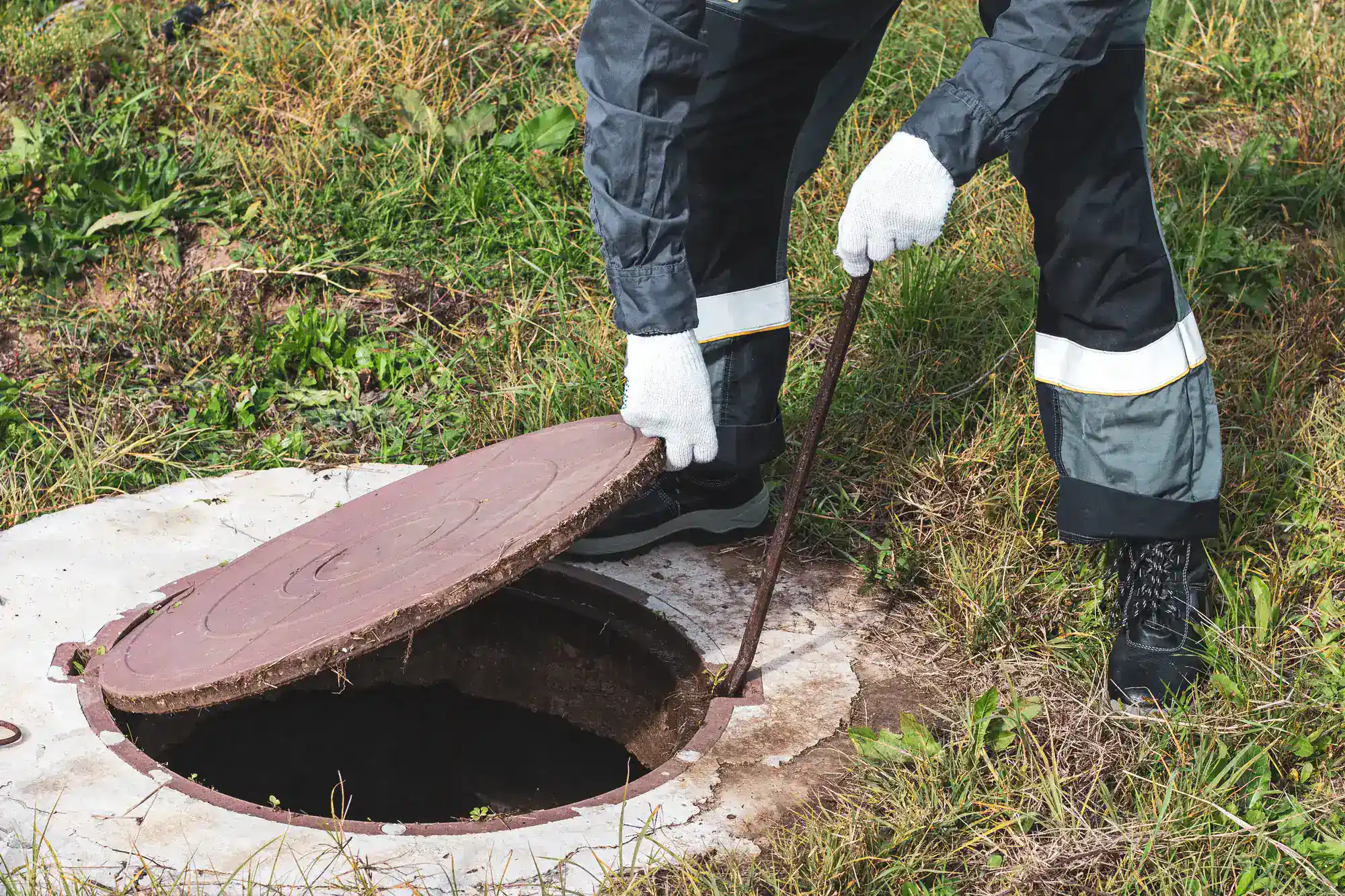
A septic inspection is not the same as a home inspection. Your general home inspector may walk the yard, note the location of the tank cover, and move on. That’s not an inspection — that’s a glance. Only about 10% of standard home inspections include any real evaluation of the septic system, which means most buyers are closing on properties without knowing the actual condition of what’s underground.
A proper septic inspection means opening the tank, measuring sludge and scum levels, checking the inlet and outlet baffles, evaluating the drain field, assessing the distribution box, and verifying the structural integrity of the tank walls. It’s the difference between knowing and guessing. In Suffolk County, where roughly 360,000 homes rely on individual wastewater systems, guessing is not a strategy.
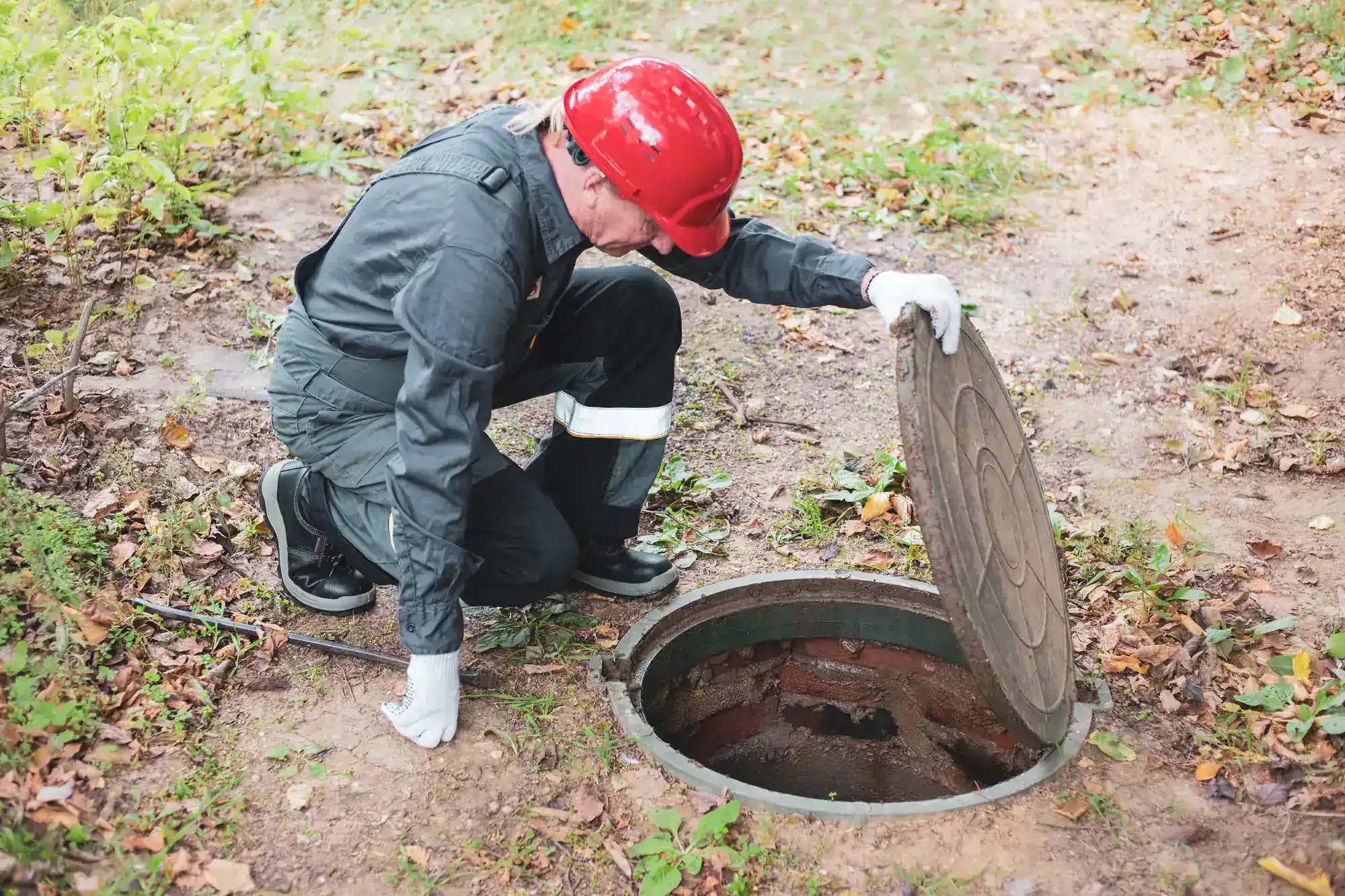
The most expensive problems with a septic system are the ones you can’t see from the surface. A cracked pipe. Root intrusion working its way through an inlet line. A baffle that’s collapsed and letting solids escape into the drain field. None of that shows up in a visual assessment — not even a thorough one.
Camera inspection is how you actually see what’s happening inside the pipes and tank. A camera is run through the system, and you get a real-time view of conditions that would otherwise stay hidden until something backs up, fails, or becomes an emergency. For buyers, this matters enormously. It’s the difference between a clean report you can rely on and a surface-level sign-off that leaves you exposed.
East Islip’s housing stock skews older — a lot of these homes were built in the 1950s, 1960s, and 1970s. That means the systems underneath them are often just as old. Pipes from that era can be made of materials that degrade, crack, or shift over time. Without a camera scope, you’d have no way of knowing whether you’re inheriting a system that’s holding up or one that’s quietly failing.
When we conduct a septic inspection, camera equipment is part of how we assess the real condition of the pipes and tank — not an optional add-on. We show customers what we’re seeing, document it, and give them a clear picture of what they’re working with before they sign anything. We’ve also found that if your lender requires an inspection — and FHA and VA loans frequently do — the report needs to be thorough enough to satisfy underwriting. A visual-only inspection often doesn’t clear that bar. A camera-documented inspection with a written report does.
Suffolk County is not like most of New York when it comes to private wastewater. The county has been dealing with a serious groundwater problem for years — its drinking water ranks in the top 5% nationally for nitrate levels, largely because of nitrogen leaching from aging cesspools and septic systems into the sole-source aquifer that supplies the entire county. That’s not a minor issue. It’s why regulators have been tightening the rules steadily for the past several years.
In 2019, Suffolk County banned the installation of new cesspools entirely. If a system fails and needs to be replaced, it cannot be replaced with another cesspool — it must be upgraded to an approved septic system or an Innovative/Alternative Onsite Wastewater Treatment System, commonly called an I/A OWTS. These systems are more effective at reducing nitrogen, and they’re increasingly required for properties near sensitive waterways. East Islip’s proximity to the Great South Bay puts a number of its properties squarely in that category.
What this means for a buyer is straightforward: if you purchase a home in East Islip with a cesspool — and many still have them — you may be inheriting a system that cannot be repaired in kind if it fails. An upgrade to an I/A OWTS system is a significant expense, though Suffolk County’s Septic Improvement Program does offer grants and low-interest loans to help offset the cost. Knowing this before you close is very different from finding out after.
Suffolk County also requires that certain systems be inspected every three years, with findings reported to the Suffolk County Department of Health Services. If the seller can’t produce documentation of recent inspections, that’s a red flag worth taking seriously. The SCDHS maintains records for systems installed since 1973, and a licensed inspector can help you track down what’s on file for the property you’re considering.
Want live answers?
Connect with a AAA Dependable Cesspool expert for fast, friendly support.
This is the question buyers are most afraid to ask, because they assume a bad inspection means a dead deal. It doesn’t. A failed or flagged inspection is leverage — it’s information you can use at the negotiating table before you’re legally obligated to anything.
When an inspection reveals problems, you typically have a few options. You can ask the seller to make repairs before closing. You can request a credit at closing that covers the estimated cost of the work. You can negotiate a price reduction. Or, if the problems are serious enough and the seller won’t budge, you can walk away with your deposit. None of these outcomes require you to close on a system you’re not comfortable with.

The numbers here are worth knowing before you sit down to negotiate. What a standard septic inspection costs in 2026 depends on the scope, with a full camera inspection and comprehensive evaluation at the higher end. That cost is real, but it’s minimal compared to what you could be walking into.
Repairing a failed cesspool component — a broken baffle, a cracked distribution box, a clogged drain field — is priced on what’s involved. A full system replacement is far more expensive again, depending on the property, the required system type, and local permitting costs. Suffolk County permit fees for new septic systems can reach $650 on their own.
If your inspection turns up a problem and you’re able to negotiate a closing credit or a price reduction that reflects the actual cost of the work, the inspection has paid for itself many times over. If it turns up nothing, you close with confidence instead of anxiety. Either way, you’re better off knowing.
One thing worth understanding: a seller who says the system was pumped recently is not giving you an inspection. Pumping removes waste from the tank — it doesn’t evaluate the system’s condition. A recently pumped system can still have cracked walls, failing baffles, root intrusion in the lines, or a drain field that’s at the end of its life. These are two completely different services, and confusing them is one of the most common mistakes buyers make in this process.
Before you book an inspection, it’s worth getting a few things from the seller or their agent. Ask for any existing inspection records, pumping logs, or permits related to the septic system. Ask whether the system is a cesspool or a modern septic system — these are not the same thing, and the distinction matters for compliance. Ask if there are as-built drawings on file with the SCDHS or the Town of Islip, which show the system’s layout and location. And ask when the system was last inspected by a licensed professional, not just pumped.
When you’re choosing who to hire for the inspection itself, credentials matter more than they might seem. Suffolk County Consumer Affairs licensing is a baseline requirement for cesspool and septic companies operating in the county — not every company advertising online meets that standard. Insurance matters too, both for your protection and for lender requirements. And the company’s track record with written reports matters, because a verbal summary won’t satisfy your mortgage lender or your real estate attorney.
We’ve been doing this work in Suffolk County since 1998. We know what systems look like in East Islip’s older neighborhoods, we understand the local regulatory environment, and we give every customer a detailed written report with camera documentation — not a handshake and a guess. We also don’t upsell. If something doesn’t need to be done, we say so. That’s not a marketing line — it’s something customers have been writing about in reviews for years, and it’s the only way we know how to operate.
If your inspection contingency window is tight, call us. Scheduling quickly in a competitive real estate market can make the difference between getting the information you need and waiving a protection you’ll wish you hadn’t.
Buying a home in East Islip is a significant decision, and the septic system underneath it deserves the same attention as the roof, the foundation, or the electrical panel. Suffolk County’s regulations are stricter than most buyers expect, the housing stock is older than it looks on the surface, and the cost of missing a problem far outweighs the cost of finding one before you close.
Get a real inspection — one that opens the tank, runs a camera, checks the drain field, and gives you a written report you can actually use. Know what you’re buying before you sign the closing documents.
If you’re under contract on a home in East Islip or anywhere in Suffolk County and you need a licensed, experienced team to handle your pre-purchase septic inspection, AAA Dependable Cesspool Sewer & Drain is ready to help. Give us a call and let’s make sure you close with confidence.
Summary:
Article details:
Share: