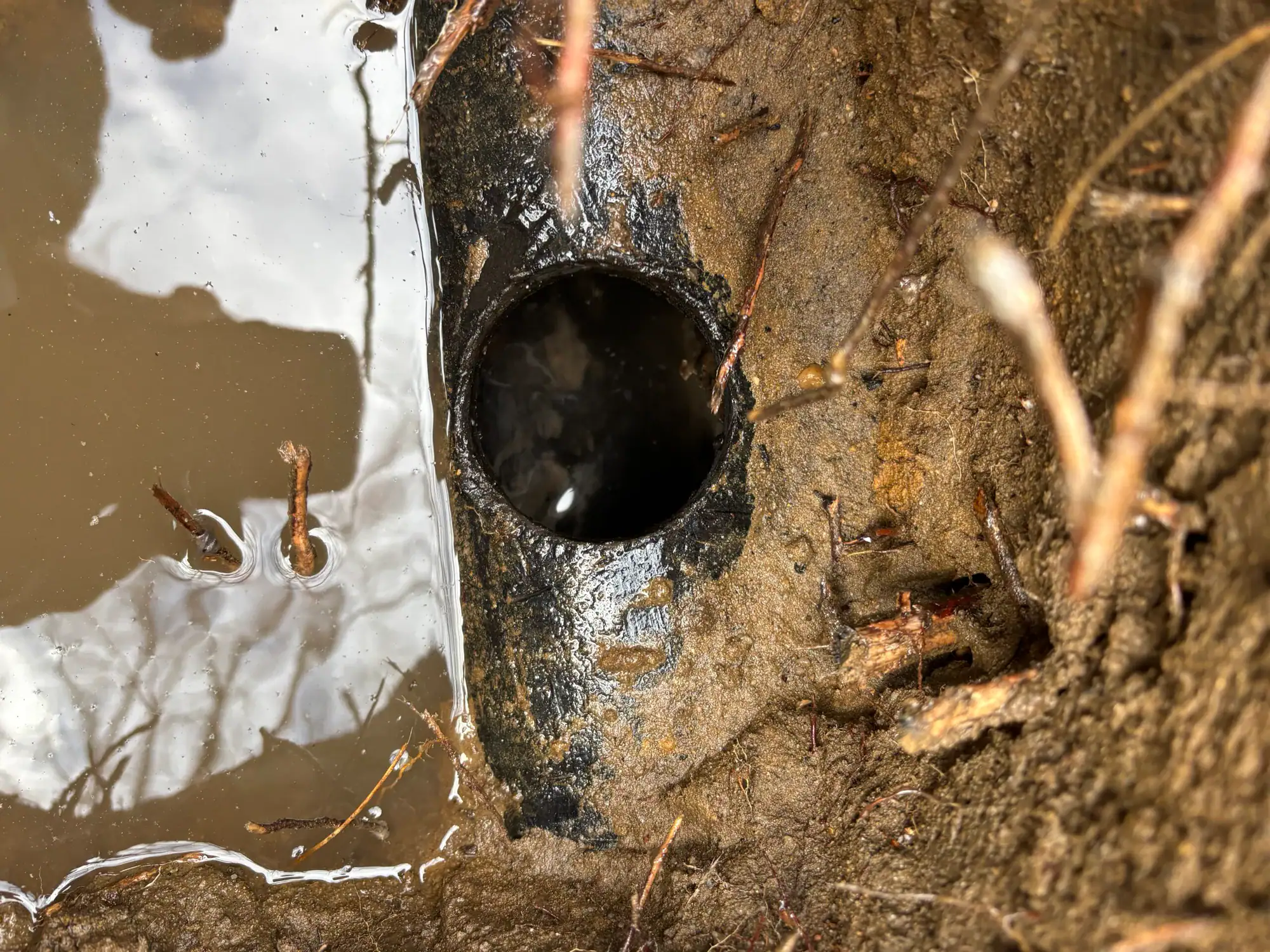
Understanding cesspool pumping versus cleaning helps Suffolk County homeowners make smart maintenance decisions and avoid costly emergency repairs.
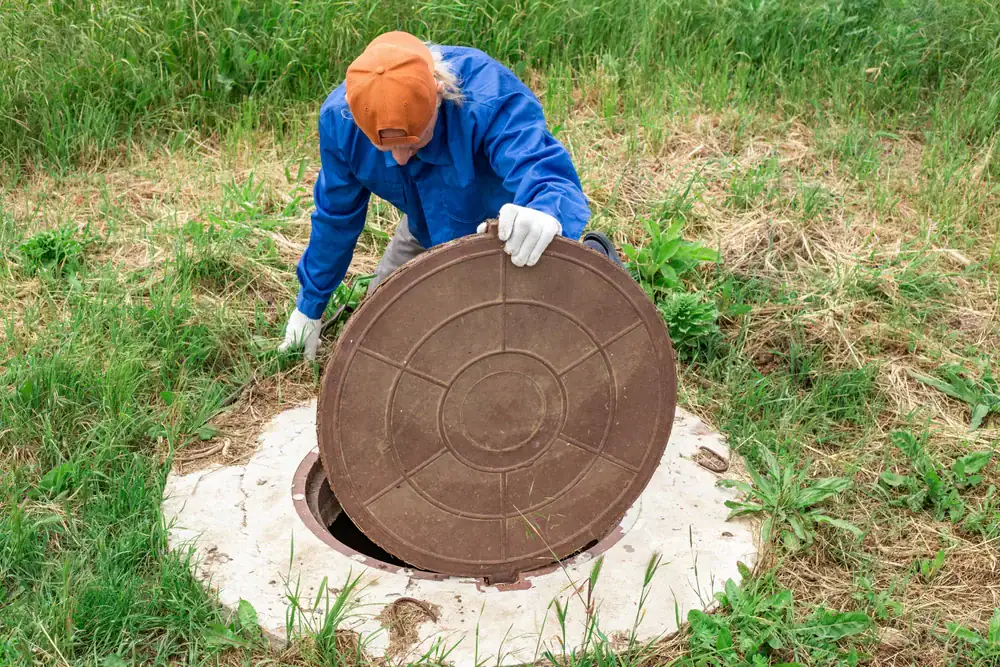
You’re dealing with slow drains, strange odors, or wondering when your cesspool was last serviced. Many homeowners use “pumping” and “cleaning” interchangeably, but they’re actually different services that solve different problems.
Understanding this difference saves you money and prevents emergency situations. Knowing when routine pumping is enough and when more comprehensive full cesspool service is necessary can help you avoid the costly mistakes that turn minor issues into major headaches. Here’s what every homeowner should know before scheduling service.
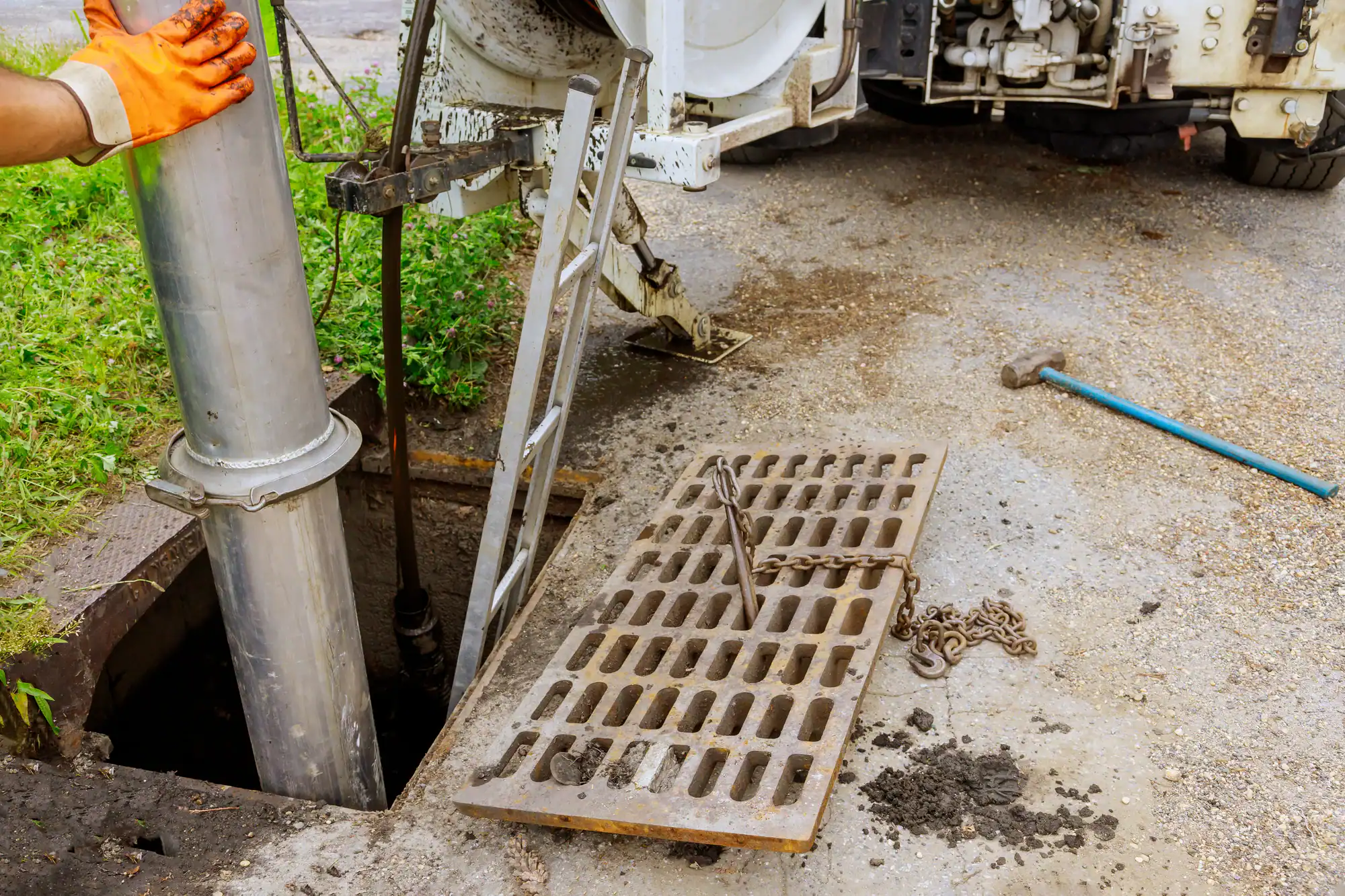
Cesspool pumping removes accumulated solids and sludge when the cesspool is almost full, using a vacuum truck cesspool service with large tanks that accommodate thousands of gallons of waste and powerful suction hoses. Think of it as emptying your system before it overflows.
Most Suffolk County experts recommend cesspool maintenance and pumping every three to five years to prevent septic tanks from overflowing into the cesspool. However, your household size significantly impacts frequency. Single-person homes typically need residential cesspool pump-out every 3-4 years, while families of four require service every 1-2 years
The process requires professional equipment and expertise. Cesspool pumping requires specialized vacuum trucks, safety equipment, and proper waste disposal permits that homeowners cannot access, plus professional pumping includes system inspection and documentation required for county compliance.
Slow draining fixtures, sewage odors around your property, and gurgling sounds from drains indicate your cesspool needs immediate pumping, while standing water or wet spots near the cesspool location signal system overload requiring emergency service. These aren’t issues you can ignore without consequences.
The most visible signs include pools of water around the cesspool area, and when the cesspool is full, solid waste may clog the pipes. You might also notice that grass above the cesspool appears much healthier than other lawn areas, indicating water is escaping from the system.
Drains moving slowly inside the home, toilets that flush slowly, and nasty odors from accumulated water after bathing indicate a full cesspool, but homeowners must watch for sewer backups where water backs up in other drains due to solid waste buildup. This last sign means you’re already facing potential property damage.
Waiting until your system backs up is more difficult than preventive maintenance pumping. Emergency calls during weekends or holidays include additional requirements for the technicians. Smart homeowners schedule routine service before problems develop.
Maintenance requirements depend on tank size and waste volume. The range of service needs depends on factors that directly affect your system’s health.
Most Long Island cesspools hold 1,000-1,500 gallons and require pumping when solid waste reaches 25-30% of total capacity. Larger tanks need service less frequently. Your household water usage, number of residents, and maintenance history all impact the final service requirements.
Work requirements vary depending on tank size, system condition, and whether the job requires multiple back-flows for deep cleaning, specifically when there’s significant built-up solids requiring additional time. Companies perform tasks based on cesspool size and required services.
Here’s what many homeowners don’t realize: Suffolk County requires cesspool pumping records for property transfers and renovation permits, so homeowners must maintain documentation showing regular waste removal by licensed contractors to avoid delays during real estate transactions. Missing documentation can delay home sales or impact negotiating power.
The pumping frequency question has a straightforward answer based on household size. Two-person households can often stretch to 4-5 years between services. Families with teenagers doing multiple loads of laundry weekly need annual attention. Houses with garbage disposals require more frequent service regardless of occupancy.
Want live answers?
Connect with a AAA Dependable Cesspool expert for fast, friendly support.
Get Information
Call: 631-738-7100
Want live answers?
Connect with a AAA Dependable Cesspool expert for fast, friendly support.
Proper cleaning removes ALL scum, sludge, and liquid from septic tanks through pumping, flushing, and back-flushing liquid contents between the truck’s tank and the septic tank several times, breaking up all scum and sludge to allow complete solids removal.
Cesspool cleaning services go beyond simple waste removal. It’s restoration work that addresses system problems pumping alone can’t fix. When systems aren’t properly maintained, solids build up and clog cesspool wall pores, preventing liquid from escaping into surrounding soil, while inorganic substances like toilet cleaners, bleach, and anti-bacterial soaps turn into solids that clog cesspool walls and cause system overflow.
This distinction matters for your system’s lifespan. Pumping removes what’s accumulated. Cleaning addresses the underlying problems that caused the accumulation.
The Suffolk County Department of Health recommends pumping septic tanks every 3 years to prevent solid matter from entering the overflow cesspool and causing failure, and when cesspools fail, hydro-jetting with chemical treatment is the best available service using water to restore drainage.
Hydro-jetting involves pumping water through a plastic pipe into the sand at the cesspool bottom to flip out the slime so sulfuric acid can dissolve it efficiently, and during this process the water level drops instantly, allowing normal usage to resume. This isn’t routine maintenance – it’s system rescue.
The cleaning process becomes necessary when your cesspool has lost its ability to drain properly despite recent pumping. Cesspools incorporate both septic functions in one structure with a large perforated tank where digestion occurs, surrounded by an absorption bed, but they’re not as efficient as other systems, more prone to failure, and difficult to restore to operation.
Signs you need cleaning rather than simple pumping include recurring backups within months of pumping, persistent odors even with an empty tank, and slow drainage that doesn’t improve after waste removal. Homeowners notice the first signs of slow-flowing drainage through gurgling noises from toilet bowls and wet areas around floor drains after completing laundry.
You’ll know cleaning is necessary when pumping doesn’t solve your drainage problems. If you pump your system and still experience slow drains or odors within a few weeks, the cesspool walls have likely become clogged with biomat or mineral deposits that require chemical treatment to dissolve.
Suffolk County, NY has dramatically changed cesspool regulations, affecting every homeowner’s maintenance strategy. On July 1, 2019, Suffolk County implemented changes requiring homeowners to replace failing cesspools with new systems rather than like-kind replacements as previously allowed.
Under former regulations, homeowners could replace aging cesspools without Health Department approval and systems didn’t necessarily meet construction standards, contributing to water degradation by failing to properly separate pollutants that infiltrated waters.
Homeowners must now obtain permits from Suffolk County before replacing or retrofitting cesspools, and effective July 1, 2018, the wastewater industry must report all system replacement, retrofitting, and pumping activities to the Department of Health Services. Every service call gets documented in county records.
The impact is substantial—new high-tech septic systems are a major upgrade compared to old cesspools, though Suffolk County offers grant and loan programs to assist homeowners. Understanding the difference between pumping and cleaning helps you maximize your current system’s lifespan while planning for eventual replacement.
These regulations mean that proper maintenance isn’t just about avoiding backups anymore – it’s about extending your system’s life before mandatory replacement. Regular pumping and occasional cleaning can add years to your cesspool’s functionality, potentially saving you from premature replacement.
The difference between pumping and cleaning isn’t just technical – it’s practical for every Suffolk County, NY homeowner. Pumping maintains your system and prevents emergencies. Cleaning restores a system that’s losing functionality. Both serve important but distinct purposes in residential cesspool pump-out strategy.
Regular cesspool pumping prevents emergencies and maintains proper waste treatment for your family’s health and safety, making scheduled service a smart investment. Most Suffolk County homeowners need routine pumping every 2-4 years depending on household size and usage patterns.
When you’re ready to schedule professional cesspool pumping or need guidance on whether your system needs cleaning, contact us at AAA Dependable Cesspool Sewer & Drain. We’ll assess your specific situation and recommend the most effective approach to keep your system running properly for years to come.
Summary:
Article details:
Share: