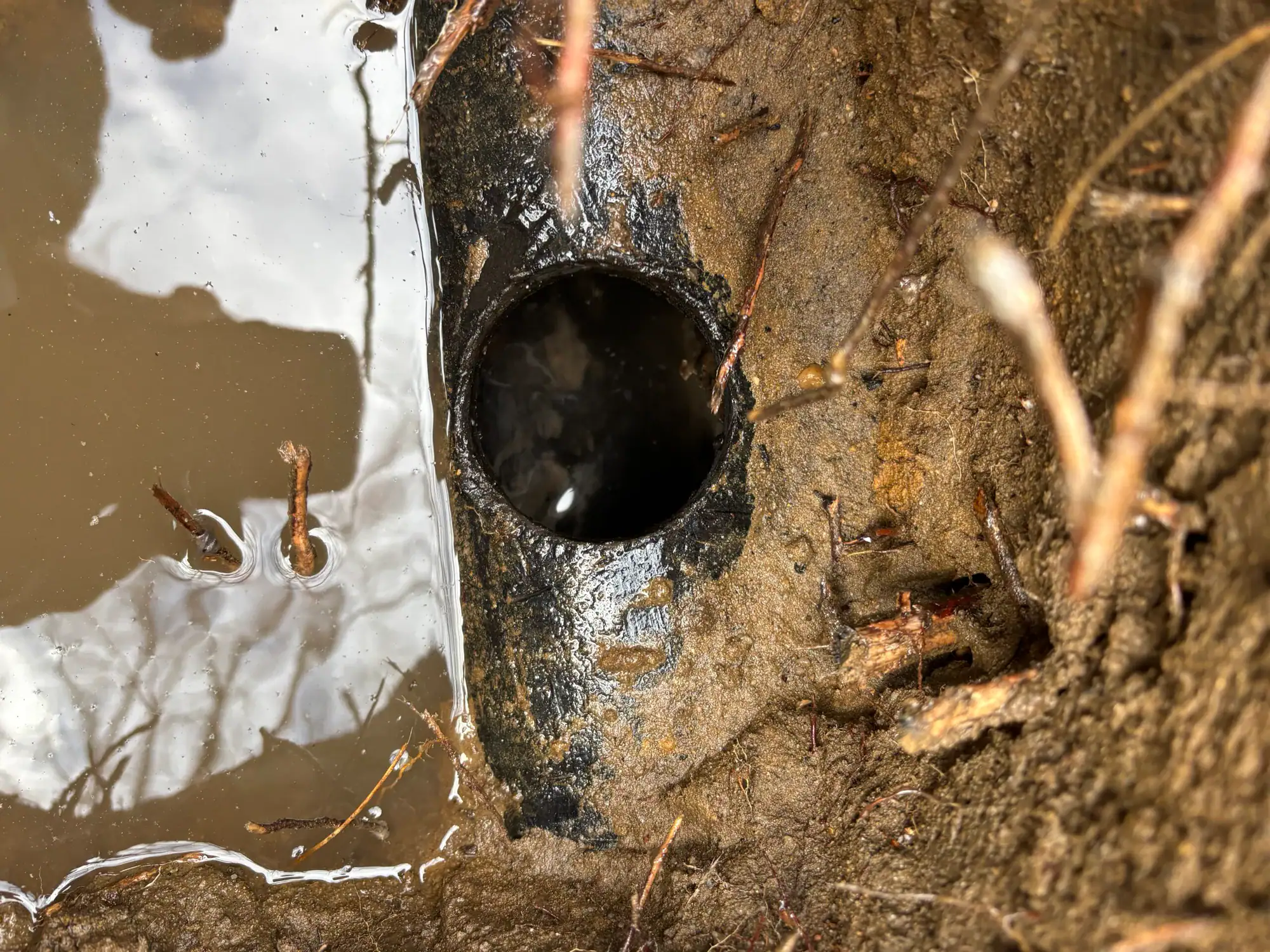
Understanding the septic pumping process helps Suffolk County homeowners know exactly what to expect during service calls and maintenance visits.
Most Suffolk County homeowners need septic pumping every 2-5 years, but your specific timeline depends on several factors. Household size plays the biggest role – a family of four typically needs service every 3 years, while smaller households might stretch it to 4-5 years.
Your tank size matters too. Larger tanks handle more waste before reaching capacity, while smaller systems fill up faster. Water usage patterns also affect timing – frequent laundry, long showers, and running dishwashers daily all contribute to faster tank filling.
The key is watching for warning signs rather than guessing. Your system will tell you when it’s time.
Your septic system sends clear signals when pumping time approaches. Slow drains throughout your home are often the first indicator – when multiple fixtures drain sluggishly, your tank is likely approaching capacity.
Foul odors around your property, especially near the tank location or drain field, signal that waste isn’t processing properly. You might notice these smells in your yard or even inside your home near drains and toilets.
Pooling water or unusually lush grass patches in your yard can indicate system overflow. When your tank reaches capacity, waste has nowhere to go except up and out, creating wet areas or feeding your lawn in unexpected ways.
Gurgling sounds from toilets and drains suggest air displacement as waste backs up in your system. These sounds often accompany slow drainage and indicate your tank needs immediate attention.
Sewage backups represent the most serious warning sign. If waste appears in your drains, toilets, or basement, your system has exceeded capacity and requires emergency pumping to prevent property damage and health hazards.
Don’t wait for multiple warning signs to appear. Acting on the first indicator saves money and prevents messy emergencies that disrupt your daily routine.
Several unique factors in Suffolk County influence how often your septic tank needs pumping. Soil composition affects drainage efficiency – sandy soils common in many areas drain quickly, while clay soils retain moisture and slow the natural filtration process.
Seasonal water table changes impact system performance. During heavy rain periods or snow melt, higher groundwater levels can interfere with your drain field’s ability to process effluent, potentially requiring more frequent pumping.
Household habits significantly affect pumping frequency. Excessive water use from inefficient appliances, long showers, or frequent loads of laundry fills your tank faster. Chemical usage also matters – harsh cleaners, bleach, and antibacterial products kill beneficial bacteria that break down waste naturally.
The age and condition of your system play important roles. Older systems without proper septic tanks preceding the cesspool require more frequent service. Systems with damaged baffles or inlet/outlet pipes don’t separate waste effectively, leading to faster accumulation.
Home occupancy changes affect timing too. Adding family members, hosting long-term guests, or running a home business increases waste production and water usage, shortening the time between pumping services.
Understanding these factors helps you anticipate your system’s needs and plan maintenance accordingly, preventing unexpected problems and costly emergency calls.
Want live answers?
Connect with a AAA Dependable Cesspool expert for fast, friendly support.
Professional septic pumping follows a systematic process designed to thoroughly clean your system while protecting your property. The entire procedure typically takes 1-2 hours, depending on tank size and accessibility.
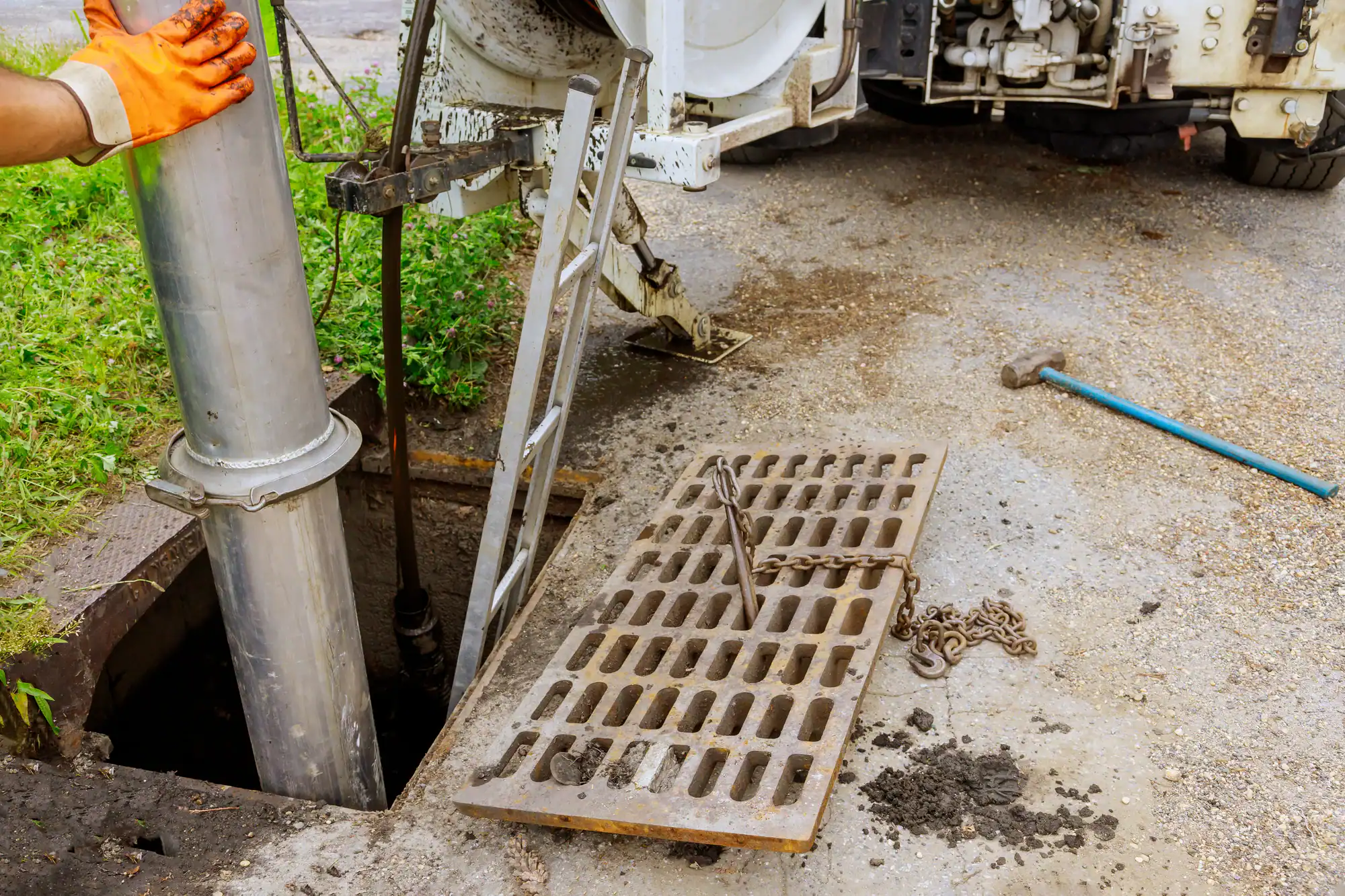
We arrive with specialized vacuum trucks equipped with powerful pumps and large storage tanks. We’ll locate your access ports, remove covers, and assess the tank’s condition before beginning the pumping process.
Our systematic approach ensures complete waste removal while allowing us to inspect your system for potential problems that could lead to future failures.
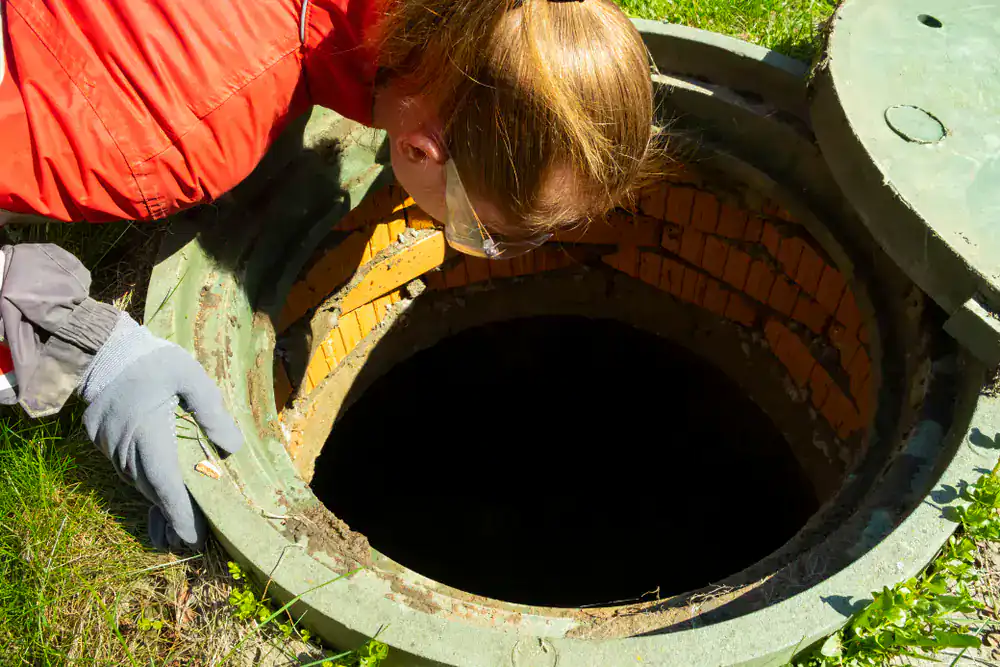
The pumping process begins with system assessment. We locate your tank’s access ports and remove the covers, typically concrete or plastic lids that provide entry to the tank interior. We measure sludge and scum levels using specialized tools to determine how much waste needs removal.
Next comes the actual pumping phase. A large hose connects the vacuum truck to your tank, creating powerful suction that removes all liquids, sludge, and floating scum. Our truck’s pump system can handle thousands of gallons, ensuring complete tank evacuation.
During pumping, we inspect your tank’s interior condition. We check for cracks in walls or floors, examine inlet and outlet baffles for damage, and assess the overall structural integrity. This inspection identifies potential problems before they cause system failure.
After waste removal, we may rinse the tank walls to remove stubborn residue and provide a cleaner environment for beneficial bacteria to reestablish. We also check the distribution box if your system includes one, ensuring proper waste flow to the drain field.
The final step involves replacing access covers and cleaning up the work area. We take care to minimize landscape disruption and leave your property clean. We’ll also provide recommendations for maintenance or repairs based on our inspection findings.
Throughout the process, we explain what we’re finding and answer questions about your system’s condition and maintenance needs.
Proper preparation makes the pumping process smoother and more efficient. Start by locating your septic tank and ensuring clear access for the service truck. Remove any obstacles like outdoor furniture, potted plants, or vehicles that might block the path to your tank.
Mark your tank’s location if covers aren’t visible. Many Suffolk County homes have tanks buried under several inches of soil or grass. Knowing the exact location saves time and prevents unnecessary digging or probing.
Clear vegetation around access covers. Overgrown grass, weeds, or small shrubs can hide covers and make removal difficult. Trimming back growth provides us with easy access and prevents delays.
Plan for temporary water restrictions during service. While pumping typically takes only 1-2 hours, avoid using water-intensive appliances like washing machines or dishwashers during the process. This prevents additional waste from entering the tank while it’s being serviced.
Secure pets and inform family members about the service schedule. Pumping trucks are large and noisy, which can startle animals or disrupt daily routines. Keeping pets indoors and planning around the service time ensures everyone’s safety and comfort.
Consider scheduling pumping during favorable weather when possible. While we work in all conditions, dry weather makes access easier and reduces the chance of muddy conditions around your tank area.
Having these preparations complete before we arrive helps ensure the most efficient service possible.
Understanding the septic pumping process removes uncertainty and helps you maintain your system proactively. Regular pumping every 2-5 years, depending on your household’s specific needs, prevents costly emergencies and extends your system’s lifespan.
Professional pumping involves more than just waste removal – it’s a comprehensive service that includes system inspection and maintenance recommendations. This thorough approach helps identify potential problems before they become expensive repairs.
When you need reliable septic pumping service in Suffolk County, AAA Dependable Cesspool Sewer & Drain brings over 15 years of experience to every job. Our systematic approach and commitment to customer education ensure you understand your system’s needs and feel confident in its ongoing performance.
Summary:
Article details:
Share: