Your complete guide to septic inspections for Suffolk County home sales, covering inspection requirements, costs, and what to expect.
Your dream home comes with a septic system, and that changes everything about your real estate transaction. Unlike properties connected to municipal sewer systems, septic-dependent homes require specialized inspections that can uncover costly surprises or provide the peace of mind you need to move forward confidently.
Whether you’re buying your first home with a septic system or selling a property you’ve maintained for years, understanding the inspection process protects your investment and prevents surprises at closing. Enrolling in professional maintenance programs can also demonstrate proper system care, giving buyers confidence and helping sellers avoid last-minute complications.
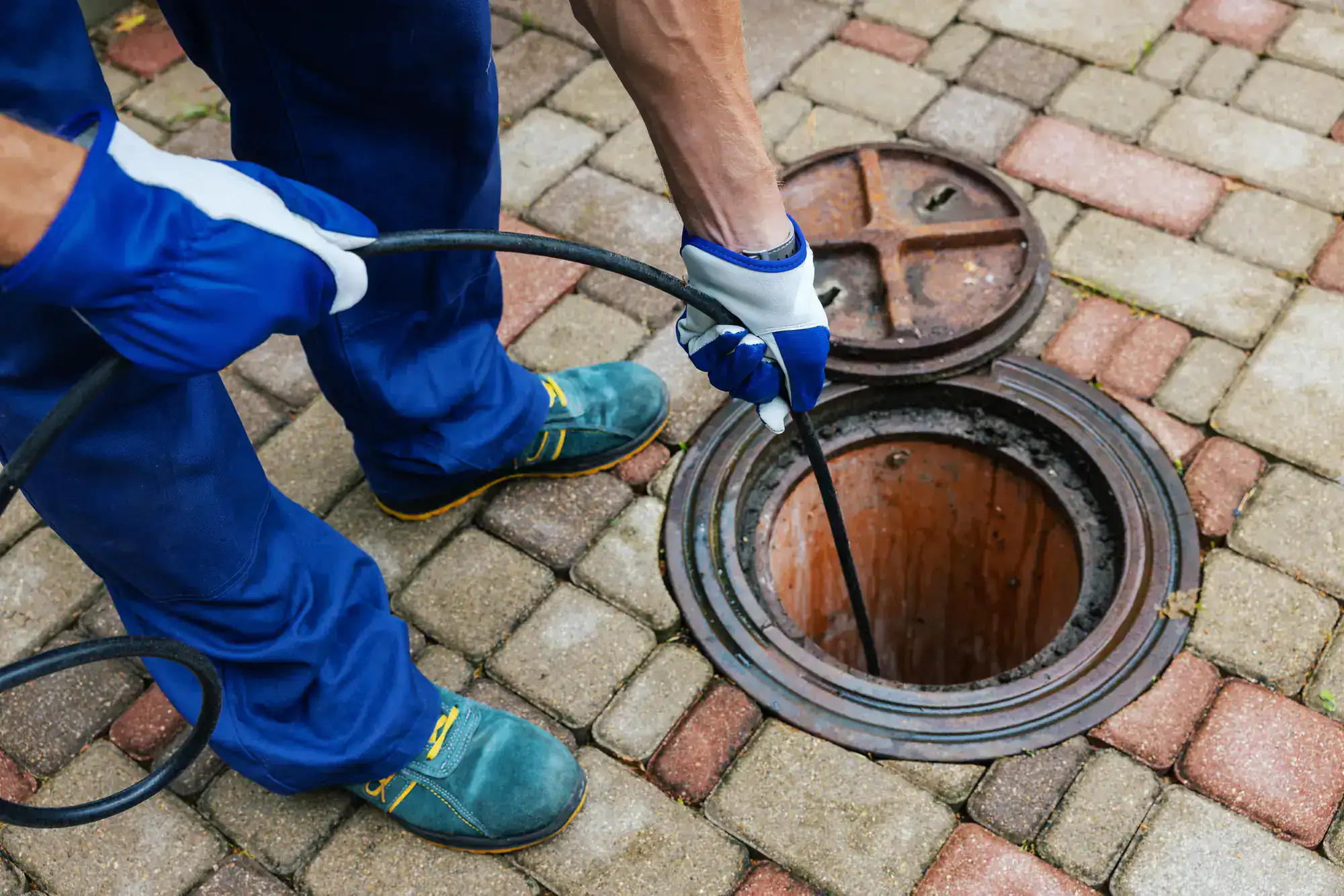
A comprehensive septic inspection goes far beyond a quick visual check. Professional inspectors examine your entire waste management system to identify current problems and predict future issues that could require significant repairs.
The inspection process typically takes 2-3 hours and covers every component from your home’s plumbing connections to the final drainage area. You’ll receive detailed documentation that satisfies lender requirements while giving you the information needed to make informed decisions about your property purchase or sale.
The septic tank inspection forms the heart of any comprehensive system evaluation. We measure sludge accumulation levels, which should never exceed one-third of the tank’s total capacity. When sludge levels climb too high, solid waste can flow into your drain field, causing damage that requires complete system replacement.
We also examine tank baffles, which control water flow and prevent solids from escaping the tank. Damaged or missing baffles allow untreated waste to contaminate your drain field, creating health hazards and environmental violations that Suffolk County takes seriously.
Tank size verification ensures the system matches your home’s bedroom count and usage requirements. Suffolk County regulations specify minimum tank capacities based on household size, and undersized tanks fail to provide adequate treatment time for wastewater. We confirm your tank meets current code requirements and can handle your family’s daily water usage without overflowing.
The structural integrity assessment identifies cracks, leaks, or deterioration that compromise system performance. Concrete tanks can develop hairline fractures that allow groundwater infiltration, while older steel tanks may show signs of corrosion that require immediate attention. These structural issues often worsen rapidly, making early detection crucial for preventing emergency failures during your ownership.
Your drain field represents a critical component of any septic system, and it’s where most catastrophic failures occur. We evaluate soil absorption capacity, drainage patterns, and signs of system overload that indicate impending problems. Suffolk County’s sandy soil conditions create unique challenges that require specialized knowledge to assess properly.
Standing water, unusual grass growth, or sewage odors around the drain field signal immediate problems requiring professional attention. These warning signs often appear months before complete system failure, giving you time to address issues through repairs rather than complete replacement.
Soil compaction from vehicles, landscaping, or construction activities reduces the drain field’s ability to absorb wastewater effectively. Long Island’s unique soil composition means that even minor compaction can cause significant drainage problems that worsen during wet weather. We identify these issues and recommend solutions that restore proper drainage function.
Distribution box evaluation ensures wastewater flows evenly across all drain field sections. A damaged or clogged distribution box forces all wastewater into one area, overwhelming that section while leaving other areas unused. This uneven distribution accelerates drain field failure and creates wet spots that violate health department regulations.
The inspection also includes checking separation distances from wells, property lines, and water bodies to ensure compliance with Suffolk County environmental protection requirements. Inadequate separation distances can contaminate drinking water supplies and create liability issues that affect property values and insurance coverage.
Want live answers?
Connect with a AAA Dependable Cesspool expert for fast, friendly support. [Get A Free Quote] Call: 631-738-7100
Want live answers?
Connect with a AAA Dependable Cesspool expert for fast, friendly support.
Suffolk County maintains strict septic system regulations that affect every real estate transaction involving properties with on-site wastewater treatment. Understanding these requirements helps you plan inspection timing and ensure compliance with local health department standards. This investment protects you from discovering problems that could require extensive repairs after closing.
Suffolk County requires specific documentation for septic systems involved in real estate transactions. Your inspection report must include detailed measurements, photographs, and compliance statements that satisfy both lender requirements and health department standards. Missing or incomplete documentation can delay closing and create legal complications that affect your transaction timeline.
The county’s environmental protection initiatives have created additional requirements for properties in sensitive areas. Homes near water bodies or in designated priority zones may require enhanced inspections that include groundwater monitoring and nitrogen reduction assessments. These requirements reflect Suffolk County’s commitment to protecting Long Island’s drinking water supplies from septic system contamination.
Recent regulatory changes require septic tank installation for properties that previously relied on older systems alone. If your property has an older setup, the inspection will determine whether upgrades are required during the sale process. Licensed inspectors must hold specific certifications and maintain continuing education requirements that ensure they understand current regulations and inspection standards. Working with properly licensed professionals protects you from invalid inspections that lenders or health departments may reject.
Pre-purchase septic inspections require careful scheduling to avoid delays that can jeopardize your real estate transaction. Most inspections take 2-3 hours to complete, but accessing buried components may require additional time and equipment. Planning ahead ensures your inspection fits within your contract timeline and provides results when you need them.
Basic visual inspections provide limited information about system condition and performance. Comprehensive inspections that include tank pumping, component testing, and detailed reporting offer the thorough evaluation needed for major real estate decisions. The thorough evaluation provides documentation that protects your purchase and satisfies lender requirements.
Suffolk County’s busy real estate market creates high demand for inspection services, especially during peak buying seasons. Scheduling your inspection early in the due diligence period provides flexibility. Additional testing for groundwater contamination, soil percolation rates, or system capacity may be necessary when initial inspections reveal potential problems or when properties are located in environmentally sensitive areas.
Your inspection report provides a roadmap for necessary improvements that help you navigate negotiations or determine whether to proceed with the transaction. Having this information before closing protects you from unexpected issues and gives you a clear understanding of the system’s status.
A thorough septic inspection protects your real estate investment and provides the documentation needed for smooth transactions. Understanding what inspectors examine and what Suffolk County requires helps you plan effectively and avoid surprises./p>
Whether you’re buying your first home with a septic system or selling a property you’ve maintained for years, professional inspection services give you the information needed to make confident decisions. The inspection process may seem complex, but working with experienced professionals familiar with Suffolk County’s unique requirements ensures you get accurate, reliable results.
When you need septic inspection services that understand both the technical requirements and real estate implications, we provide the local expertise and honest assessments that Suffolk County property owners trust for their most important transactions..
Summary:
Article details:
Share: