Suffolk County homeowners face expensive cesspool decisions. Get expert guidance on repair vs. replacement costs and available grant funding.

Your drains are backing up, there’s a foul smell in the yard, and you’re facing what feels like an impossible decision. The contractor who showed up is talking about a $25,000 cesspool replacement, but you’re wondering if there’s another option.
You’re not alone in this situation. Many homeowners face this exact scenario, often at the worst possible time. The truth is, not every cesspool problem requires a complete replacement. In many cases, professional cesspool repair can restore proper function without the massive price tag of a new installation.
Understanding when repair is viable versus when replacement is truly necessary can save you thousands of dollars and months of stress. Here’s what you need to know to make the right decision for your property and your budget.
The key to saving money lies in understanding what can actually be repaired. Many cesspool problems stem from specific component failures rather than complete system breakdown.
Common repairable issues include pipe damage between your house and cesspool, baffle failures within the system, and drainage problems caused by sludge buildup. These targeted problems often present with specific symptoms that experienced technicians can quickly identify.
The financial impact is significant. By scheduling proper maintenance and addressing repair issues early, you can prevent small problems from turning into major replacement scenarios. This approach has saved countless Suffolk County homeowners from premature system replacements.
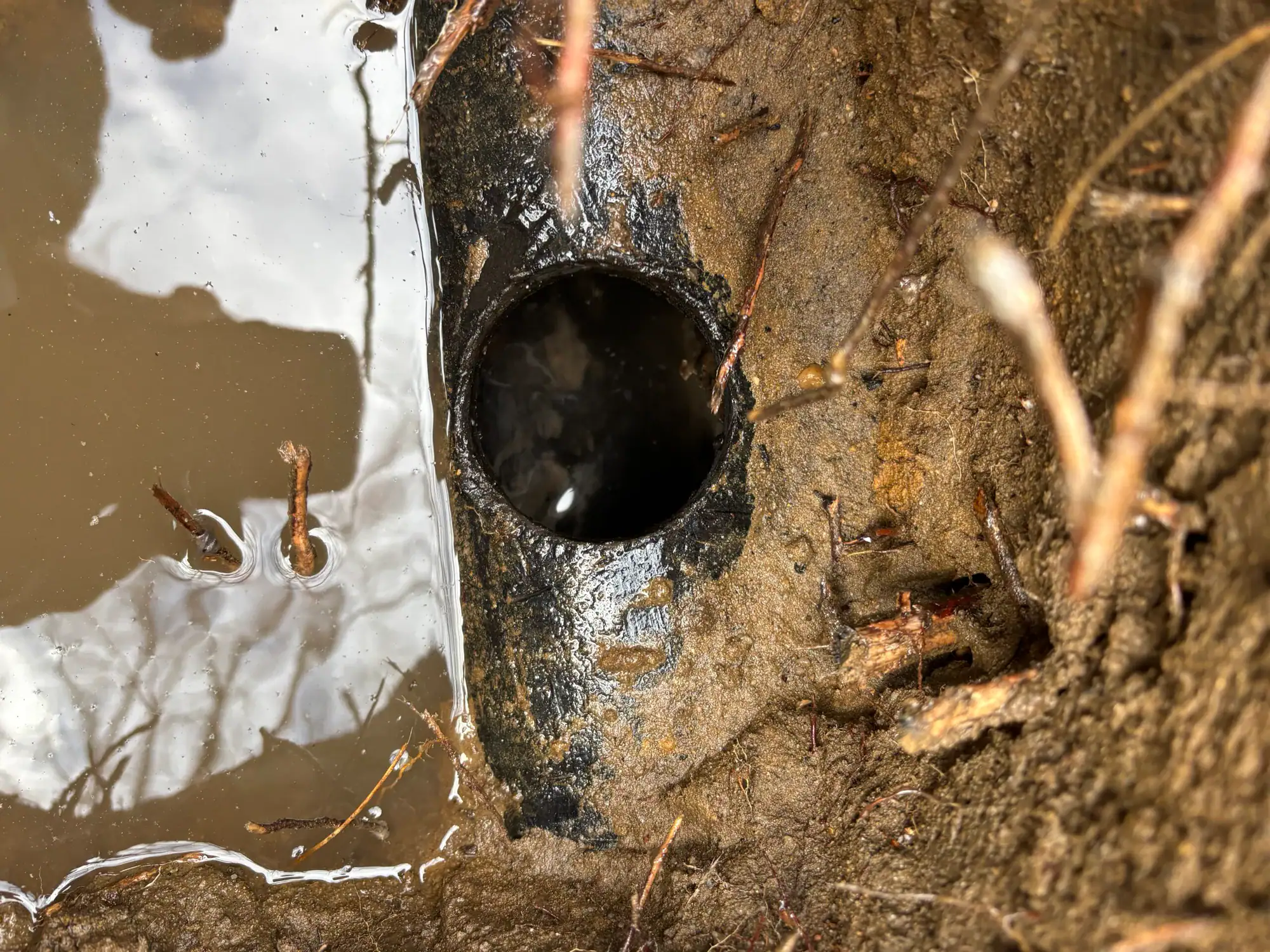
One of the most commonly misdiagnosed cesspool problems involves the connecting pipes between your house and the cesspool itself. When these lines fail—particularly older orangeburg pipes common in Suffolk County—the symptoms can mimic complete system failure.
The warning signs are unmistakable. You’ll notice sewage backing up into your basement, toilets overflowing during heavy usage, or wet, smelly areas in your yard where the pipe runs underground. Many homeowners panic when they see these symptoms, assuming their entire cesspool system has failed.
The reality is often much simpler and far less expensive. We can diagnose pipe failures quickly and replace damaged sections without touching your cesspool. This type of repair typically costs between $500-$3,000 depending on the length of pipe that needs replacement and accessibility.
What makes this particularly important in Suffolk County is that we understand local soil conditions and can often identify these issues during initial assessments. Rather than immediately recommending full system replacement, we’ll show you exactly what’s wrong and explain why a targeted repair will solve your problem.
The difference between a $1,500 pipe repair and a $25,000 system replacement is substantial. More importantly, pipe repairs can often be completed within a day, getting your system back online immediately rather than waiting weeks for permits and installation of a new system.
Baffles are critical components within your cesspool that separate solids from liquids, and when they fail, the entire system appears to be malfunctioning. This is one of the most misunderstood cesspool problems in Suffolk County, often leading to unnecessary replacement recommendations.
Understanding how your system works helps explain why baffle failure is so disruptive. Waste flows from your home into the septic tank, where organic solids float to the top and inorganic solids sink to the bottom. Natural bacteria convert organic solids to liquid, and the clear liquid between the solids and sludge layers should flow cleanly into the cesspool.
When baffles fail, this separation process breaks down completely. You’ll see immediate symptoms: slow drainage throughout your house, gurgling sounds from multiple fixtures, and potentially sewage odors both inside and outside your home. These symptoms—toilet overflows, slow drainage, odors inside or outside the home, wet surfaces on the lawn where the cesspool is located, water overflows when using the washer, and gurgling in tub and sink lines—often convince homeowners that their entire system needs replacement.
The repair process involves accessing the tank, clearing sludge from the baffles, and often replacing damaged baffle components. We can perform these repairs as part of regular maintenance, preventing the escalation into emergency situations.
Most importantly, baffle repairs are typically completed during routine maintenance visits. Suffolk County homeowners who maintain their systems every 3-5 years rarely face baffle failure emergencies. When baffles are repaired promptly, the system returns to normal operation immediately, avoiding the weeks of disruption associated with full system replacement.
Want live answers?
Connect with a AAA Dependable Cesspool expert for fast, friendly support.
Certain situations require complete system replacement rather than repair. Signs requiring new cesspool installation include frequent backups despite proper maintenance, standing water around the existing system, or failed percolation tests during property sales. Systems over 20 years old often fail environmental inspections and require replacement to meet current standards.
The most serious situation involves structural collapse. Cesspools that aren’t maintained properly or have been abandoned can become unstable and collapse, causing sinkholes. Falling into a collapsed or collapsing cesspool can cause serious injury or death.
Suffolk County’s regulatory environment also drives replacement decisions. Suffolk County banned traditional cesspool installation effective July 1, 2019, with 2024 updates strengthening enforcement while expanding support programs.
When you notice puddles in the area of your cesspool, this may indicate the system is over capacity, but it can also mean the cesspool is near collapsing. Cesspool collapse causes sinkholes and can endanger people and animals when it occurs.
If you suspect there’s a dangerous issue with your cesspool on Long Island, contact us immediately. The area should be roped off immediately, and only a qualified cesspool expert should attempt to go near the cesspool.
Cesspool systems made of concrete, cement block, or bricks can be destroyed by heavyweight vehicles driving over them, resulting in the release of raw sewage into the yard. When this happens, you face costly repairs or thousands of dollars in replacement.
Structural issues go beyond simple repairs because they involve the integrity of the entire containment system. Installing or removing a cesspool requires specialty contractors experienced in plumbing, electrical work, and heavy machinery operation. The safety concerns and financial liabilities that can arise from anything less than perfect installation are too great to take chances.
We can address problems caused by defective or collapsed cesspools, but complete structural failure requires full replacement to guarantee efficient operation and prevent pollution risks. The decision becomes less about cost and more about safety and legal compliance.
In Suffolk County, structural collapse often occurs in systems that are 30+ years old, particularly those that haven’t received regular maintenance. The combination of age, soil conditions, and deferred maintenance creates situations where repair is no longer viable.
The most significant development centers around enhanced enforcement and expansion of nitrogen-reducing system requirements, with new technologies that reduce nitrogen in residential wastewater by up to 70%. This isn’t just bureaucratic red tape—it’s about protecting Long Island’s sole-source aquifer that millions depend on for drinking water.
Suffolk County’s Subwatersheds Wastewater Plan requires properties within designated high-priority areas near shorelines to face earlier mandatory upgrade requirements. Any property transfer in certain areas may trigger required upgrades.
The New York State Department of Environmental Conservation has determined that conventional septic systems and cesspools on Long Island are considered failing since they are neither designed nor capable of removing significant amounts of nitrogen.
The financial impact of these regulations is substantial, but so are the available offsets. Nassau County offers grants up to $20,000 for homeowners, and Suffolk County provides a $10,000 grant, with an additional $5,000 for low to moderate income applications and $5,000 when a Pressurized Shallow Drainfield is required. In some cases, it may be possible to receive a combined $25,000 grant for septic systems on Long Island.
This changes the math completely. What looked like a $25,000 project could cost you $5,000 or less out of pocket. Understanding these programs is crucial for Suffolk County homeowners facing mandatory upgrades.
There’s no law forcing immediate replacement of existing cesspools if they’re functioning properly. However, Long Island is pushing homeowners toward modern septic systems to protect drinking water and coastal environments. The key is understanding when your system crosses the line from “functioning properly” to requiring upgrade.
Property sales often trigger these requirements. If you’re house hunting across Long Island, get specialized cesspool inspections beyond standard home inspections. We provide thorough inspections to determine system condition and compliance with local codes.
The difference between a $1,500 repair and a $25,000 replacement often comes down to accurate diagnosis and honest assessment. We provide free estimates so you can make informed decisions about repairs, understanding Long Island soil conditions and regulations better than out-of-town companies.
Three generations of serving Suffolk County means your satisfaction protects our local reputation. When you’re facing cesspool problems, you need contractors who understand that our local reputation depends on providing honest assessments rather than pushing unnecessary replacements.
If you’re dealing with cesspool issues in Suffolk County, don’t let emergency situations force poor decisions. Contact us for a thorough assessment that will help you understand exactly what your system needs and what options will save you the most money long-term.
Summary:
Article details:
Share: