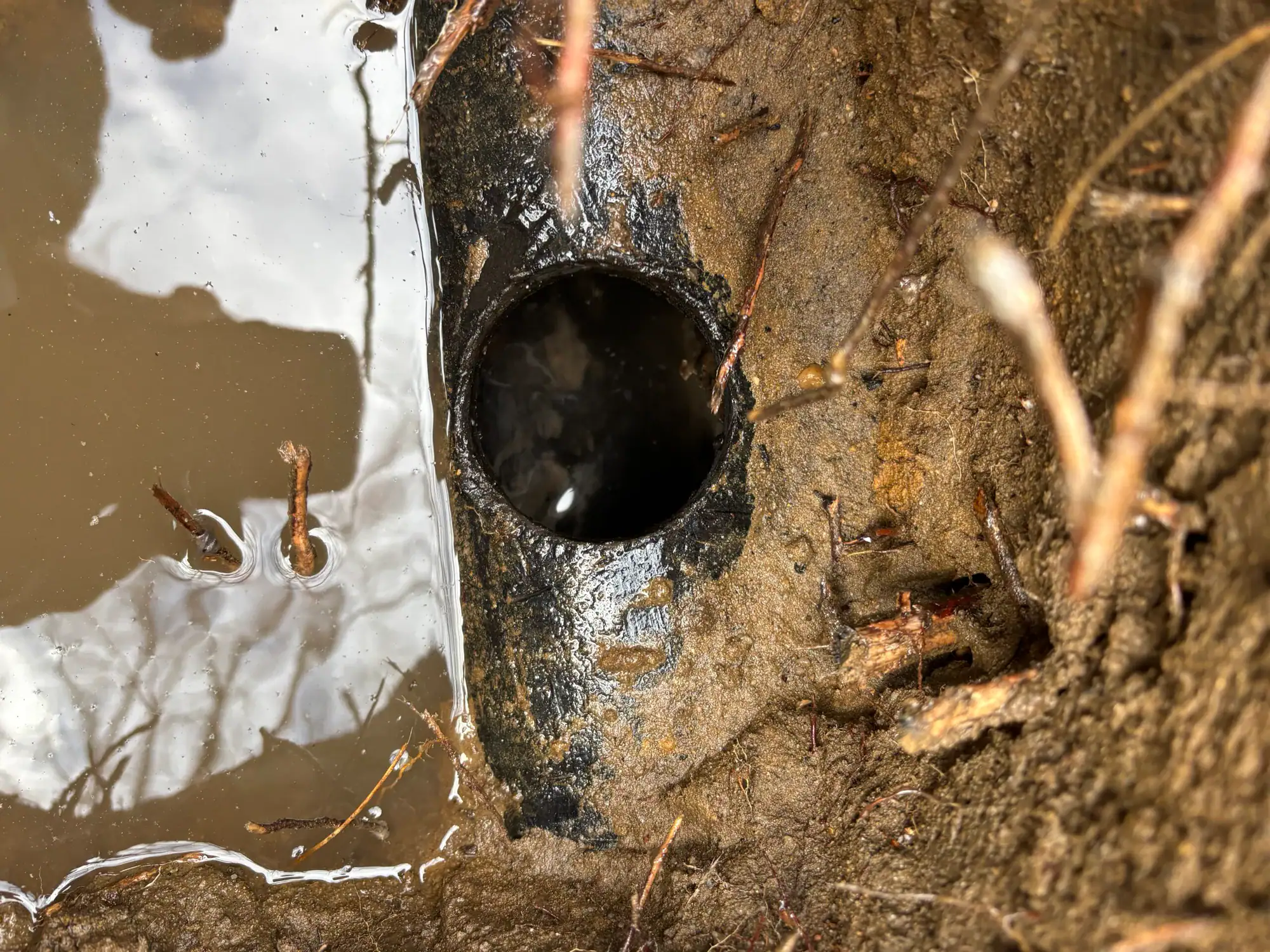
Everything Suffolk County homeowners need to know about cesspool pumping, maintenance schedules, and choosing reliable local service.

You probably don’t think much about your cesspool until something goes wrong. That gurgling sound from the drain, the slow-flushing toilet, or worse—the unmistakable smell that means trouble. By then, what could have been routine maintenance has become an emergency.
Here’s what every Suffolk County homeowner needs to know about cesspool pumping, maintenance schedules, and the warning signs that could save you thousands in repairs. Let’s start with understanding when your system actually needs attention.
The short answer: most Suffolk County homes need cesspool pumping every 2-3 years. But that’s just the starting point.
Your actual schedule depends on several factors. A single-person household might stretch to 3-4 years, while a family of four typically needs service every 1-2 years. Homes with garbage disposals, frequent entertaining, or heavy laundry loads fill up faster.
The key is understanding that your cesspool isn’t just a holding tank—it’s a working system. Solids settle at the bottom forming sludge, while grease and oils float to create a scum layer. When these layers get too thick, your system can’t function properly.
Your cesspool will tell you when it needs help—if you know what to look for. The most obvious warning signs include slow-draining sinks and toilets, foul odors around your property, and gurgling sounds from drains.
But here’s what many homeowners miss: unusually green or lush grass over the cesspool area. That’s not a good sign—it means liquid is seeping out and fertilizing your lawn with wastewater.
Pooling water near the cesspool location is another red flag. This could mean your system is overloaded or, worse, that structural damage is allowing waste to escape. Standing water isn’t just unsightly—it’s a health hazard that requires immediate professional attention.
The most serious warning is sewage backup into your home. If you see raw sewage coming from drains or toilets, stop using water immediately and call for emergency service. Once your system exceeds capacity, there’s nowhere for new waste to go except back through your pipes.
Don’t wait for these problems to resolve themselves. What starts as slow drainage can quickly escalate to thousands in damage and serious health risks for your family.
Professional cesspool pumping is more than just removing waste—it’s a comprehensive service that protects your investment. The process starts with locating and accessing your cesspool, which isn’t always straightforward in Suffolk County where systems can be buried under driveways or landscaping.
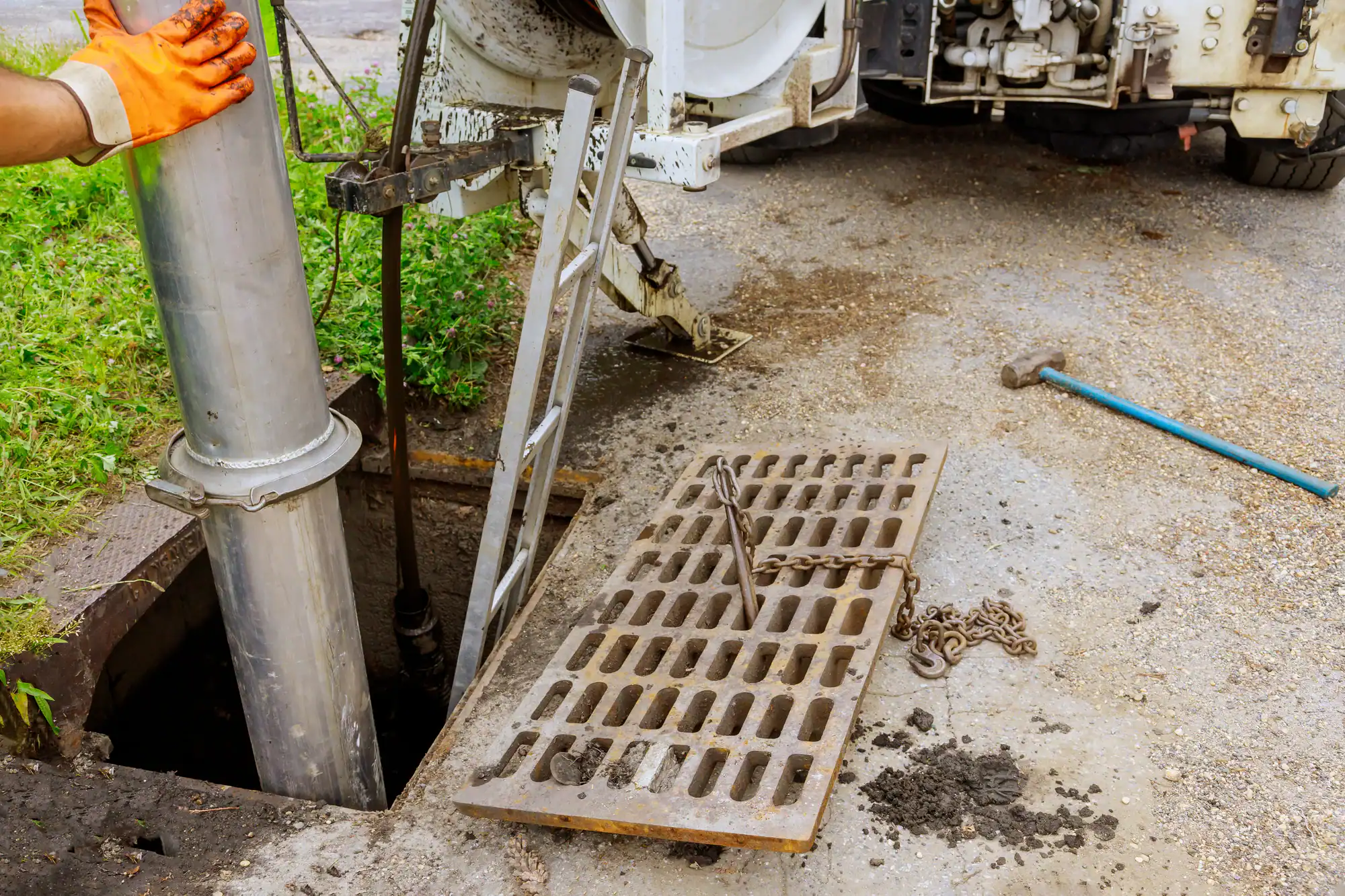
A state-of-the-art vacuum truck removes all wastewater and accumulated solids from the tank. This isn’t a quick pump-and-go job. Experienced technicians use specialized equipment to break up compacted sludge and ensure complete removal.
But here’s where quality service makes a difference: the inspection. While the tank is empty, professionals can spot cracks, structural damage, or signs of system failure. They’ll check inlet and outlet pipes, examine the tank walls, and assess overall condition.
We use camera inspections to provide visual proof of your system’s condition. This documentation isn’t just helpful—it’s often required for property transfers and permits in Suffolk County.
The entire process typically takes 30-60 minutes, depending on access and system size. We dispose of waste at approved treatment facilities, ensuring compliance with local environmental regulations. You’ll receive detailed records showing waste volumes removed and system condition—documentation that protects your property value.
Want live answers?
Connect with a AAA Dependable Cesspool expert for fast, friendly support.
Suffolk County has significantly tightened cesspool regulations in recent years, and these changes affect every homeowner. Since July 2019, you cannot replace an old cesspool with another cesspool—new installations must meet modern standards with septic tanks.
You’re not required to replace existing systems, but any voluntary replacement must include proper permits and documentation. The county now requires contractors to report all pumping and replacement activities to the Department of Health Services.
These regulations exist for good reason: protecting Long Island’s water quality. Suffolk County is one of the few areas in the country designated as a sole-source aquifer, meaning your drinking water comes entirely from groundwater.
The numbers tell the story: nitrogen pollution in Long Island’s aquifers increased 200% between 1987 and 2005. Much of this contamination comes from failing cesspools and septic systems that weren’t designed to remove nitrogen.
When your cesspool overflows or leaks, untreated wastewater carries harmful bacteria, nutrients, and chemicals directly into the ground. This contamination doesn’t stay put—it travels through soil into the aquifer that supplies your drinking water.
The environmental impact extends beyond groundwater. Excess nitrogen creates harmful algae blooms in bays and harbors, leading to fish kills and beach closures. The economic impact affects property values, tourism, and local fishing industries.
Suffolk County’s response has been comprehensive: the Septic Improvement Program offers grants for system upgrades, new construction must use nitrogen-reducing systems, and regular maintenance is more important than ever.
For homeowners, this means proper cesspool maintenance isn’t just about avoiding backups—it’s about protecting the environment your family depends on. Regular pumping prevents overflows that contribute to contamination and ensures your system operates as designed.
Not all cesspool services are created equal, especially in Suffolk County’s competitive market. The difference between a good experience and a nightmare often comes down to choosing the right company.
Start with local expertise. Suffolk County has unique soil conditions and specific regulations that out-of-area companies may not understand. Family-owned businesses with decades of local experience know how to navigate these challenges.
Look for transparency in pricing and service. Reputable companies provide upfront estimates, explain what they’re doing, and don’t pressure you into unnecessary services. They’ll take time to educate you about your system and help you develop a maintenance schedule that makes sense for your household.
Customer reviews reveal a lot about service quality. Look for consistent themes: do customers mention honesty, reliability, and fair pricing? Are technicians described as professional and knowledgeable? Do they clean up after themselves and respect your property?
Licensing and insurance are non-negotiable. Any company handling wastewater must be properly licensed by Suffolk County and carry adequate insurance. Don’t be afraid to ask for proof—legitimate companies are proud to show their credentials.
Emergency availability matters. Cesspool problems don’t follow business hours, and the best companies offer 24/7 emergency service. When you’re dealing with sewage backup, you need help immediately, not next week.
Finally, consider community involvement. Companies that support local organizations, offer discounts to military and seniors, and invest in the community are more likely to provide dependable long-term service.
Your cesspool is one of your home’s most important systems, yet it’s often the most neglected. Regular pumping every 2-3 years prevents emergencies, protects your property value, and keeps your family safe from health hazards.
Understanding warning signs like slow drains, foul odors, and pooling water helps you catch problems before they become disasters. Professional service includes thorough inspection and proper documentation—both increasingly important under Suffolk County’s updated regulations.
The investment in quality cesspool maintenance pays dividends in avoided repairs, environmental protection, and peace of mind. When you need dependable service, choose a local company with the expertise and integrity to do the job right. We’ve been serving Suffolk County homeowners with honest, reliable service for over 25 years.
Summary:
Article details:
Share: