
Your cesspool gives warning signs before complete failure. Recognize these 5 critical indicators to avoid expensive emergency repairs in Suffolk County.
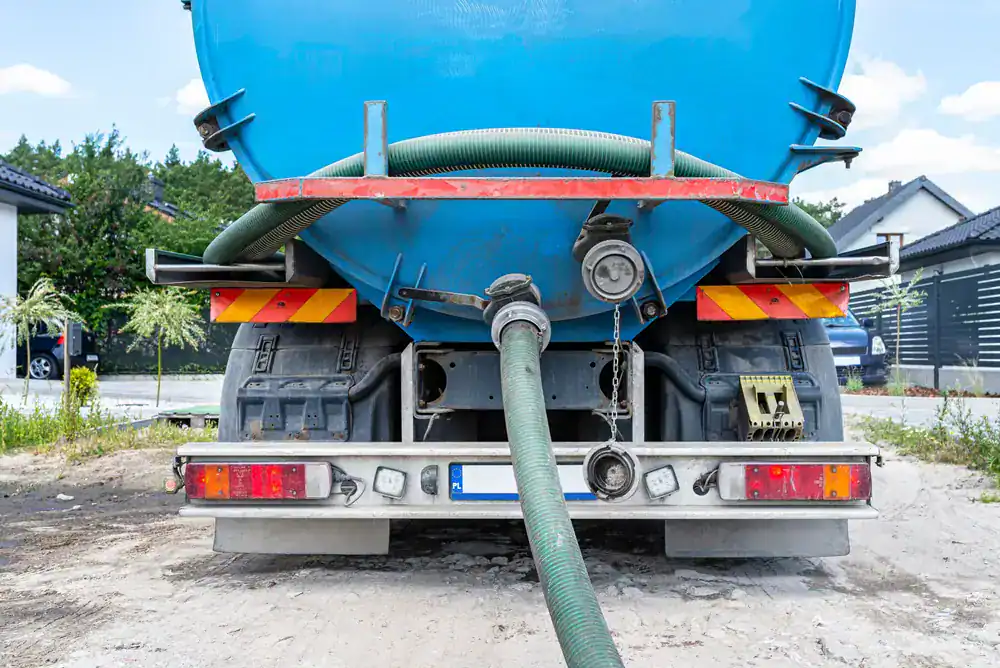
Your cesspool doesn’t fail without warning. The signs show up as unpleasant odors, slow drainage, water in the basement and gurgling sounds—and they’re telling you something important.
Most homeowners ignore these early signals until they’re facing a full backup crisis. But catching these warning signs early saves you thousands in emergency repairs and keeps your family safe from health hazards. If you notice these symptoms, it may be time to schedule professional cesspool pumping before the problem escalates. Here’s exactly what to watch for and when it’s time to pick up the phone.
When you actually see raw sewage coming out of any drains or toilets in your Suffolk County home, you’ve got a serious problem. This isn’t a “wait until Monday” situation.
Once your septic tank exceeds its capacity, there’s no room for new waste. The sewage works its way back through connected pipes to your drains and toilets. A cesspool backup isn’t only gross—it can be extremely dangerous and cause costly property damage.
When sewage backs up into your home, your cesspool has reached maximum capacity and can’t handle another drop. This typically occurs when the cesspool is completely full, and the waste has nowhere else to go except back through your plumbing.
The backup creates immediate health risks from exposure to harmful bacteria and pathogens. Fast action stops health risks and property damage, but only if you respond immediately. Every minute you wait allows contaminated water to spread further through your home.
With almost 75% of Suffolk County households using cesspools, this emergency is more common than most homeowners realize. The older your system, the higher your risk—especially if you’ve skipped regular maintenance. Don’t attempt to use any water fixtures until professional help arrives. Stop using any water-consuming appliances and call a professional to assess the situation.
We can typically resolve most backup emergencies within hours using specialized pumping equipment. Our rapid response team can fix most cesspool issues in a few hours using special trucks and tools to pump out waste and repair damage. The key is calling immediately rather than hoping the problem resolves itself.
Your first response determines how much damage occurs to your property and how quickly you can restore normal function. Immediately stop using any water-consuming appliances such as washing machines and dishwashers to prevent making the backup worse.
Keep family members and pets away from affected areas until professionals can assess the contamination level. Raw sewage contains dangerous bacteria that can cause serious illness through skin contact or inhalation. Document the damage with photos for insurance purposes, but don’t attempt cleanup until the source problem is resolved.
Contact an emergency cesspool service immediately. We answer emergency cesspool pumping calls live 24/7, 365 days per year. We offer same-day emergency response because we understand the urgency of sewage backups in Suffolk County.
Our emergency services can often reach you within an hour or two, bringing special tools to quickly find and fix the problem. Professional cleanup may be necessary after the cesspool issue is resolved, especially if sewage has spread to living areas. Don’t use bleach or harsh chemicals on sewage cleanup—these can create dangerous gas combinations and don’t properly sanitize the area.
The faster you respond, the less damage occurs to your home’s structure, flooring, and personal belongings. Quick service stops sewage from spreading, protects your family’s health and property, and prevents bigger, more costly problems later.
Want live answers?
Connect with a AAA Dependable Cesspool expert for fast, friendly support.
If you notice foul-smelling odors lingering around your Suffolk County property, especially near drains or septic tank area, it could indicate a cesspool problem. These aren’t the occasional odors you might expect—they’re persistent, strong, and getting worse over time.
The presence of foul odors emanating from where your cesspool is buried indicates buildup of waste materials that need prompt removal to restore a healthy, odor-free environment.
Cesspool odors develop when your system becomes overloaded with solid waste and can’t process new material efficiently. The common consequences of a neglected cesspool include buildup of debris and solids on the bottom of the tank, clogged lines, and very bad odor that emanates into the yard, house, and neighborhood.
As waste accumulates beyond normal levels, anaerobic bacteria produce hydrogen sulfide and other gases that create the characteristic “rotten egg” smell. These gases find their way to the surface through soil cracks, damaged covers, or backed-up drain lines. The stronger the odor, the more serious your cesspool’s condition has become.
Weather conditions can make odors more noticeable. Hot, humid Suffolk County summers intensify smells, while rain can cause saturated soil to push gases upward more aggressively. Persistent foul odors around your property, especially near the cesspool location, indicate your system needs immediate attention.
Don’t mask odors with air fresheners or assume they’ll disappear on their own. Nasty odors accumulated from water after bathing or washing is a sign homeowners need to watch for, especially when water backs up in other drains due to solid waste buildup. The smell is your cesspool’s way of telling you it’s struggling to function properly and needs professional intervention.
Not all cesspool odors represent the same level of urgency, but persistent smells near your home require immediate attention. Strong, unpleasant smells emanating from the area can indicate contamination and pose serious health hazards. These gases can cause headaches, nausea, and respiratory problems with prolonged exposure.
Children and elderly family members are particularly vulnerable to cesspool gas exposure. Contamination can be a serious health hazard, causing illness and even death in extreme cases. If family members experience unexplained illness symptoms alongside persistent cesspool odors, seek medical attention and emergency cesspool service immediately.
Bad smells, slow draining, or gurgling sounds from pipes are warning signs, and wet spots or standing water in your yard could mean your cesspool is overflowing. When multiple warning signs appear together, your system is likely approaching complete failure.
Professional assessment becomes critical when odors persist despite attempts to locate and eliminate the source. We use state-of-the-art equipment to thoroughly examine systems, identifying issues such as blockages, leaks, or structural damage with precision through non-invasive methods.
Don’t wait for odors to worsen or spread to neighboring properties. Signs you need service include slow drains, bad smells, and wet spots in your yard. Don’t ignore these warnings—quick action can save you money and hassle. Early intervention prevents minor odor problems from becoming major health hazards and expensive emergency repairs.
Regular cleaning and professional service keep small problems small and avoid the nightmare scenarios that turn simple maintenance issues into thousands in property damage. The warning signs we’ve covered—sewage backups, persistent odors, slow drains, gurgling sounds, and wet spots—all escalate quickly without professional intervention.
Property owners who skip maintenance face backup problems, soil contamination, and significant repair bills, while maintenance service costs a fraction of emergency repairs. When you spot these warning signs, you’re still in control of the situation and costs.
For Suffolk County homeowners experiencing any of these warning signs, contact us immediately for professional assessment and service.
Summary:
Article details:
Share: