
Hear From Our Clients

When your drains back up or slow to a crawl, you’re not just dealing with an inconvenience. You’re looking at potential property damage, health hazards, and the stress of not knowing when it’ll happen again.
Sewer jetting changes that. High-pressure water at 4,000 PSI doesn’t just punch through clogs—it scours every inch of your pipe walls clean. Grease that’s been building up for years gets blasted away. Tree roots that have been slowly strangling your lines get completely removed.
The result? Water flows the way it should. Your drains work reliably. And you get back to your life without worrying about the next backup.
We’ve been solving sewer problems for St. James families for over 25 years. We’re not some corporate chain—we’re your neighbors, living and working right here in Suffolk County.
We’ve built our reputation on straight talk and honest work. No overselling services you don’t need. No surprise charges after the job’s done. We use the most affordable method first and explain exactly what’s happening with your system.
With over 325 five-star reviews and full licensing through Suffolk County Consumer Affairs, we’ve proven we can handle whatever your pipes throw at us. From emergency calls to routine maintenance, we show up ready to solve the problem right.

The process starts with a camera inspection to see exactly what’s blocking your lines and assess any damage. This isn’t guesswork—we need to know what we’re dealing with before bringing in the heavy equipment.
Next comes the setup. We locate your system’s cleanout access point and position the hydro jetting equipment. The specialized hose gets inserted into your lines, and water pressure gets adjusted based on your pipe type and the severity of the blockage.
Then the real work begins. High-pressure water streams blast through your pipes at up to 4,000 PSI, creating a powerful cone of spray that flushes out roots, debris, grease, and years of buildup. The water doesn’t just break through clogs—it scrapes your pipe walls completely clean, removing everything that’s been restricting flow.
A final camera check confirms your lines are flowing properly and the job is complete.

Ready to get started?
Sewer jetting handles the problems that basic drain cleaning can’t touch. In St. James, where older homes deal with mature tree systems and hard water deposits, regular snaking often provides only temporary relief.
Hydro jetting is different. It’s effective against the most common local issues: tree roots working into sewer lines, grease buildup from kitchen drains, and mineral deposits from hard water. The high-pressure water completely removes these obstructions instead of just poking holes through them.
The service works for both emergency situations and preventive maintenance. Many St. James homeowners schedule regular jetting to avoid the mess and expense of sewer backups. It’s particularly valuable for homes with mature landscaping, where root intrusion is an ongoing concern, and for properties that have experienced repeated clogs despite regular maintenance.
Unlike chemical drain cleaners that can damage pipes over time, hydro jetting is safe for your plumbing system while being tough on blockages.
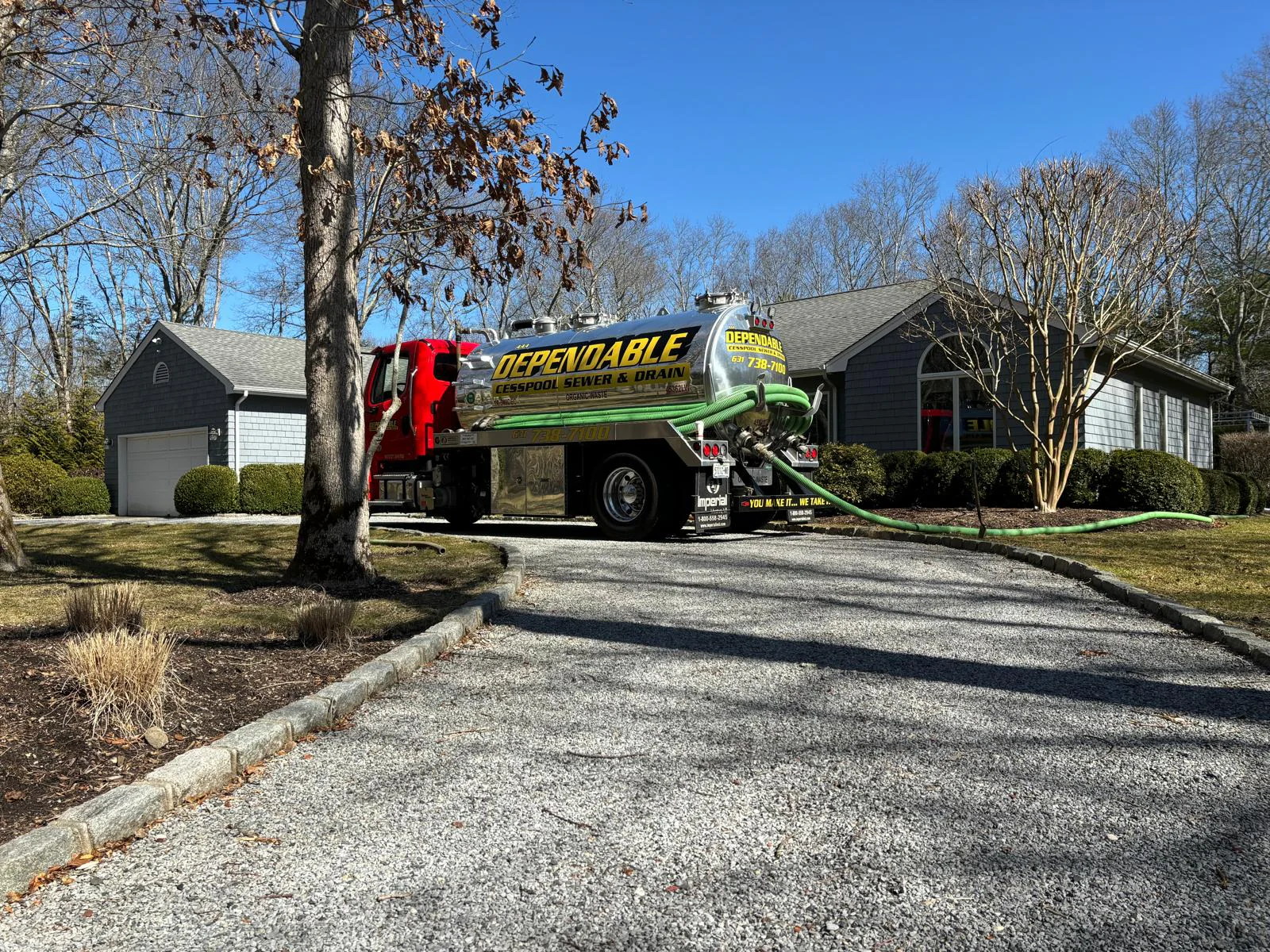
Sewer jetting in the St. James area varies based on the severity of the blockage and the length of pipe that needs cleaning.
The final cost depends on factors like pipe diameter, accessibility, and how extensive the cleaning needs to be. A simple blockage in easily accessible lines costs less than clearing years of buildup from a complex system. We provide upfront pricing before starting work, so you know exactly what you’ll pay with no surprise charges.
Many homeowners find that investing in professional jetting saves money long-term by preventing repeated service calls and avoiding the property damage that comes with sewer backups.
Snaking and rooter services punch holes through clogs, but they leave most of the buildup behind. It’s like poking a straw through a clogged pipe—water might flow temporarily, but the underlying problem remains.
Hydro jetting completely removes the obstruction. High-pressure water scrapes your pipe walls clean, removing grease, roots, mineral deposits, and debris that’s been accumulating for years. Instead of just creating a small opening, you get the full diameter of your pipe restored.
The results last much longer. While snaking might give you a few months of relief, proper hydro jetting can keep your lines clear for years. For St. James homes dealing with tree root intrusion or heavy grease buildup, jetting is often the only method that provides a lasting solution.
Professional hydro jetting is safe for most pipe materials when performed correctly. The key is having experienced technicians who understand how to adjust water pressure based on your specific pipe type and condition.
Before jetting begins, a camera inspection reveals the condition of your pipes. If there are cracks, breaks, or severely deteriorated sections, these issues get addressed first. The water pressure then gets adjusted to levels that are effective for cleaning but safe for your particular system.
Modern jetting equipment has multiple pressure settings and specialized nozzles designed for different pipe materials. What’s not safe is attempting DIY jetting or hiring inexperienced operators who might use excessive pressure. That’s why working with licensed, experienced professionals like us is essential—we have the knowledge and equipment to clean your pipes thoroughly without causing damage.
Most St. James homeowners benefit from professional sewer jetting every 2-3 years as preventive maintenance. However, the frequency depends on your specific situation and local factors.
Homes with mature trees nearby may need more frequent service due to root intrusion. Properties that have experienced repeated clogs or slow drains should consider annual jetting. Commercial kitchens and restaurants typically need quarterly service due to heavy grease production.
If you’re dealing with hard water, have an older plumbing system, or use a garbage disposal frequently, you might need service on the shorter end of that range. The best approach is to have your system evaluated after the first jetting service—we can recommend a maintenance schedule based on what we find in your specific pipes.
Yes, hydro jetting is highly effective against tree root intrusion, which is a common problem in St. James due to the area’s mature landscaping. The high-pressure water cuts through roots and flushes them completely out of your sewer lines.
Unlike snaking, which might cut roots but leave root fragments behind, jetting removes the entire root mass. This provides longer-lasting results and helps prevent quick regrowth. The powerful water stream also clears the small root hairs and debris that often get left behind with other methods.
For severe root problems, jetting might be combined with root-cutting tools for the most effective treatment. After the roots are removed, many homeowners choose regular maintenance jetting to prevent future root intrusion before it becomes a major blockage. This proactive approach is particularly valuable for properties with large trees near sewer lines.
The service starts with a camera inspection to identify the location and type of blockage in your sewer lines. This lets us choose the right approach and water pressure for your specific situation.
Next, we’ll locate your cleanout access point and set up the hydro jetting equipment. You’ll hear the equipment running, but the process is typically completed within 1-3 hours depending on the extent of cleaning needed. We monitor the process and may perform multiple passes to ensure complete cleaning.
After jetting is complete, a final camera inspection confirms that your lines are flowing properly and the blockage is completely removed. You’ll see immediate results—water draining quickly and smoothly. We’ll also provide recommendations for maintaining your system and preventing future problems.
Other Services we provide in St. James