Hear From Our Clients

You’re not looking for someone to tell you what you want to hear. You need someone who’ll tell you what’s actually happening with your septic system. Our inspections give you the real picture – what’s working, what isn’t, and what needs attention before it becomes a crisis.
When your septic system is functioning properly, you don’t think about it. That’s exactly how it should stay. Our comprehensive inspections catch the small issues that turn into big headaches, giving you time to plan and budget instead of scrambling during an emergency.
Whether you’re buying, selling, or just want to know where you stand, you’ll walk away with clear answers and a roadmap for keeping your system running smoothly for years to come.
AAA Dependable Cesspool has been serving West Hills and Suffolk County since 1998. We understand the unique challenges of septic systems in this area – from the soil conditions that affect drainage to the strict county regulations that homeowners must navigate.
As a family-owned business, we’ve built our reputation on honest assessments and transparent communication. No overselling, no scare tactics, just straightforward information that helps you make informed decisions about your property.
Our team knows West Hills’ neighborhoods, understands the local regulatory environment, and has seen how different system types perform in this specific area over decades of service.

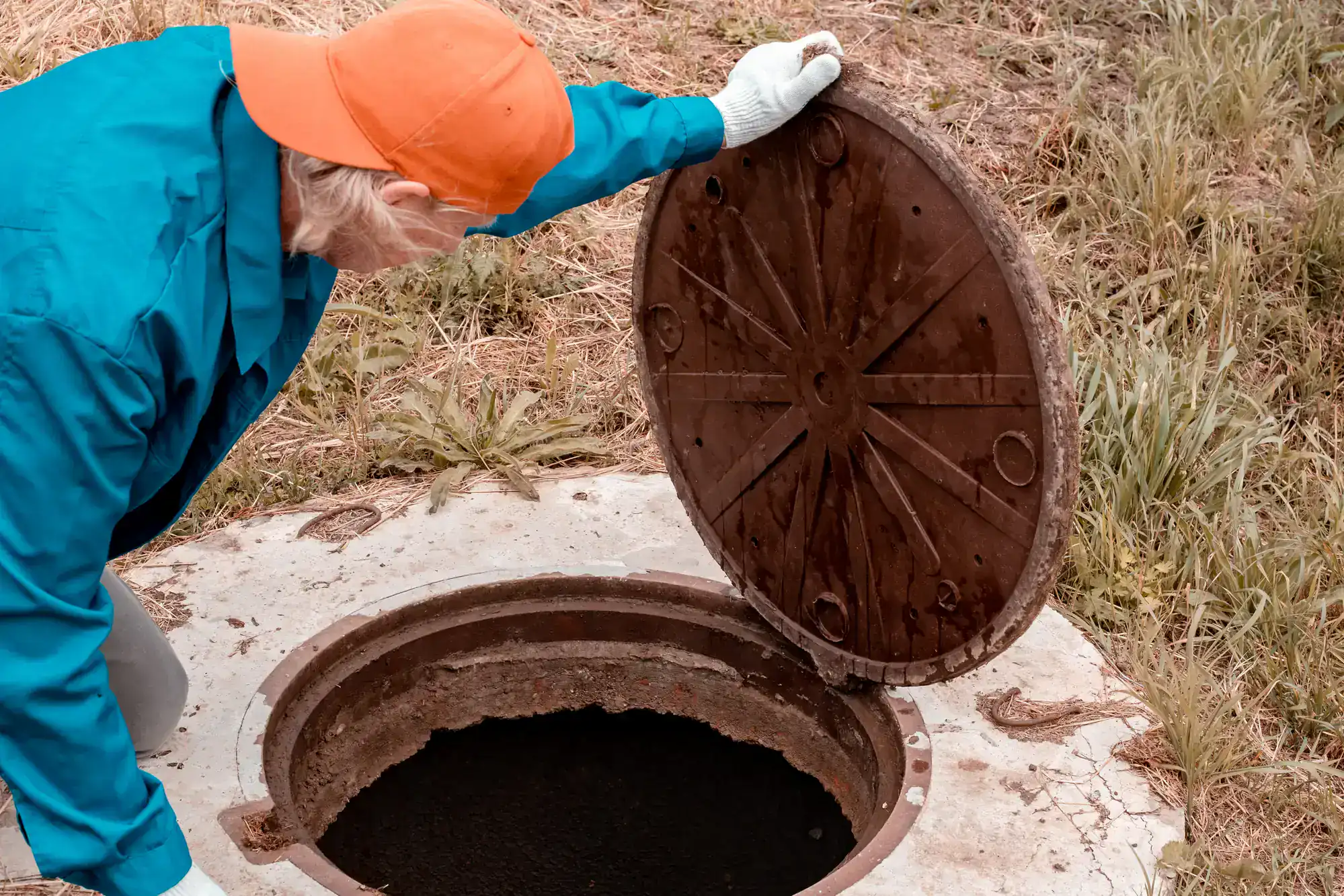
The inspection starts with a review of your system’s history and any available documentation. We locate all system components – tank, distribution box, and leach field – using the most efficient methods to minimize disruption to your property.
Next comes the physical inspection. We’ll examine the tank’s condition, check water levels, inspect baffles and filters, and evaluate the overall structural integrity. The leach field gets tested for proper drainage and signs of failure like standing water or biomat buildup.
You’ll receive a detailed written report within 24 hours that explains exactly what was found, what it means for your system’s performance, and any recommended actions. If repairs are needed, you’ll get realistic timelines and cost estimates so you can plan accordingly.

Ready to get started?
Suffolk County requires septic system inspections every three years, with reports submitted to the health department. These aren’t just bureaucratic requirements – they’re designed to protect the groundwater that supplies drinking water to the entire region.
In West Hills, many properties built before current regulations may need upgrades to meet today’s standards. The good news is that Suffolk County offers grants for qualifying system improvements, making upgrades more affordable than many homeowners realize.
Real estate transactions often trigger additional inspection requirements. Mortgage lenders frequently require septic evaluations before approving loans, and buyers want assurance that they’re not inheriting expensive problems. Having a current inspection report removes uncertainty from the process and can actually speed up closing.
Suffolk County requires septic system inspections every three years for all residential properties. This isn’t just a suggestion – it’s mandatory, and you must submit the inspection report to the county health department.
However, you might need inspections more frequently depending on your situation. If you’re buying or selling a home, most mortgage lenders require a current inspection. Some lenders want reports that are less than a year old, while others accept reports up to two years old.
If you’ve had system problems or repairs, an inspection can verify that everything is working properly. It’s also smart to get an inspection if you notice any warning signs like slow drains, odors, or wet spots in your yard.
A standard septic inspection in West Hills typically varies depending on the size and complexity of your system. This includes the visual inspection, testing, and written report.
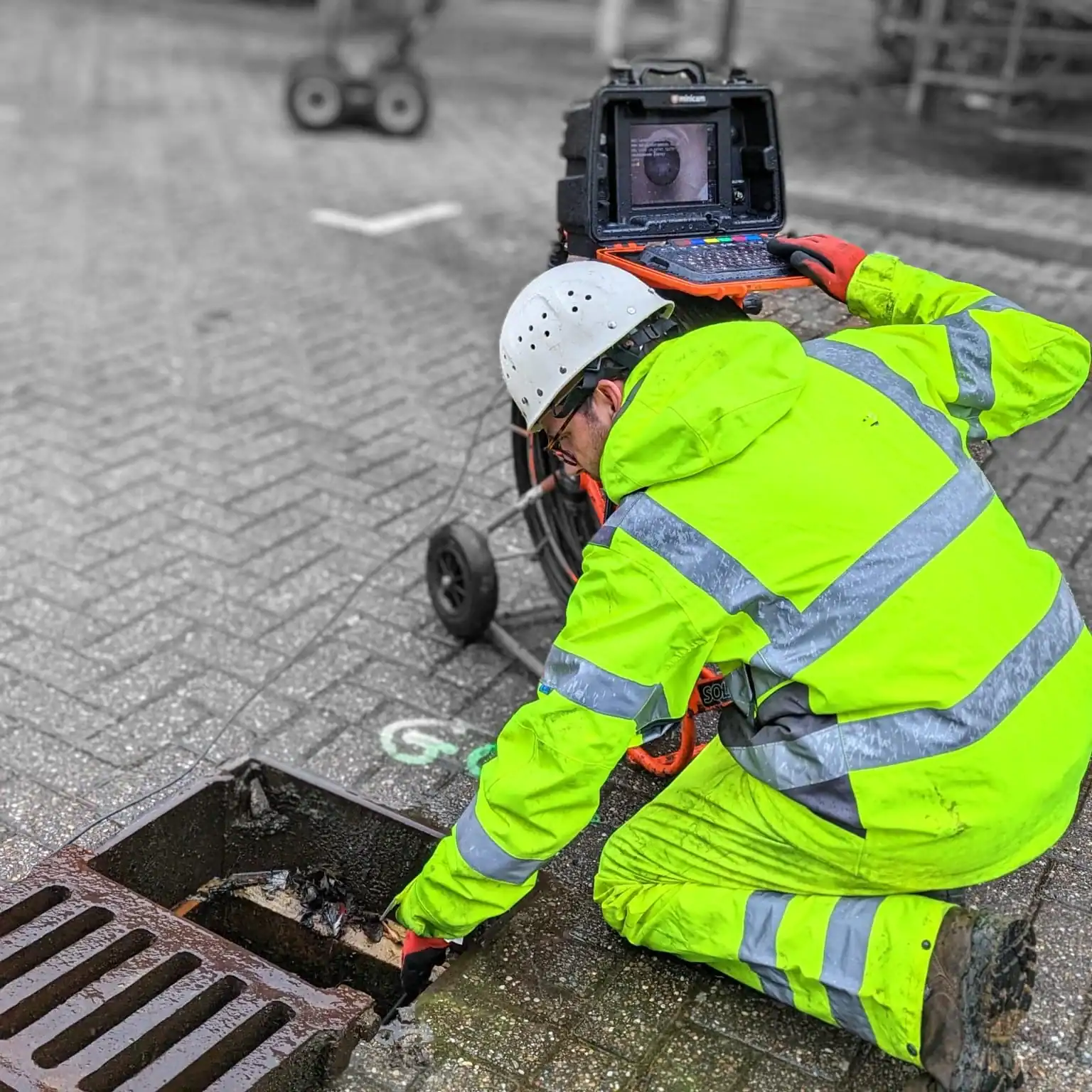
Additional services such as camera inspections of pipes or evaluations of the distribution box may be included depending on the inspection requirements. If your tank needs pumping as part of the inspection process, that may be required in addition to the standard inspection service.
While the upfront cost might seem significant, it’s minimal compared to the thousands you could spend on emergency repairs or system replacement. Most homeowners find that catching problems early through regular inspections saves them substantial money in the long run.
Yes, you can still sell your house with a failed septic inspection, but it will affect the process and potentially the sale price. New York law requires disclosure of known septic system problems to potential buyers.
Many buyers will want the system repaired before closing, or they’ll negotiate a lower purchase price to cover the repair costs. Some buyers might walk away entirely, especially if the repairs are extensive or expensive.
The best approach is usually to get the inspection done early in the selling process. If problems are found, you can either fix them before listing or price the home accordingly. Having a clear understanding of what needs to be done eliminates uncertainty for buyers and can actually help the sale move forward more smoothly.
A failed inspection doesn’t mean your system is beyond repair. The inspection report will detail exactly what problems were found and what needs to be addressed to bring the system into compliance.
Common issues include damaged baffles, clogged filters, or problems with the distribution box – many of which are relatively inexpensive to fix. More serious problems like leach field failure or tank structural damage require more extensive work but are still manageable with proper planning.
Suffolk County offers grants for qualifying system improvements, and additional funding may be available through state programs. The inspection report helps you understand your options and plan the most cost-effective approach to getting your system back in working order.
Most mortgage lenders require a septic inspection when you’re buying a home with an on-site wastewater system. This protects both you and the lender from inheriting expensive problems that could affect the property’s value.
A pre-purchase inspection is different from a standard home inspection. Home inspectors typically don’t evaluate septic systems in detail – that requires specialized knowledge and equipment. You’ll need a certified septic inspector who can assess the system’s condition and compliance with local regulations.
Getting this inspection during your due diligence period gives you negotiating power. If problems are found, you can ask the seller to make repairs, reduce the purchase price, or set up an escrow account to cover the necessary work. It’s much better to know about issues before you own them.
A typical septic inspection takes 2 to 4 hours, depending on the size of your system and how easy it is to access the components. Systems with multiple tanks or complex configurations may take longer.
We need time to locate all system components, which sometimes requires probing or light excavation. The actual examination of the tank, distribution box, and leach field testing takes the bulk of the time. Weather conditions can also affect the timeline – inspections during wet periods may take longer due to soil conditions.
You’ll receive your written report within 24 hours of the inspection. This gives you time to review the findings and ask questions about any recommended actions. If you’re working with tight deadlines for a real estate transaction, we can accommodate urgent scheduling needs.
Other Services we provide in West Hills