Hear From Our Clients

You’re not guessing anymore. A proper septic inspection in Lake Grove, NY tells you exactly where things stand—what’s working, what’s wearing out, and what needs attention now versus what can wait.
Suffolk County regulations require documentation for real estate transactions, and buyers want proof the system works before closing. You need someone who knows Lake Grove’s soil conditions, understands how systems age here, and can give you straight answers without overselling services you don’t need.
That’s what a real inspection does. It shows you the tank condition, checks the drainage field, evaluates system performance, and gives you documentation that satisfies county requirements and lender standards. You walk away knowing what you’re dealing with, not wondering if someone’s telling you the truth.
We’ve served Lake Grove homeowners for over 25 years. We’re licensed, insured, and family-owned—three generations of local knowledge about how septic systems and cesspools perform in Suffolk County’s sandy soil and high water table conditions.
We live here too. That means we care about our reputation in this community, and we’re not disappearing after the job. When you call, you’re getting honest feedback from people who understand Lake Grove’s specific challenges and regulatory requirements.
You’re also supporting a business that gives back—offering real discounts to veterans, first responders, and seniors, and actively supporting local organizations like Paws of War.

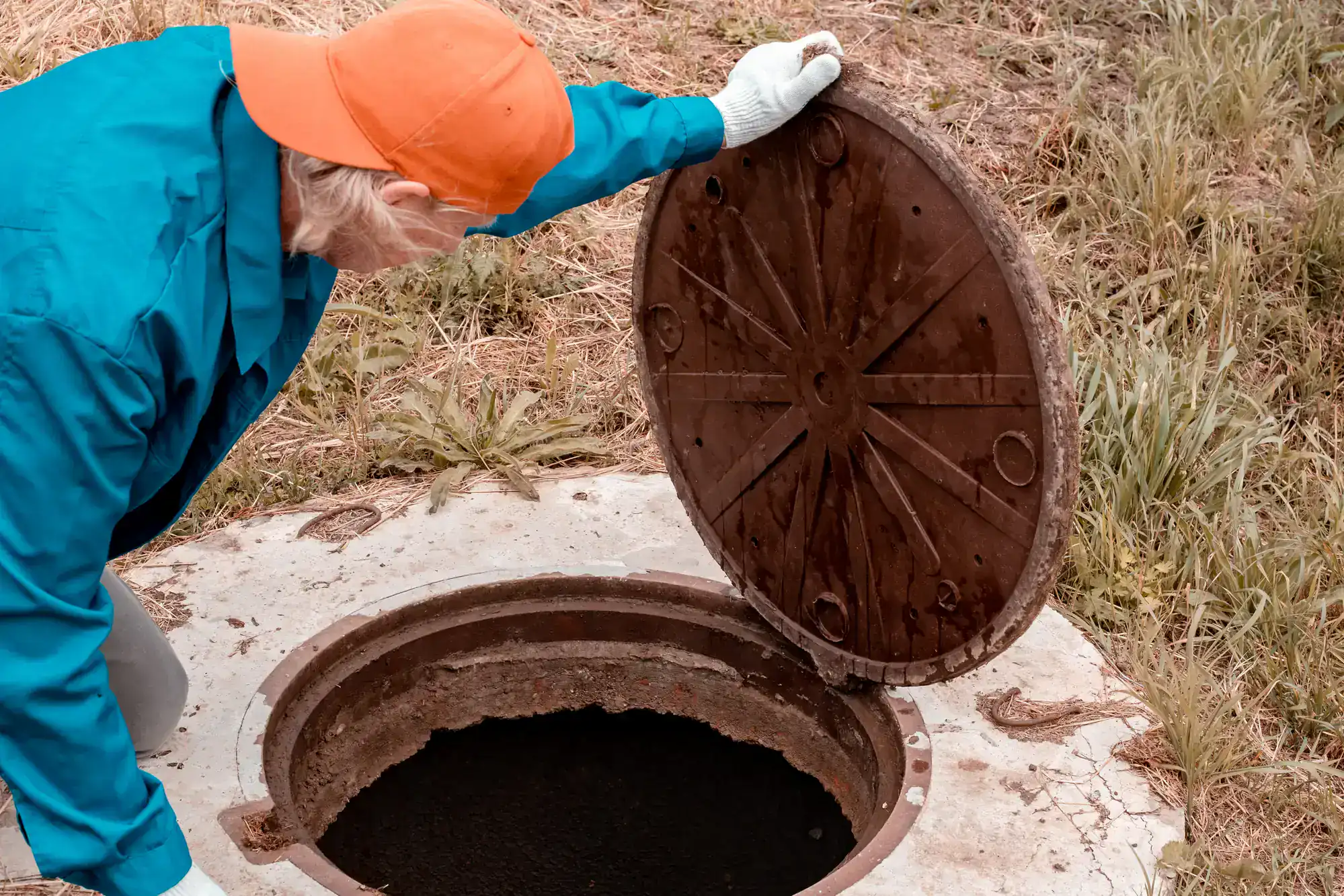
First, we locate your system components. Many Lake Grove homeowners don’t actually know where everything is, which tells us maintenance history might be spotty. We find the tank, check access points, and map out the drainage field.
Next, we open the tank and evaluate what’s inside. We’re checking levels, looking at the condition of baffles and dividers, and assessing whether the tank itself is structurally sound. If you’ve got a cesspool instead of a septic system, we’re evaluating that too—we handle both throughout Long Island.
Then we test the drainage. This is critical in Lake Grove because your soil conditions directly affect how well your system processes wastewater. We check for saturation, backup, and whether your field is still doing its job or starting to fail.
Finally, you get documentation. We provide clear reporting that satisfies Suffolk County requirements, lender standards, and real estate transaction needs. You see exactly what we found, what it means, and what happens next.

Ready to get started?
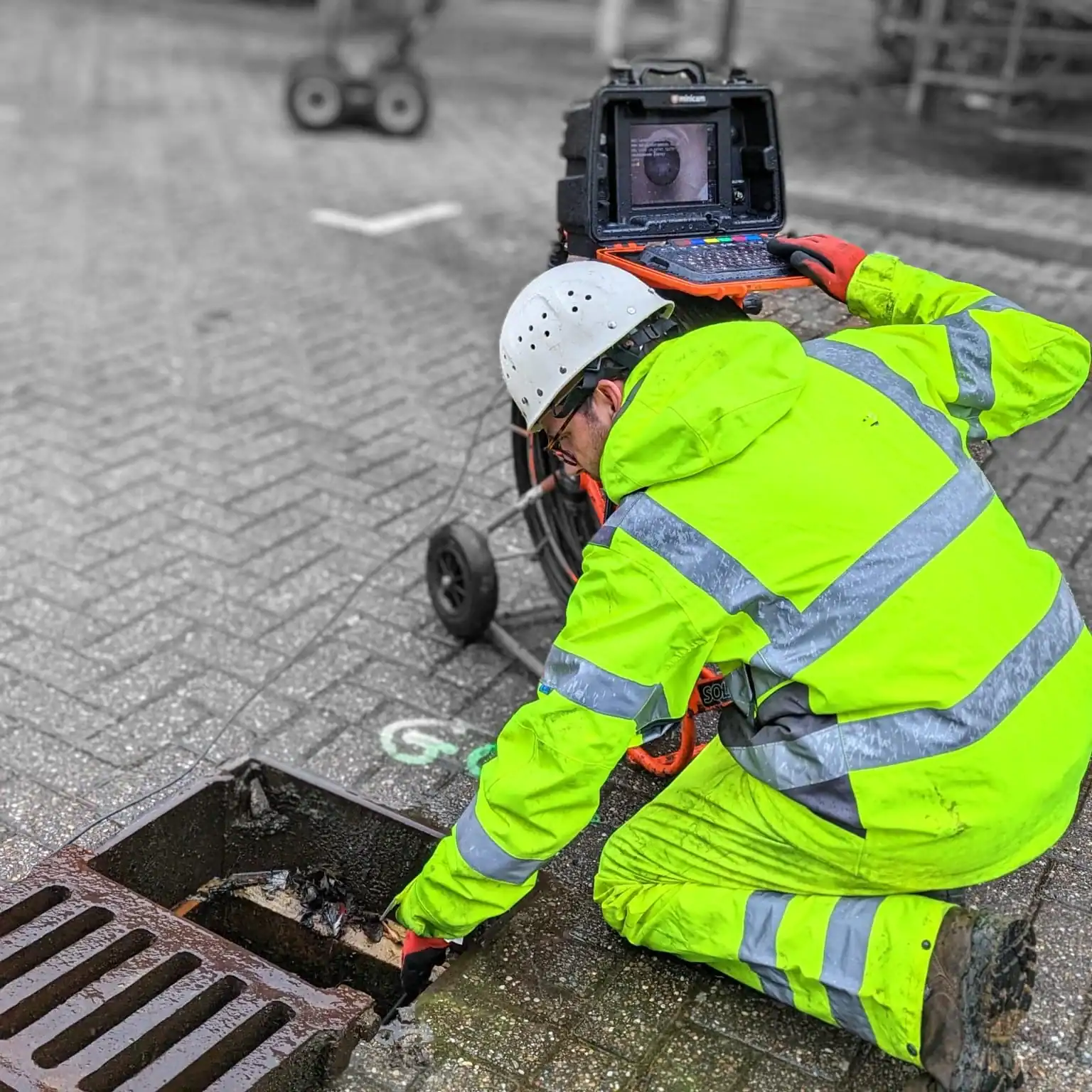
You’re getting a complete evaluation of your septic system or cesspool—not a quick look that misses problems. We use camera inspection technology when needed, so you can see what’s happening inside pipes and tanks. The camera doesn’t lie, and neither do we.
Lake Grove’s sandy soil means less filtration time before wastewater reaches groundwater. That makes proper system function more important here than in other areas. We’re checking whether your system is protecting your property value and meeting environmental standards that affect everyone’s water quality.
For real estate transactions, you’re getting documentation that works. Buyers need proof. Lenders require specific reporting. Suffolk County wants compliance records. We provide all of it—measurements, photographs, and statements that satisfy every requirement without you having to chase down additional paperwork.
If you’re a homeowner staying put, you’re getting a roadmap. We tell you what needs attention now and what you can plan for later. That prevents emergency situations where you’re dealing with backups, health department violations, or system failures that could have been caught early.
Suffolk County requires septic system inspections every three years, with mandatory reporting to the county database. That’s the legal requirement, but your actual inspection schedule depends on your system’s age and condition.
Older systems—anything over 15 to 20 years—benefit from more frequent checks. Lake Grove’s soil conditions and water table put extra stress on aging components, so catching small issues before they become failures saves you from emergency situations.
For real estate transactions, you need an inspection regardless of when your last one happened. Buyers and lenders require current documentation, and trying to use old reports doesn’t work. The inspection needs to reflect the system’s condition at the time of sale, not months or years earlier.
Cesspools are simpler—they’re basically holding tanks that collect wastewater and let it leach into surrounding soil. Septic systems are more complex, with tanks that separate solids from liquids and drain fields that process the effluent.
Both need inspection, but we’re looking at different things. With cesspools, we’re checking structural integrity, capacity, and whether the surrounding soil is still absorbing wastewater or if you’re seeing saturation and backup. Suffolk County banned new cesspool installations in 2019, so if yours is failing, you’re looking at conversion to a septic system.
With septic systems, we’re evaluating multiple components—tank condition, baffle function, drain field performance, and whether the system is processing waste properly. Lake Grove has plenty of older homes with cesspools, and we’ve been inspecting and maintaining both types for decades. We know what to look for and how each type performs in local conditions.
Not realistically. Buyers require it as part of their due diligence, and lenders often won’t approve financing without proof of a functioning system. Even if you find a cash buyer willing to skip it, you’re limiting your buyer pool and probably leaving money on the table.
Suffolk County regulations require documentation for point-of-sale transactions. If you can’t provide current inspection records, buyers assume the worst—that you’ve neglected maintenance or you’re hiding problems. That kills deals or forces you into negotiations where you’re giving concessions instead of selling from a position of strength.
The smarter approach is getting inspected before listing. That way you know what you’re dealing with, you can address any issues on your timeline instead of during a transaction, and you can market the property with confidence. Buyers appreciate transparency, and having documentation ready shows you’ve maintained the property properly.
You get a clear picture of what needs fixing and what your options are. Not every problem means immediate replacement—many issues can be repaired or managed depending on severity and your timeline.
Minor problems like a damaged baffle or a tank that needs pumping are straightforward fixes. Moderate issues like partial drain field saturation might require remediation but not full replacement. Major failures—like a collapsed tank or completely failed drain field—require more significant work, but at least you know what you’re facing instead of discovering it during an emergency.
For real estate transactions, problems don’t automatically kill the deal. Buyers might ask for repairs, request a credit, or accept the system as-is if they’re getting other concessions. What matters is having accurate information so everyone can make informed decisions. We give you honest assessments—what actually needs to happen, not what someone wants to sell you—so you can plan accordingly.
Yes. Commercial septic inspection in Lake Grove, NY requires understanding higher-volume systems, different usage patterns, and stricter regulatory requirements. We handle inspections for businesses, multi-family properties, and commercial facilities throughout Suffolk County.
Commercial systems face different stresses than residential ones. Higher daily flow, grease and chemical inputs, and continuous use mean components wear differently. We’re checking capacity, evaluating whether the system is sized correctly for actual usage, and making sure you’re meeting health department and environmental standards.
For commercial property transactions, inspections are even more critical because buyers are evaluating ongoing operational costs and compliance risks. A failing commercial system affects your ability to operate, and replacement costs are significantly higher than residential systems. We provide the documentation and assessment you need to satisfy commercial lenders, buyers, and regulatory agencies.
Most residential inspections take one to three hours depending on system complexity, accessibility, and whether we need to locate components. If your tank and drain field are easy to access and you know where everything is, we move faster. If we’re searching for a system that hasn’t been maintained or documented, it takes longer.
Commercial septic inspection in Lake Grove typically takes longer because systems are larger and more complex. We’re evaluating multiple tanks, higher-capacity drain fields, and additional components that residential systems don’t have.
We schedule inspections to work with your timeline—whether that’s coordinating with real estate closing dates or fitting into your property maintenance schedule. We’re not rushing through to get to the next job. You’re getting a thorough evaluation that actually tells you what’s happening with your system, and that takes the time it takes to do it right.
Other Services we provide in Lake Grove