Hear From Our Clients

You need to know if your septic system is actually working or if you’re sitting on a ticking time bomb. A proper inspection tells you exactly where things stand—no guessing, no surprises later.
When you get a real inspection, you’re not just checking a box. You’re getting a clear picture of what needs attention now versus what can wait. You’re avoiding the nightmare of a system failure during the worst possible moment, like when you’re trying to sell your house or when guests are coming for the holidays.
Most importantly, you’re staying ahead of Suffolk County’s regulations that now require regular inspections and compliance reporting. Better to know what you’re dealing with on your terms than get caught off guard when it’s too late to plan.
We’re not the new guys trying to figure things out as we go. We’ve been inspecting septic systems in Bayport and throughout Suffolk County for over 25 years, back when most people didn’t even think about their septic systems until something went wrong.
We know this area. We know how the soil conditions around Bayport affect drainage, how the proximity to the Great South Bay impacts system performance, and what the county inspectors are actually looking for when they show up. We’ve seen every type of system, every kind of failure, and every regulatory change that’s come down the line.
When Suffolk County started cracking down on septic regulations, we didn’t scramble to catch up—we were already doing things the right way. Our customers trust us because we tell them what they need to hear, not what they want to hear, and we’ve never had to change our approach to stay compliant.

First, we locate your system and access the tank. No digging around hoping to find it—we know how to find septic systems efficiently, even when previous owners didn’t keep good records.
Next, we check the actual condition inside the tank. We measure sludge and scum levels, inspect the baffles and outlet, and look for any structural issues. We also test the distribution box and examine how effluent flows into your drain field.
Then we run water through your system to see how it handles real-world conditions. This isn’t just flushing a toilet and calling it good—we simulate actual usage patterns to see if your system can handle what you’re asking it to do. We check for backups, slow drainage, or signs that your leach field isn’t accepting effluent properly.
Finally, we document everything and explain what we found. You get a clear report that tells you what’s working, what needs attention, and what timeline you’re looking at for any necessary repairs or maintenance.

Ready to get started?
Suffolk County changed the rules, and they’re not messing around. If you’re buying, selling, or just want to stay compliant, you need to understand what’s actually required now versus what used to be acceptable.
Pre-purchase inspections have become essential because buyers are getting burned by systems that looked fine on the surface but were actually failing. Real estate transactions are falling through when septic problems surface at the last minute, and sellers are getting stuck with emergency repairs they didn’t budget for.
For existing homeowners, the county now requires regular reporting and compliance with new standards that didn’t exist when your system was installed. The days of just pumping when you felt like it are over. You need documentation that shows your system is functioning properly and meeting current environmental standards.
In Bayport specifically, we’re seeing more scrutiny because of the area’s proximity to sensitive water resources. The county is particularly focused on nitrogen reduction and preventing contamination of groundwater that feeds into the Great South Bay. This means inspections are more thorough and the standards are higher than they used to be.
Suffolk County now requires inspections every three to five years depending on your system type, but that’s the minimum. If you’re smart, you’ll get it checked annually.
Here’s why: waiting three years between inspections is like waiting three years between oil changes on your car. Sure, it might still run, but you’re asking for trouble. Septic systems don’t fail gradually—they fail suddenly, usually at the worst possible time.
An annual inspection catches problems when they’re still manageable. Maybe your baffles are starting to deteriorate, or your distribution box is getting clogged. Fix these issues early, and you’re looking at a few hundred dollars. Wait until your system backs up into your house, and you’re looking at thousands.
A pre-purchase inspection is more thorough because there’s more at stake. You’re not just checking if the system works—you’re determining if you want to inherit someone else’s potential problems.
We pump the tank completely, inspect the interior for cracks or structural issues, and run comprehensive flow tests. We also check all the components that might not get attention during routine maintenance, like the distribution box, outlet baffles, and the condition of the drain field.
For existing homeowners, a regular inspection focuses on current performance and maintenance needs. For buyers, we’re looking at the entire system’s remaining lifespan and what major expenses might be coming down the road. The report includes repair estimates and replacement timelines so you can negotiate accordingly or budget for future needs.
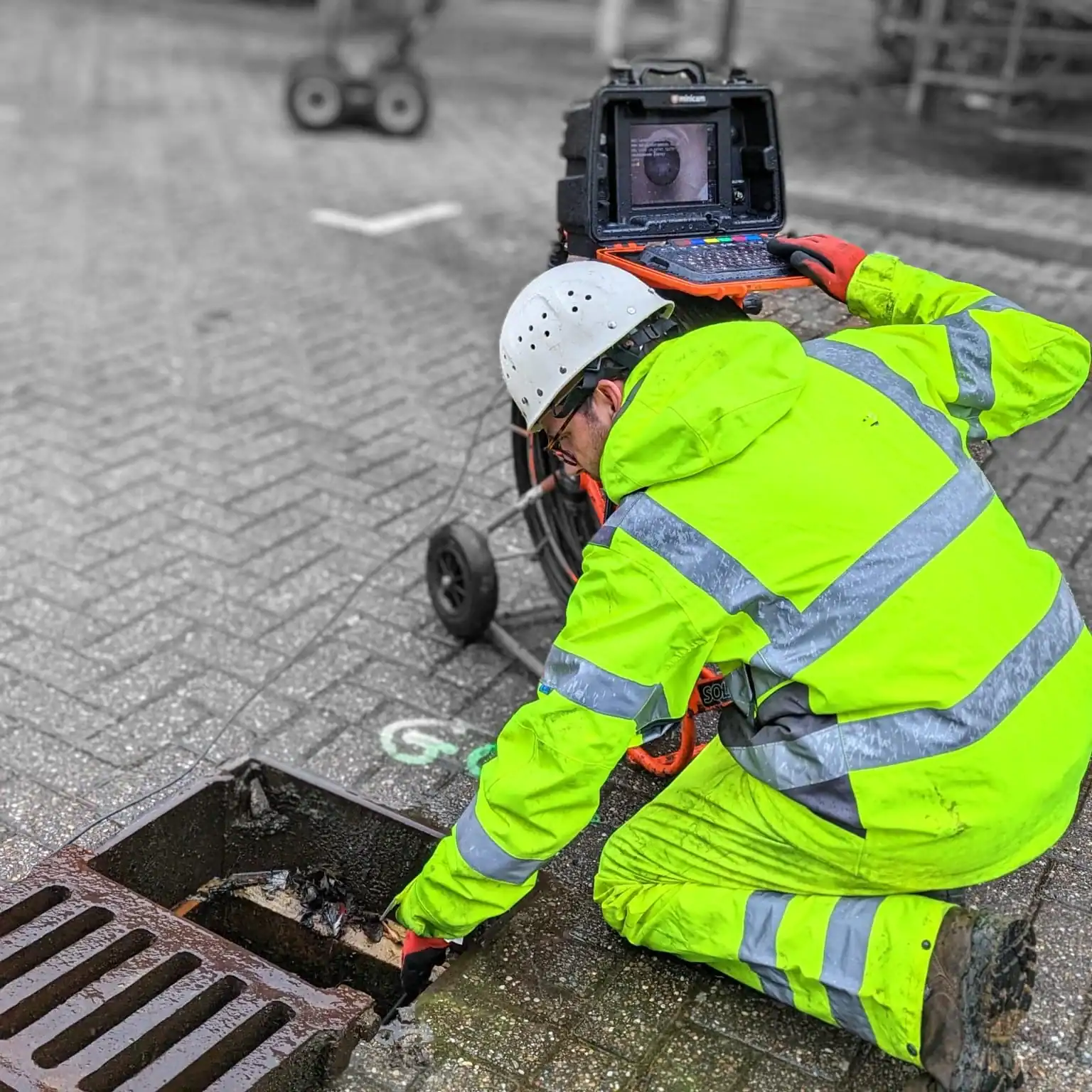
Most inspections cost depends on the system size and what level of testing you need. If you want camera inspection of the lines or more detailed drain field evaluation, it’ll cost more.
That might seem like a lot until you consider what you’re avoiding. A failed septic system replacement can become a major expense, especially if an advanced treatment system is required to meet current Suffolk County requirements.
We’ve seen too many homeowners try to save money by skipping inspections, only to get hit with emergency repairs that cost ten times what regular maintenance would have cost. The inspection fee is insurance against much bigger problems.
It depends on what’s wrong and what your situation is. If you’re buying a house, a failed inspection gives you negotiating power—you can ask the seller to fix it, reduce the price, or walk away from the deal.
If you’re an existing homeowner, you’ll need to address the problems, but you usually have time to plan and budget for repairs. Suffolk County doesn’t typically require immediate action unless there’s an environmental hazard or health risk.
The key is getting a detailed report that explains what’s failing and what your options are. Sometimes it’s a simple fix like replacing baffles or cleaning out the distribution box. Other times you might need a full system upgrade, but even then, you can often phase the work or apply for county assistance programs that help cover the costs.
Yes, Suffolk County requires inspections to be performed by licensed professionals, and they’re getting stricter about who qualifies. Not every septic company has the proper certifications to perform compliance inspections.
We maintain all the required licenses and endorsements, including the innovative and alternative treatment system service provider endorsement that’s needed for newer systems. We also stay current with continuing education requirements and county regulation changes.
Using an uncertified inspector is worse than not getting inspected at all—you’ll have to pay twice when the county rejects the report, and you might face penalties for non-compliance. Make sure whoever you hire can provide documentation of their certifications and has experience with Suffolk County’s specific requirements.
You can check some basic things like looking for wet spots in your yard or noting if drains are running slowly, but you can’t perform an official inspection yourself. Suffolk County requires licensed professionals for compliance reporting.
More importantly, septic inspection involves confined space entry, handling of sewage, and evaluation of complex mechanical systems. Without proper equipment and training, you can miss serious problems or even create safety hazards.
The liability issues alone make DIY inspection a bad idea. If you miss something that later causes environmental damage or health problems, you’re responsible. Professional inspectors carry insurance and have the expertise to identify problems that aren’t obvious to untrained eyes. The cost of proper inspection is minimal compared to the risks of getting it wrong.
Other Services we provide in Bayport