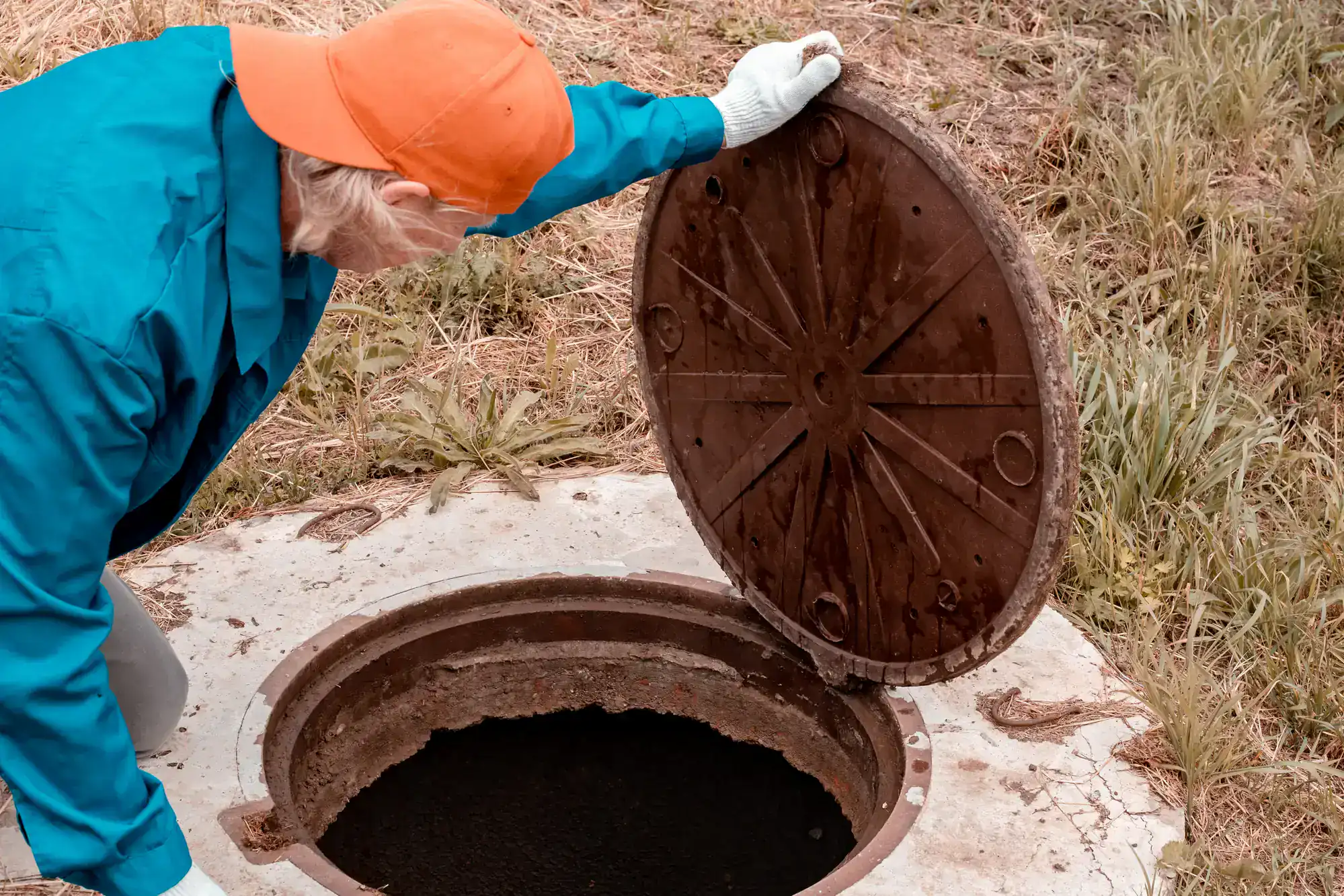
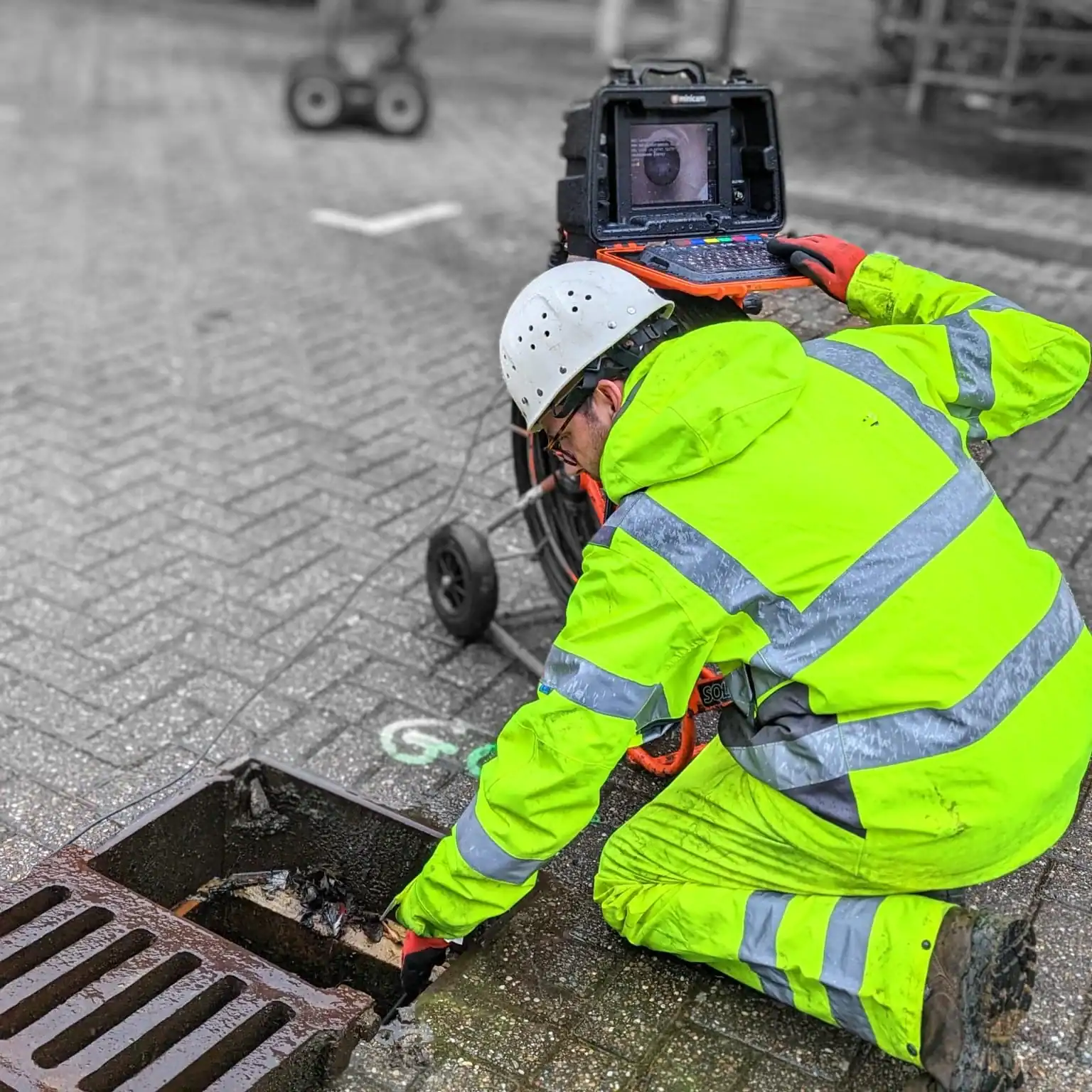
We can inspect your tank whether it’s full or empty, but the inspection type affects what we can see. With a full tank, we evaluate normal operating conditions and water levels. With an empty tank, we get a clearer view of tank walls, baffles, and structural condition.For pre-purchase inspections, we often recommend inspecting with the tank full to see how the system handles normal loads. If structural issues are suspected, pumping first gives us better visibility. We’ll recommend the best approach based on your specific situation.