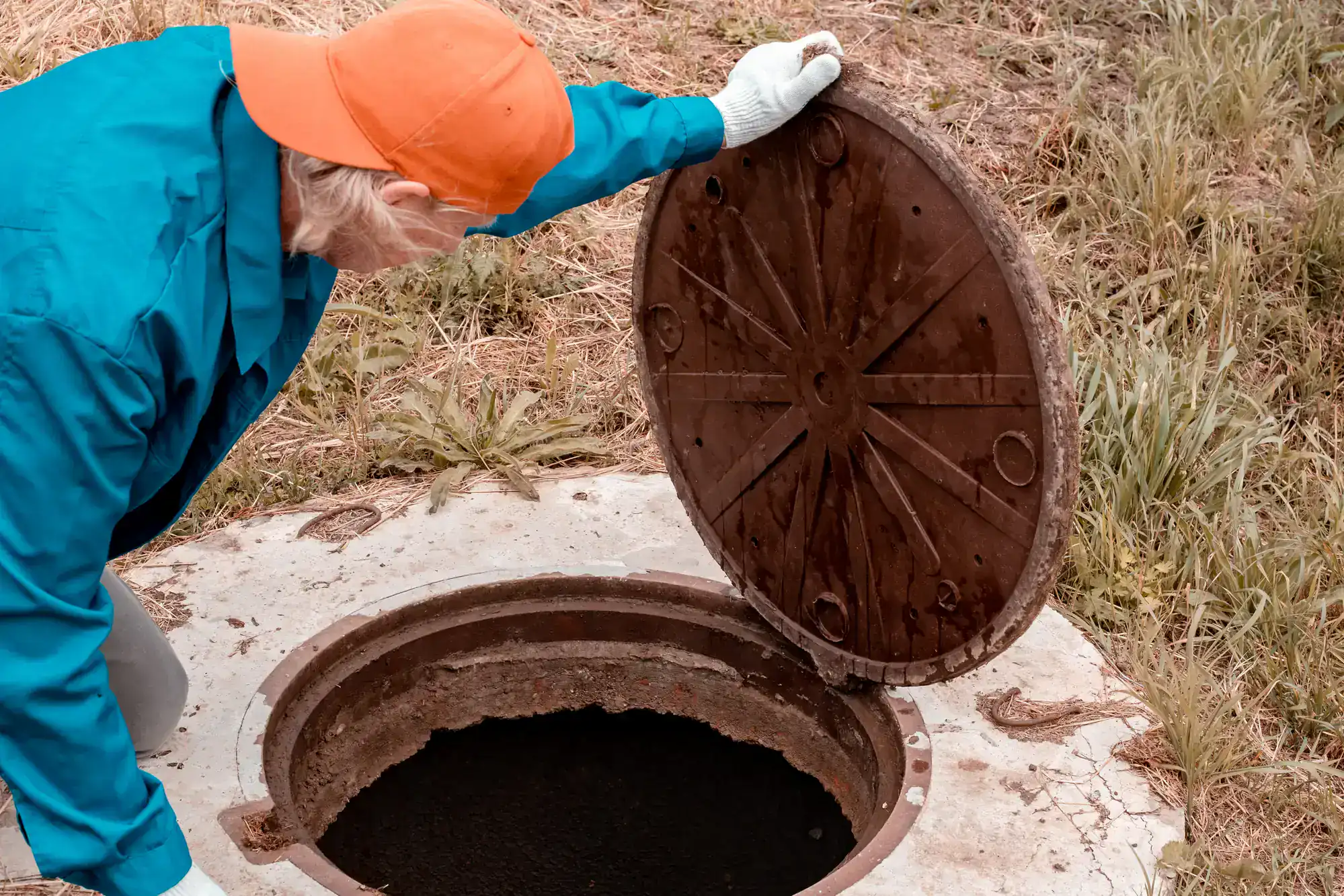
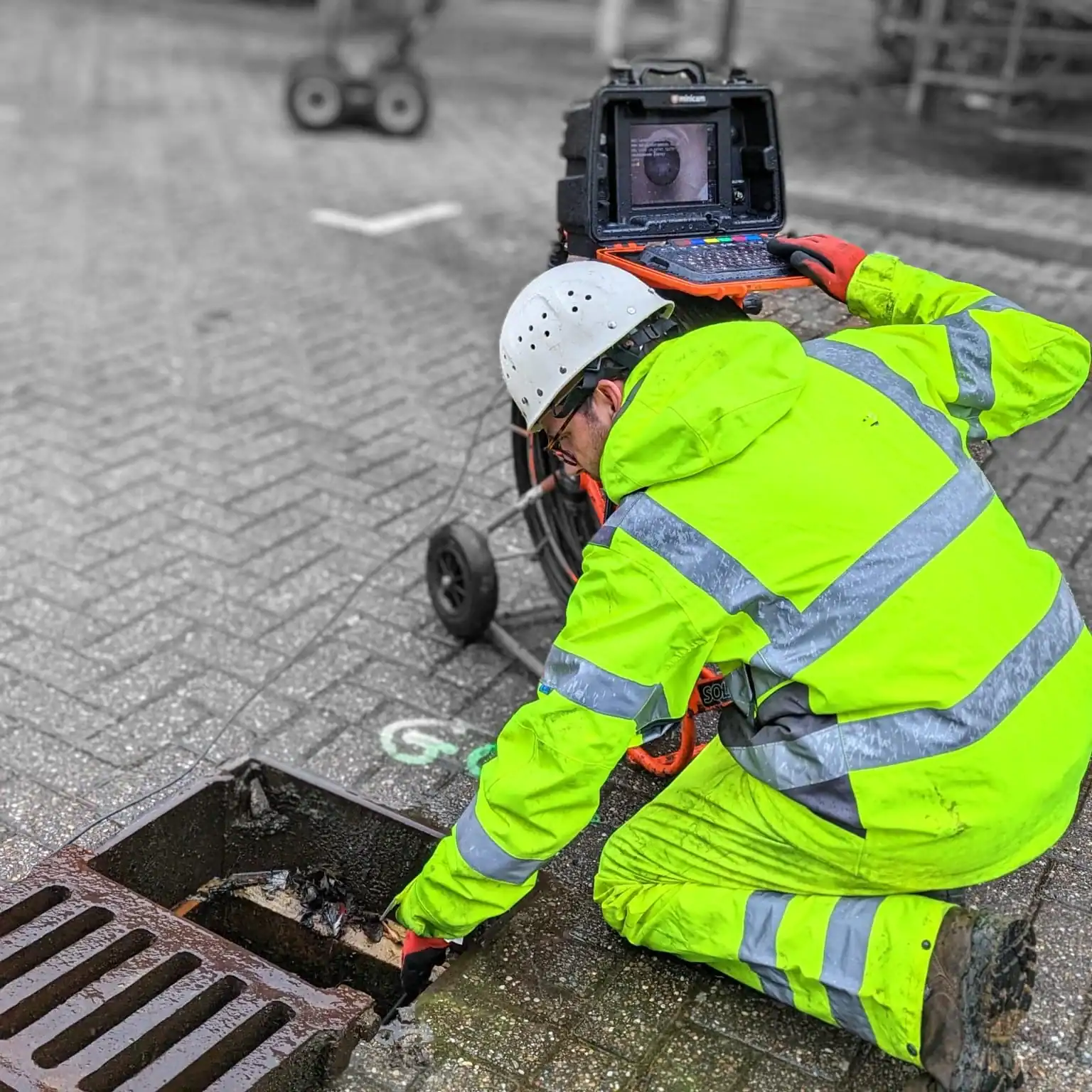
The inspection starts with locating your septic system components—tank, distribution box, and drain field. Many homeowners don’t even know exactly where everything is, which tells you something about the maintenance history right there.Next comes the visual assessment. We examine the tank interior, check water levels, test the distribution system, and evaluate the drain field for signs of saturation or failure. We’re looking for red flags like improper water flow, structural damage, or systems that are simply overwhelmed.The final step involves running water through the system to see how it handles normal usage. This isn’t about stressing an older system—it’s about confirming everything works as it should under typical conditions. You’ll get a detailed report that explains what we found, what it means, and what (if anything) needs attention.