Hear From Our Clients

You’re not just getting an inspection—you’re getting protection. Early detection catches small issues before they become expensive emergencies that can cost thousands in repairs or full system replacement.
A professional septic inspection gives you the documentation mortgage lenders require, the compliance verification New York State mandates for property sales, and the peace of mind that comes from knowing exactly what you’re dealing with. Whether you’re buying, selling, or simply maintaining your Wading River property, you’ll have the facts you need to make informed decisions.
Your system works hard underground, out of sight. But problems don’t stay hidden forever—and when they surface, they surface fast and expensive.
AAA Dependable Cesspool has been serving Wading River and Suffolk County for over two decades. We’re not the biggest company, but we’re the most honest—and that matters when you’re trusting someone with your property’s most critical hidden system.
Our family-owned team knows Long Island’s soil conditions, water tables, and local regulations inside and out. We’ve seen what works, what fails, and what warning signs actually matter versus what’s just normal wear.
Licensed with Suffolk County Consumer Affairs and maintaining an A+ Better Business Bureau rating, we’ve built our reputation one honest assessment at a time.

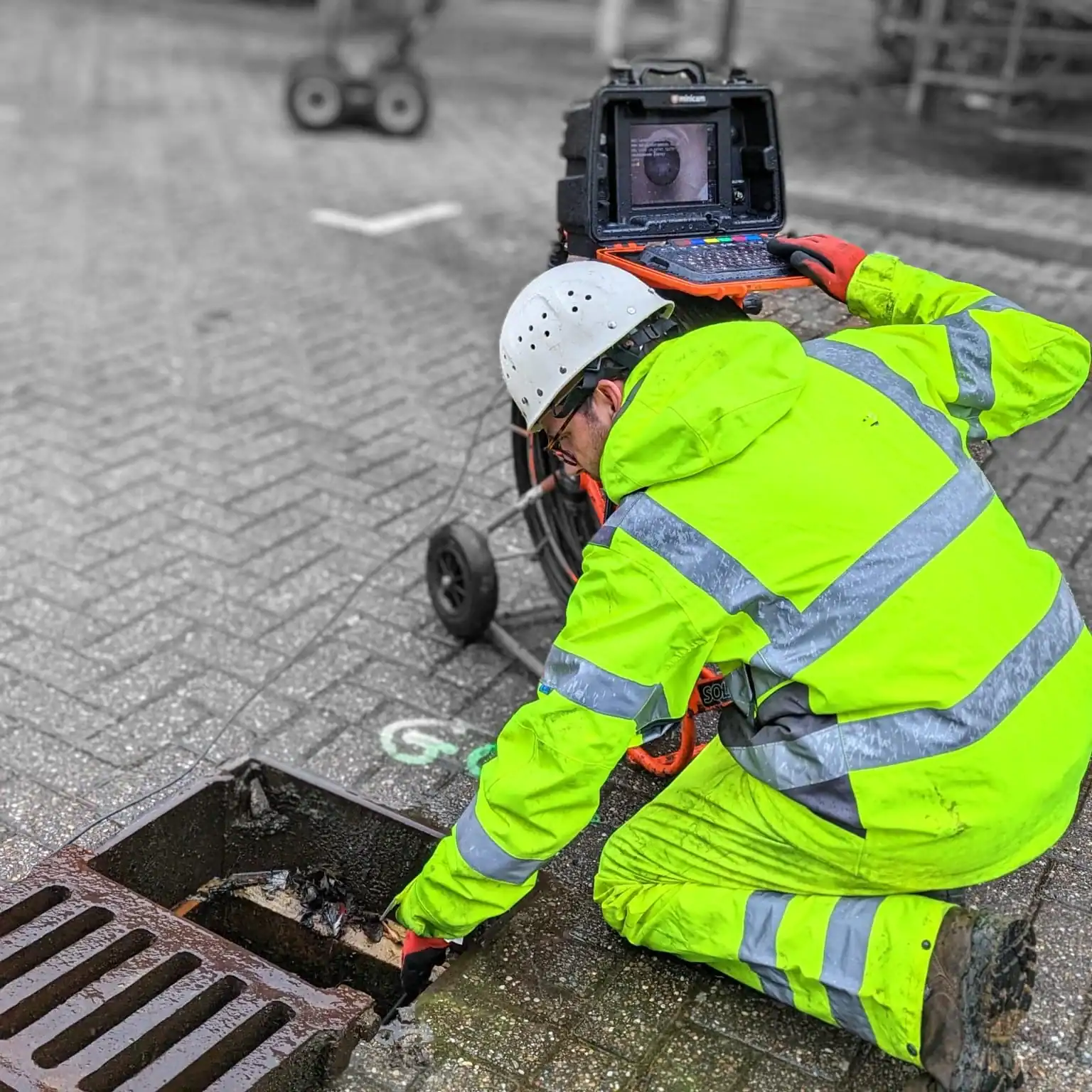
The process starts with locating your system components—tank, distribution box, and drain field. Using advanced camera equipment and electronic locating tools, we examine every accessible part of your system without unnecessary digging or property disruption.
We measure sludge and scum levels, test liquid flow, inspect structural integrity, and check for signs of backup or failure. The inspection includes examining all pipes, baffles, and connections for proper operation and compliance with current regulations.
You receive a detailed written report with photos, findings, and clear recommendations. No vague language or scare tactics—just the specific information you need to understand your system’s condition and any necessary next steps.

Ready to get started?
Your inspection covers every critical component: septic tank condition, inlet and outlet baffles, distribution box function, and drain field performance. We verify proper separation distances from wells and property lines, check for groundwater infiltration, and assess overall system capacity.
For Wading River properties, this is especially important given the area’s sandy soils and varying water table levels. These conditions can affect system performance and require specific attention to prevent premature failure or environmental issues.
The inspection also includes reviewing maintenance history, checking permits and compliance records, and providing guidance on proper care specific to your system type and local conditions. You’ll understand not just what condition your system is in, but how to keep it functioning properly for years to come.
Septic inspections in Wading River typically range depends on your system’s complexity and accessibility. Comprehensive inspections that include camera work or extensive documentation may cost more, but basic visual inspections with tank pumping fall within this range.
The cost varies based on factors like tank size, system age, and whether additional services like camera inspection or permit research are needed. Most companies charge separately for pumping, which is usually required before inspection.
Getting multiple quotes is smart, but remember that the cheapest option isn’t always the best value—especially when you’re dealing with documentation that affects property sales or mortgage approval.
New York State requires sellers to disclose known septic system issues, and most mortgage lenders require septic inspections before approving loans on properties with septic systems. The inspection should be scheduled early in the buying process, typically within the first 10 days after contract signing.
For sellers, getting an inspection before listing helps avoid delays and gives you negotiating power. Failed inspections can stall closings and require expensive repairs before the sale can proceed.
The inspection must be conducted while the system is in normal use—ideally after 30-60 days of regular household activity. Winter inspections can be more challenging but are still possible with the right equipment and experience.
Most septic systems should be inspected every 1-3 years for routine maintenance. Systems over 20 years old or those with mechanical components may need annual inspections to catch problems early.
The frequency depends on several factors: household size, system age, soil conditions, and usage patterns. Larger families or homes with garbage disposals typically need more frequent inspections because they generate more wastewater and solids.
Regular inspections are much cheaper than emergency repairs. A routine inspection is generally a preventive step, while emergency system failure can lead to significant repair or full replacement expenses if issues are not detected early.
A failed inspection doesn’t automatically mean disaster, but it does require action. The inspector will identify specific problems—whether it’s excessive sludge buildup, structural damage, or drainage issues—and recommend appropriate solutions.
Minor issues like needed pumping or simple repairs can often be addressed quickly and affordably. More serious problems like drain field failure or tank replacement require larger investments but can sometimes be negotiated between buyer and seller in real estate transactions.
The key is getting a detailed report that explains exactly what’s wrong and what options you have. Some issues are urgent safety concerns, while others can be monitored and addressed over time with proper maintenance.
DIY septic inspection is dangerous and not recommended. Septic tanks contain toxic gases including methane and hydrogen sulfide that can be lethal in confined spaces. Professional inspectors have the proper safety equipment and training to work around these hazards.
Additionally, proper inspection requires specialized equipment like cameras, electronic locators, and measuring tools that most homeowners don’t have access to. Mortgage lenders and regulatory agencies also require inspections by licensed professionals.
A professional inspection provides the documentation you need for insurance, property sales, and regulatory compliance—something a DIY assessment can’t deliver. The cost of professional inspection is minimal compared to the risks of improper assessment or safety incidents.
A reliable septic inspection starts with proper licensing and insurance. The inspector should be certified to work in your area and carry liability insurance to protect both parties. Look for companies with established local reputations and Better Business Bureau ratings.
The inspection should be thorough and documented with photos, measurements, and clear explanations of findings. Trustworthy inspectors explain what they’re doing, answer questions, and provide written reports that you can understand and use for decision-making.
Be wary of inspectors who push expensive repairs or seem to find problems with every system they examine. Good inspectors focus on facts, not sales, and help you understand your options without pressure or scare tactics.
Other Services we provide in Wading River