Hear From Our Clients

You get a clear picture of your system’s condition before small issues turn into major headaches. Our certified inspectors use modern camera equipment to spot problems you can’t see from the surface—cracked tanks, failing baffles, or drainage issues that could cost you or more down the road.
When your inspection’s done, you’ll know exactly where you stand. No guesswork about whether that slow drain is a minor clog or a sign your system’s failing. No wondering if your real estate transaction will hit a snag because of septic issues.
You’ll have documentation that satisfies lenders, meets health department requirements, and gives you the peace of mind that comes from knowing the truth about your system.
We’re the family-owned company Quiogue homeowners call when they need straight answers about their septic systems. Twenty-six years in Suffolk County means we understand the unique challenges waterfront properties face—from nitrogen pollution concerns to the strict environmental standards that protect local bays and groundwater.
Our certified inspectors know Quiogue’s soil conditions, water table issues, and the local regulations that affect your system. We’ve seen how the new I/A requirements impact homeowners, and we know which problems need immediate attention versus what can wait.
When you call us, you’re getting neighbors who’ve built their reputation on honest work and fair pricing—not a faceless corporation that disappears after the check clears.

First, we locate your system components—tank, distribution box, and drain field. If your system hasn’t been mapped, we’ll handle that as part of the service. Our technicians use specialized equipment to find everything without damaging your landscaping.
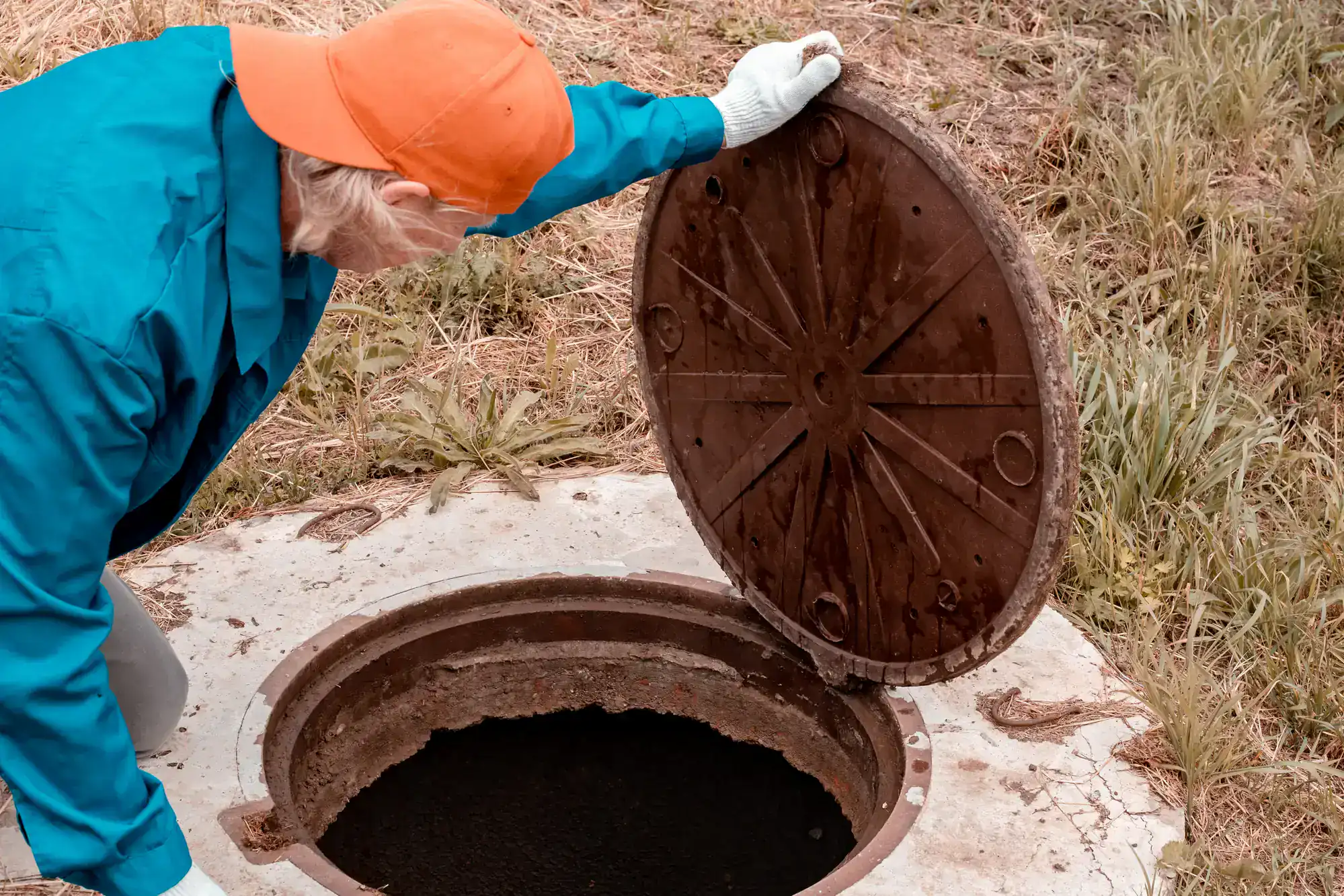
Next comes the visual examination. We check for obvious signs of trouble—pooling water, unusual grass growth, or surface effluent. Then we open the tank to inspect the interior condition, checking baffles, outlets, and looking for cracks or structural damage.
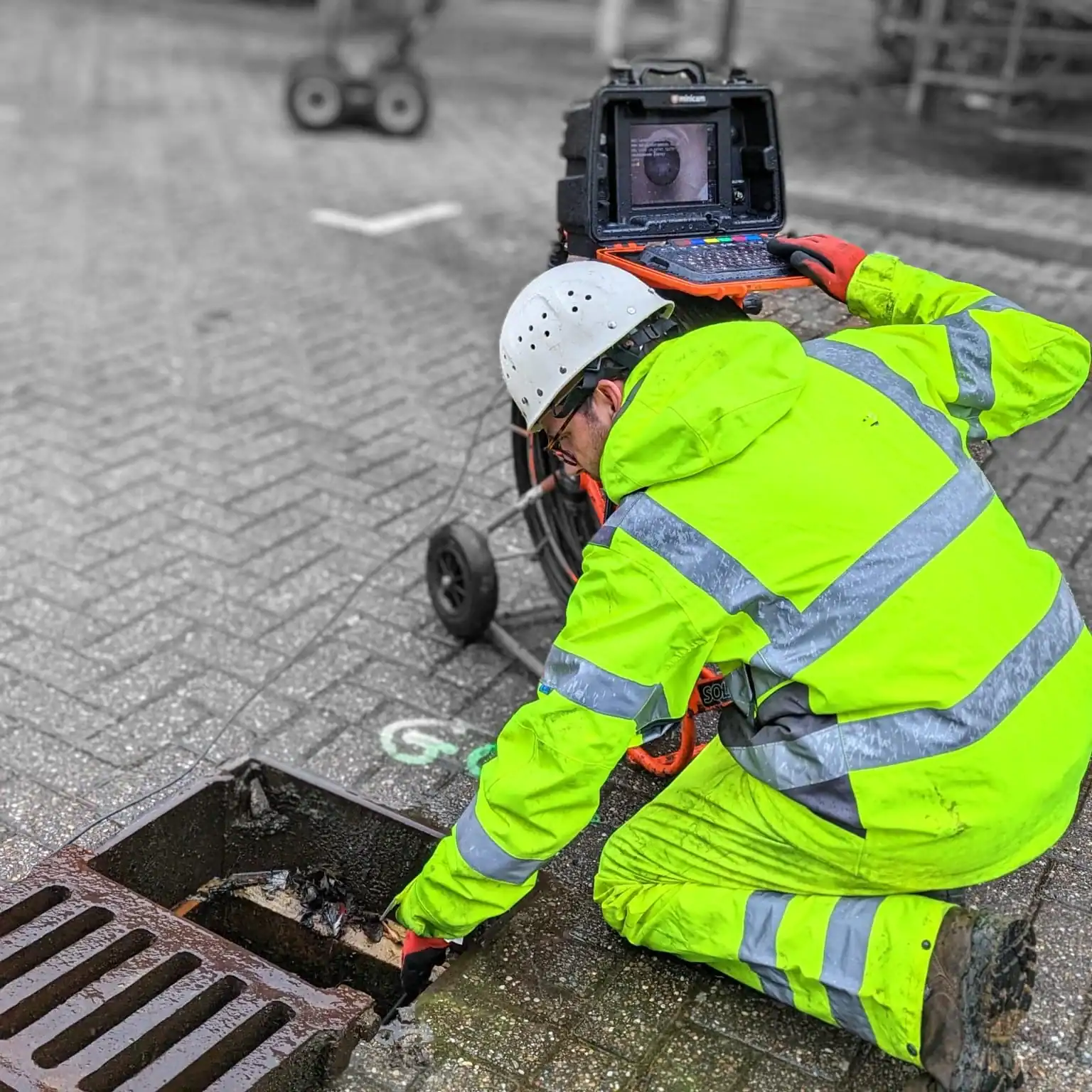
Our camera inspection gives us the complete picture. We can see inside pipes, check for root intrusion, and identify blockages or breaks that aren’t visible otherwise. If your system has electrical components like pumps, we test those too. You get a detailed report explaining what we found and what it means for your system’s future.

Ready to get started?
Your inspection covers every component that affects your system’s performance. We examine the septic tank structure, test all baffles and outlets, and evaluate the distribution box and drain field condition. Our modern camera equipment lets us inspect pipes and identify problems other companies might miss.
For Quiogue properties, we pay special attention to environmental compliance issues. With the village’s focus on protecting local waterways, we check for signs of nitrogen pollution and evaluate whether your system meets current standards. We also assess whether you might benefit from the county’s septic improvement grants.
If you’re buying or selling, we provide the documentation lenders and health departments require. Our certified inspectors understand Suffolk County’s regulations and can guide you through compliance requirements. You’ll get a comprehensive report that clearly explains your system’s condition and any recommended actions.
Most septic inspections in our area are relatively affordable and are a small investment compared to the potential expense of major repairs. The exact cost depends on your system’s size and complexity, but this investment can save you thousands if we catch problems early.
Minor septic repairs are usually more affordable, while major system failures can require significantly higher expenses depending on the extent of the damage. When you consider that homeowners may face significant expenses for a complete system replacement, a septic inspection is a valuable way to protect your property investment.
For real estate transactions, this cost is usually negotiable between buyer and seller. Many homeowners find the peace of mind worth every penny, especially when they see “septic system recently inspected” helping their property stand out in listings.
Suffolk County regulations now require septic system inspections every three years, and that’s actually good timing for most systems. Regular inspections help you stay compliant with local environmental regulations while catching problems before they become expensive emergencies.
If you’re in a waterfront area like Quiogue, more frequent inspections make sense because of the stricter environmental standards. Properties near water bodies face additional scrutiny, and regular inspections help ensure you’re not contributing to nitrogen pollution in our local bays and groundwater.
Some situations call for more frequent inspections—if you’ve had recent repairs, if your system’s older, or if you’re planning to sell within the next few years. We can recommend the right schedule based on your specific system and circumstances.
Most problems we find are fixable, and catching them early usually means less expensive solutions. Minor issues like clogged baffles or small cracks can often be repaired for a few hundred dollars. Even more significant problems don’t automatically mean complete system replacement.
We’ll explain exactly what we found and give you realistic options. Sometimes it’s a simple repair. Other times, you might need partial system upgrades. For major issues, we can help you understand whether you qualify for Suffolk County’s septic improvement grants, which can provide financial assistance toward septic system replacement costs.
The key is having accurate information so you can make informed decisions. Whether you’re dealing with a real estate transaction or just maintaining your property, knowing the truth about your system’s condition puts you in control of the situation.
While New York doesn’t mandate septic inspections for all property sales, most lenders require them for homes with septic systems. Smart buyers request inspections even when they’re not required because septic problems can cost tens of thousands to fix.
For sellers, having a recent inspection shows transparency and can actually help your property sell faster. Buyers feel more confident when they see documentation showing the system’s been professionally evaluated. It also prevents last-minute surprises that could derail your closing.
If you’re buying, don’t skip the septic inspection to save money. The few hundred dollars you spend now could save you from inheriting a failing system that needs immediate replacement. We’ve seen too many buyers face expensive surprises that could have been avoided with a proper inspection.
Absolutely. We locate septic systems all the time, and it’s included in our inspection service. We use specialized equipment to find your tank, distribution box, and drain field without damaging your property or landscaping.
Most homes have some kind of record from when the system was installed, and we can often obtain those from Suffolk County Health Department files. If no records exist, we create a system map as part of our inspection, which becomes valuable documentation for future maintenance.
Locating hidden systems does take extra time, but it’s something we’re equipped to handle. Once we map your system, you’ll have that information for future reference, making any future maintenance or repairs much easier to coordinate.
A basic inspection might just check for obvious surface problems—standing water, odors, or visible damage. While this catches gross failures, it misses most problems that are developing underground. You could pass a basic inspection and still face major repairs within months.
Our comprehensive inspections use camera equipment to see inside your system. We check tank structure, test all components, evaluate drainage, and look for early warning signs that basic inspections miss. This thorough approach catches problems when they’re still affordable to fix.
For real estate transactions or peace of mind, comprehensive inspection is the way to go. The small difference in cost pays for itself if we find even one problem that would have been expensive to fix later. You get complete documentation and the confidence that comes from knowing your system’s true condition.
Other Services we provide in Quiogue