Septic Inspection in Port Jefferson, NY

Real Septic Inspections That Actually Matter

No surprises, no runaround—just honest septic inspection results you can trust for your Port Jefferson property.
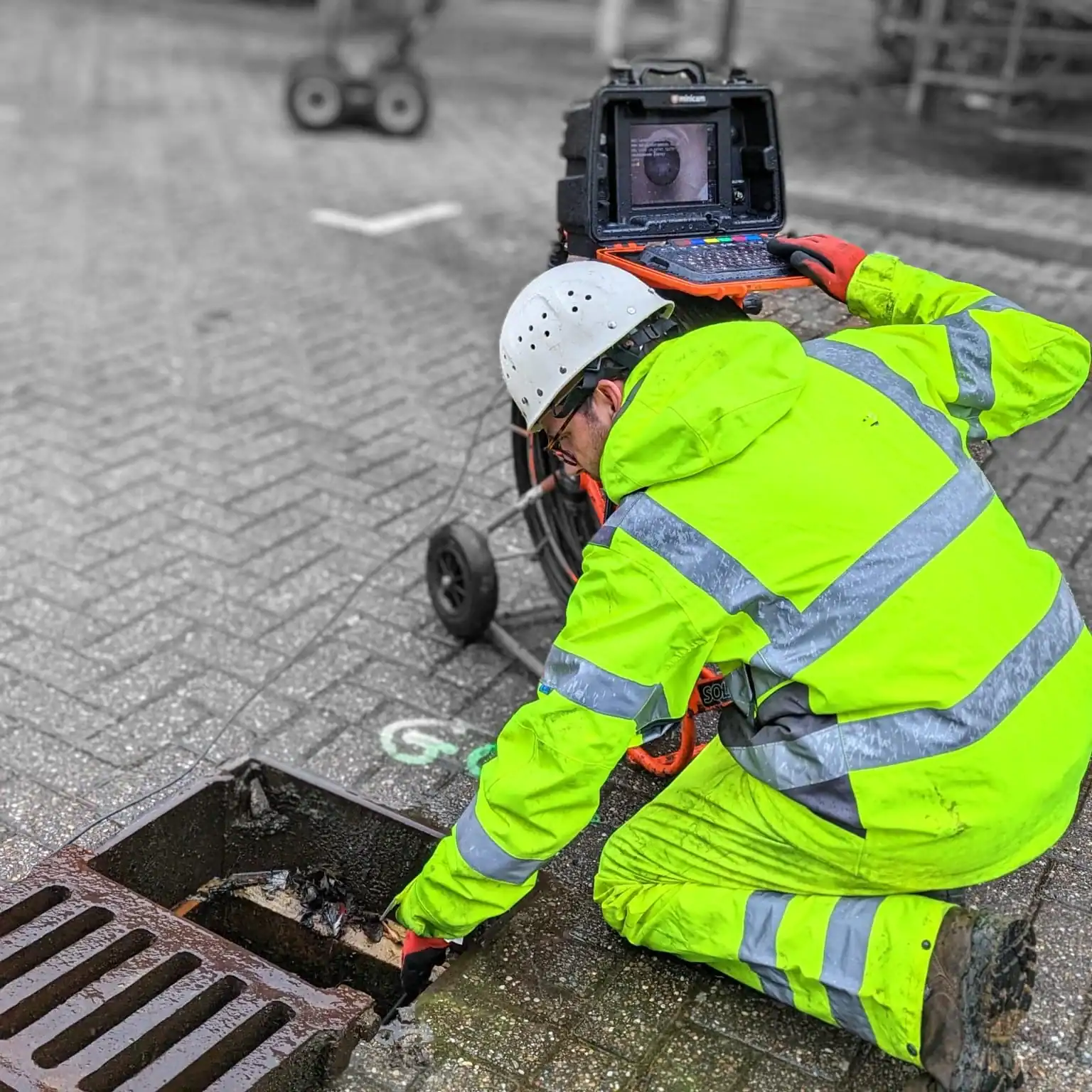
A worker in coveralls, gloves, and a red hard hat kneels outdoors, lifting the lid of a manhole to inspect the opening surrounded by grass and scattered leaves.

Hear From Our Clients

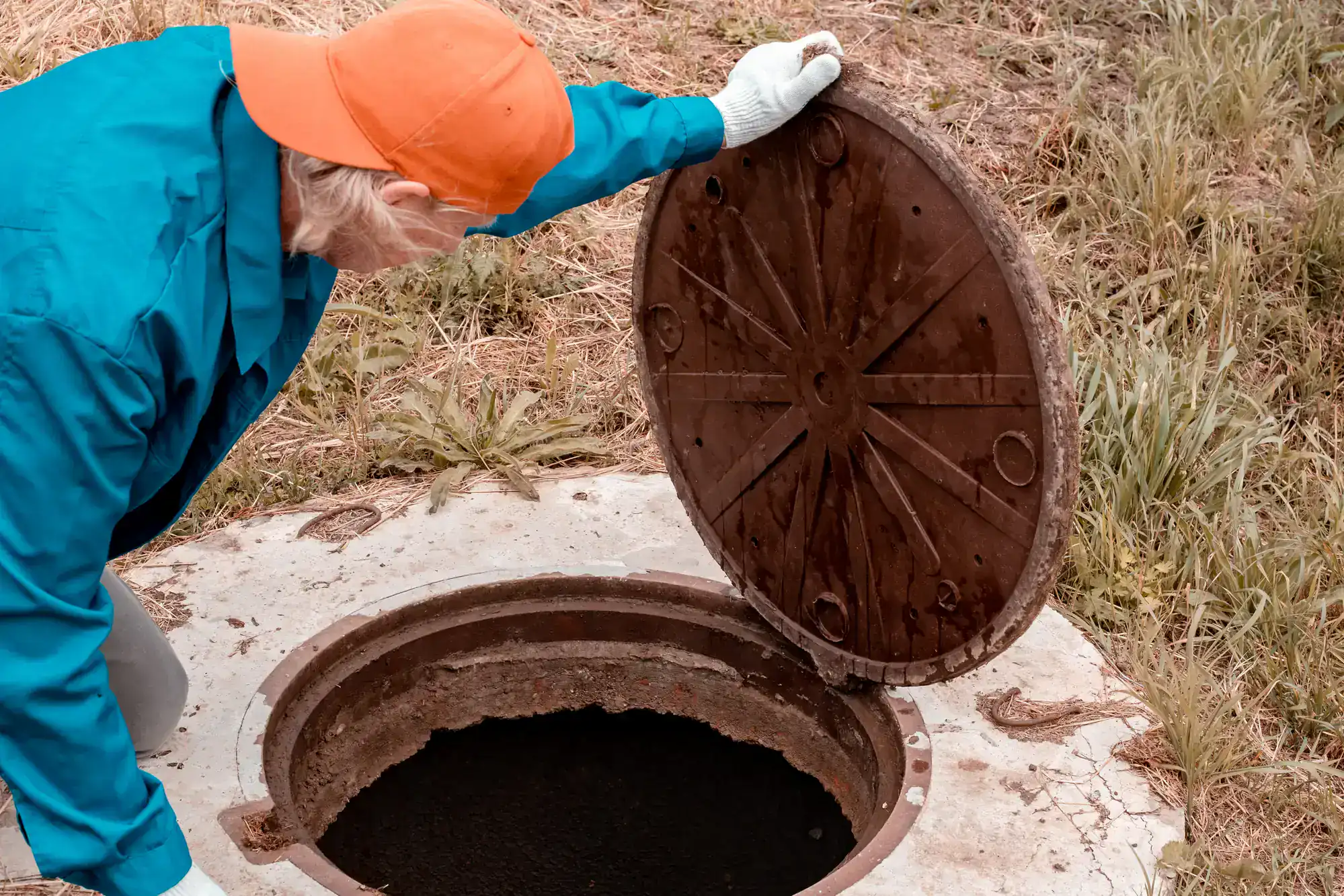
A worker wearing a red hard hat, gray overalls, and white gloves bends down to look inside an open manhole surrounded by grass, with the manhole cover lying nearby.

Certified Septic Inspector Port Jefferson

Know What You're Actually Buying
You’re not just getting a piece of paper. You’re getting the real story about what’s underground—before it becomes your expensive problem. Our certified inspections catch the issues other companies miss. We pump the tank first, inspect every component, and give you the straight facts about what works, what doesn’t, and what you’ll need to budget for down the road. No sugar-coating. No technical jargon you don’t need. Just clear answers about whether that septic system will hold up or cost you thousands after closing.

Local Septic Inspection Company

Suffolk County Locals Who Know This Ground
AAA Dependable has been inspecting septic systems in Port Jefferson and throughout Suffolk County since 1998. We understand Long Island soil conditions, local regulations, and exactly what can go wrong with systems in this area. This isn’t some out-of-town crew learning on your dime. We’ve seen every type of failure, every soil condition, and every regulatory change Suffolk County has thrown at homeowners over the past 25+ years. When you need to know the real condition of a septic system in Port Jefferson, you want inspectors who’ve been doing this work in your neighborhood longer than most companies have existed.
A person in protective work clothes and white gloves uses a tool to lift a round metal manhole cover, exposing an opening in the ground surrounded by grass.

Septic System Inspection Process

Here's Exactly What We Check
First, we locate and uncover your septic tank—no guesswork, no assumptions about where previous owners said it was. Then we pump the tank completely because you can’t properly inspect a tank that’s full of waste. Next comes the real inspection: checking tank integrity, baffles, inlet and outlet pipes, distribution box, and evaluating the drain field for signs of failure. We test water levels, look for backups, and assess whether the system is actually treating wastewater or just moving it around. You get a detailed report explaining what we found, what it means for you as a buyer or seller, and realistic timelines for any repairs or replacements. No technical mysteries—just clear information you can use to make smart decisions.
An older person in a blue jacket and orange cap lifts the heavy lid of a round manhole outdoors, revealing a dark opening surrounded by grass and concrete.

Explore More Services

About AAA Dependable Cesspool

Port Jefferson Septic Compliance Check

What Suffolk County Actually Requires
Suffolk County requires septic inspections every three years, and real estate transactions often demand comprehensive evaluations before closing. But not all inspections meet the same standards, and many buyers get stuck with incomplete reports that miss critical problems. Port Jefferson properties face unique challenges with varying soil conditions and proximity to water bodies. The area’s mix of older cesspools and newer septic systems means each inspection requires local knowledge about what to look for and how these systems typically fail. Recent county regulations also mean some properties may need system upgrades during major renovations or new construction. A proper inspection identifies not just current problems, but potential compliance issues that could affect future property improvements or resale value.
A person wearing a glove lifts the lid of a green septic tank outdoors, revealing the dark interior. The tank is surrounded by soil and scattered leaves.

How much does a septic inspection cost in Port Jefferson?

Septic inspections in Port Jefferson typically cost $300-$650 for real estate transactions, with basic maintenance inspections running $150-$450. The price depends on system size, accessibility, and whether pumping is included. Most comprehensive inspections include tank pumping, which is essential for proper evaluation. Companies that quote unusually low prices often charge extra for pumping or provide incomplete inspections that miss critical problems. Always ask upfront what’s included in the inspection fee. A proper inspection should include locating the system, pumping the tank, checking all components, and providing a detailed written report with photos.
A failed inspection doesn’t automatically kill a real estate deal, but it does give you important negotiating power. Buyers can request seller repairs, negotiate price reductions, or walk away if problems are too extensive. Common fixable issues include damaged baffles, clogged distribution boxes, or tanks that need pumping. More serious problems like drain field failure or undersized tanks for the home’s bedroom count require major repairs or replacement. The key is understanding exactly what failed and getting realistic repair estimates. Some issues are minor fixes, while others signal the need for complete system replacement—which can cost $15,000-$30,000 depending on soil conditions and local requirements.
While New York doesn’t mandate septic inspections for all sales, many buyers’ mortgage lenders require them, and it’s smart business to get one done early in the selling process. Suffolk County requires registration filings for any system replacements, so having current inspection records helps. If your system has problems, it’s better to discover them before listing rather than during buyer inspections when you have less negotiating leverage. Many sellers get pre-listing inspections to address issues proactively or price the property appropriately. FHA and VA loans often require septic inspections as part of the appraisal process. Even conventional buyers frequently make inspections a contingency, so having recent documentation speeds up transactions and reduces last-minute surprises.
Suffolk County requires septic inspections every three years, but the EPA recommends annual inspections for optimal system maintenance. More frequent inspections make sense if your system is older, you’ve had previous problems, or household water usage has increased significantly. Regular inspections catch small problems before they become expensive emergencies. A $400 inspection that identifies a failing baffle can prevent thousands in drain field damage from solids carryover. Properties with garbage disposals, large families, or older systems benefit from annual inspections. New systems or those recently serviced can often go 2-3 years between comprehensive inspections, though annual visual checks are still wise.
A proper septic inspection includes locating all system components, pumping the tank for clear visibility, and evaluating structural integrity of the tank, baffles, and distribution box. Inspectors check inlet/outlet pipes, test drain field function, and look for signs of backup or failure. The inspection should include measuring sludge and scum levels before pumping, checking for leaks or cracks, and evaluating whether the system meets current codes. You should receive a detailed report with photos documenting all findings and recommendations. Dye testing may be included to trace water flow and identify potential problems. However, dye tests alone aren’t sufficient—proper inspection requires actually opening and examining the tank and key components, which is only possible after pumping.
Yes, but vacant house inspections have limitations that buyers should understand. Without normal water usage for 30-60 days, inspectors can’t fully evaluate how the system handles typical household loads or identify intermittent problems. Vacant property inspections focus on structural components, obvious damage, and system capacity relative to the home’s bedroom count. However, drain field performance under normal usage conditions can’t be properly assessed without regular water flow. If buying a vacant property, consider requesting the seller restore water service for several weeks before inspection, or plan for a follow-up inspection after moving in. Some inspectors offer hydraulic load testing to simulate normal usage, though this adds cost and time to the process.

Other Services we provide in Port Jefferson