Hear From Our Clients

You’re not just getting an inspection—you’re getting protection against unexpected septic system issues that can lead to major expenses. When your septic system fails without warning, you’re looking at emergency repairs, potential health hazards, and the nightmare of sewage backing up into your home.
A thorough septic inspection catches issues while they’re still manageable. Small problems that cost a few hundred dollars to fix today become system replacements that cost tens of thousands tomorrow. You get a clear picture of your system’s condition, a timeline for any needed maintenance, and the confidence that comes from working with inspectors who’ve been serving Commack families since 1998.
Our inspection process reveals exactly what’s working, what needs attention, and what can wait. No surprises, no overselling—just honest information you can use to make smart decisions about your property.
AAA Dependable Cesspool has been the go-to choice for Commack homeowners since 1998. As a family-owned business, we understand that your septic system isn’t just infrastructure—it’s part of what keeps your home safe and functional.
Our team knows Suffolk County’s unique soil conditions, local regulations, and the specific challenges that Commack properties face. We’ve seen every type of system and every kind of problem, which means you get inspections based on real experience, not just textbook knowledge.
You’re working with inspectors who live and work in the community we serve. We offer military, first responder, and senior discounts because we believe in taking care of the people who take care of others.

Our inspection starts with locating your system components—septic tank, distribution box, and leach field. Many homeowners don’t even know exactly where these are located, which is often the first sign that maintenance has been neglected.
Next comes the visual assessment of accessible components, checking for obvious signs of damage, leaks, or improper function. We examine water levels, test drainage, and look for any red flags that indicate current or developing problems.
The process includes checking your system against current Suffolk County requirements. Regulations changed significantly in 2019, and many older systems need updates to remain compliant. You’ll know exactly where you stand and what options you have.
You receive a detailed report that explains findings in plain language, with recommendations prioritized by urgency and cost. No technical jargon, no pressure tactics—just clear information you can use to plan and budget appropriately.

Ready to get started?
Suffolk County’s septic regulations became much stricter in 2019, and many Commack homeowners still don’t realize how these changes affect them. If you’re replacing or upgrading any part of your system, you now need permits and must meet current standards—not the standards from when your system was originally installed.
Our inspection covers compliance with current codes, identifying any components that would need upgrading if you decide to make changes. This is especially important for anyone considering home renovations, since major reconstruction projects now trigger requirements for advanced treatment systems in many areas.
For pre-purchase inspections, our process includes everything a buyer’s lender might require, plus the additional checks that protect you from inheriting someone else’s deferred maintenance. Real estate transactions move fast, but septic problems don’t wait for convenient timing.
Our inspection also covers the practical stuff that affects your daily life: proper drainage, appropriate pumping schedules, and signs that your system is operating efficiently. You get both the regulatory compliance information and the practical guidance you need to keep everything running smoothly.
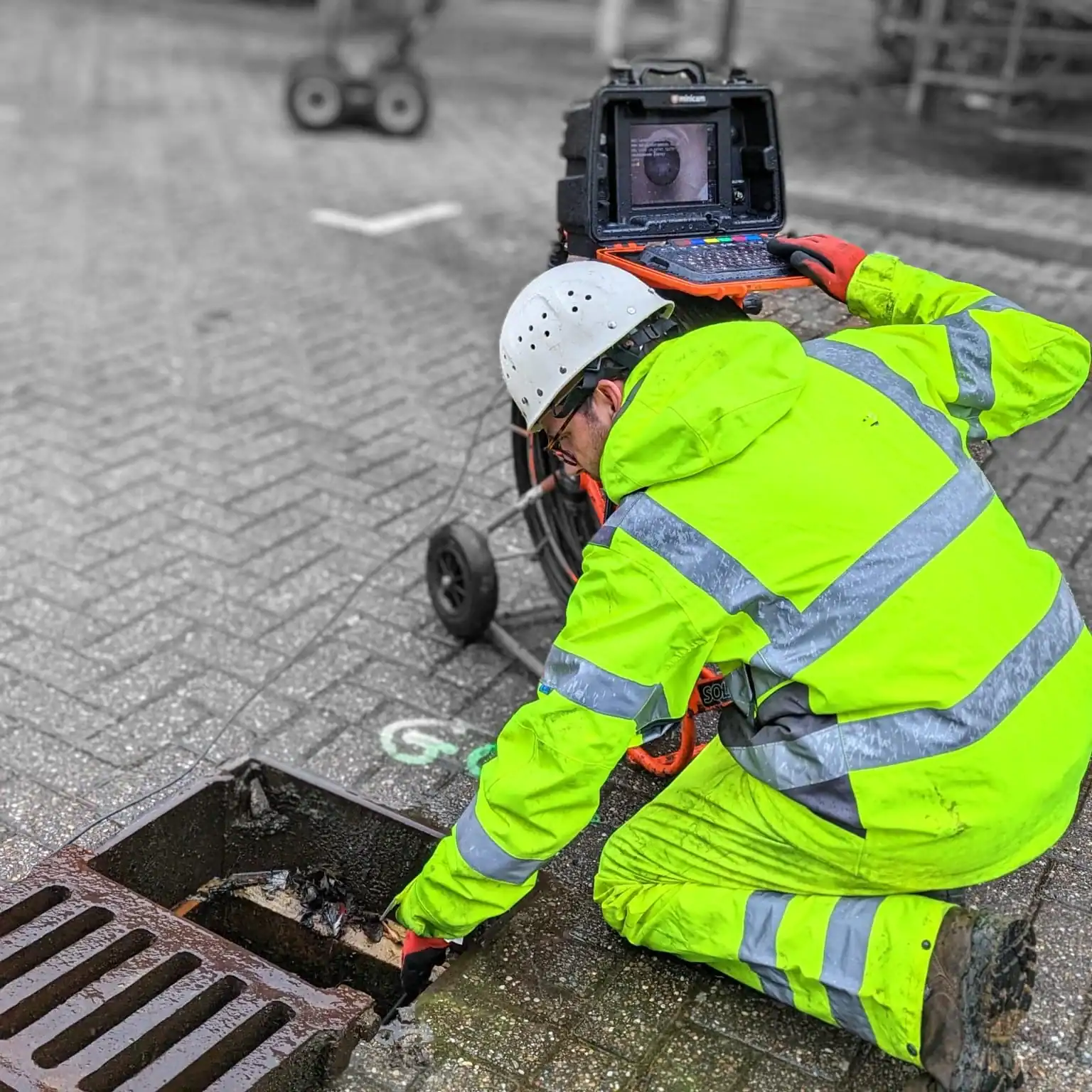
Suffolk County recommends septic inspections every 1-3 years, but the right frequency for your system depends on several factors. Larger households that generate more wastewater need more frequent inspections, as do older systems or those that have had previous issues.
If you’re diligent about what goes down your drains and have your tank pumped regularly, you might be fine with inspections every three years. But if you’ve got a garbage disposal, frequently use bleach-based cleaners, or have teenagers who take long showers, annual inspections make more sense.
The key is catching problems before they become emergencies. A routine inspection costs a few hundred dollars. Emergency repairs can be significant, and full system replacement can be highly expensive depending on the severity of the issue.Most homeowners find that annual inspections give them the peace of mind that’s worth the small investment.
First, don’t panic. Most septic issues have solutions that don’t involve replacing the entire system. Our inspection report will prioritize problems by urgency—some things need immediate attention, others can be planned for over time.
Minor issues like a cracked baffle or clogged filter might cost a few hundred dollars to fix. More significant problems like a failing leach field could require several thousand dollars in repairs, but that’s still much less than a complete system replacement.
Our inspection gives you the information you need to make smart decisions. You can get quotes for repairs, plan the work for a convenient time, and budget appropriately. If you’re buying a home, you can negotiate with the seller to handle repairs or adjust the purchase price. The worst-case scenario is finding out about expensive problems after you’ve already bought the house or after a minor issue has turned into a major failure.
While Suffolk County doesn’t require pre-sale septic inspections, getting one before you list your home is often smart strategy. Buyers will almost certainly want their own inspection, and you don’t want to be surprised by what they find.
A pre-sale inspection lets you address any issues on your timeline and budget, rather than scrambling to make repairs during the already-stressful closing process. If your system needs work, you can choose whether to fix it yourself, adjust your asking price, or offer repair credits to buyers.
Many real estate agents recommend pre-sale septic inspections because they prevent deals from falling through at the last minute. A clean inspection report also gives buyers confidence and can actually help your home sell faster. Even if the buyers get their own inspection, having recent documentation shows you’ve been a responsible homeowner who stayed on top of maintenance.
A basic inspection is mostly visual—checking for obvious problems like standing water in the yard, slow drains in the house, or odors around the tank area. This type of inspection costs less but can miss problems that aren’t visible from the surface.
A comprehensive inspection involves opening the tank, checking water levels, testing the system’s function, and examining all accessible components. This might include dye tests to check for leaks, flow tests to ensure proper drainage, and detailed examination of the distribution box and accessible portions of the leach field.
For routine maintenance, a basic inspection might be sufficient if your system has been trouble-free. But for pre-purchase inspections, compliance checks, or if you’ve noticed any warning signs, comprehensive inspection is worth the extra cost. The detailed information helps you make informed decisions and can save thousands in avoided problems.
Septic inspections in the Commack area are available in both basic and comprehensive options, depending on the level of detail required. The exact cost depends on your system’s size, accessibility, and what specific tests are needed.
Pre-purchase inspections usually fall on the higher end because they need to be more thorough. If your tank is difficult to locate or access, or if you need additional tests like soil percolation or water quality testing, costs can increase.
Consider the inspection cost against the potential problems it can prevent. A comprehensive inspection that detects a repair issue early can save significant future repair costs and quickly justify its value by preventing larger problems. Compared to a full system replacement, a thorough inspection is a worthwhile step if it helps prevent major system failure.
The most important preparation is locating your system components. If you have a plot plan or previous inspection reports, have those ready. Many homeowners don’t know exactly where their septic tank and distribution box are located, which can add time and cost to the inspection.
Clear any vehicles, storage, or landscaping from the general area where you think the system is located. We need access to manholes and may need to probe the ground to locate components. If you have pets, plan to keep them inside during the inspection.
Gather any maintenance records you have, especially pumping receipts and previous inspection reports. This information helps us understand your system’s history and can reveal patterns that affect current condition. If you’ve noticed any warning signs like slow drains, odors, or wet spots in the yard, make sure to point these out during the inspection.
Other Services we provide in Commack