Hear From Our Clients

You’re not looking for someone to tell you everything’s fine when it’s not. You need an honest assessment of what’s working, what’s failing, and what needs attention now versus later.
A professional septic inspection in South Huntington gives you a complete picture of your system’s health. You’ll know if your tank is structurally sound, whether your leach field is saturated, and if you’re facing any compliance issues with Suffolk County regulations. That’s the difference between walking into a real estate closing confident or scrambling to negotiate repairs at the last minute.
For homeowners who’ve been in their property for years, regular inspection catches problems while they’re still manageable. For buyers, it’s the only way to know what you’re actually purchasing. And for sellers, getting ahead of the inspection prevents deals from falling apart when a buyer’s lender requires documentation you don’t have.
We’ve been inspecting septic systems across Suffolk County since 1998. That means we’ve seen how South Huntington’s soil conditions affect drainage, how aging cesspools behave in this area, and what actually triggers failures in local systems.
When you’re working with a family-owned business that’s been serving the same community for over 25 years, you’re not getting cookie-cutter assessments. You’re getting inspectors who understand Long Island’s high water table, sandy soil composition, and the specific regulations that apply to properties in South Huntington, NY.
We don’t oversell services you don’t need. We document what we find, explain what it means for your system, and give you straight answers about what comes next.

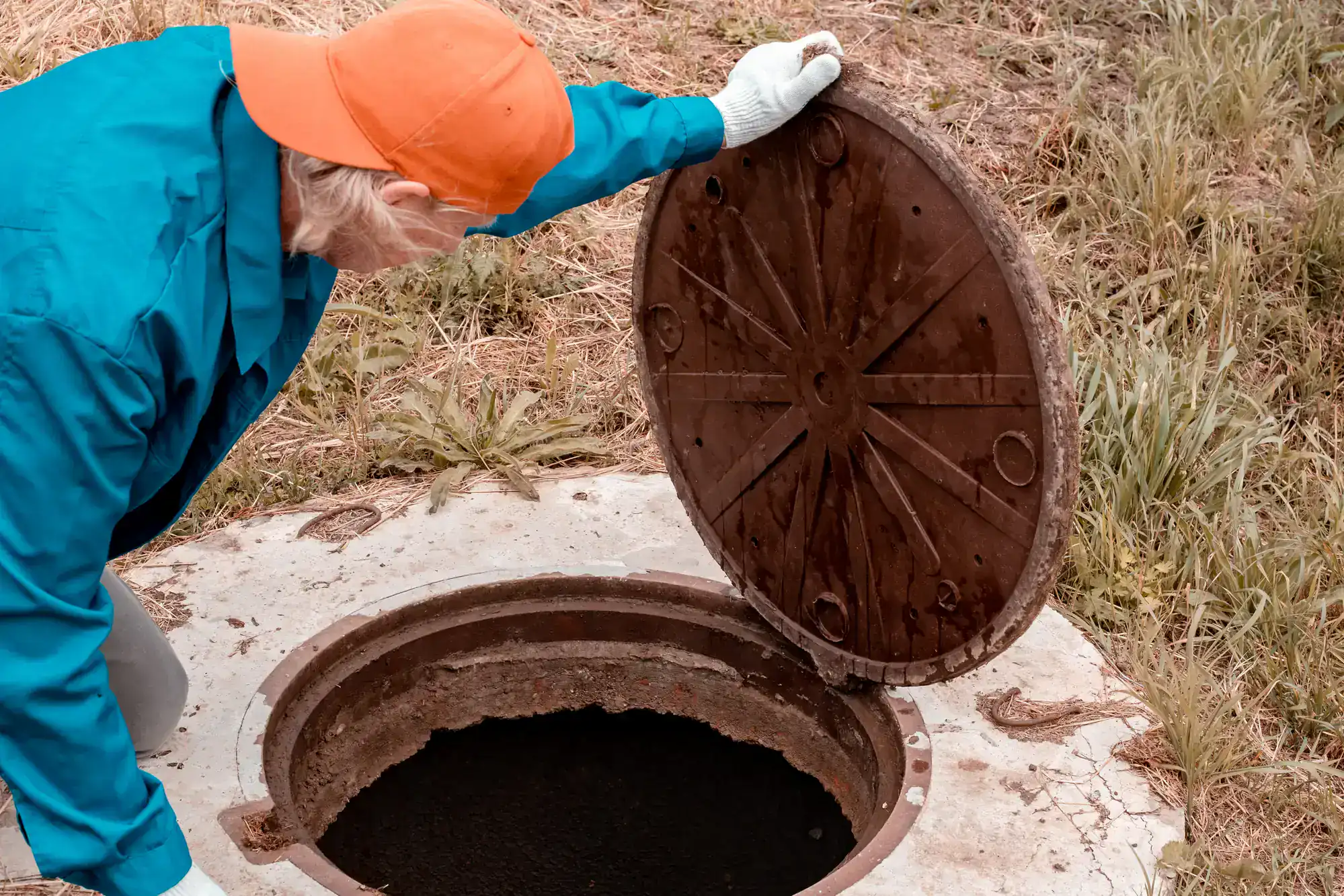
We start by locating and uncovering your tank and distribution box. That means actually digging down to access the components, not just guessing based on what we see from the surface.
Once we’ve exposed the system, we measure sludge and scum levels to determine if pumping is needed. We inspect the tank structure for cracks, deterioration, or signs of failure. We check baffles, inlet and outlet pipes, and verify that wastewater is flowing properly into your leach field.
For real estate septic inspection in South Huntington, we also run water through your system to observe how it handles flow. We check for surfacing effluent, soggy areas in the leach field, and any signs that your system isn’t processing wastewater correctly. You receive a detailed report with measurements, photographs, and clear documentation of our findings—the kind of paperwork that satisfies lenders, health departments, and attorneys during property transactions.

Ready to get started?
A complete septic inspection in South Huntington covers every component that affects your system’s function. We evaluate tank integrity, checking for structural damage that could lead to collapse or groundwater contamination. We assess inlet and outlet baffles that prevent solids from entering your leach field. We measure liquid levels and calculate how much capacity remains before pumping becomes necessary.
Suffolk County requires specific documentation for point-of-sale septic inspection, and we provide exactly what’s needed for compliance. That includes detailed measurements of all components, photographic evidence of system condition, and written assessments that meet health department standards. If you’re in a real estate transaction, this documentation becomes part of your closing package.
For South Huntington properties with older cesspools, we also evaluate whether your system meets current regulations. Since July 2019, failed cesspools can’t be replaced with new cesspools—you’re required to upgrade to a compliant septic system. Knowing that before you’re forced into an emergency replacement gives you time to plan and budget appropriately.
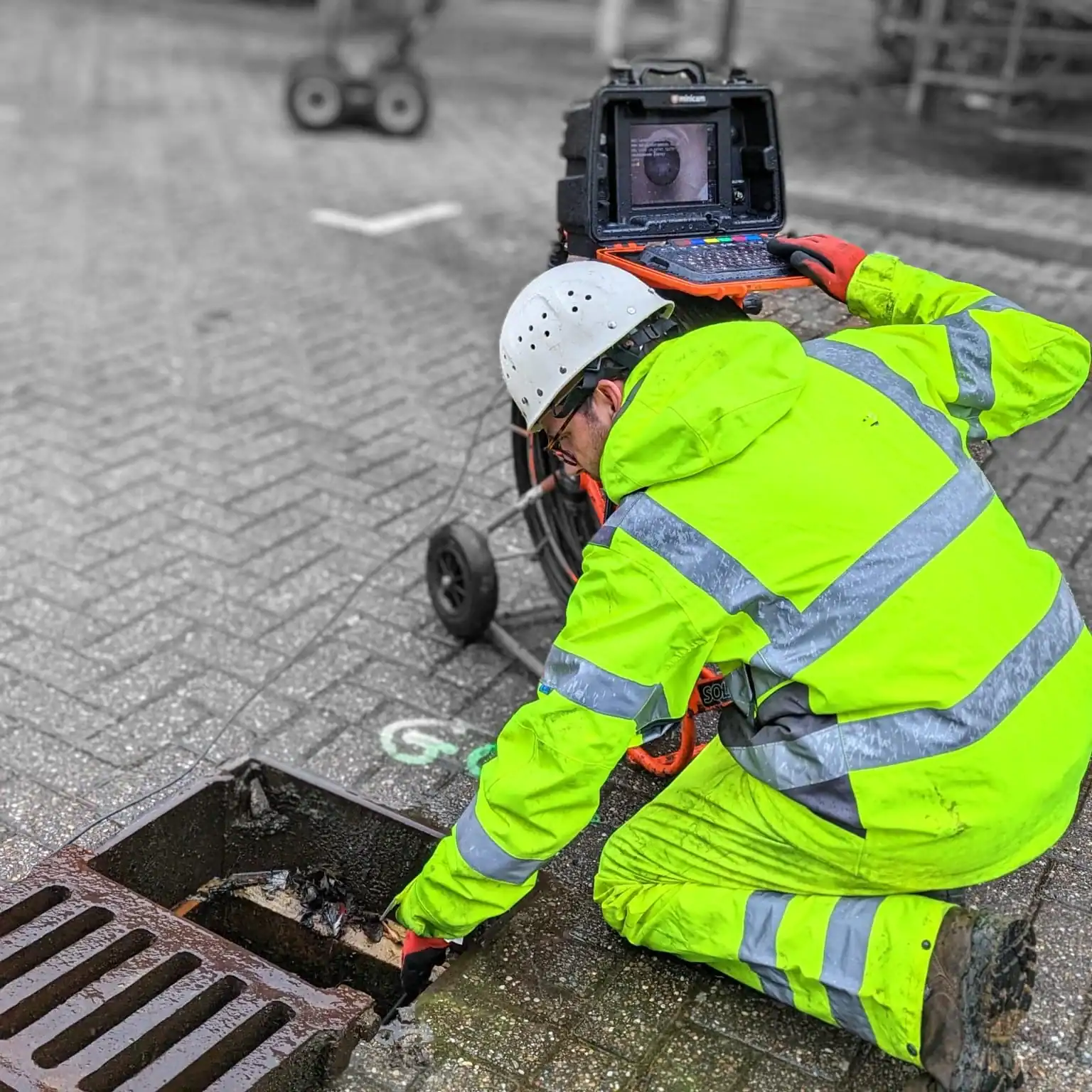
Suffolk County regulations require septic system inspections every three years for most residential properties. That’s not a suggestion—it’s a mandatory reporting requirement designed to protect Long Island’s groundwater quality.
If you’re buying or selling property, you’ll need a current inspection regardless of when the last one was completed. Mortgage lenders typically won’t approve loans for properties with septic systems unless you provide recent inspection documentation. That means even if your system was inspected two years ago, you might still need a new assessment to satisfy financing requirements.
Beyond regulatory compliance, annual inspections make sense if your system is over 20 years old or if you’ve noticed any performance issues. Catching problems early—before they become emergencies—saves you from dealing with system failures that require expensive excavation and replacement.
A failed inspection doesn’t automatically mean you need a complete replacement. It means we’ve identified issues that require attention before your system meets compliance standards or satisfies real estate transaction requirements.
Minor failures might involve pumping an overfull tank, repairing damaged baffles, or addressing drainage issues in your leach field. These repairs typically restore function without major excavation. More serious failures—like a collapsed tank, saturated leach field, or system that’s contaminating groundwater—require more extensive work.
For real estate transactions in South Huntington, failed inspections give buyers negotiating leverage. Sellers often credit repair costs or complete the work before closing. If you’re the buyer, a failed inspection protects you from inheriting someone else’s septic emergency. You’ll know exactly what you’re dealing with before you own the property, and you can make informed decisions about whether to proceed, renegotiate, or walk away.
Real estate septic inspections in South Huntington follow the same process as standard compliance inspections, but the documentation requirements are more stringent. Lenders want detailed reports that confirm your system meets health department standards and won’t create liability issues after closing.
That means we provide comprehensive written assessments with specific measurements, photographs of all components, and clear statements about system condition. We document tank capacity, structural integrity, and whether your leach field is functioning properly. This paperwork becomes part of your closing package and satisfies both lender requirements and buyer due diligence.
For point-of-sale septic inspection, timing matters. You want the assessment completed early enough that if repairs are needed, you have time to address them before your closing date. Waiting until the last minute creates unnecessary stress and can delay transactions if problems surface that require immediate attention.
Cesspools are older waste management systems that collect sewage in underground chambers where liquid slowly seeps into surrounding soil. They don’t separate solids or treat wastewater—everything just sits in a hole until it percolates away. Most South Huntington homes built before the 1970s have cesspools.
Septic systems are more sophisticated. They include a tank that separates solids from liquids, allowing heavier waste to settle while clearer effluent flows into a leach field for soil treatment. This two-stage process reduces groundwater contamination and extends the system’s functional life.
Here’s what matters for your inspection: if your cesspool fails, Suffolk County regulations prohibit replacing it with another cesspool. You’re required to upgrade to a compliant septic system, which involves more extensive installation and different maintenance requirements. Knowing whether you have a cesspool or septic system—and understanding its condition—helps you plan for eventual replacement before you’re forced into an emergency upgrade.
Technically, New York doesn’t require sellers to inspect septic systems before listing property. Practically, you’re not getting through a real estate transaction without one.
Mortgage lenders require septic inspections before approving loans on properties with on-site waste management systems. If your buyer needs financing—and most do—they’ll need current inspection documentation before closing. Refusing to provide it kills deals and eliminates most potential buyers from consideration.
Smart sellers in South Huntington complete inspections before listing. You’ll know exactly what you’re selling, you can address any issues on your timeline instead of scrambling during attorney review, and you remove a major objection that buyers use to renegotiate price. Properties with current inspection reports and documented system maintenance sell faster and command better prices than homes where the septic system is a question mark.
The most important preparation is locating your system components. If you know where your tank and distribution box are buried, that saves time and reduces the area we need to excavate. Check your property survey or previous inspection reports for location details.
Clear the area around your suspected tank location. Move vehicles, lawn furniture, or anything else that might obstruct access. If you’ve landscaped over your system, understand that we’ll need to dig down to the tank—that might mean temporarily disturbing plantings or hardscaping.
Inside your home, make sure we can access all plumbing fixtures. We’ll run water through your system to observe flow and drainage, so toilets, sinks, and showers need to be functional. If you have any documentation from previous inspections, pumping records, or installation details, have those available. They help us understand your system’s history and identify potential problem areas before we start digging.
Other Services we provide in South Huntington