Hear From Our Clients

You’re about to close on a property in Mount Sinai, and the last thing you need is a septic surprise three months in. A real estate septic inspection tells you what’s actually happening below ground before you sign anything.
Suffolk County requires three-year inspections for every property with a private system. That’s not a suggestion. If the records are missing or outdated, you’re looking at potential compliance issues that can stall your sale or stick you with repairs you didn’t budget for.
A home buyer septic inspection covers everything from the tank to the drain field. You’ll know if sludge levels are too high, if the distribution box is cracked, if tree roots are compromising the lines. Mount Sinai’s sandy soil moves waste differently than other areas, which means systems here need attention every few years, not every decade. You want someone who understands that.
We’ve been doing this since 1998. Same family. Same commitment to getting it right the first time. We’re not a national chain that shows up with a checklist and zero context about Long Island systems.
Mount Sinai homeowners deal with coastal water tables, strict county regulations, and soil that drains fast but doesn’t forgive poor maintenance. We’ve seen what happens when inspections get rushed or skipped entirely. Our team uses camera inspection technology to go beyond surface-level checks, and we explain what we find in plain language, not jargon.
You’re not getting upsold. You’re getting a transparent report that tells you what’s working, what’s not, and what needs attention before it becomes a bigger problem.

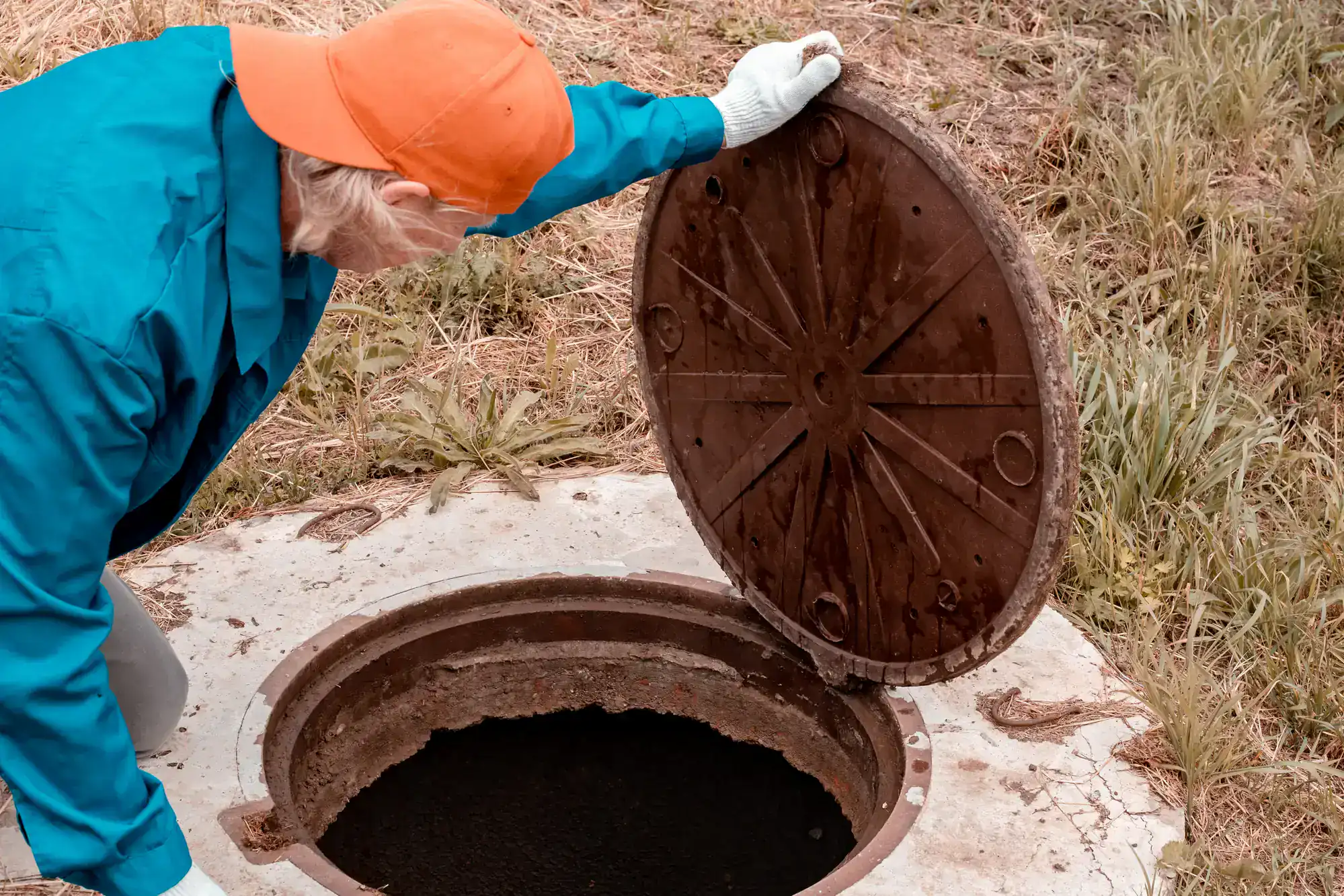
First, we locate and uncover your tank. That might sound simple, but plenty of systems in Mount Sinai have been buried for decades without clear records. Once we’re in, we measure sludge and scum levels to see how much solid waste has accumulated. If it’s more than a third of the tank’s capacity, your drain field is at risk.
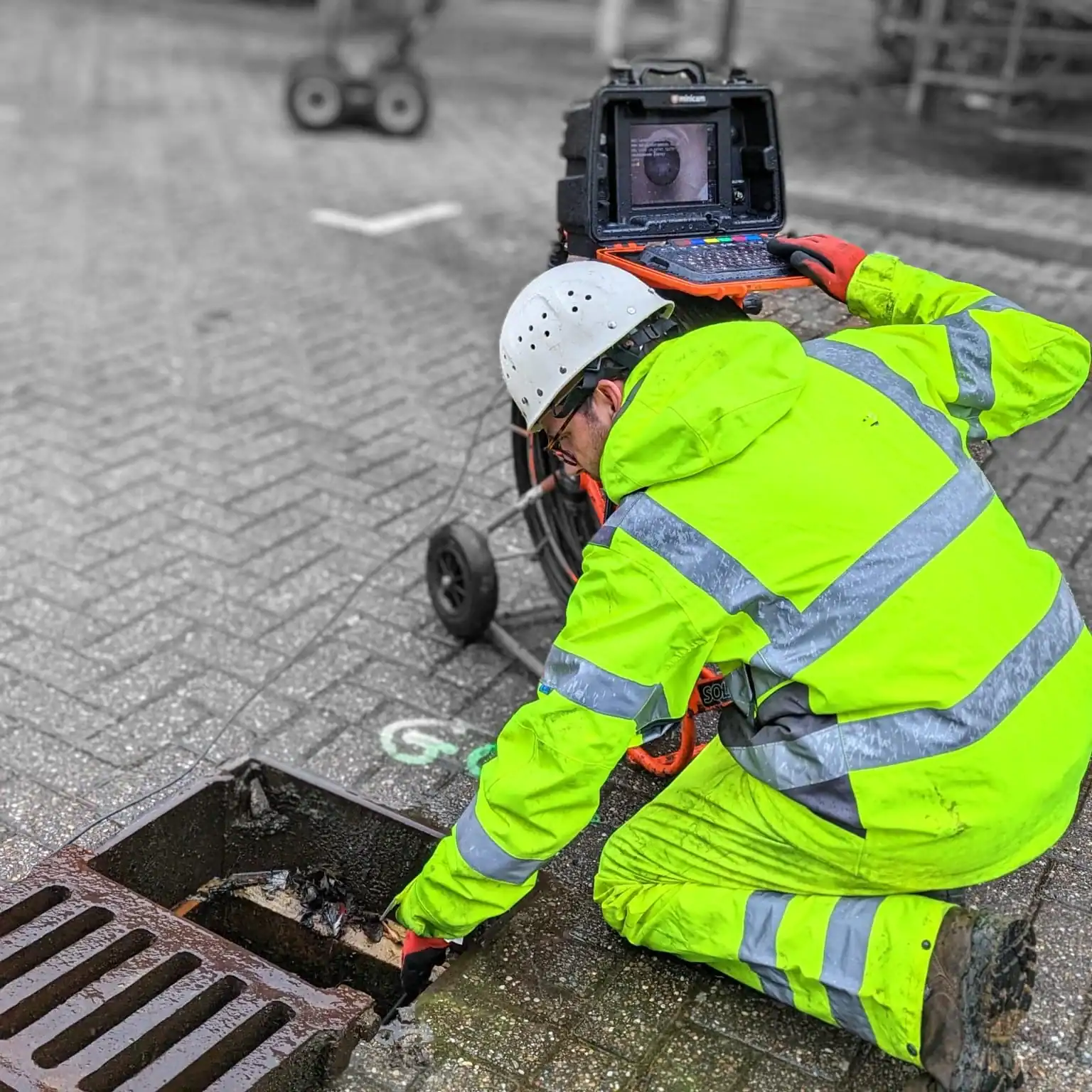
Next comes the camera inspection. We run a line through your system to check for cracks, root intrusion, or separation in the pipes. This is where most hidden problems show up—the stuff you can’t see from the surface but that will cost you later if ignored.
We also evaluate your drain field. Is it soggy? Are there odors? Is the grass greener in one spot than it should be? Those are signs of failure. We check separation distances from wells, property lines, and water bodies to make sure you’re compliant with Suffolk County environmental standards. The whole process takes a few hours, and you get a detailed report that explains what we found and what it means for your property.

Ready to get started?
A point-of-sale septic inspection in Mount Sinai covers more than just pumping the tank and calling it done. You’re getting a full evaluation of every component, from the plumbing connections inside your home to the final drainage area in your yard.
We inspect the tank for structural integrity. Concrete tanks crack over time, especially in areas with shifting soil or high water tables. Baffles can deteriorate, letting solids escape into the drain field and clogging the system. We check the distribution box to make sure wastewater is flowing evenly to all drain lines, not overloading one section.
Suffolk County has specific requirements for septic inspections tied to real estate transactions. Your inspection needs to be current, documented, and submitted to the county database. If you’re selling, outdated records can delay closing. If you’re buying, missing inspections are a red flag that the system may not have been maintained properly.
We also handle emergency septic inspection calls when you need answers fast. A backup the day before closing isn’t uncommon, and it usually points to a problem that’s been building for months. Whether it’s a routine check or a last-minute issue, you’re getting the same level of detail and honesty.
Suffolk County requires inspections every three years for all properties with on-site wastewater systems. That’s a hard rule, and it applies whether you’re selling, buying, or just maintaining your home.
Mount Sinai’s soil conditions mean your system might need attention more frequently than the county minimum. Sandy soil drains quickly, which sounds good until you realize it also means less filtration and faster movement of waste through the system. If your household is larger or you’ve had heavy water use, you might be looking at inspections every two years instead of three.
If you’re buying a home, ask for the inspection records upfront. Missing or outdated documentation can indicate deferred maintenance, and that’s a problem you don’t want to inherit. If you’re selling, make sure your records are current before you list. Buyers will ask, and lenders often require proof of a recent inspection before approving financing.
A failed inspection doesn’t mean your system is beyond repair, but it does mean something needs to be addressed before you can close on a sale or get a clean compliance report. Common failures include high sludge levels, cracked tanks, or drain fields that are saturated and no longer absorbing wastewater properly.
If sludge levels are too high, pumping the tank usually solves the issue. If there’s structural damage to the tank or distribution box, you’re looking at repairs that need to happen before the system passes. Drain field failure is more serious and sometimes requires replacement, especially if the soil is compacted or the field has been overloaded for years.
In Mount Sinai, failed inspections also trigger county involvement. Suffolk County tracks septic compliance, and if your system isn’t up to code, you’ll need to bring it into compliance or face fines. The good news is that most issues are fixable if you catch them early. That’s why routine inspections matter—they give you time to address problems before they become emergencies.
No. Suffolk County requires that septic inspections be performed by licensed, certified professionals who meet specific training and continuing education standards. If your inspector isn’t properly licensed, the inspection won’t be valid, and your lender or buyer may reject it.
A certified septic inspector knows what to look for and how to document findings in a way that satisfies county requirements. They also understand local regulations, which vary depending on where you are in Suffolk County. Mount Sinai has environmental considerations tied to coastal water tables and proximity to sensitive areas, and your inspector needs to account for those factors.
When you’re scheduling an inspection for a real estate transaction, ask about licensing upfront. You don’t want to pay for an inspection only to find out it doesn’t meet the standards your buyer or lender requires. A qualified inspector will also submit the results to the county database, which is part of the compliance process.
Pumping removes the solid waste that’s accumulated in your tank. An inspection evaluates the entire system to make sure it’s functioning properly and compliant with county regulations. You need both, but they’re not the same thing.
During an inspection, we’re checking for structural damage, measuring sludge levels, running cameras through the lines, and evaluating the drain field. Pumping is often part of the inspection process, especially if sludge levels are high, but it’s not the whole picture. You can pump a tank and still have a failing system if the drain field is saturated or the distribution box is cracked.
Suffolk County’s three-year inspection requirement is separate from pumping schedules. Some systems need pumping every year, others every three to five years, depending on household size and water use. The inspection tells you when pumping is necessary and whether there are other issues that need attention. If you’re preparing for a real estate transaction, both the inspection and any required pumping need to happen before closing.
Commercial septic inspection timelines depend on the size of your system and how many tanks or drain fields you’re working with. A small commercial property with a single tank might take a few hours. A larger facility with multiple tanks, grease traps, or high-volume usage could take most of a day.
Commercial systems in Mount Sinai face stricter oversight than residential properties, especially if your business involves food service, healthcare, or any activity that generates higher wastewater loads. Inspectors need to verify that your system is handling the volume it was designed for and that you’re in compliance with both county and state regulations.
If you’re buying a commercial property, the inspection should happen during your due diligence period. Septic issues can derail a commercial real estate transaction just as easily as residential ones, and the repairs tend to be more complex. If you’re operating a business, regular inspections keep you compliant and help you avoid unexpected shutdowns or fines from the county.
Call us immediately. Emergency septic inspection needs usually show up as backups, odors, or soggy areas in your yard that appear suddenly. These are signs that your system is failing or has already failed, and waiting makes the problem worse.
We’re available around the clock because septic emergencies don’t wait for business hours. If you’re in the middle of a real estate transaction and discover a problem the day before closing, we can get out there, assess the situation, and give you a clear answer about what’s happening and what needs to be done.
Mount Sinai’s coastal location means high water tables can sometimes overwhelm a system that’s been working fine for years. Heavy rain, seasonal water table changes, or a sudden increase in household water use can all trigger failures. An emergency inspection identifies the cause and helps you decide whether you need immediate repairs, pumping, or a more comprehensive fix. The faster you address it, the less damage you’ll deal with and the sooner you can get back to normal.
Other Services we provide in Mount Sinai