Hear From Our Clients

You’re not calling for an inspection because everything’s going great. You’re calling because you need to know what’s actually going on with your septic system—and whether it’s going to become a problem next month or next year.
A real estate septic inspection in Melville protects your transaction from falling apart at the last minute. Suffolk County requires documentation, and lenders won’t approve a mortgage without it. If you’re the seller, getting inspected early means you’re not scrambling to fix something during closing. If you’re the buyer, you’re not inheriting someone else’s deferred maintenance.
For homeowners who’ve been in their house a while, regular inspections keep you compliant with Suffolk County’s three-year requirement. More importantly, they catch the warning signs while you’re still in the repair stage—not the replacement stage. That’s the difference between a manageable fix and a full system overhaul that disrupts your property and your routine.
We’ve been handling septic and cesspool systems in Melville since 1998. We’re a small, family-owned team that knows Long Island’s soil conditions, understands the local regulations, and doesn’t oversell services you don’t need.
Melville sits in an area where most properties rely on private septic systems. The sandy soil here drains fast, which sounds good until you realize it also means less natural filtration and more strain on your system. We’ve seen what happens when inspections get skipped, and we’ve helped plenty of homeowners avoid that scenario.
We’re licensed with Suffolk County Consumer Affairs, fully insured, and we keep things straightforward. You’ll get honest answers, complete documentation, and a clear sense of what’s working and what’s not.

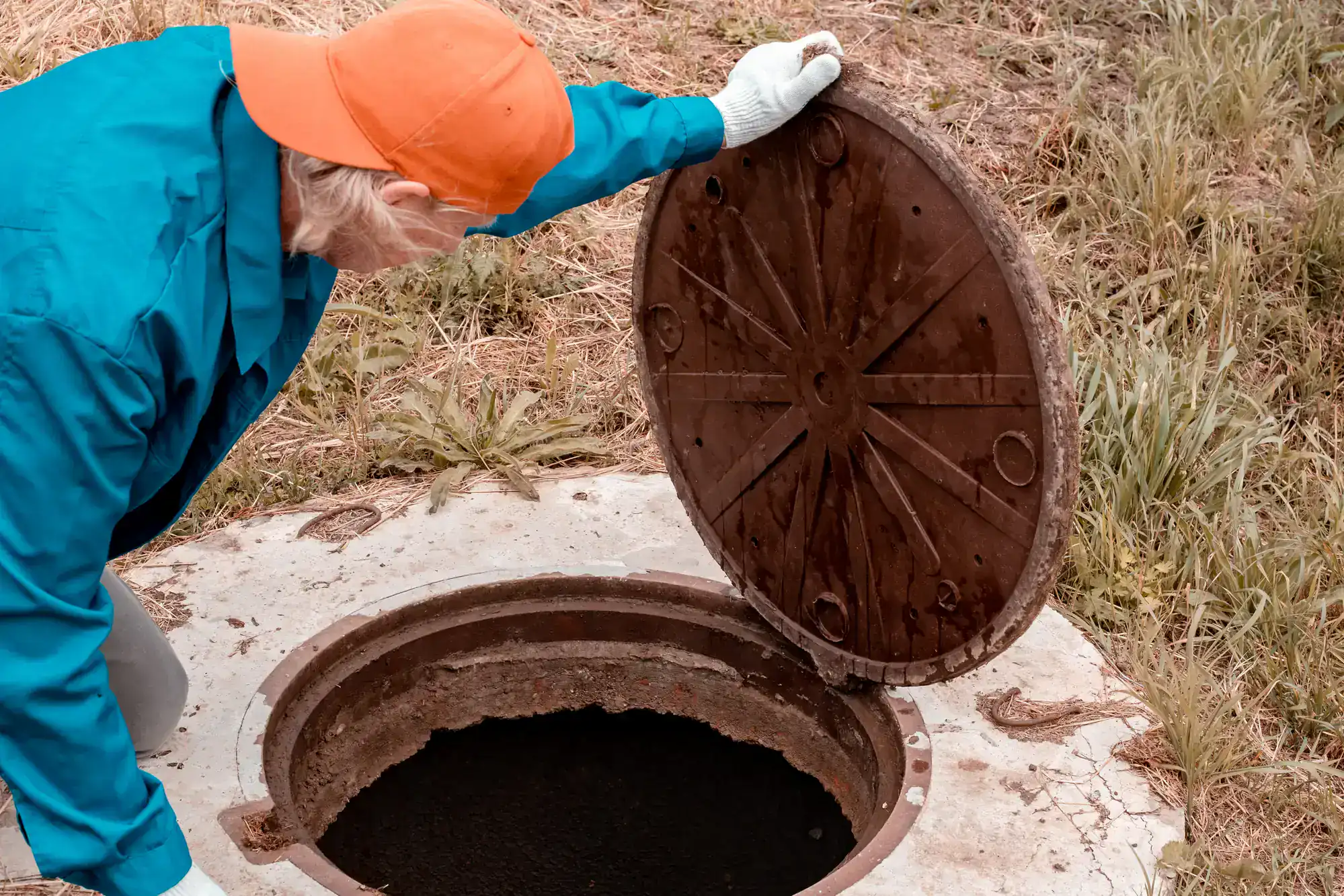
We start by locating your tank and accessing the inspection ports. Depending on your property, that might mean uncovering the lid or using existing access points. Once we’re in, we measure sludge and scum levels to see how much solid waste has accumulated since your last pump.
Next, we inspect the tank itself—checking for cracks, corrosion, or structural issues that could lead to leaks or collapse. We also evaluate the baffles and outlet filters, which are critical for keeping solids from reaching your leach field. If those components are damaged or missing, your system isn’t functioning the way it should.
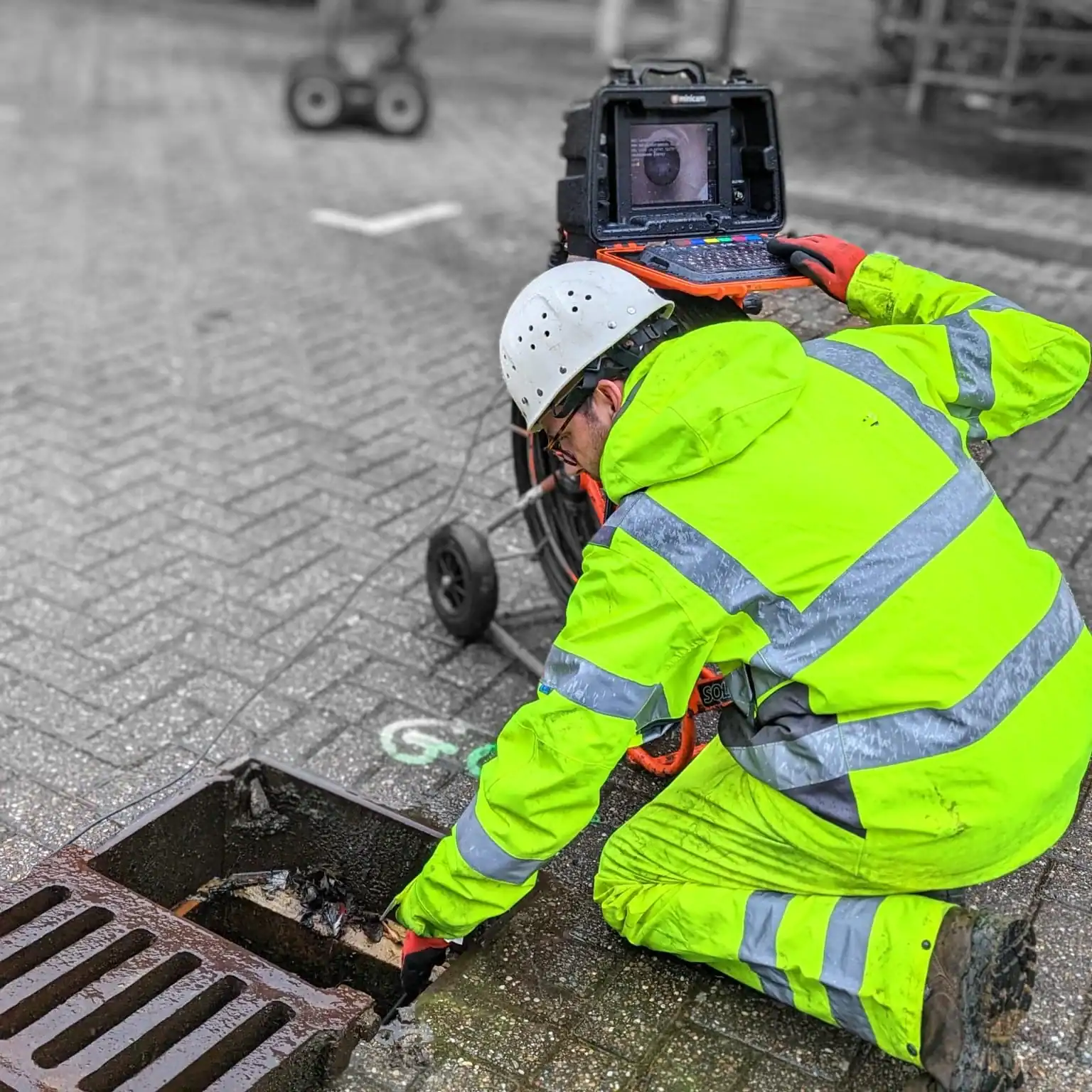
For point-of-sale septic inspection in Melville, we go further. We’ll check the distribution box, inspect visible portions of the leach field, and look for signs of surfacing wastewater or soil saturation. We use camera technology when needed to get a clear view of what’s happening inside the tank and pipes.
You’ll receive full documentation of what we found, including photos and recommendations. If your system needs pumping, repairs, or upgrades, we’ll explain what’s required and why—without the pressure tactics.

Ready to get started?
Our septic inspection in Melville, NY covers every component that affects system performance and compliance. We evaluate sludge levels, tank integrity, baffles, outlet filters, distribution boxes, and visible leach field conditions. You’re not getting a quick visual check—you’re getting a full assessment.
For home buyer septic inspection in Melville, this level of detail matters. Suffolk County’s regulations are strict, and mortgage lenders require thorough documentation before approving loans on properties with septic systems. If the inspection reveals issues, you’ll know exactly what you’re dealing with before you close.
Melville homeowners dealing with older cesspools face additional scrutiny. Since 2019, Suffolk County banned new cesspool installations, which means every existing cesspool is operating on borrowed time. Our inspections help you understand where your system stands and what timeline you’re looking at for upgrades or replacements.
We also handle commercial septic inspection in Melville for businesses that need compliance documentation or routine evaluations. The process is similar, but we adjust our approach based on usage levels and system size.
Suffolk County requires septic system inspections every three years for residential properties. That’s the legal minimum, and skipping it can result in fines.
But the three-year rule is about compliance, not necessarily about protecting your system. If you’re buying or selling a home, you’ll need an inspection regardless of when the last one happened. Lenders and buyers expect current documentation as part of the transaction.
For older systems or properties with higher usage, inspecting more frequently makes sense. It’s easier to address small issues during a routine check than to deal with a failure that could’ve been prevented. If you’re not sure when your last inspection was, or if you’ve never had one done, now’s the time.
A failed inspection doesn’t mean your system is beyond repair—it means something needs attention before it meets compliance standards or before a real estate transaction can move forward.
Common issues include high sludge levels that require pumping, damaged baffles that need replacement, or cracks in the tank that need sealing. These are fixable problems, and addressing them early prevents bigger failures down the line.
If you’re selling a home and the inspection reveals issues, you’ll need to handle repairs before closing or negotiate with the buyer. If you’re the buyer, a failed inspection gives you leverage to request repairs or adjust the purchase terms. Either way, you’re better off knowing what’s wrong than discovering it after money changes hands.
Yes. Suffolk County’s three-year inspection requirement applies to all residential septic systems, regardless of whether you’re involved in a real estate transaction.
Beyond compliance, regular inspections protect you from unexpected failures. Most septic problems don’t announce themselves until they’ve already caused damage. By the time you notice slow drains, soggy spots in the yard, or sewage odors, you’re already looking at a repair situation.
Inspections catch issues while they’re still manageable. You’ll know when your tank needs pumping, whether components are wearing out, and what kind of timeline you’re working with for future maintenance. That’s valuable information for budgeting and planning, especially if you’re dealing with an older system that’s approaching the end of its lifespan.
Most residential septic inspections in Melville take between one and two hours, depending on system size, accessibility, and what we find during the evaluation.
If your tank is easy to locate and access, and if the system is in good condition, we’re on the faster end of that range. If we need to locate the tank, dig to access the lid, or use camera equipment to inspect pipes and baffles, it takes longer.
For real estate transactions, we build in extra time to ensure the documentation is thorough. Lenders and buyers expect detailed reports, and we don’t rush through inspections just to check a box. You’ll get a complete assessment with photos, measurements, and clear explanations of what we found.
Technically, yes—but not all inspectors provide the level of detail that lenders and buyers expect. A home buyer septic inspection in Melville needs to meet specific standards, and incomplete documentation can delay or derail your closing.
We’re licensed with Suffolk County Consumer Affairs, which means we’re authorized to perform inspections that satisfy regulatory and lending requirements. Our reports include everything needed for compliance, and we understand what lenders are looking for when they review septic documentation.
If you’re working with a real estate agent or attorney, they’ll likely have recommendations for certified septic inspectors in Melville. Just make sure whoever you hire provides complete documentation and doesn’t cut corners. The last thing you need is a re-inspection because the first one didn’t cover everything.
Pumping removes the solid waste that accumulates in your tank over time. Inspection evaluates the condition of your entire system and determines whether pumping is needed.
You can pump your tank without inspecting it, but that’s a missed opportunity. Pumping only addresses the sludge—it doesn’t tell you if your baffles are broken, your tank is cracked, or your leach field is failing. An inspection gives you the full picture.
During an inspection, we measure sludge levels to see if pumping is necessary. If your tank is more than a third full of solids, it’s time to pump. But we’re also checking components that affect long-term performance, not just immediate capacity. That’s how you stay ahead of problems instead of reacting to them.
Other Services we provide in Melville