Hear From Our Clients
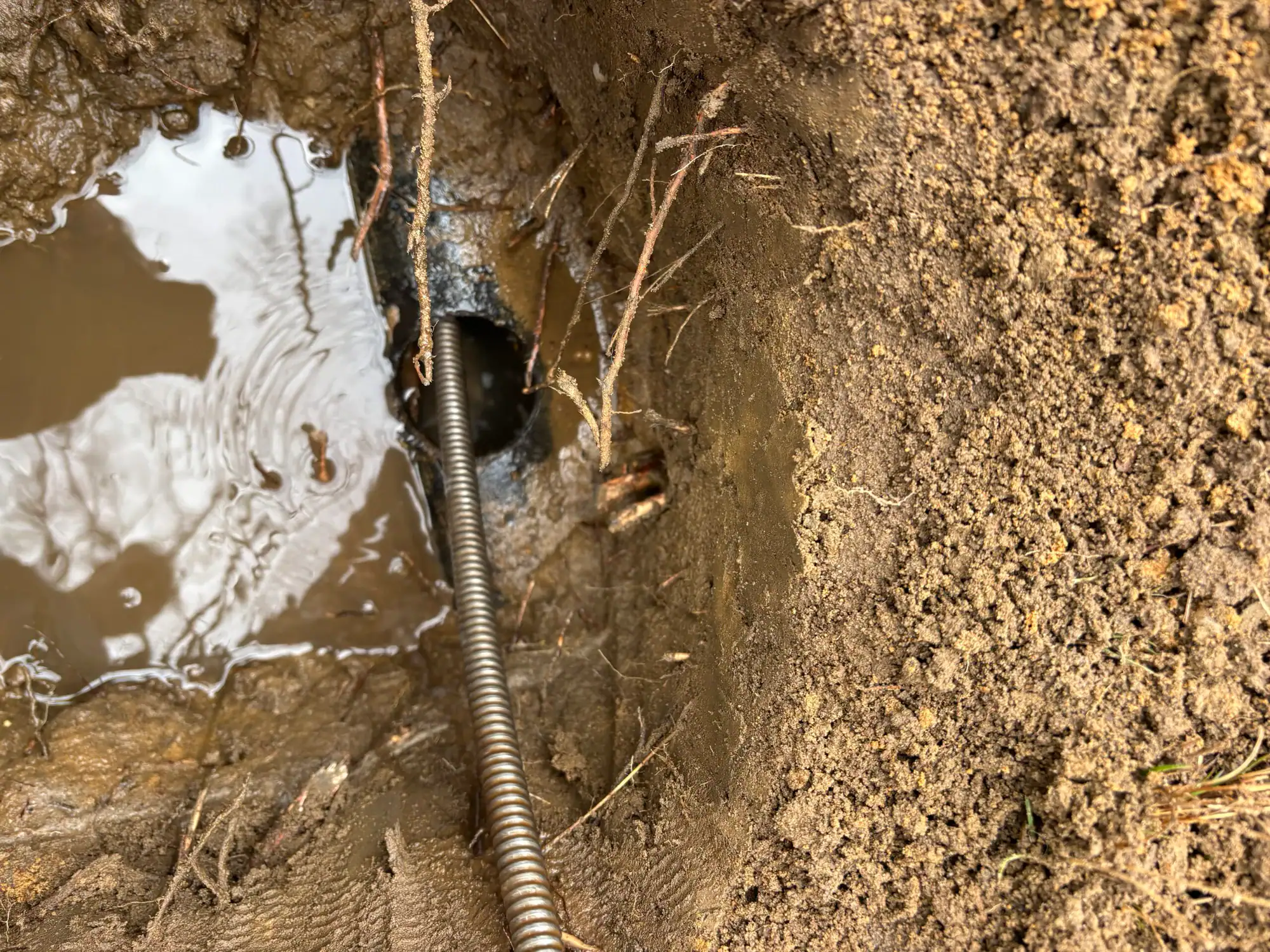
When your cesspool installation in Old Field, NY is done right, you’re not dealing with backup emergencies or regulatory violations. You’re getting a system designed for Suffolk County’s sandy soil that handles your household’s wastewater volume without flooding your yard or contaminating groundwater.
The difference shows up in how the system performs over time. A professional installation means your distribution components are sized correctly for your property, your treatment unit is positioned to work with natural drainage patterns, and your leaching field has the capacity it needs to function year after year.
You’ll also have documentation that proves compliance with current Suffolk County requirements. That matters when you need permits, when you’re protecting your property value, and when you want to access grant programs that can offset a significant portion of installation expenses. The right system eliminates guesswork about whether you’re meeting nitrogen reduction standards or if your setup will pass inspection.
We’ve been handling cesspool and septic work in Suffolk County for over 25 years. That means we’ve installed systems through multiple regulatory changes, worked with every soil condition Long Island throws at us, and helped hundreds of Old Field homeowners navigate the permitting process without the confusion that usually comes with it.
Our team knows the difference between what works in theory and what actually performs in Old Field’s specific environment. We’re licensed through Suffolk County Consumer Affairs, fully insured, and we keep current on every update to nitrogen reduction requirements and I/A OWTS standards.
You’re working with people who live here, understand the local regulations, and have relationships with the county offices that process your permits. That local knowledge speeds up timelines and prevents the delays that happen when installers don’t know Suffolk County’s specific requirements.

Your installation starts with a site evaluation. We’re looking at soil conditions, water table depth, setback requirements from wells and property lines, and how much daily wastewater volume your system needs to handle. This determines what type of system you need and where it can be positioned on your property.
Once we have permits approved, excavation begins. We’re removing soil to create space for your treatment tank, distribution box, and leaching field. The depth and dimensions are calculated based on your specific soil percolation rate and the system capacity required for your household size.
Installation of the treatment components comes next. Your tank goes in first, positioned to receive wastewater from your home and begin the separation process. The distribution box connects to direct treated effluent to your leaching field, which is sized and configured based on how quickly your soil absorbs liquid.
After all components are installed and connected, we backfill carefully to avoid shifting or damaging any part of the system. Final connections to your home’s plumbing happen last, followed by system testing to confirm everything functions as designed. Most residential cesspool installations in Old Field take between two and five days depending on soil conditions and system complexity.

Ready to get started?
Your cesspool installation in Old Field includes the complete system: treatment tank with engineered baffles for solid-liquid separation, distribution box to manage effluent flow, and a properly sized leaching field designed for Long Island’s soil characteristics. You’re also getting all necessary connections between components and from your home’s plumbing to the new system.
We handle the permit applications with Suffolk County, including the technical documentation that shows your system meets current nitrogen reduction standards. For Old Field properties, this often means demonstrating compliance with I/A OWTS requirements that became mandatory in 2019 for new installations.
Site restoration is part of the job. After installation and testing are complete, we restore your property to leave your yard in usable condition. That includes proper grading around the system area to prevent water from pooling and ensuring surface drainage works with your new cesspool rather than against it.
You’ll receive documentation of the installation, including system specifications, maintenance requirements, and the inspection records that prove your system was installed to code. This paperwork matters for future service needs, property transactions, and accessing any grant programs Suffolk County offers for qualifying installations.
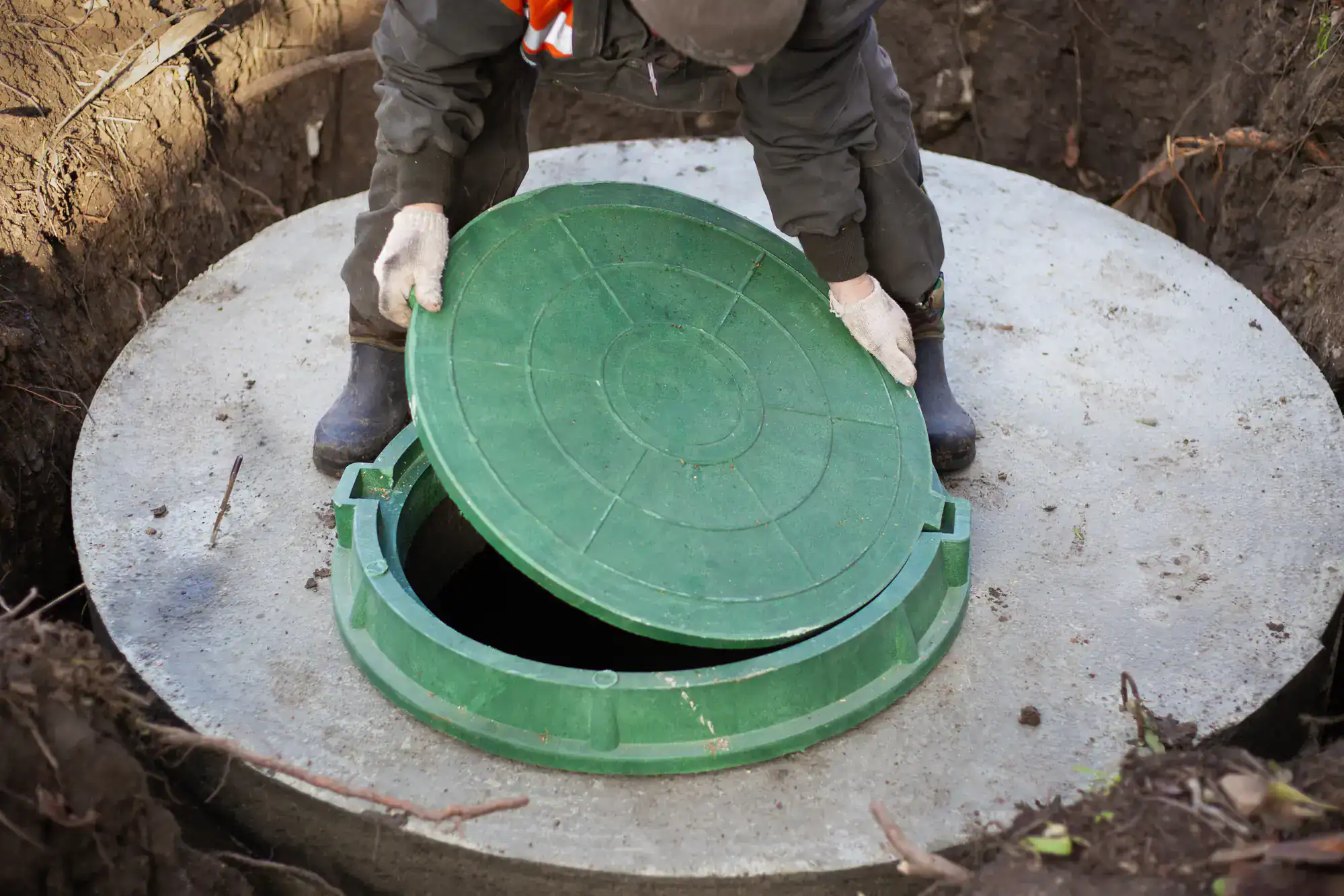
Suffolk County banned traditional cesspool installation starting July 1, 2019. If you’re installing a new system or replacing a failed one, you need an advanced treatment system that reduces nitrogen in wastewater by up to 70% before it reaches groundwater.
These systems are called I/A OWTS—Innovative and Alternative Onsite Wastewater Treatment Systems. They include a treatment tank that does more than just separate solids from liquids. The treatment component uses specific processes to remove nitrogen, which is the main pollutant causing problems in Long Island’s groundwater and surrounding bays.
The exact system type depends on your property size, household wastewater volume, and soil conditions. Some properties need larger treatment tanks or expanded leaching fields based on how quickly your soil absorbs liquid. A site evaluation determines what works for your specific situation and meets Suffolk County’s current requirements.
Most residential cesspool installations in Old Field take between two and five days once permits are approved and work begins. The timeline depends mainly on your soil conditions and the system size your property requires.
Day one typically involves excavation and site preparation. If we hit hardpan or encounter high water table issues, that can extend the excavation phase. Days two and three cover installing the treatment tank, distribution components, and leaching field. Days four and five include backfilling, making final connections to your home, and testing the complete system.
Weather affects the schedule. Heavy rain can delay excavation or backfilling because we need stable soil conditions to position components correctly. The permit approval process happens before installation starts, and that timeline varies based on current application volume at Suffolk County offices. Planning for several weeks between application and approval gives you a realistic expectation.
Suffolk County offers grants up to $30,000 for qualifying cesspool and septic system installations. The program specifically targets advanced nitrogen-reducing systems, which is what you’re required to install anyway under current regulations.
Eligibility depends on your property location, household income level, and whether your current system has failed or you’re doing a proactive upgrade. Properties in areas identified as critical for water quality protection often receive priority. The application process requires documentation of your current system status, proof of property ownership, and income verification.
Grant processing currently takes several months for non-emergency upgrades. If your system has failed and you’re dealing with an immediate health hazard, emergency applications can move faster. The county also offers loan programs with favorable terms if you don’t qualify for the full grant amount but still need financial assistance. We can point you toward the current application requirements and help you understand which program fits your situation.
Long Island’s soil is predominantly sandy, which affects how quickly wastewater percolates through the ground and how your leaching field needs to be designed. Sandy soil drains faster than clay or loam, which sounds good but actually creates challenges for proper wastewater treatment.
When effluent moves through soil too quickly, there’s less time for natural filtration and bacterial breakdown of contaminants before the liquid reaches groundwater. That’s one reason Suffolk County now requires advanced treatment systems that remove nitrogen before wastewater even enters the leaching field. The soil alone can’t handle the treatment load.
Your leaching field size and configuration need to account for this rapid percolation. We’re designing the absorption area to spread effluent across enough soil surface that treatment can happen even with fast drainage. The depth of your water table also matters—Old Field properties near the coast sometimes have higher water tables that limit how deep we can install system components. A proper site evaluation identifies these conditions before installation starts so your system is designed to work with your specific soil characteristics.
No. Suffolk County closed that option on July 1, 2019. If your cesspool fails now, you can’t install another traditional cesspool. You’re required to upgrade to an advanced treatment system that meets current nitrogen reduction standards.
This regulation change happened because traditional cesspools don’t treat wastewater—they just collect it and let it seep into surrounding soil. That puts untreated sewage directly into the same aquifer that supplies drinking water for 2.8 million Long Island residents. Nitrogen from all those cesspools has caused serious water quality problems, including algae blooms, beach closures, and contamination of wells.
The new systems cost more than old-style cesspools, but they actually treat wastewater before it reaches groundwater. They also qualify for grant programs that can cover a substantial portion of installation expenses. If your current cesspool is still functioning, you can keep using it. But when it fails, the replacement has to meet 2019-forward standards. Planning ahead gives you time to explore grant options and budget for the upgrade rather than dealing with it as an emergency.
If you’re dealing with sewage backing up into your home or wastewater surfacing in your yard, that’s classified as a system failure and health hazard. Suffolk County has an expedited permit process for emergency replacements that moves faster than standard applications.
You’ll need documentation that proves the failure—usually an inspection report from a licensed cesspool company showing the system can’t function. That documentation supports your emergency permit application and may also qualify you for faster grant processing if you’re applying for financial assistance.
While permits are being processed, you need to minimize water use to prevent worsening the backup. That means limiting showers, laundry, and dishwashing to absolute essentials. Some situations require temporary pumping to remove accumulated wastewater until the new system can be installed.
We can inspect your current system, provide the documentation Suffolk County needs for emergency permits, and start the installation as soon as approvals come through. Emergency situations typically get permit responses within days rather than weeks, but you still need proper approvals before installation can legally begin. The key is getting the application submitted immediately with all required documentation so nothing delays the approval process.
Other Services we provide in Old Field