Hear From Our Clients
You stop worrying about whether your cesspool will fail during a family gathering. You stop wondering if you’re compliant with Suffolk County’s nitrogen reduction requirements. You stop losing sleep over whether the next heavy rain will flood your yard with sewage.
A properly installed cesspool system in Aquebogue means your wastewater gets treated the way it’s supposed to. The nitrogen levels drop before anything reaches Long Island’s aquifer. Your property value stays protected because buyers see a system that was done right the first time.
The difference between a system installed by someone who knows Suffolk County Article 6 regulations and someone who doesn’t shows up years later. One keeps working quietly in the background. The other becomes your most expensive home repair when it fails at the worst possible time.
We’ve been handling cesspool installation in Aquebogue since 1998. That means we installed systems under the old rules, and we’ve been installing them under the new nitrogen-reduction requirements since 2019.
We’re a family-owned operation based right here in Suffolk County. We’re not a franchise. We’re not trying to sell you the most expensive system because it pays us better. We’re the ones who show up, do the work, and stick around when you need service years later.
Aquebogue properties have their own quirks. The soil conditions here aren’t the same as they are ten miles west. We know what works on the North Fork because we’ve been installing systems here for over two decades.

First, we assess your property and figure out what system makes sense for your soil conditions and setback requirements. In Aquebogue, that means staying 100 feet from water wells and 20 feet from property lines. We handle the permit application with the Suffolk County Department of Health Services.
Once permits are approved, we schedule the excavation. The health department inspector comes out to verify the hole is in the right spot and the right size. Then we set the tanks—usually a septic tank followed by a leaching structure, since Suffolk County banned straight cesspools for new installations.
The inspector returns to check tank placement before we backfill. If you’re installing a nitrogen-reducing system, there’s additional equipment involved: pumps, control panels, and treatment chambers that give bacteria the environment they need to break down nitrogen. We connect everything, run the final inspection, and backfill.
Your yard looks torn up for a bit. Within a growing season, you’ll barely remember we were there. But the system we installed will be working quietly underground for the next 20 to 30 years.

Ready to get started?
You’re getting a system that meets current Suffolk County regulations. That’s not optional—it’s the baseline. But you’re also getting someone who coordinates every inspection, pulls every permit, and makes sure the health department signs off at each stage.
In Aquebogue, most new cesspool installations now include nitrogen-reducing technology. These systems use multiple tanks and pumps to create the right conditions for bacteria to remove at least half the nitrogen from your wastewater. That protects the aquifer that everyone on Long Island depends on for drinking water.
You’re also getting a system designed for your specific property. Suffolk County soil varies, and what works on one lot might not work on yours. We adapt the installation based on what we find when we dig, not based on what we assumed when we quoted the job.
Emergency cesspool replacement in Aquebogue works the same way, just faster. If your system fails completely, we prioritize getting you back online while still meeting every regulatory requirement. Emergencies don’t mean shortcuts.
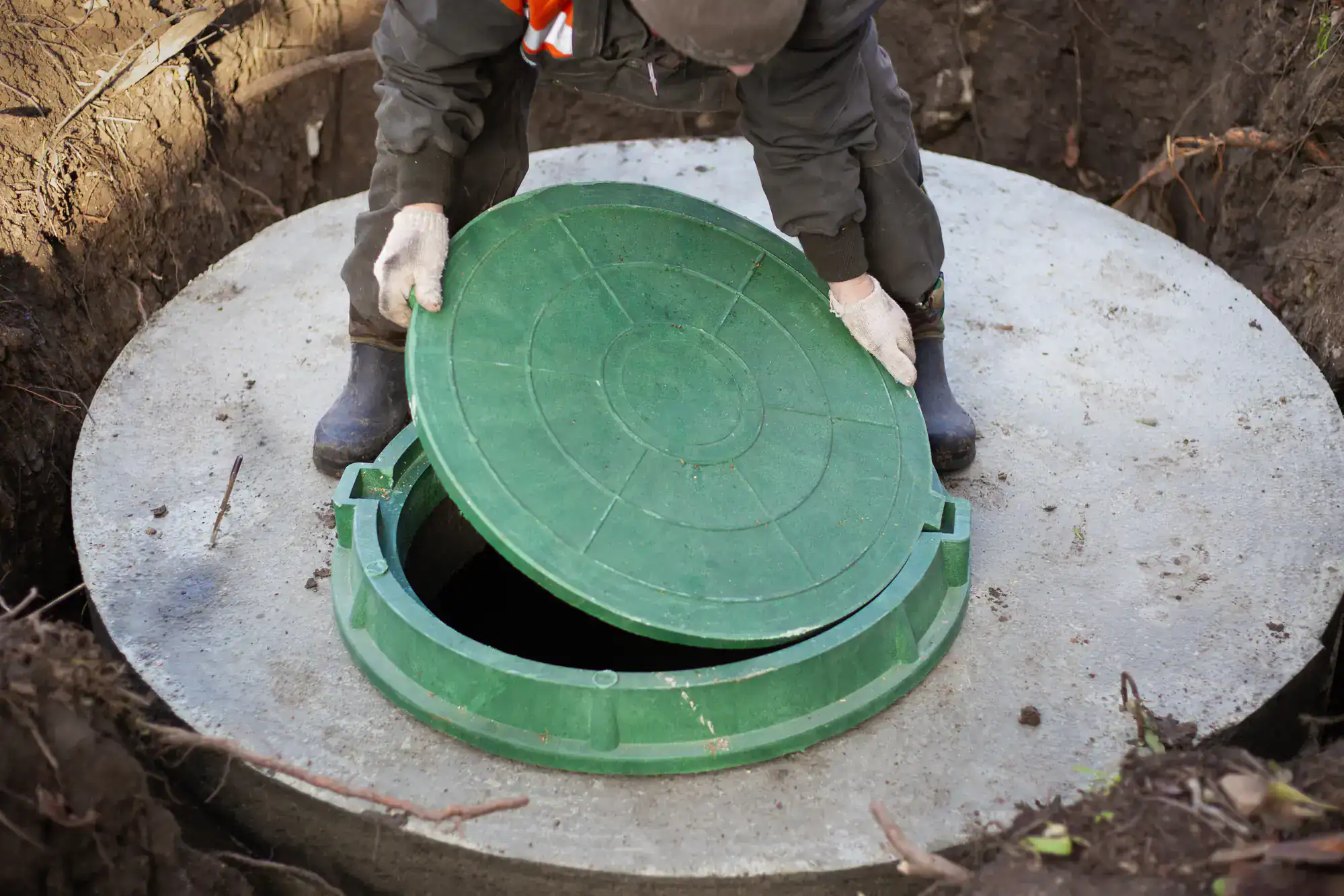
A traditional cesspool is just a hole in the ground where wastewater collects and seeps into the surrounding soil. It doesn’t treat the wastewater—it just stores it temporarily and lets it drain. A septic system includes a tank that separates solids from liquids, followed by a leaching structure that distributes the liquid into the soil.
Suffolk County banned new cesspool installations back in 2019. Now, every new installation has to include at least a septic tank before the leaching structure. Most installations also require nitrogen-reducing technology, which adds extra treatment stages to remove nitrogen before wastewater reaches the groundwater.
If you’re replacing an old cesspool in Aquebogue, you can’t just drop in another cesspool. You’re installing a full septic system that meets current Article 6 regulations. That’s a bigger project than it used to be, but it’s also a system that actually treats your wastewater instead of just dumping it into the ground.
The actual digging and installation usually takes two to three days, depending on your property and the system you’re installing. But the timeline from start to finish is longer because of permits and inspections.
You’re looking at a few weeks to get permits approved through the Suffolk County Department of Health Services. Then we schedule the work. The health department has to inspect at three stages: after excavation, after tank placement, and before final backfill. We coordinate those inspections, but they add time to the process.
If you’re installing a nitrogen-reducing system, there’s additional equipment to set up and test. If we hit ledge or groundwater when we dig, that can add time too. Weather matters—frozen ground in winter slows everything down. Most residential cesspool installations in Aquebogue take four to six weeks from permit application to final inspection, assuming no complications.
Probably. Suffolk County expanded its nitrogen-reduction requirements in 2021, and most new cesspool installations now need to include some form of advanced treatment. The exact requirements depend on where your property is located and what’s nearby.
If you’re within a designated nitrogen priority area, you’re definitely installing a nitrogen-reducing system. If you’re near surface water or in a zone where groundwater is already showing high nitrogen levels, same thing. The Suffolk County Department of Health Services makes the final call when you apply for your permit.
These systems aren’t optional add-ons—they’re part of the base requirement for most new installations in Aquebogue. They use a series of tanks and pumps to create the conditions bacteria need to break down nitrogen. The bacteria do the actual work; the equipment just gives them the right environment. It’s more complex than a traditional septic system, but it’s also what keeps Long Island’s drinking water safe.
If your cesspool fails completely—sewage backing up into your house, waste surfacing in your yard, or structural collapse—you need a replacement immediately. But even in an emergency, you still have to meet Suffolk County’s installation requirements and get the proper permits.
We prioritize emergency cesspool replacement in Aquebogue to get you back online as fast as possible. That means expediting the permit application, coordinating inspections on a tighter timeline, and scheduling the work as soon as approvals come through. The health department understands emergencies and usually moves faster on those permits.
You still can’t skip steps. You’re still installing a compliant system with a septic tank and leaching structure. You’re still getting inspections at each stage. The difference is we’re pushing everything through on an accelerated schedule instead of the normal timeline. Most emergency replacements in Aquebogue take one to two weeks from failure to final inspection, depending on how quickly permits get approved.
Yes, but it’s harder. Frozen ground makes excavation slower and more expensive. Cold temperatures affect how concrete cures, which matters if your system includes concrete tanks. Equipment access can be tricky if your property has snow cover or muddy conditions.
We’ve done plenty of winter cesspool installations in Aquebogue. It takes the right equipment and realistic expectations about what’s involved. If the ground is frozen solid, we might need to bring in heavier machinery or take extra time breaking through. If it’s just cold but not frozen, the installation process is pretty much the same as any other time of year.
The bigger issue is usually timing. If you can wait until spring, you’ll probably save some headaches and possibly some money. If your system failed and you need a replacement now, we’ll make it work. Winter installations are possible—they’re just not ideal. The system we install in January works the same as one we install in June; it just takes more effort to get it in the ground.
Your new cesspool system has to be at least 100 feet from any water well and at least 20 feet from your property lines. Those are the main setbacks that affect most Aquebogue properties. There are additional requirements if you’re near surface water, wetlands, or other protected areas.
The 100-foot well setback is the one that causes the most problems. If you have a small lot or your well is in an awkward spot, finding a location that meets setback requirements gets tricky. Sometimes we can work with the health department on a variance if there’s literally no other option, but that’s not guaranteed.
We figure out setbacks during the initial site assessment. We measure from your well, your property lines, and anything else that might trigger a setback requirement. Then we identify where your system can legally go. If your property can’t accommodate the required setbacks, we’ll know that before you spend money on a permit application. Most Aquebogue properties have enough space, but it’s always the first thing we verify.
Other Services we provide in Aquebogue