Hear From Our Clients
You’re not dealing with a simple repair anymore. Your system needs replacement, and Suffolk County’s regulations have changed since the last time you thought about this. The old approach of just dropping in another cesspool doesn’t fly anymore.
Here’s what you actually need: a properly sized system that accounts for your household’s wastewater output, soil conditions in your specific part of West Babylon, and the current environmental standards that went into effect in 2019. That means soil percolation testing before anything goes in the ground. It means coordinating inspections at excavation, tank placement, and backfill stages. It means documentation that proves compliance if you ever sell your property.
When the installation is done correctly, your new system handles wastewater efficiently without backing up, meets all health department requirements without last-minute scrambling, and protects your property value because everything’s documented and compliant. You’re not wondering if corners were cut. You’re not waiting for the other shoe to drop during a home inspection three years from now.
We’ve been handling cesspool and septic installations across Suffolk County for over 25 years. We’re based here, licensed here, and we’ve seen how West Babylon’s soil conditions and water table affect system performance firsthand.
Our team coordinating your installation knows Suffolk County’s permitting process inside and out. We schedule inspections, handle the paperwork, and make sure your installation moves forward without bureaucratic delays. You’re working with a family-owned company that’s been serving your neighbors since before the current environmental regulations even existed.
We’re not the biggest operation in Suffolk County. But when your installation is complete, you’ll have our direct contact information and a system installed by people who actually answer their phones.

First, we conduct soil percolation testing on your property. This determines how quickly water drains through your soil, which directly affects what size system you need and where it can be placed. West Babylon’s sandy soil typically percolates well, but we test your specific location rather than guessing.
Once we have the test results, we design a system that meets your household’s needs and Suffolk County’s current requirements. As of 2019, you can’t just replace an old cesspool with another cesspool. The minimum standard now requires a septic tank before the leaching structure. For new construction, nitrogen-reducing systems are mandatory.
We handle all permit applications with the Suffolk County Department of Health Services. When permits are approved, we schedule your installation and coordinate the required inspections. The health department needs to inspect at three stages: after excavation, after tank placement, and before final backfill.
Installation typically takes one to two days for residential properties. We excavate, place your tank and leaching system, connect everything properly, and backfill once the final inspection is complete. You receive all documentation showing your system was installed to code.

Ready to get started?
Your installation includes complete soil testing and system design based on your property’s specific conditions. We’re not using a one-size-fits-all approach. West Babylon properties vary in soil composition, lot size, and water table depth. Your system gets sized and positioned for your actual conditions.
All permit applications and health department coordination are handled by our team. You’re not navigating Suffolk County’s bureaucracy on your own or trying to figure out when inspections need to happen. We schedule everything and make sure inspectors have access when they need it.
The installation itself covers excavation, tank and leaching system placement, proper connection of all components, and backfill after final inspection approval. If you’re installing a nitrogen-reducing system to meet current environmental standards, that equipment is included and properly integrated.
You receive complete documentation of your installation, including permits, inspection records, and system specifications. This paperwork matters when you maintain your system and especially when you sell your property. Buyers and their inspectors want proof that your system was installed correctly and meets current regulations.
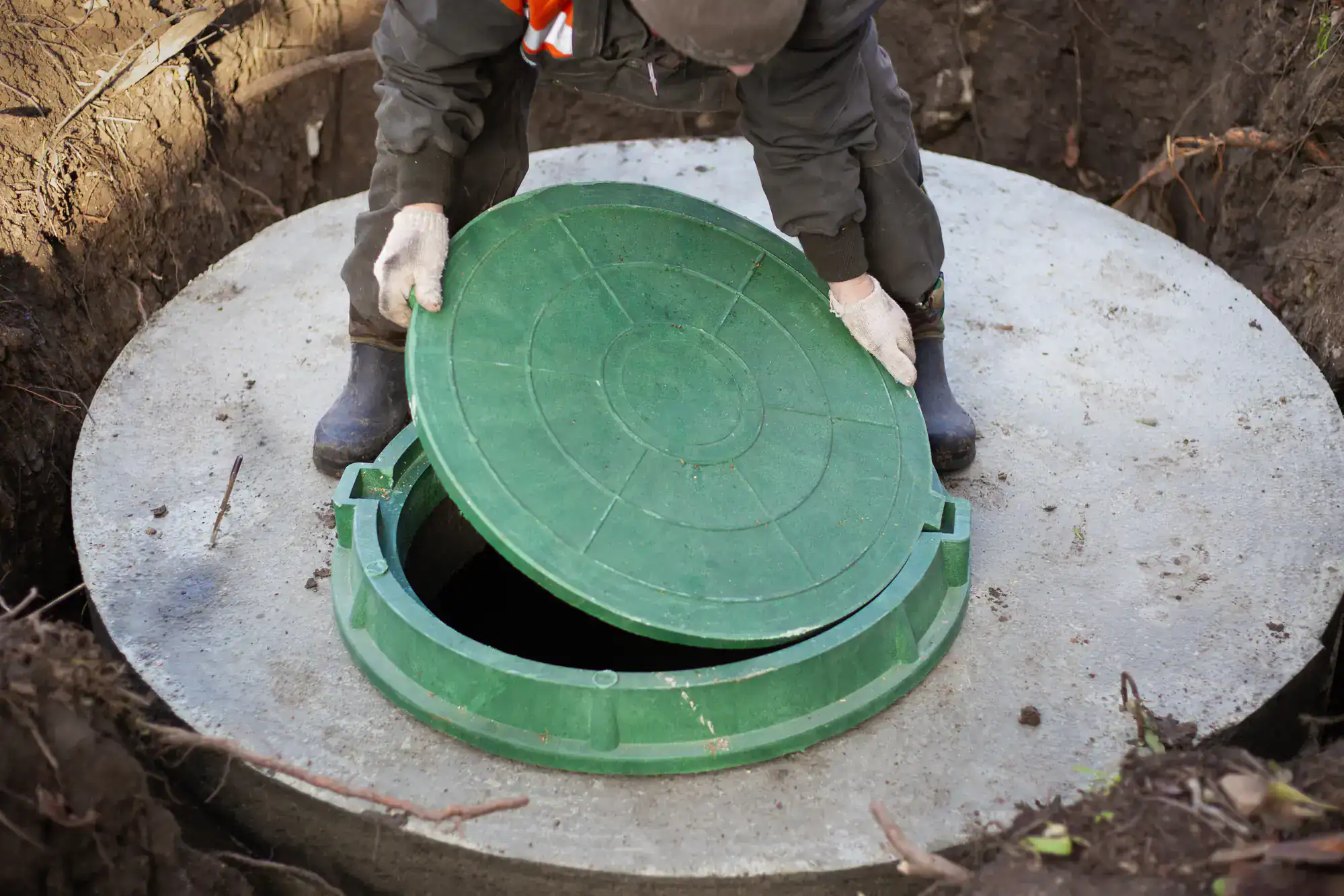
No, not anymore. Suffolk County banned cesspool-only installations in July 2019. If you’re replacing an existing system, the minimum requirement now is a septic tank followed by a leaching structure. You can’t just drop in another cesspool like you could before 2019.
For new single-family homes built after July 2021, the requirements are even stricter. You need an Innovative and Alternative Onsite Wastewater Treatment System, commonly called an I/A OWTS. These nitrogen-reducing systems treat wastewater more effectively than conventional septic systems.
The regulations changed because cesspools were identified as a primary source of nitrogen pollution affecting Long Island’s water quality. If you’re dealing with a failed cesspool right now, your replacement needs to meet the current standards, not the standards from when your old system was installed.
The actual installation work typically takes one to two days for a residential property. But the overall timeline from start to finish is longer because of required testing, permitting, and inspections.
Soil percolation testing happens first and takes a day. Then we design your system and submit permit applications to Suffolk County Department of Health Services. Permit approval usually takes two to three weeks, sometimes longer during busy periods.
Once permits are approved, we schedule your installation and coordinate with the health department for required inspections. They need to inspect after excavation, after tank placement, and before final backfill. If inspections happen smoothly and weather cooperates, your system can be fully installed and operational within a day or two of breaking ground. The key is proper planning and coordination upfront so the actual installation work moves quickly.
Poor soil percolation doesn’t mean you can’t install a system. It means we need to design a system that works with your soil conditions. West Babylon’s soil is typically sandy and drains well, but some properties have clay layers or high water tables that affect drainage.
If your soil percolates slowly, we can install a larger leaching area to compensate. More surface area gives wastewater more time and space to filter through slower-draining soil. In some cases, we might recommend a mound system that’s built above grade rather than buried entirely underground.
The percolation test exists specifically to prevent system failures down the road. Installing a system without knowing your soil’s drainage characteristics is asking for problems. The test tells us what will actually work on your property, and we design accordingly. Suffolk County’s health department requires these tests for exactly this reason.
It depends on what you’re doing. If you’re building a new single-family home, yes. Since July 2021, new construction in Suffolk County requires nitrogen-reducing I/A OWTS systems. These systems treat wastewater more effectively and reduce nitrogen pollution that’s been damaging Long Island’s water quality.
If you’re replacing an existing failed system, the minimum requirement is a septic tank and leaching structure. You’re not required to install a nitrogen-reducing system for replacements, but there are significant financial incentives to do so. Suffolk County offers grants up to $10,000 for I/A OWTS installations, with additional amounts available for qualifying homeowners.
Beyond the grants, nitrogen-reducing systems are becoming a selling point for properties. Buyers know they’re getting a modern system that meets the highest environmental standards and won’t need upgrading when regulations potentially tighten further. If you’re planning to sell within the next several years, the upgraded system can be a real advantage.
We handle all permit applications and inspection coordination with Suffolk County Department of Health Services. You’re not responsible for navigating the bureaucracy or figuring out when inspections need to happen.
The process requires permits before installation begins. We submit your application with soil test results and system design specifications. Once approved, we schedule your installation and notify the health department about inspection timing.
Three inspections are required during installation: after excavation to verify proper depth and location, after tank placement to confirm correct positioning and connections, and before final backfill to ensure everything meets code. We coordinate all three inspections and make sure inspectors have access to your property when needed. If an inspector identifies any issues, we address them immediately so your installation stays on track. You receive copies of all inspection reports and permits for your records.
You receive complete records of your installation including all permits, inspection reports, soil percolation test results, and system specifications. This documentation proves your system was installed to code and meets Suffolk County’s current environmental standards.
The paperwork matters more than most homeowners realize. When you maintain your system, service companies need to know what type of system you have, where components are located, and what capacity it was designed for. Your documentation provides all of that information.
When you sell your property, buyers and their home inspectors will ask about your cesspool or septic system. Having complete installation records shows the system was done correctly and is compliant with regulations. In Suffolk County’s current regulatory environment, that documentation protects your property value and makes transactions smoother. We make sure you have everything you need, and we keep copies in our records as well.
Other Services we provide in West Babylon