Hear From Our Clients
You get a system that works with Bohemia’s sandy soil and high water table instead of fighting it. That means fewer backups, longer system life, and one less thing to worry about when you’re already managing a property.
Your new cesspool system handles what your household puts into it without the guesswork of whether it’ll hold up. The installation meets current Suffolk County requirements, which changed significantly in recent years—so you’re not scrambling to upgrade again when regulations tighten further.
And you’re not left wondering if something was missed. The work gets inspected, the permits get filed, and the system gets built to handle Long Island’s specific conditions. You move forward knowing it was done correctly.
We’ve been serving Suffolk County since 1998. We’re a family-owned operation that understands what makes Bohemia different—the soil composition, the water table, the way systems age here versus other parts of the country.
We’re not learning on your property. We’ve handled residential cesspool installation and commercial cesspool installation across Bohemia and surrounding towns for over two decades. That means we know which systems hold up and which create problems down the road.
You’re working with a licensed, insured team that’s been here long enough to care about reputation. We’re not disappearing after the job. We’re still here when you need service, maintenance, or answers.

First, we evaluate your property to determine the right location and system size. That includes soil testing to understand absorption rates, because Bohemia’s sandy soil behaves differently than clay or loam. We’re looking at setback requirements, water table depth, and how your property drains.
Next, we handle the permits and inspections required by Suffolk County. Regulations changed in 2019 and again in 2021, so the system you’re installing today isn’t the same as what was allowed even a few years ago. We make sure everything’s filed correctly so you’re not dealing with compliance issues later.
Then comes excavation and installation. We dig to the right depth, install the tank and distribution system, and connect everything according to code. The work gets inspected at key stages to confirm it meets requirements. Once it’s approved, we backfill, restore your property, and walk you through what you need to know about your new system.
You get documentation showing the work was done right. That matters when you sell the property or need service years from now.

Ready to get started?
You get a complete system designed for Bohemia’s conditions. That means proper sizing based on your household or business needs, not a one-size-fits-all approach. We’re accounting for Long Island’s high water table and sandy soil that moves water faster than other regions.
The installation includes all necessary permits, inspections, and documentation. Suffolk County has specific requirements for cesspool systems, and we handle the paperwork so you’re not navigating that yourself. You get a system that’s compliant with current regulations, which protects you from fines or mandatory upgrades.
We also handle site restoration after installation. Your property gets backfilled and graded properly so you’re not left with a mess. And you get clear information about maintenance—what to watch for, when to schedule pumping, and how to keep the system running efficiently.
Emergency cesspool replacement works the same way, just faster. If your system failed and you need it handled immediately, we prioritize the work while still following proper installation procedures. You’re not sacrificing quality for speed.
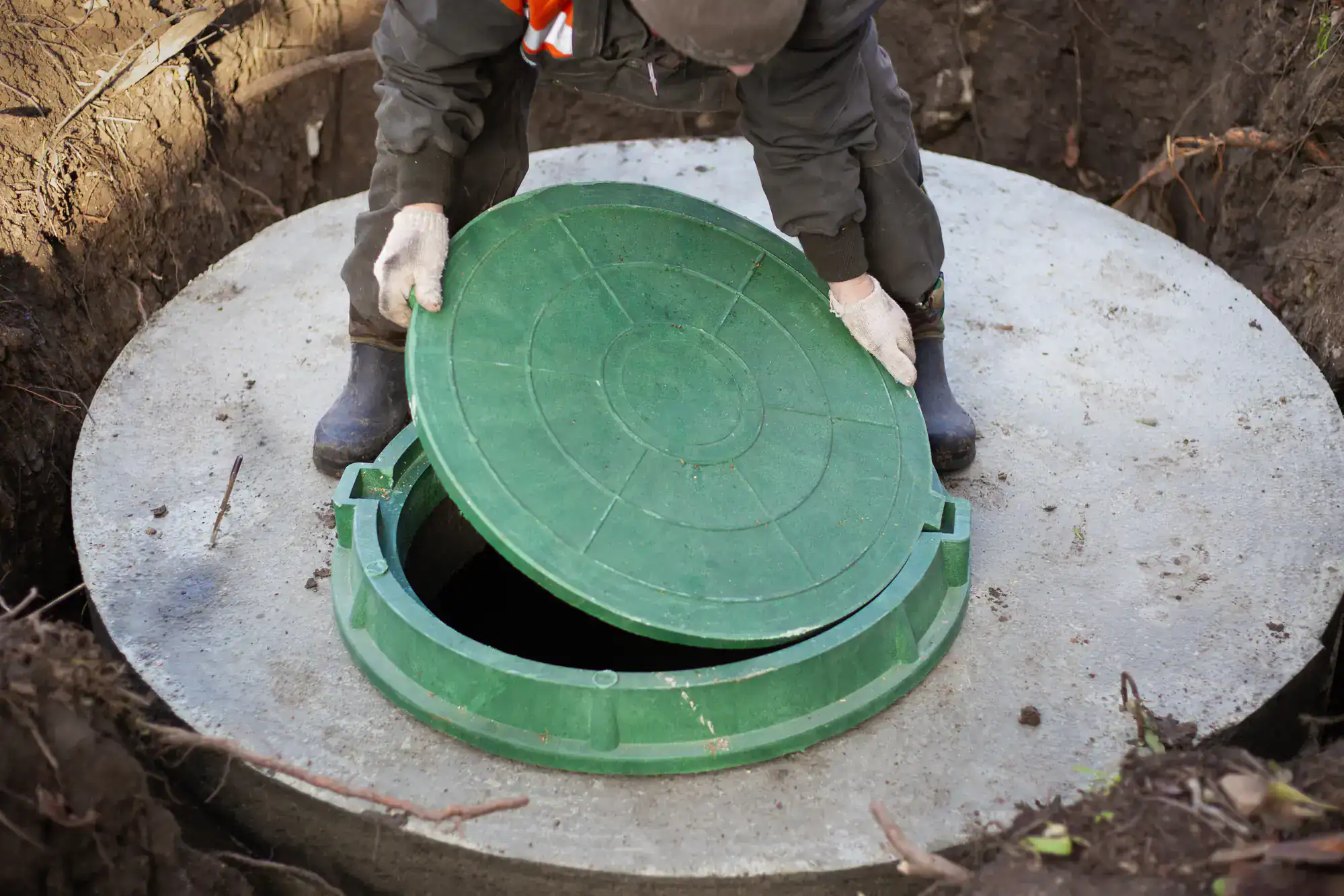
Most residential cesspool installations take two to four days from start to finish, depending on your property conditions and system complexity. That timeline includes excavation, installation, inspection, and site restoration.
The process can take longer if we’re dealing with difficult soil conditions, limited access to your property, or weather delays. Commercial cesspool installation typically takes longer because the systems are larger and require more extensive site work.
Permit approval adds time before we start digging. Suffolk County requires specific documentation and inspections, which can take a week or more depending on their schedule. We handle that process, but it’s worth knowing upfront so you can plan accordingly. If you’re dealing with emergency cesspool replacement, we prioritize the work and move as quickly as regulations allow.
Suffolk County banned traditional cesspool installation in 2019 and implemented nitrogen-reducing system requirements in 2021. That means new installations must use advanced treatment systems that reduce nitrogen levels in wastewater.
These regulations exist because Long Island’s drinking water comes entirely from underground aquifers. Older cesspools leak nitrogen and other contaminants directly into the ground, which eventually reaches the water supply. The new systems treat wastewater more effectively before it enters the soil.
Your installation needs to meet setback requirements from property lines, wells, and water bodies. The system also needs proper permits and inspections at specific stages of installation. We handle all of that, but it’s important to understand that the rules changed significantly in recent years. If someone’s telling you they can install a traditional cesspool, they’re either not current on regulations or they’re willing to cut corners that’ll create problems for you later.
System sizing depends on your household or business wastewater output, which is typically calculated based on the number of bedrooms in a home or daily water usage for commercial properties. Suffolk County has specific formulas for this.
But size isn’t just about capacity. Bohemia’s sandy soil with a high water table means your system works harder than the same system would in other parts of the country. Water moves through the ground faster here, which affects how large your distribution area needs to be.
We do soil percolation testing to measure absorption rates on your specific property. That tells us how quickly water drains and helps us design a system that won’t fail prematurely. A system that’s too small will overflow. A system that’s oversized for your soil conditions won’t function efficiently. We’re sizing it based on your actual needs and your property’s actual conditions, not generic estimates.
No. Suffolk County requires licensed professionals to install cesspool systems, and there are good reasons for that beyond just regulations.
Cesspool installation involves excavation near utility lines, proper system sizing based on soil testing, compliance with setback requirements, and multiple inspections. If any of that’s done incorrectly, you’re looking at system failure, property damage, or contamination of your drinking water supply.
You also won’t get permits approved without a licensed installer. That means your system is illegal, which creates problems when you try to sell your property or if the county discovers the unpermitted work. You could be forced to remove it and start over with a licensed contractor—except now you’ve paid twice and still don’t have a working system. The risk isn’t worth whatever you think you’re saving.
If your system fails completely, you need emergency cesspool replacement to prevent sewage backup into your home or property. We prioritize emergency work and move as quickly as possible while still following proper installation procedures.
Emergency replacement follows the same basic process as planned installation—site evaluation, permits, excavation, installation, and inspection. The difference is timeline. We expedite permit applications and schedule the work immediately instead of weeks out.
You’re still getting a system that meets current Suffolk County regulations and works with your property conditions. We’re not cutting corners just to get it done fast. A rushed installation that fails again in a year doesn’t help you. The goal is to get you back to normal as quickly as possible with a system that’s built to last. That means doing it right even when you’re under pressure.
Long Island’s sandy soil and high water table make cesspool systems work harder than they would in other regions. Water moves through the ground faster here, which affects system design and longevity.
The entire island relies on underground aquifers for drinking water. There’s no backup water source. That’s why Suffolk County implemented stricter regulations on cesspool systems—older systems were leaking contaminants directly into the sole water supply for millions of people.
You need an installer who understands these local conditions, not someone applying generic knowledge from other parts of the country. The soil composition, water table depth, and regulatory environment in Bohemia are specific to this area. We’ve been working here since 1998, so we know what holds up and what creates problems. That local knowledge matters when you’re installing a system that needs to last decades.