Hear From Our Clients
Your new cesspool system works the way it should. No sewage backing up into your home. No standing water in the yard. No calls from the county about violations.
You’re dealing with a system that’s been sized correctly for your property, installed to handle Peconic’s soil conditions, and built to last longer than the concrete boxes that failed after 15 years. The permits are filed. The inspections are passed. Your property records show a compliant system.
And you’re not wondering if something was missed or cut short. The installation meets Suffolk County’s Article 6 requirements, which means it’s handling nitrogen reduction the way the regulations demand. That matters for your drinking water and it matters for resale value when that time comes.
We’ve been installing and servicing cesspool systems across Suffolk County for over 25 years. We’re licensed, we’re local, and we know exactly what Peconic properties need when it comes to wastewater systems.
This isn’t a side service we picked up last year. It’s what we do, and we’ve done it for hundreds of homeowners and businesses dealing with the same sandy soil, high water tables, and strict county regulations you’re facing now.
You’re working with a family-owned company that shows up when we say we will, does the work without drama, and doesn’t disappear after the check clears. We support local veterans, first responders, and seniors because this community matters to us.

First, we assess your property. That means looking at soil conditions, water table levels, setback requirements from wells and property lines, and what size system you actually need based on your home or building. Not what sounds good, what the regulations and your usage require.
Then we handle the permits. Suffolk County requires specific documentation, soil testing results, and system design plans before any digging starts. We submit everything, coordinate with the county, and make sure you’re not waiting months because something was filled out wrong.
Once permits are approved, we excavate and install your new system. That includes the tank, distribution box, leach field if you’re moving to a septic system, and all connections. We’re working with equipment that doesn’t tear up more of your property than necessary, and we’re installing components that meet current code requirements.
After installation, the county inspector comes out to verify everything was done correctly. We’re there for that inspection, and we don’t leave until you have your final approval and documentation for your property records.

Ready to get started?
You’re getting a complete installation that meets Suffolk County’s current regulations. That means a nitrogen-reducing system if you’re in an area where Article 6 applies, proper setbacks from water sources, and sizing that matches your property’s actual needs.
Peconic properties deal with specific challenges. The soil drains differently than other parts of Long Island. The water table sits higher in some areas. These factors determine what type of system works and what fails in five years. We account for that during design and installation.
Your installation includes all permit applications and processing, soil testing and documentation, system design that meets county specifications, excavation and tank installation, connection to your home’s plumbing, and final inspection coordination. You’re not paying for the installation and then finding out permits cost extra or inspections weren’t scheduled.
We also handle commercial cesspool installation in Peconic, NY for businesses that need larger systems or have different usage patterns than residential properties. The process is similar, but the system design and permitting requirements are more complex.
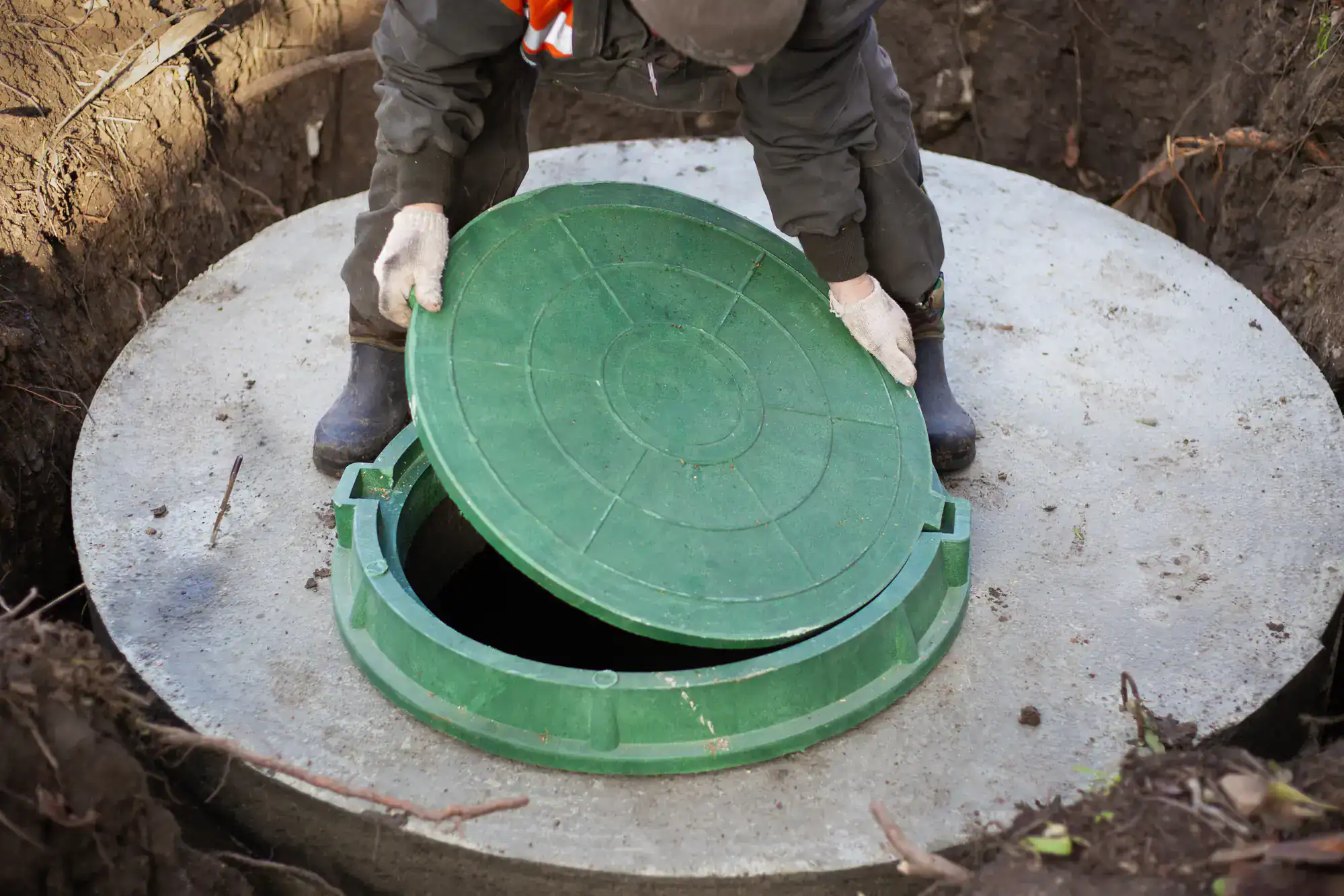
Most residential cesspool installations take two to four days once permits are approved and we’re on site. That’s actual installation time, not the full timeline from your first call to final inspection.
The permit process adds time before we can start digging. Suffolk County typically processes applications in two to four weeks for standard installations, longer if there are complications with your property or if you’re in a sensitive environmental area. We submit everything correctly the first time to avoid delays from incomplete applications.
Weather affects the schedule. Heavy rain turns excavation sites into mud pits, and we’re not installing your system in conditions that compromise the work. We’ll tell you upfront if weather is going to push things back rather than rushing through a job that won’t hold up.
No. Suffolk County banned new cesspool installations in July 2019. If your cesspool fails or needs replacement, you’re required to upgrade to a septic system that meets current nitrogen reduction standards.
That means you’re installing a conventional septic system at minimum, or an innovative and alternative onsite wastewater treatment system if you’re in an area where Article 6 regulations apply. These systems cost more than the old cesspools, but they’re also designed to last longer and protect groundwater quality.
The regulation exists because Peconic and the rest of Suffolk County depend entirely on groundwater for drinking water, and the 252,000 cesspools still operating across the county are leaching nitrogen into that water supply. Your upgrade is mandatory, but it’s also protecting your family’s drinking water and your property value long term.
You need a permit from the Suffolk County Department of Health Services before any installation work begins. That permit requires a site plan showing your property layout, soil testing results from a licensed professional, and a system design that meets county specifications for size and type.
If you’re in a designated nitrogen reduction area, you’ll also need documentation showing your system meets Article 6 requirements for innovative and alternative treatment. Some Peconic properties are in these zones, others aren’t. We verify that during the initial assessment.
We handle the entire permit process. You’re not filling out forms, scheduling soil tests, or following up with the county office. We submit everything, track the application, and let you know when we’re cleared to start work. Trying to install without permits results in fines and mandatory removal of whatever was installed.
System size is determined by your property’s bedroom count, not square footage or how many people currently live there. Suffolk County uses bedroom count as a proxy for potential water usage because that number doesn’t change even if the property sells.
A three-bedroom home requires a minimum system size regardless of whether one person or six people live there. If you have four bedrooms, the system gets larger. Commercial properties are sized based on expected daily water usage, which we calculate based on your business type and occupancy.
We don’t guess at sizing. We follow the county’s sizing charts and regulations, and we account for Peconic’s soil conditions that affect how quickly wastewater percolates through the ground. An undersized system fails quickly. An oversized system costs you more than necessary. We size it correctly based on actual requirements.
If something fails inspection, we fix it before you pay the final invoice. That’s our responsibility, not yours.
Inspections verify that the system was installed according to the approved plans, all components meet code requirements, and setbacks from wells and property lines are correct. The inspector is checking our work, and if we missed something or installed a component incorrectly, we correct it and schedule a re-inspection.
This doesn’t happen often because we’re installing systems the right way from the start, but if it does, you’re not stuck with a non-compliant system or fighting with us about who pays to fix it. We handle it, get the approval, and give you the documentation showing your system passed.
We install complete septic systems, which is what you’re required to have now that cesspool replacements are banned. That includes conventional septic systems with tanks and leach fields, and innovative and alternative systems that provide advanced nitrogen reduction.
Septic system installation in Peconic, NY involves more components than the old cesspools. You’re getting a septic tank that separates solids from liquids, a distribution box that evenly disperses wastewater, and a leach field where the final treatment happens as water percolates through soil. Some systems also include pumps if your property has elevation challenges.
We handle septic tank replacement when your existing tank has failed but the leach field is still functional, and we install complete new systems when you’re dealing with total failure or new construction. The process is similar to cesspool installation but with additional components and more complex permitting requirements.