Hear From Our Clients
You stop worrying about backups during family gatherings. No more wondering if your drains will handle a houseful of guests or if you’ll wake up to sewage in the yard.
A properly installed cesspool system in Baiting Hollow means your property stays compliant with Suffolk County regulations. That matters when older systems fail and you’re facing mandatory replacement, not optional repairs.
The right installation accounts for your specific soil conditions. Sandy soil that drains too fast, clay that holds water, high water tables—Long Island throws challenges that generic installations can’t handle. Your system needs to work with what’s actually in your ground, not what’s in a textbook.
Modern systems also protect the aquifer that supplies your drinking water. Baiting Hollow sits on Long Island’s sole source of groundwater, and nitrogen pollution from failing cesspools is a documented problem. A system designed to reduce nitrogen by up to 70% isn’t just regulatory compliance—it’s protecting the water you and your neighbors drink.
We’ve been handling cesspool replacement services in Baiting Hollow and across Suffolk County since 1998. We’re not a franchise or a company that rotates crews through different regions.
We know the soil conditions in your area. We know which properties sit on sand, which deal with clay, and where the water table creates installation challenges. That experience means fewer surprises during excavation and systems designed for your actual property conditions.
We handle the permit process directly with Suffolk County. Regulations changed significantly after 2019, and installations now require at minimum a conventional septic system with proper tanks and leaching structures. We make sure your installation meets current code so you don’t face violations or failed inspections down the road.

First, we assess your property and current system. That includes checking soil percolation rates, measuring setback distances from wells and property lines, and determining what type of system your property can support. Suffolk County requires at least 100 feet from water wells and 20 feet from property lines.
Once we have that information, we handle the permit applications. You don’t chase down paperwork or try to interpret code requirements. We submit everything needed and coordinate inspections with the county.
Installation typically takes two to five days for residential properties. Day one involves excavation and site preparation. Days two and three cover the actual system installation—tanks, distribution boxes, and leaching structures. Days four and five include backfilling, final grading, and testing to confirm everything drains properly.
Throughout the process, you’ll know what’s happening and when. No disappearing for days between steps, no vague timelines. If we hit unexpected soil conditions or need to adjust the plan, you hear about it immediately with clear explanations of what changed and why.

Ready to get started?
Every residential cesspool installation in Baiting Hollow starts with a complete site evaluation. We test your soil, verify setback distances, and determine the right system size based on your property’s actual usage and conditions.
The installation itself includes excavation, proper bedding material, the septic tank and distribution components, and the leaching system designed for your soil type. For properties requiring advanced treatment, we install nitrogen-reducing systems that function more like mini treatment plants than simple storage tanks.
Baiting Hollow properties often deal with specific challenges. The area has a mix of soil types, and some locations have higher water tables that require careful system design. We account for those factors during planning so your system works with your property’s conditions, not against them.
All installations include final inspections and testing to confirm proper drainage and system function. You receive documentation of the completed work, permit approvals, and maintenance guidelines specific to your system type. That matters for future property transactions and ensures you know exactly what maintenance your system needs going forward.
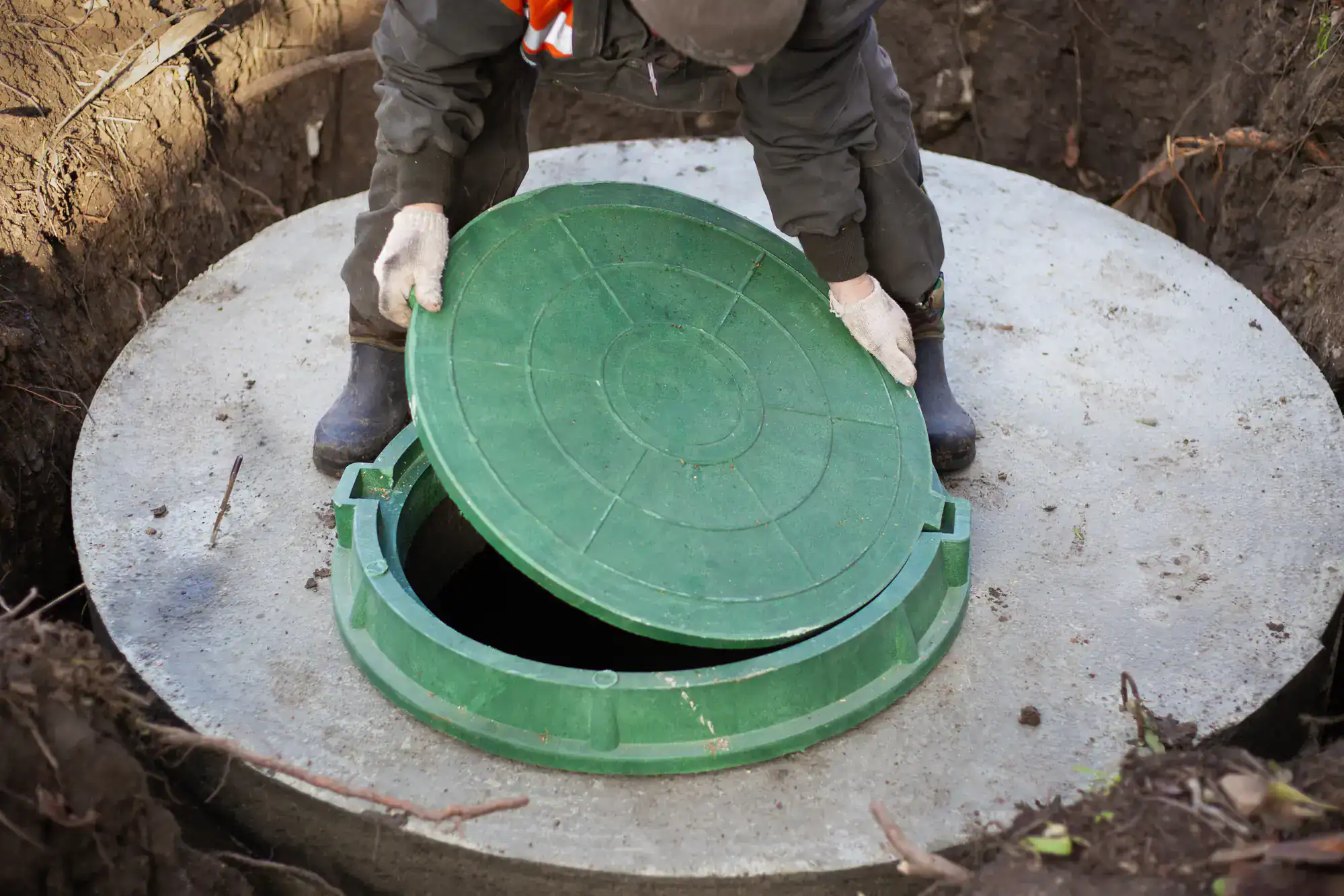
Suffolk County requires permits for all cesspool replacement services and new installations. You’ll need a building permit and approval from the Department of Health Services before any work begins.
The permit process includes submitting site plans, soil test results, and system specifications that meet current code requirements. Since 2019, regulations mandate at minimum a conventional septic system with tanks and proper leaching structures—simple cesspool-only systems no longer meet code for new installations.
We handle the entire permit application process. That includes preparing required documentation, submitting applications, coordinating soil testing, and scheduling inspections. You don’t need to navigate county offices or interpret technical requirements. The most common mistake homeowners make is starting work without proper permits, which can lead to stop-work orders and penalties, as well as delays in completing the project. Getting permits handled correctly from the start avoids those problems entirely.
Most residential cesspool installations in Baiting Hollow take two to five days from excavation to final testing. The timeline depends on your property’s soil conditions, system type, and whether we encounter unexpected challenges during excavation.
Day one covers site preparation and excavation. We dig to the required depth, remove the old system if you’re replacing a failed cesspool, and prepare the base for the new installation. Days two and three involve installing the septic tank, distribution box, and leaching field components. Days four and five include backfilling, grading the site, and running final tests to confirm proper drainage.
Weather can affect the timeline. Heavy rain makes excavation difficult and can delay work for safety reasons. Unexpected soil conditions—hitting bedrock, finding higher water tables than anticipated, or discovering contaminated soil—may require plan adjustments that add time. We keep you informed throughout the process. If something changes the timeline, you’ll know immediately with a clear explanation of what we found and what needs to happen next.
Long Island has highly variable soil that creates specific challenges for septic system installation. Some areas have sandy soil that drains too quickly, failing to properly filter wastewater before it reaches groundwater. Other locations have clay-heavy soil that doesn’t drain adequately, causing systems to back up or fail prematurely.
Baiting Hollow properties can have either condition depending on your specific location. Sandy soil requires larger leaching fields or enhanced treatment systems to ensure proper filtration. Clay soil may need engineered sand beds or alternative drainage solutions to prevent system failure.
The water table also varies significantly across the area. Properties near the coast or in lower-lying areas often have higher water tables that limit how deep we can install system components. That affects system design and may require mounded systems or other alternatives to standard installations. We test your soil during the site evaluation to determine percolation rates and identify what type of system will actually work on your property. Generic installations that don’t account for local soil conditions fail faster and create ongoing problems. Designing for your specific site conditions means a system that functions properly for decades, not years.
Suffolk County mandates advanced treatment systems for certain properties, particularly in areas with documented nitrogen pollution problems or properties near sensitive water bodies. Standard septic systems may be acceptable for other locations, but you’ll need a site evaluation to determine what your property requires.
Advanced systems—called Innovative and Alternative Onsite Wastewater Treatment Systems (I/A OWTS)—actively break down contaminants rather than relying solely on soil filtration. These systems remove up to 70% of nitrogen pollution, addressing Long Island’s documented groundwater contamination issues. They function more like miniature treatment plants than simple storage tanks.
The difference matters because Baiting Hollow sits above Long Island’s sole source aquifer. Nitrogen levels in local drinking water already exceed 95% of the country, primarily from failing cesspools and inadequate septic systems. Advanced treatment systems require a higher upfront investment, but they may qualify for Suffolk County grants that can significantly reduce the overall financial burden and make installation more affordable. We evaluate your property’s requirements during the site assessment and explain which system type you need based on location, soil conditions, and current regulations. You’ll know exactly what’s required and why before any work begins.
Complete cesspool failure creates an immediate health hazard that requires emergency response. Raw sewage backing into your home or pooling in your yard contains dangerous bacteria, viruses, and parasites that pose serious health risks.
We provide same-day emergency response for complete system failures. The immediate priority is stopping sewage exposure and preventing further property damage. That typically means emergency pumping to remove backed-up waste and temporary measures to manage wastewater until we can install your new system.
Suffolk County regulations don’t allow simple repairs when cesspools fail completely—you’re required to install a compliant replacement system. We fast-track the permit process for emergency replacements and coordinate with county inspectors to minimize delays. Most emergency cesspool replacement services in Baiting Hollow can begin within days of the initial failure once permits are approved. During that time, we manage temporary pumping and waste removal so you can continue using your home’s plumbing safely. The goal is getting you back to normal function as quickly as possible while ensuring the new installation meets all code requirements and won’t fail again in the near future.
Several warning signs indicate your cesspool is failing and needs replacement. Slow drains throughout the house, sewage odors in your yard, wet spots or unusually green grass over the cesspool area, and frequent backups all point to system failure.
The age of your system matters significantly. Most cesspools in Baiting Hollow were installed decades ago—the median home in the area was built in 1987. Systems from that era are reaching the end of their functional lifespan, and many no longer meet current code requirements even if they’re still partially functional.
If you’re experiencing any failure symptoms, we can perform a complete system assessment. That includes camera inspection of pipes, checking tank integrity, testing drainage capacity, and evaluating whether repairs are possible or if replacement is necessary. Under current Suffolk County regulations, failed cesspools must be replaced with at minimum a conventional septic system—simple repairs that restore cesspool function aren’t permitted. We’ll give you a clear assessment of your system’s condition and explain your options based on what we actually find during inspection. You’ll know whether you’re dealing with a minor issue that can be addressed or a failing system that requires full replacement.
Other Services we provide in Baiting Hollow