Hear From Our Clients
You’re not just getting a hole in the ground with a tank dropped in. You’re getting a system that handles your household waste safely for decades, installed by people who’ve been doing this since 1998.
That means proper site evaluation before we dig. It means understanding Setauket’s soil conditions and water table. It means using materials that actually meet Suffolk County regulations, not whatever’s cheapest that week.
When the job’s finished, you’ve got a system that works. No sewage backing up into your basement during the first heavy rain. No inspector showing up and telling you the whole thing needs to be redone. Just a properly functioning cesspool that does exactly what it’s supposed to do.
We’ve been installing cesspool systems in Setauket and throughout Suffolk County for over 25 years. That’s not a sales pitch—it’s just the reality of what it takes to know this area’s soil, regulations, and what actually works long-term.
Setauket sits on Long Island’s sole-source aquifer. That means every installation has to meet strict environmental standards, and the county doesn’t mess around with enforcement. We’ve built relationships with the Suffolk County Department of Health Services over decades, so we know exactly what they’re looking for before we even break ground.
You’re working with a family-owned business that’s been here the whole time. Same team, same standards, same commitment to doing the work correctly.

First, we evaluate your property. That means looking at soil conditions, drainage patterns, setback requirements from wells and property lines, and what size system you actually need based on your household. This isn’t guesswork—it’s required for permitting and it determines whether your system works or fails.
Next, we handle the permits. Suffolk County requires specific documentation and approvals before any excavation starts. We submit everything, work directly with the health department, and keep the project moving forward while you go about your life.
Installation typically takes two to five days depending on the system type. Day one is excavation and site prep. Days two and three cover installing the treatment components and distribution system. Days four and five are backfilling, final connections, and inspection. You’ll know the timeline before we start, and we’ll tell you if anything changes.

Ready to get started?
Every cesspool installation in Setauket includes full permit handling, site excavation, system installation, and final inspection coordination. You’re not paying for the installation and then finding out permits are extra or backfill costs more.
Since July 2021, Suffolk County regulations require that you can’t replace an old cesspool with another cesspool. If you’re replacing a failing system, you need at minimum a septic tank, and in many cases an innovative/alternative onsite wastewater treatment system. We install I/A OWTS technology that meets current nitrogen reduction standards—up to 70% removal—which is what the county actually approves.
Setauket properties often deal with sandy soil and varying water tables, especially closer to the harbor. We account for those conditions during installation. That means proper drainage design, appropriate tank sizing, and distribution systems that won’t fail when the water table rises during spring or after heavy storms.
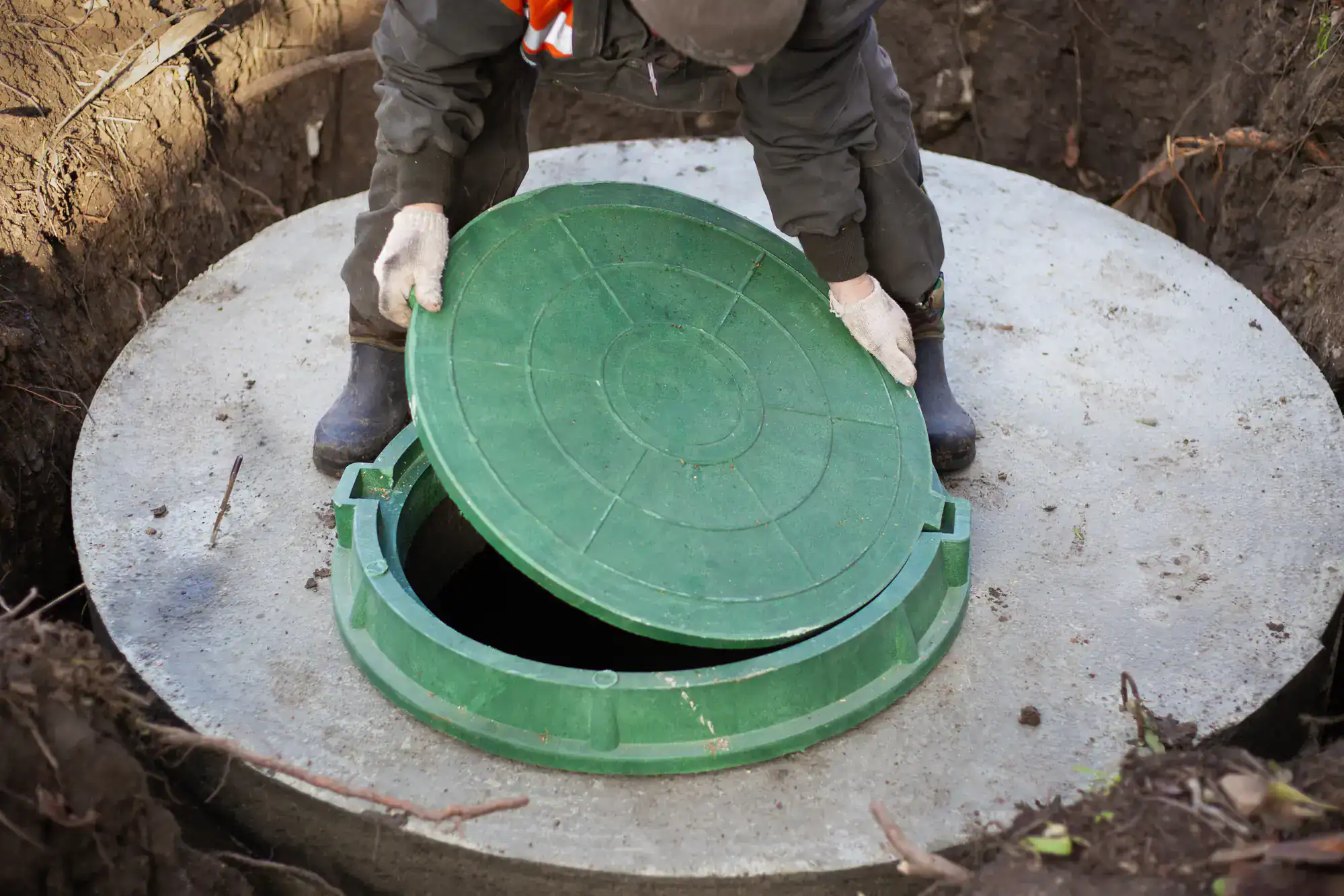
Most residential cesspool installations take between two and five days from excavation to final inspection. The timeline depends on your system type, property conditions, and whether we’re doing a straightforward replacement or a new installation with additional treatment components.
Day one involves excavating the site and preparing it for the new system. Days two and three cover installing the tank, treatment unit if required, and distribution components. Days four and five include backfilling, connecting everything to your home’s plumbing, final grading, and coordinating the health department inspection.
Weather can affect the schedule—we’re not installing systems in frozen ground or during heavy rain when excavation isn’t safe. If your property has access issues or we hit unexpected soil conditions, that can add time. We’ll give you a realistic timeline upfront and let you know immediately if anything changes.
You need a permit from the Suffolk County Department of Health Services before any excavation starts. This isn’t optional, and the county enforces it. The permit application requires site plans, soil testing results, system specifications, and proof that your installation meets setback requirements—100 feet from water wells and 20 feet from property lines.
We handle the entire permit process. That means preparing the application, submitting documentation, coordinating any required site visits with county inspectors, and making sure everything’s approved before we dig. Most homeowners don’t have time to navigate county bureaucracy, and one mistake on the paperwork can delay your project by weeks.
The permit also covers the final inspection after installation. A county inspector has to verify that everything was installed according to the approved plans before you can legally use the system. We schedule that inspection and make sure everything passes the first time.
You can’t install a traditional cesspool anymore in Suffolk County. Since July 2021, regulations prohibit replacing old cesspools with new cesspools. If your current system is failing and needs replacement, you’re required to upgrade to at least a septic tank, and in most cases an innovative/alternative treatment system.
The reason is environmental. Long Island’s drinking water comes entirely from groundwater, and Suffolk County already has nitrate levels higher than 95% of the country. Traditional cesspools don’t treat wastewater—they just hold it until it seeps into the ground. Modern systems with nitrogen-reducing technology remove up to 70% of harmful nitrogen before it reaches the aquifer.
This affects every property owner in Setauket. If you’re replacing a failing system, adding bedrooms to your home, or doing major renovations worth 50% or more of your property value, you’re required to upgrade. We install I/A OWTS systems that meet current county standards, so you’re not dealing with compliance issues down the road.
System size depends on your home’s bedroom count, not square footage. Suffolk County calculates wastewater output based on how many people could reasonably live in your home, using bedrooms as the measure. A three-bedroom home needs a larger system than a two-bedroom, even if the two-bedroom house is physically bigger.
The standard calculation is 150 gallons per bedroom per day. A three-bedroom home generates roughly 450 gallons of wastewater daily, so your system needs to handle that volume plus provide adequate treatment time before discharge. If you’re planning to add bedrooms in the future, it’s worth installing a larger system now rather than replacing it later when you renovate.
We evaluate your specific property during the initial assessment. Soil conditions, lot size, and setback requirements all affect what size system fits your property. Some Setauket lots near the harbor have limited space for distribution fields, which impacts system design. We’ll tell you exactly what works for your situation before you commit to anything.
A traditional cesspool is basically a large pit lined with concrete blocks or poured concrete. Wastewater flows in, solids settle at the bottom, and liquids seep out through holes in the walls directly into the surrounding soil. There’s no treatment—just temporary storage and discharge.
A septic system includes a septic tank where solids separate from liquids, followed by a distribution system that spreads treated wastewater through a drain field. The soil acts as a natural filter before water reaches the groundwater. Modern innovative/alternative systems add another treatment stage that removes nitrogen and other contaminants before distribution.
Suffolk County now requires the septic system approach because cesspools don’t protect groundwater. When you’re installing or replacing a system in Setauket, you’re installing a multi-stage treatment system that meets current environmental standards. It costs more upfront than the old cesspool approach, but it’s what’s required and it’s what actually protects Long Island’s drinking water supply.
The most obvious sign is sewage backing up into your home or pooling in your yard. But your system usually gives you warnings weeks or months before complete failure. Slow drains throughout the house, gurgling sounds when you flush toilets, sewage odors near the cesspool location, or soggy patches in your yard that won’t dry out—those are all signals that your system is struggling.
Most cesspools in Setauket were installed decades ago, many before 1970. If your system is that old and built with concrete blocks, it’s already exceeded its structural lifespan. The blocks deteriorate, walls can collapse inward, and you’re looking at a sewage-filled sinkhole in your yard. That’s not a scare tactic—it’s what happens when concrete that’s been saturated with wastewater for 50-plus years finally gives out.
Even if your cesspool seems fine now, Suffolk County regulations require replacement if you’re doing major renovations, adding bedrooms, or building new construction. Don’t wait until you’re dealing with an emergency and sewage flooding your basement. Get it evaluated, understand what you’re working with, and plan the replacement on your timeline instead of the system’s.
Other Services we provide in Setauket