Hear From Our Clients

Your septic system handles everything that goes down your drains. When solids build up in the tank, they eventually have nowhere to go but back into your home or out into your drain field where they don’t belong.
Regular septic tank pumping in Blue Point removes those solids before they create problems. You avoid the sewage backup in your basement. You prevent drain field failure that forces you into a full system replacement. Your plumbing drains the way it should, and you’re not dealing with slow toilets or gurgling sinks that signal trouble.
Most Blue Point homeowners need pumping every two to three years depending on household size and water usage. Staying on schedule means your system lasts decades instead of failing early. It means you’re not scrambling to find emergency septic pumping when something goes wrong on a holiday weekend.
We’ve been handling residential septic pumping in Blue Point since 1998. We’re a small, family-owned team that lives and works in Suffolk County, so we understand what Blue Point’s sandy soil and high water table do to septic systems.
We’re not the company that shows up and tries to sell you services you don’t need. We pump your tank, inspect your system, and tell you what’s actually going on. If something needs attention, you’ll know. If your system looks good, we’ll tell you that too.
Blue Point homeowners deal with aging infrastructure and tighter regulations than most places. We know the local requirements, we know how systems perform here, and we’ve seen what happens when maintenance gets skipped.

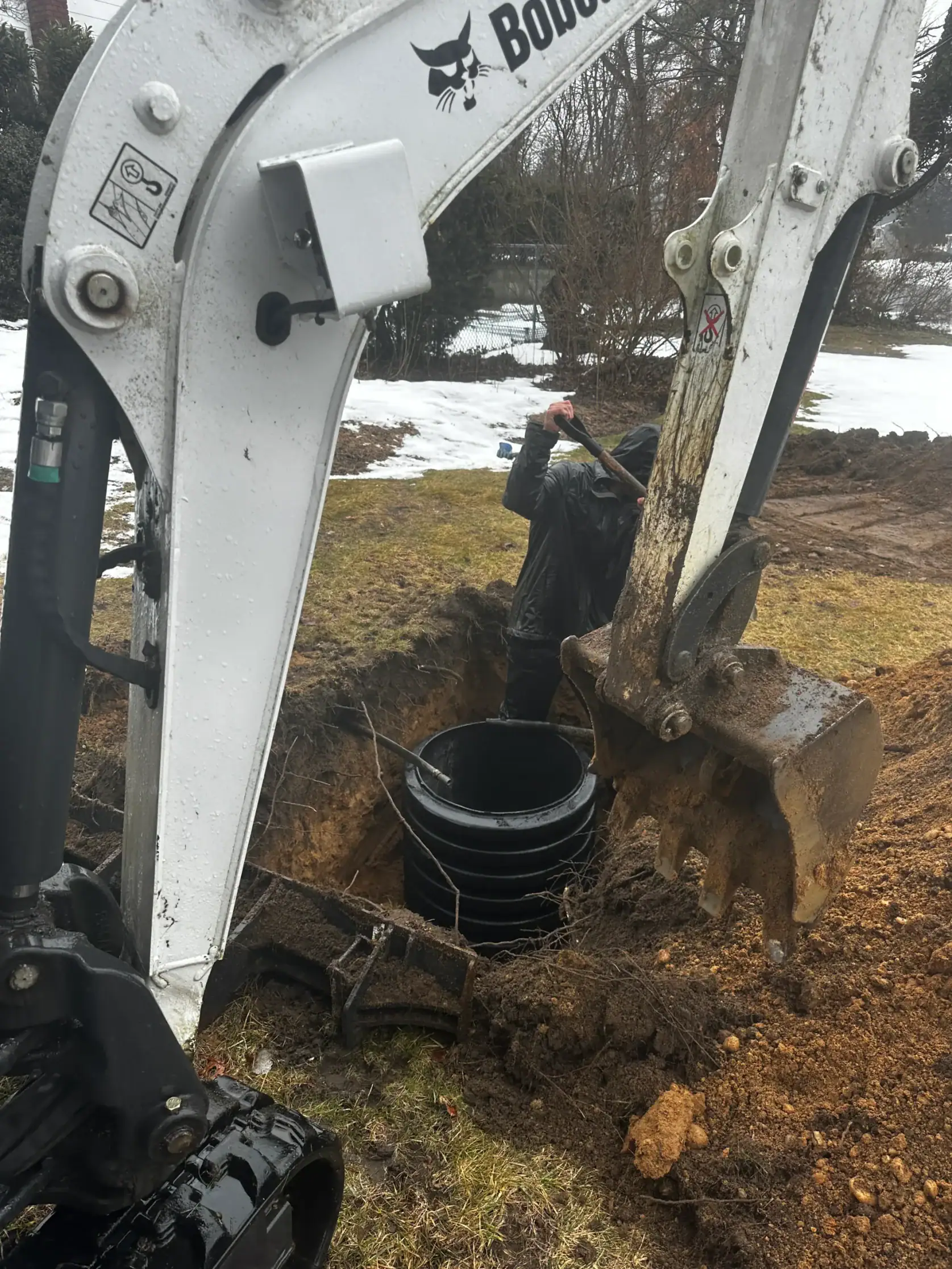
We locate and open your tank access covers. Some properties have risers that make this simple. Others require digging down to the lid, which we handle as part of the service.
Once the tank is open, we pump out all the liquid and solids using our vacuum truck. This isn’t a quick surface skim. We remove everything so your tank can function properly again. While we’re there, we check the condition of your baffles, look for cracks or damage, and make sure your inlet and outlet pipes are clear.
If you have a septic filter, we clean or replace it. If your system has a distribution box or pump chamber, we inspect those too. You get a full picture of how your system is performing, not just an empty tank.
The whole process typically takes 30 to 45 minutes for a standard residential system. We clean up the site, close everything back up, and give you a clear timeline for when you’ll need service again. You also get documentation of the pumping, which matters for Suffolk County property transfers and permit applications.

Ready to get started?
Every septic pumping appointment in Blue Point includes a full tank evacuation, not a partial pump-out. We also inspect your system components while we’re there because catching small issues early prevents bigger problems later.
You get baffle inspection and repair if needed. Baffles keep solids in your tank instead of letting them flow into your drain field. When they deteriorate or break off, your system fails faster. We check them every time and let you know if they need attention.
We also handle septic filter cleaning, which many homeowners don’t realize needs regular maintenance. A clogged filter causes slow drains and backups even when your tank isn’t full. Cleaning or replacing it during pumping keeps everything flowing properly.
For properties with lift stations or pump chambers, we inspect and service those components too. Blue Point’s flat terrain and high water table mean many homes rely on pumps to move wastewater. We make sure they’re working correctly so you’re not dealing with pump failure between appointments.
We offer 24/7 septic service for emergencies. If you’re dealing with a backup or overflow, we respond quickly to get your system functional again. Same-day septic tank pumping is available when you need it, not just during business hours.

Most Blue Point homes need septic tank pumping every two to three years. The exact timing depends on your tank size, how many people live in your home, and your water usage patterns.
A family of four with a 1,000-gallon tank typically needs pumping every three years. If you have a smaller tank, more people in the house, or you use a garbage disposal regularly, you’ll need more frequent service. Homes with water softeners that discharge into the septic system also need pumping more often because the extra water volume pushes solids through faster.
Suffolk County requires septic system inspections every three years, and pumping records are part of that compliance. Staying on a regular schedule prevents emergency situations and keeps your system working properly between inspections. If you’re not sure when your tank was last pumped, it’s worth having it checked rather than waiting for problems to develop.
Slow drains throughout your house are often the first warning. If multiple fixtures are draining slowly at the same time, your tank is likely full and needs immediate attention.
Sewage odors inside or outside your home mean wastewater isn’t staying where it should. You might notice soggy areas in your yard above the tank or drain field, especially if the ground is wet when it hasn’t rained. Gurgling sounds from your toilets or drains when you run water indicate air being pushed back through your plumbing because wastewater has nowhere to go.
The worst sign is sewage backing up into your home through toilets, showers, or floor drains. This is a health hazard that requires emergency septic pumping immediately. Don’t wait if you’re seeing these symptoms. Blue Point’s sandy soil means problems can escalate quickly once your system starts failing. Getting your tank pumped right away prevents damage to your drain field and keeps sewage out of your living space.
Septic tank pumping requires specialized vacuum equipment that homeowners don’t have access to. You can’t effectively empty a septic tank with standard pumps or equipment.
Professional septic pumping removes all the solids and liquids from your tank, which is necessary for proper system function. Partial pumping or DIY attempts leave sludge behind that continues building up and causes problems. Licensed septic pumpers also know how to safely handle sewage, dispose of waste properly at approved facilities, and avoid damaging your tank during the process.
There’s also the inspection component. When we pump your tank, we’re checking for damage, testing baffles, looking at your inlet and outlet pipes, and identifying issues before they become emergencies. You can’t do that assessment yourself, and missing those problems leads to expensive repairs later. Suffolk County requires licensed professionals for septic work, and pumping records from certified companies are what you need for inspections and property transfers.
Solids build up until they overflow into your drain field. Once that happens, the soil in your drain field gets clogged with sludge and stops absorbing wastewater properly. This is called drain field failure, and it’s not something you can fix with pumping.
A failed drain field means you need a full system replacement. In Blue Point, you can’t replace a failed system with another cesspool because Suffolk County banned new cesspool installations. You’re looking at upgrading to a compliant septic system, which involves significant excavation and installation work.
Even before total failure, an overfull tank causes sewage backups into your home. You’re dealing with contaminated water in your basement or backing up through your drains. The cleanup and remediation add to your problems beyond just getting the tank pumped. Your system also won’t pass required inspections if it’s overfull or showing signs of neglect. This creates issues when you need permits for renovations or when you’re trying to sell your property. Regular pumping prevents all of this and keeps your system functioning the way it’s designed to.
Commercial septic pumping in Blue Point requires more frequent service because businesses generate higher wastewater volumes than homes. Restaurants, offices, retail locations, and other commercial properties need pumping schedules based on their specific usage patterns.
Restaurants need the most frequent attention, often requiring monthly or quarterly pumping depending on size and customer volume. They also need grease trap pumping to prevent fats and oils from entering the septic system and causing blockages. Office buildings and retail spaces typically need pumping every six months to a year, but this varies based on occupancy and water usage.
Commercial properties also face stricter regulations and inspection requirements. Suffolk County monitors commercial septic systems more closely than residential ones, and you need detailed service records to stay compliant. We work with Blue Point businesses to set up pumping schedules that match their needs and keep them ahead of regulatory requirements. The service itself is similar to residential pumping, but the frequency and documentation requirements are different.
Watch what goes down your drains. Your septic system is designed to handle human waste and toilet paper, not everything that fits down a pipe. Don’t flush wipes, feminine products, paper towels, or anything labeled “flushable” besides toilet paper.
Avoid putting grease, oils, and fats down your kitchen drain. They solidify in your tank and contribute to buildup that requires more frequent pumping. Limit garbage disposal use because food waste adds solids to your tank faster than normal use. Spread out your water usage instead of doing all your laundry in one day, which can overwhelm your system.
Don’t use excessive household cleaners or antibacterial products that kill the beneficial bacteria in your tank. Those bacteria break down solids naturally, and killing them off means your tank fills up faster. Avoid driving or parking heavy vehicles over your tank or drain field, which can compact soil and damage components. If you notice any changes in how your plumbing drains or any odors developing, call for an inspection rather than waiting for your next scheduled pumping.
Other Services we provide in Blue Point