Why Homeowners Are Switching To Eco-Friendly Cesspool Systems

The tide is turning on Long Island as homeowners upgrade to eco-friendly I/A OWTS wastewater systems. Discover how these "Teslas of wastewater treatment" protect our bays and beaches, and learn how you can fund your installation with substantial state and county grants.
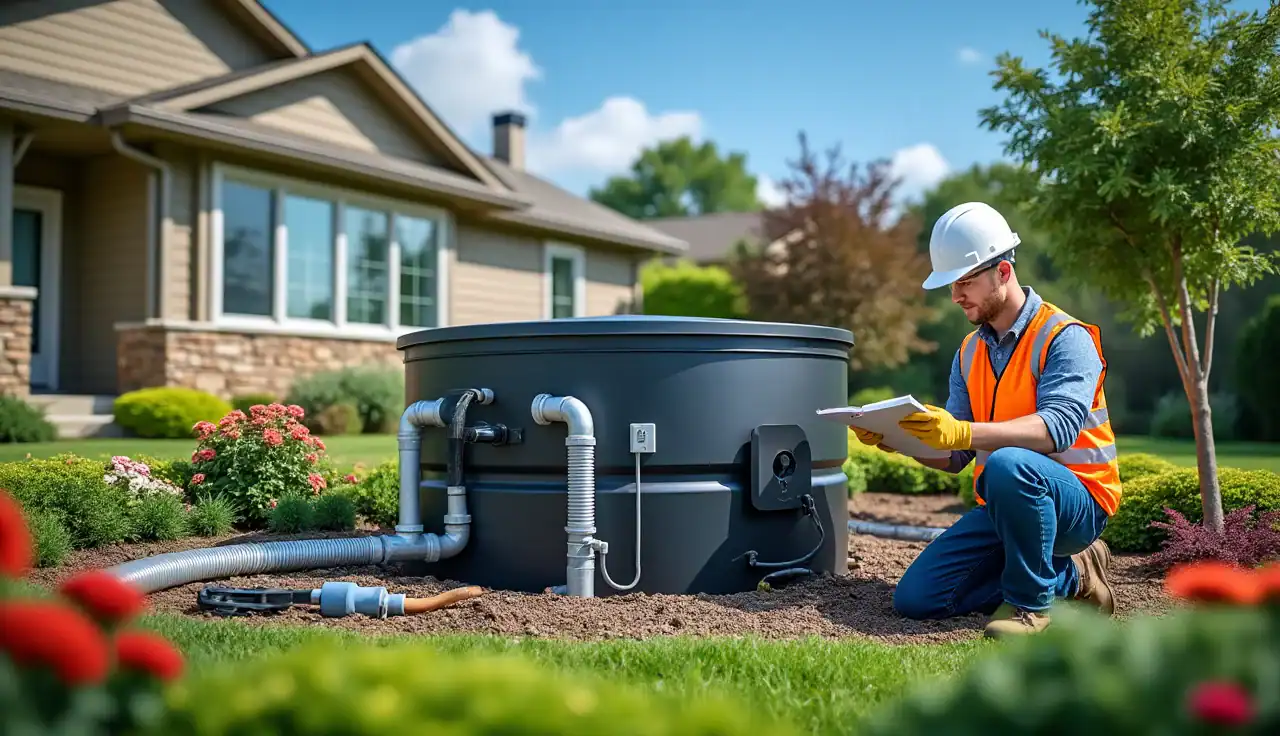
A worker in a hard hat and safety vest kneels beside a large water tank with pipes in a landscaped yard, inspecting and taking notes near a suburban house on a sunny day.
The tide is turning on Long Island, and it’s not just the waves hitting our beautiful shores—it’s a wave of homeowners making smarter, greener choices about their wastewater systems. Remember when “eco-friendly” and “cesspool” seemed like words that would never share a sentence? Well, 2026 is proving that wrong. Long Island homeowners are discovering that upgrading their old, nitrogen-leaking cesspools isn’t just good for the environment—it’s becoming affordable thanks to some seriously impressive grant programs. If you’ve been hearing the buzz about the green revolution happening right under your feet, it’s time to dive in.

What Is an I/A OWTS System?

Let’s break down the jargon: I/A OWTS stands for Innovative and Alternative Onsite Wastewater Treatment Systems. These aren’t your grandfather’s cesspools—think of them as the Tesla of wastewater treatment. Traditional septic systems discharge roughly 40 pounds of nitrogen annually per household. While that sounds technical, the reality is that nitrogen is wreaking absolute havoc on our beloved Long Island waters. We’re talking toxic algae blooms, beach closures, fish kills, and the slow degradation of the marshes that protect our coastline during storms. These new I/A OWTS systems are nitrogen-removing powerhouses. They act as nature’s own cleanup crew, working 24/7 in your backyard to ensure the legacy we leave for our kids is one of clean water and healthy bays.
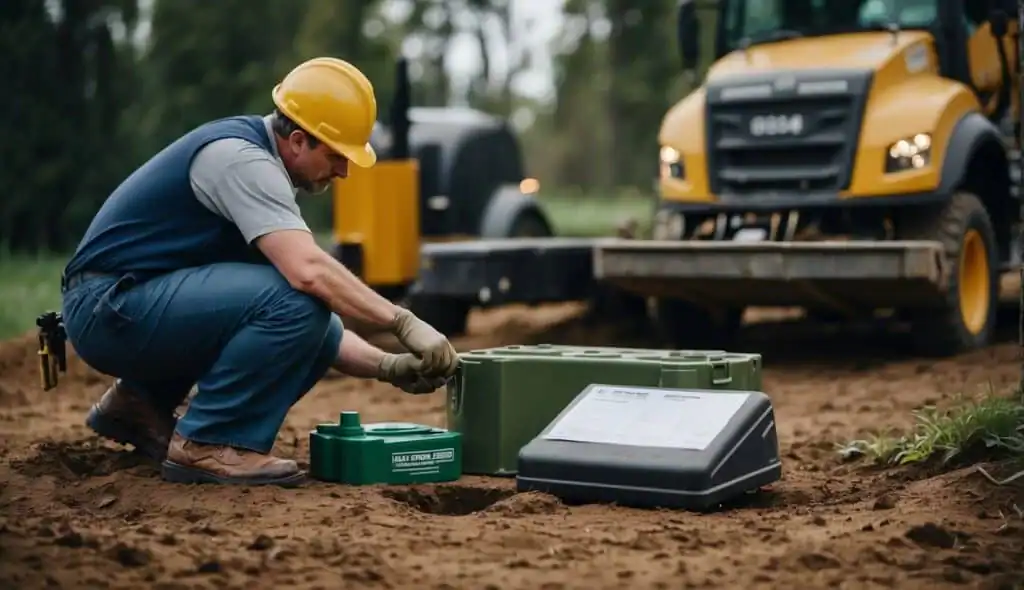
A construction worker in a yellow hard hat kneels on dirt, installing green utility boxes. A large yellow construction vehicle is visible in the background at the worksite.

The Tech Behind the Magic: How It Works

So how do these futuristic systems actually clean the water? It relies on a two-step biological dance that Mother Nature would totally approve of: The Aerobic Zone: Oxygen-loving bacteria convert organic nitrogen into nitrites and nitrates. This is where the heavy lifting starts. The Anaerobic Zone: Different bacteria (the ones that prefer life without oxygen) strip the oxygen off those nitrates, releasing harmless nitrogen gas into the air. And just like that—the pollution is gone. This nitrogen cycle is one of Earth’s most important biological processes, second only to photosynthesis. Your new system essentially harnesses this ancient natural process right in your own backyard.

Why Long Island Needs This (Like, Yesterday)

Let’s talk real talk. Nitrogen pollution from cesspools and septic systems has been identified as the defining cause for degraded water quality in Suffolk County. This isn’t an abstract issue—it affects our daily lives. When was the last time you saw a beach closure notice and felt that pang of disappointment? That’s nitrogen at work. Conventional cesspools pump pollution straight into our groundwater, which eventually makes its way to our bays, harbors, and beaches. The consequences ripple outward: shellfish restrictions hurt local seafood businesses, algae blooms prevent us from enjoying the water, and dying marshes leave our properties vulnerable to storm damage. By switching systems, you are directly combatting these issues.

Want live answers?

Connect with a AAA Dependable Cesspool expert for fast, friendly support.
Show Me The Money: Grants and Incentives

Here’s where things get really exciting. We’re not talking about pocket change—we’re talking about grants that can cover a massive chunk, or even all, of your installation costs. Suffolk County Residents (SIP Program): Through the Septic Improvement Program, you could secure: A base grant of $10,000. An extra $5,000 for low-to-moderate-income households. Another $5,000 if a Pressurized Shallow Drainfield is needed. New York State’s Septic System Replacement Program adds another $10,000. Residents in Southampton or East Hampton may qualify for an additional $15,000-$20,000 in town rebates. Do the math—that’s a potential combined $25,000+ in funding. When the average I/A system costs around $25,000, you could be looking at a nearly FREE upgrade. Nassau County Residents: You aren’t left out! The S.E.P.T.I.C. program offers grants up to $20,000 to eligible homeowners, not-for-profits, and small businesses.
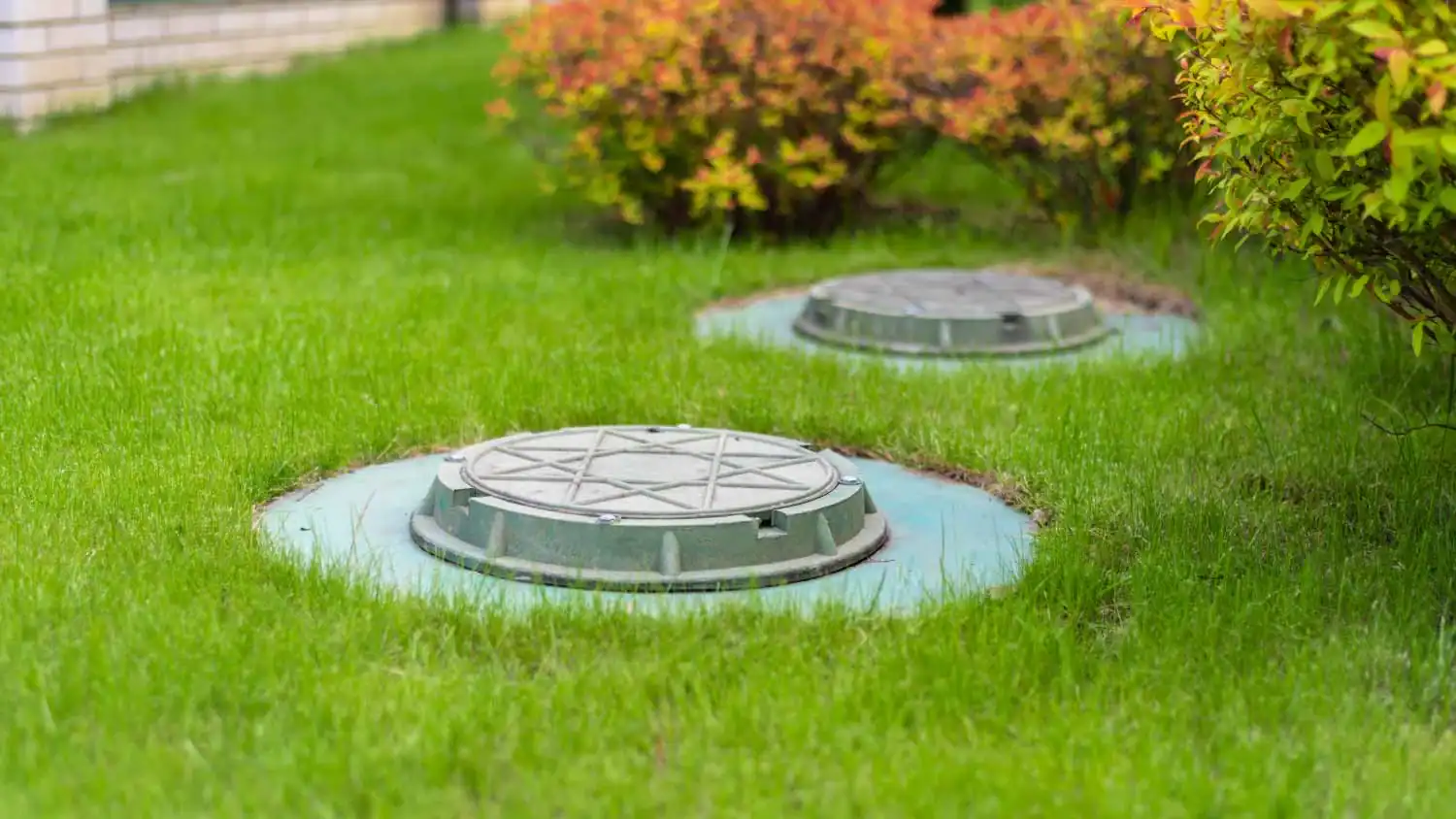
Two round septic tank covers set in green grass, with small bushes nearby and part of a building visible in the background.

Real Benefits Beyond Saving the Planet

Sure, protecting clean water is essential, but there are direct benefits for you as a homeowner, too: – Property Value Boost: Installing an I/A OWTS system is a major selling point. Buyers know they are getting a cutting-edge system and won’t face a costly upgrade later. – Assurance: No more worrying about your old cesspool failing at the worst possible time. These systems are designed for reliability. – Financial Options: If you need more than the grant money, low-interest loans are available through the Community Development Corporation of Long Island at just 3% fixed interest over 15 years.

What About Maintenance?

We believe in full transparency. I/A OWTS systems do require maintenance—typically twice a year—including filter cleaning, pump checks, and oxygen level monitoring. You will need a maintenance agreement, which is often a requirement to receive the grant. However, consider the perspective shift: you are likely already paying for regular pumping of your old cesspool. This is simply a different kind of care for a vastly superior system. Plus, professional teams can handle both installation and ongoing maintenance, making the process seamless.

Ready to Join the Revolution?

The numbers don’t lie. Hundreds of Long Island homeowners have already made the switch, and applications are pouring in. The Long Island Nitrogen Action Plan (LINAP) has aligned state and local agencies around this goal, proving that this isn’t just a trend—it’s a movement. If you are still relying on a conventional cesspool, now is the perfect time to upgrade. The grant money is flowing, the technology is proven, and the benefits are real. At AAA Dependable Cesspool, we’ve been serving Suffolk County since 1998. We handle everything from eligibility assessments and installation to ongoing maintenance. Clean water on Long Island is our collective responsibility. Let’s chat about how an I/A OWTS system could work for your property and what grants you might qualify for. Because your cesspool shouldn’t be a source of pollution—it should be part of the solution.

Summary:

This post details the shift from traditional cesspools to Innovative and Alternative Onsite Wastewater Treatment Systems (I/A OWTS) on Long Island. It covers the environmental impact of nitrogen pollution, the technology behind the new systems, the financial benefits for homeowners, and the extensive grant programs available in Suffolk and Nassau counties.

Article details:

Share: