7 Household Items That Are Quietly Killing Your Drains

It’s the everyday habits—the "just this once" moments—that slowly assassinate your plumbing system. Discover the 7 silent killers lurking in your home, from "flushable" wipes to eggshells, and how to keep your pipes flowing freely.
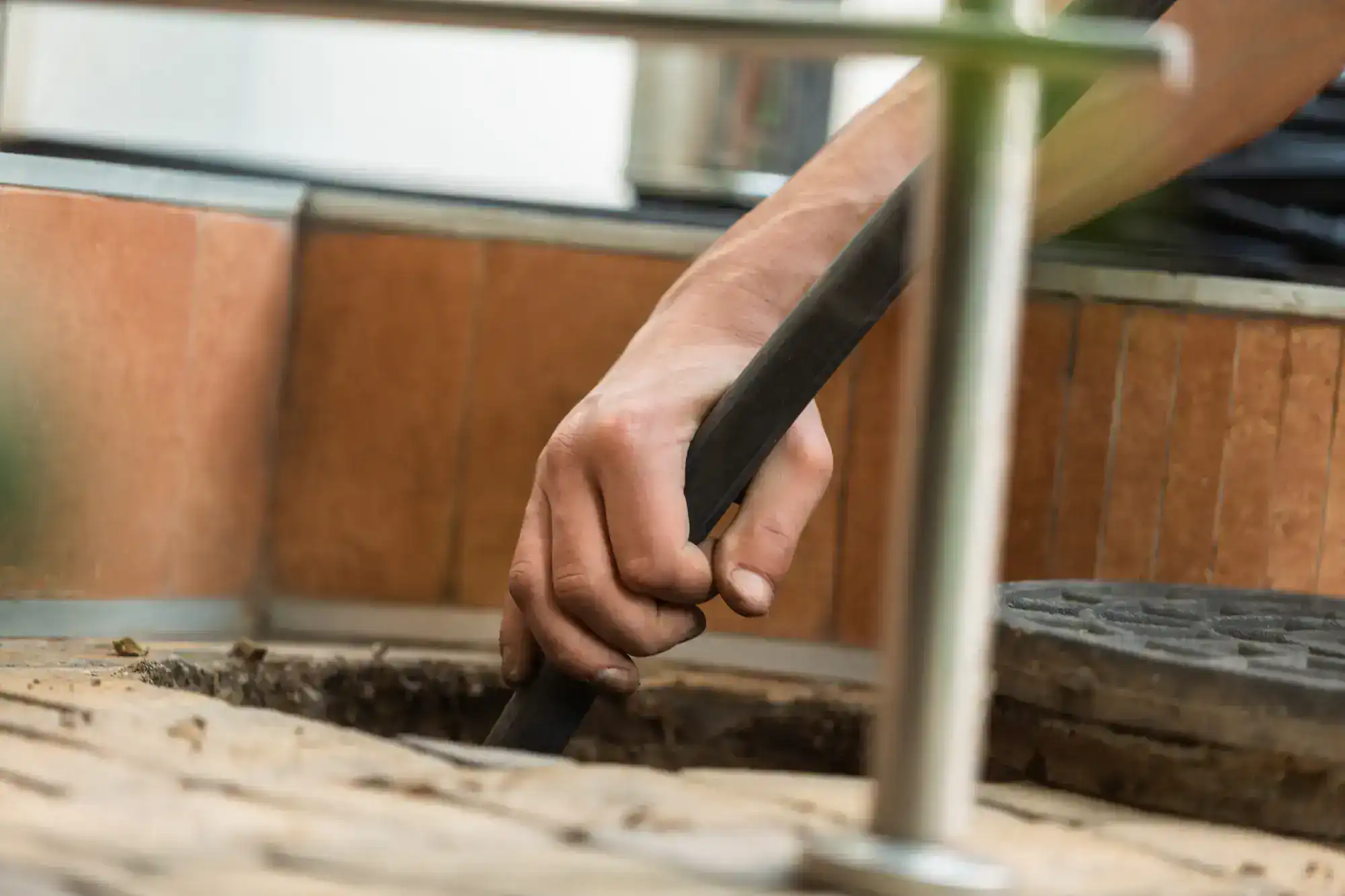
A close-up of a person’s hand holding a black hose or pipe, inserting it into an open drain or manhole, with tiled walls and a metal cover nearby.
We’ve all been there. You’re standing in the shower when you look down and realize the water level is rising around your ankles. Or maybe you pull the plug on the dinner dishes, and the water just sits there, holding hostage the soggy remnants of spaghetti night. It’s the dreaded clog. At AAA Dependable Cesspool, we’ve seen it all here in Suffolk County. But here’s the secret: the villain usually isn’t bad luck. It’s the everyday habits and innocent mistakes that slowly assassinate your plumbing system. Your drains are tough, but they aren’t garbage disposals.

The "Flushable" Wipe: The Biggest Lie in Plumbing

If there were a “Most Wanted” list for drain cleaning destroyers, the “flushable” wipe would be Public Enemy Number One. Marketing executives are brilliant; they say it’s flushable because it goes down the toilet. But unlike toilet paper, it doesn’t disintegrate. Why It’s Deadly: Wipes snag on rough spots in the pipe, creating a net that catches grease and debris. This leads to “ragging” and massive “fatbergs” that block sewer mains. The Tip: Ignore the packaging. If it’s not toilet paper or human waste, it goes in the trash.

The Bacon Betrayal: Grease, Fats, and Oils

Sunday morning bacon is great; pouring the grease down the sink is not. Even with hot water, that grease eventually cools and solidifies inside your pipes, coating the walls like cholesterol in an artery. The Fix: Let grease cool in a can or jar, then throw it in the trash. Wipe oily pans with a paper towel before washing.

The Morning Grind: Coffee Grounds

Many assume coffee grounds scour the pipes clean. This is a dangerous myth. Grounds are heavy and do not dissolve. They settle in the U-bend of your P-trap, mixing with grease to create a thick sludge. The Alternative: Coffee grounds are great for compost! If you don’t garden, toss them in the trash.

Want live answers?

Connect with a AAA Dependable Cesspool expert for fast, friendly support.

The Pantry Expanders: Rice and Pasta

Rice and pasta continue to absorb moisture even after cooking. A single grain can bloat to double its size. Inside your pipes, starchy goo becomes tacky and sticky, acting like glue for other debris. The Fix: Scrape plates into the garbage before rinsing. Even a few stray noodles can start a blockage.

Hair and Dental Floss

Hair is hard to avoid, but dental floss is the real silent killer. It is non-biodegradable nylon string that acts like a tripwire, tangling with hair to form incredibly strong nets. It can even slice through older pipe seals. The Fix: Install a drain screen in your shower (they cost about $5) and always toss floss in the trash.

Eggshells & Chemical Cleaners

Eggshells: They do not sharpen disposal blades. They turn into heavy grit, and the membrane acts as glue. Chemical Cleaners: These harsh chemicals can eat through old pipes, turning a small clog into a pipe replacement job. Plus, if they fail, they leave a hazard for the plumber who comes to fix it.

The "Oh No" Moment: When to Call the Pros

Even if you are careful, buildup can happen. Watch for slow draining, gurgling sounds, or bad odors. At AAA Dependable Cesspool, we believe in empowering our customers. But sometimes, a stubborn clog wins. If that happens, put down the chemicals and give us a call. We’ve been serving Suffolk County since 1998 with honest pricing. We’ll get things flowing again—quietly, quickly, and dependably. Keep your pipes happy and your home clean!

Summary:

This post identifies seven common household items that cause severe drain clogs: flushable wipes, grease (FOG), coffee grounds, rice/pasta, hair/floss, eggshells, and chemical drain cleaners. It explains the mechanics of how each item damages plumbing and offers safe disposal alternatives.

Article details:

Share: