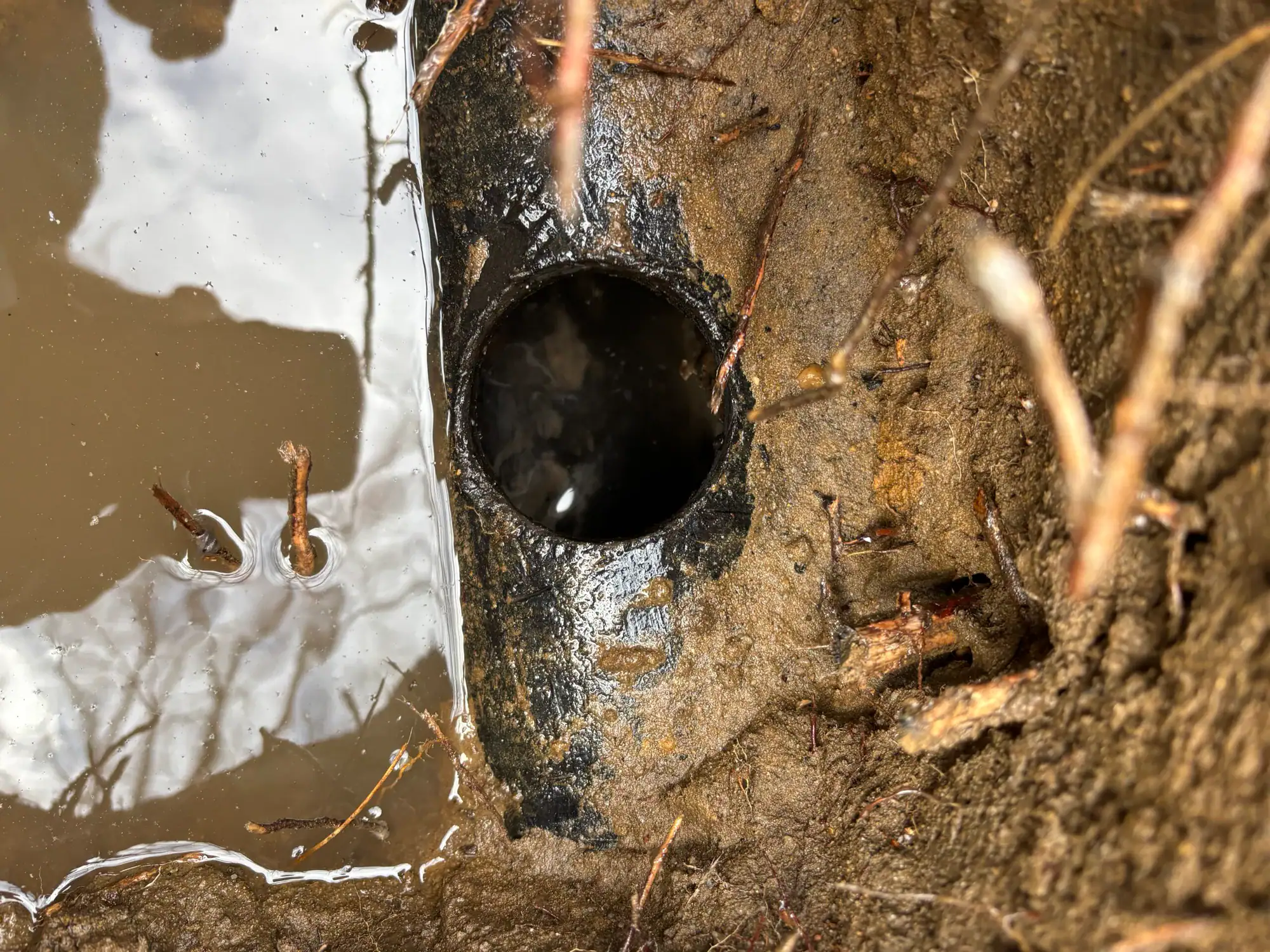
Most Suffolk County homeowners don't realize their cesspool is failing until sewage backs up into their home—which is a really bad time to realize you have a basement. Learn the warning signs your system is trying to tell you.
Slow drains are easy to ignore. You figure it’s just a clog. Maybe some hair in the shower drain or grease buildup in the kitchen sink. So you pour some “liquid hope” (drain cleaner) down there and hope for the best.
But when multiple drains in your house start acting up at the same time, that’s not a coincidence; it’s a conspiracy. That’s your cesspool sending you a message. When your cesspool fills up or the drainage system gets compromised, wastewater has nowhere to go. It backs up through your pipes, and the first sign is slow drainage throughout the house—toilets that take longer to flush, sinks that don’t empty quickly, and showers that leave you standing in ankle-deep water like you’re at a very gross public beach.
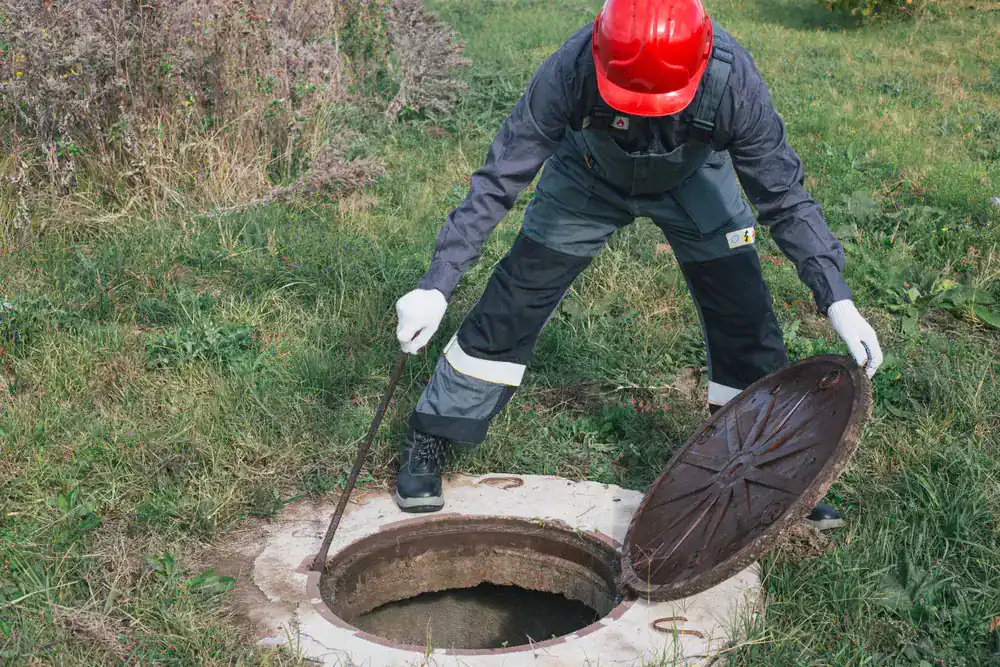
Here’s how a healthy cesspool system should work in Suffolk County homes. Wastewater flows from your home into the cesspool. Solids settle at the bottom (the permanent residents), and liquids gradually seep out through the porous walls into the surrounding soil. When everything’s working, water drains normally and you never think twice about it.
But cesspools aren’t designed to last forever, especially with the sandy soil conditions we have here on Long Island. Over time, the walls get coated with a layer of scum and “biomat”—a biological film that builds up from years of use. This coating acts like a seal, preventing water from leaching out the way it should. It’s like trying to drain a bathtub through a piece of plastic wrap. The cesspool fills up faster than it can drain. And when that happens, you’ll notice your sinks, showers, and toilets draining more slowly than usual.
The tricky part is that this happens gradually. You adapt to it without realizing what’s going on. One day you notice the shower takes a little longer to drain. A few weeks later, the kitchen sink gurgles when you run the dishwasher. A month after that, your toilet doesn’t flush with the same force it used to. These aren’t separate problems. They’re all connected to the same issue: your cesspool is losing its ability to handle your household’s wastewater. It’s essentially “constipated,” and it needs professional help.
If you’re experiencing slow drains in multiple fixtures, don’t wait for it to get worse. A cesspool that’s struggling now will only get more backed up over time. What starts as a minor inconvenience can quickly turn into a sewage backup in your home. That’s not something you want to deal with on a Saturday night when you have guests over or your kids have friends sleeping over. “Welcome to the party, mind the puddle!” is not a great look.
Gurgling sounds coming from your drains or toilets might seem harmless. Almost quirky, like your house has a personality or a very small, very wet ghost. But those sounds are actually air bubbles trying to escape through your plumbing because wastewater isn’t flowing the way it should.
Think of it like this. When your cesspool is functioning properly, water flows smoothly from your home into the system. Air moves freely through the vent pipes. But when the cesspool gets full or the drainage is compromised, water can’t flow out fast enough. This creates a vacuum effect in your pipes. Air gets trapped and pushes back up through your drains, creating that gurgling noise you’re hearing. It’s your house trying to burp, but the burp is made of sewer gas.
You’ll often hear this when you flush a toilet, run the washing machine, or drain the bathtub. It’s your plumbing system struggling to push water into a cesspool that doesn’t have room for it. And if you’re hearing these sounds regularly, it means your system is working harder than it should to do a job it used to handle easily.
Ignoring gurgling sounds is a mistake a lot of homeowners make. It seems like such a small thing—just a weird noise that doesn’t really affect your daily life. But it’s one of the earliest warning signs that your cesspool is approaching capacity. And the thing about cesspools is that once they reach capacity, they don’t just stop working gradually. They fail suddenly, usually at the exact moment you have the most laundry to do. One day everything seems fine, and the next day you’re dealing with a full-blown backup that requires emergency cesspool service.
Want live answers?
Connect with a AAA Dependable Cesspool expert for fast, friendly support.
Your yard can tell you a lot about what’s happening underground with your cesspool. Most homeowners don’t make the connection between what’s happening outside and what’s going on with their wastewater system. But if you know what to look for, your property will show you when something’s wrong—often before you notice problems inside your home.
Wet, soggy patches in your yard—especially near where your cesspool is located—are a red flag. So is grass that’s suddenly greener and more lush in one specific area compared to the rest of your lawn. These aren’t signs of good landscaping or lucky soil conditions. They’re signs that wastewater is leaking out of your system and saturating the ground above it. It’s “liquid fertilizer,” but not the kind you want the kids playing in.
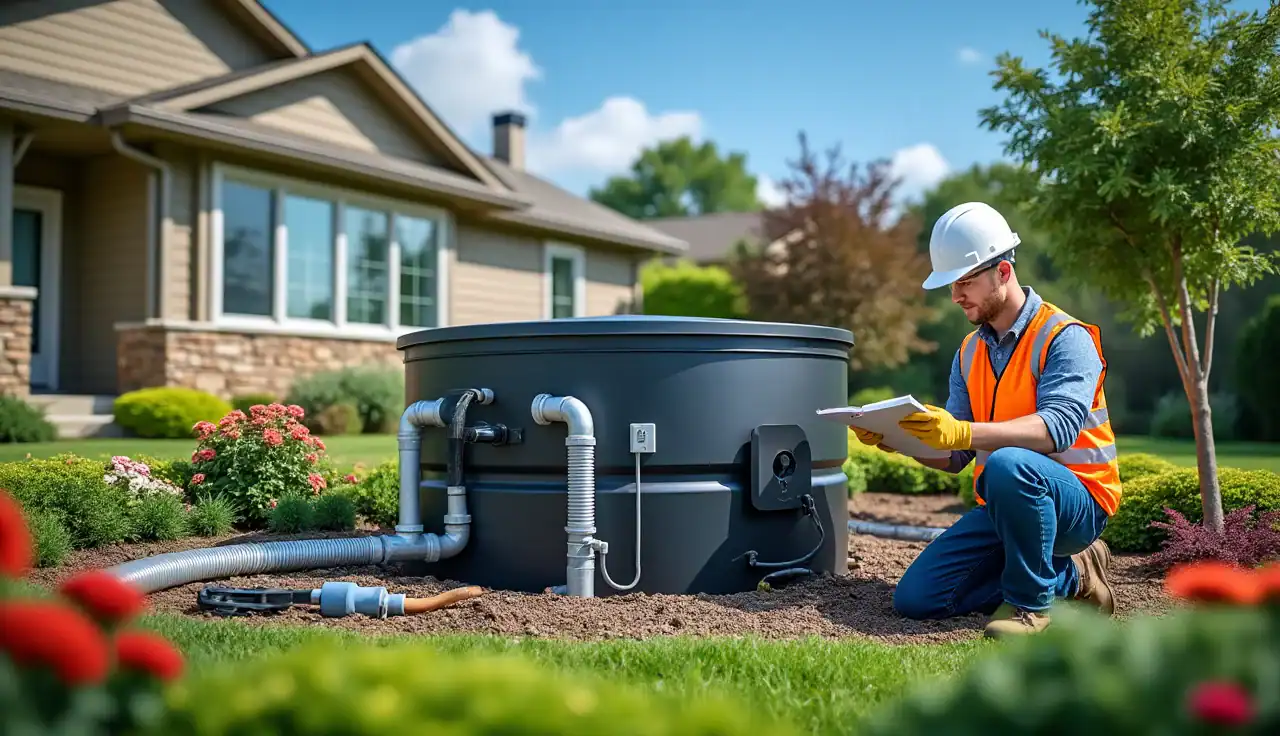
Standing water or damp spots in your yard, especially when it hasn’t rained in days, means your cesspool is overflowing. Wastewater is coming up through the soil instead of draining away like it should. This is one of the most serious warning signs you can get because it means your system is completely overwhelmed and can’t handle any additional water.
When a cesspool reaches capacity, it has nowhere to put the wastewater your household generates. The liquid level inside rises until it reaches the top. At that point, any additional water you send down your drains has to go somewhere. It either backs up into your house through your plumbing, or it surfaces in your yard. Neither option is good, and both require immediate attention unless you’re planning on starting a rice paddy.
Pooling water isn’t just unsanitary and unpleasant to look at. It’s also a genuine health hazard for your family. That water contains bacteria, viruses, and other pathogens from your household waste. If you have kids or pets playing in the yard, they could be exposed to things that make a common cold look like a vacation.
Here’s something that surprises a lot of Suffolk County homeowners. If you have one area of your lawn that’s noticeably greener, thicker, and more lush than the rest—especially if it stays green even during dry spells when the rest of your yard looks like a desert—that’s not a good thing. It’s a warning sign that your cesspool is leaking wastewater into the soil.
Wastewater contains nutrients—nitrogen, phosphorus, and other compounds that act like fertilizer on steroids. When your cesspool leaks, those nutrients seep into the soil and feed the grass above it. The result is a patch of lawn that looks like it’s been professionally treated while the rest of your yard struggles. It’s the kind of thing that might make your neighbors jealous, but it’s actually telling you that untreated sewage is escaping your system. Your grass is basically “cheating.”
It might seem harmless at first glance. You might even think it’s a nice bonus to have one area of your lawn that stays green without extra watering. But what’s happening underground is that your cesspool is failing. The structure has developed cracks or the walls have deteriorated.
This is especially important for Suffolk County residents because our drinking water comes entirely from groundwater. When cesspools leak, that nitrogen goes directly into the aquifer. Over time, this contributes to the nitrogen pollution that’s been closing our beaches and killing marine life in our bays. So, while that patch of grass looks great, it’s not doing any favors for the Long Island Sound.
Your cesspool doesn’t fail without warning. It gives you signals—slow drains, gurgling sounds, wet spots in your yard, unusually green grass. The question is if you’re paying attention and taking action before a small problem becomes a major crisis that makes you want to sell the house and move into a tent.
Most Suffolk County homeowners wait until there’s an emergency. Sewage backing up into the house. A collapsed cesspool creating a sinkhole in the yard (aka an accidental swimming pool). But if you catch the warning signs early, you have options. You can schedule routine maintenance, get an inspection, and address small problems before they drain your savings.
The longer you ignore these signs, the more expensive the eventual repair will be. Your cesspool is trying to tell you something. Listen to it. If you’re noticing any of the symptoms we’ve talked about, reach out to us at AAA Dependable Cesspool Sewer & Drain. We’ve been serving Suffolk County families since 1998, and we’ll give you an honest assessment. No overselling. No runaround. Just straight answers from people who’ve seen it all and smelled it all.
Summary:
Article details:
Share: