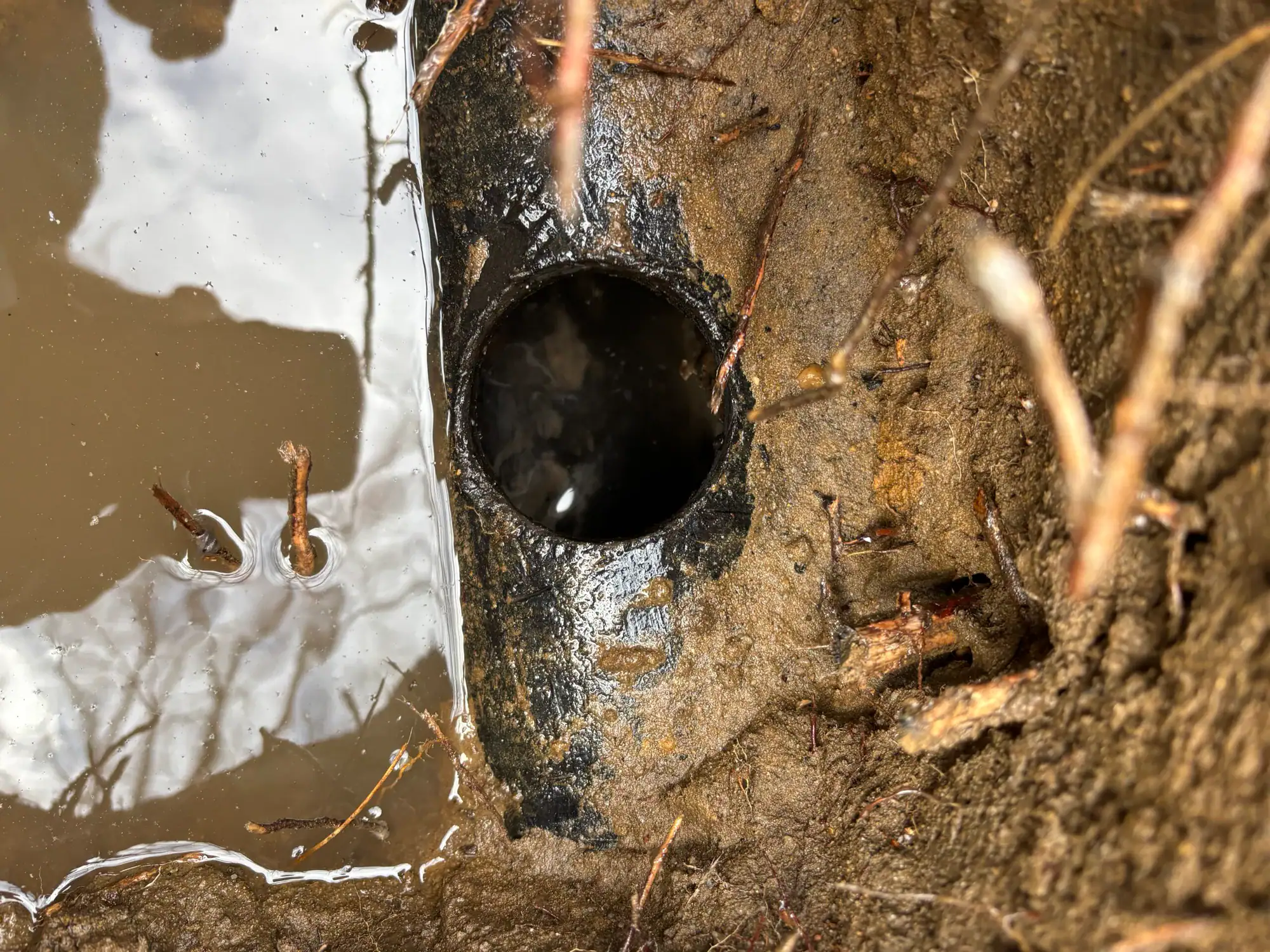
Ready for the tour de force of sludge? Get the entertaining breakdown of exactly what happens during your septic appointment, from the treasure hunt for the lid to the grand finale.
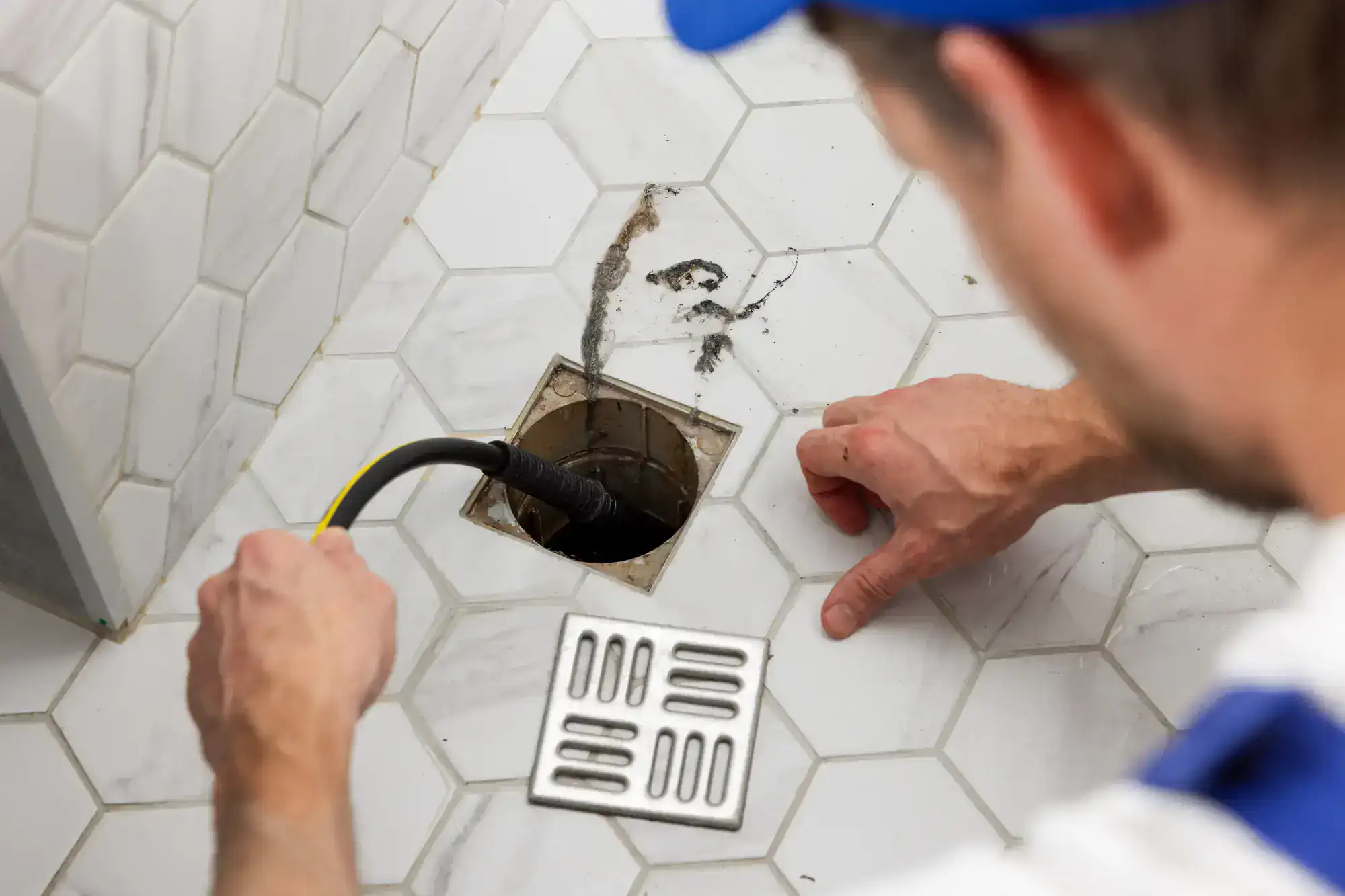
For a standard residential septic system with good accessibility, the septic pumping timing typically ranges from 1-3 hours. Think of it as the length of a Marvel movie, but with fewer explosions and more… sludge. This timeframe includes arrival, setup, the main event (pumping), a health check-up, and cleanup.
While the actual “slurping” part takes 20-30 minutes, expect the entire service to last 1-2 hours total. The actual process of pumping a septic tank takes about 20-30 minutes for a typical residential system—about the time it takes to order a pizza. The rest of the time involves preparation, inspection, and paperwork.
Our technician arrives with special equipment designed to handle the job effectively and safely. We’ll walk through the process with you, answer your burning questions, and make sure you understand what’s happening at each stage. We aim to be in and out before you even miss us.
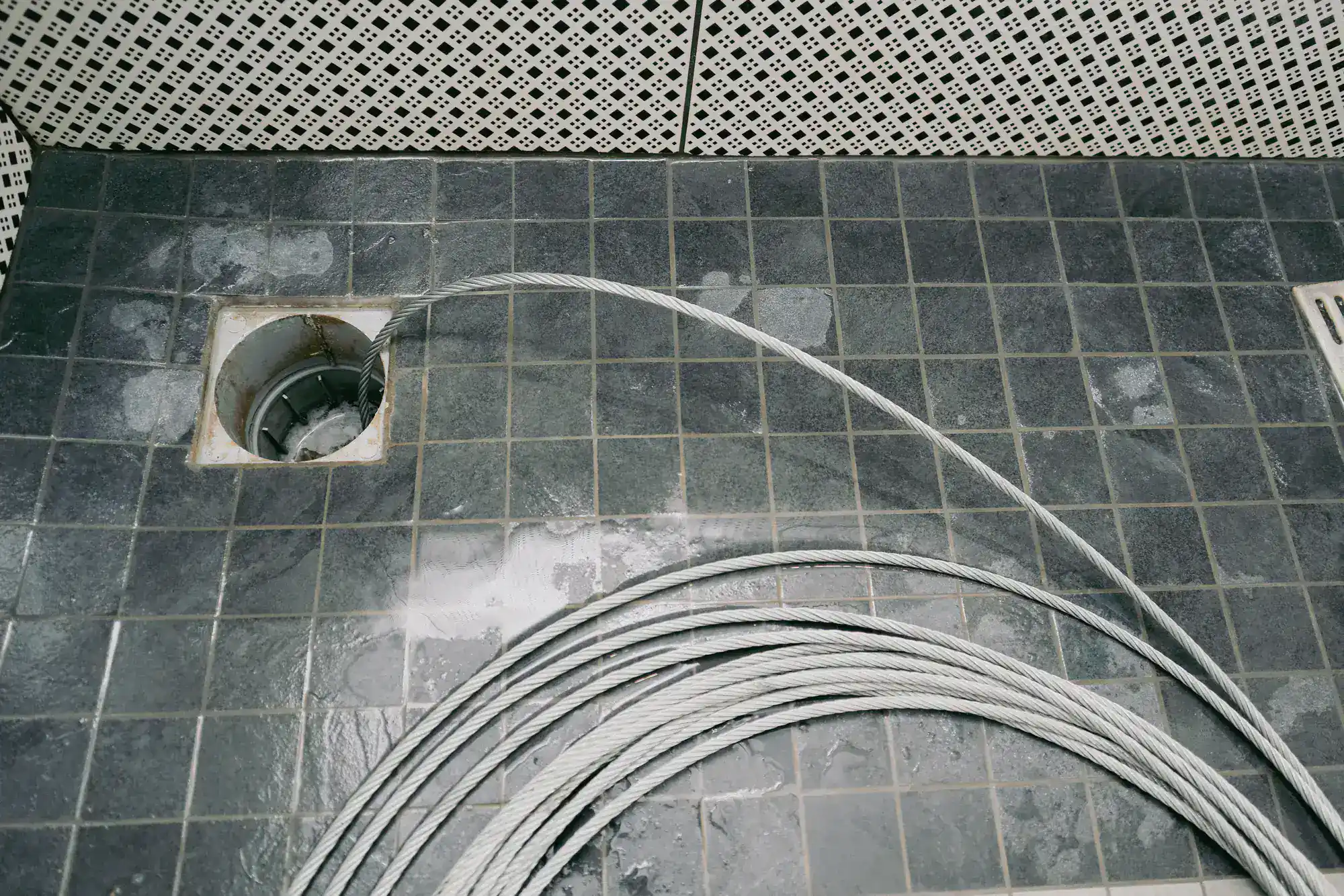
The first step involves locating your septic tank if it’s not immediately visible. This is our version of a treasure hunt! Finding and uncovering the tank can add 15-20 minutes if it’s playing hide-and-seek under deep soil or hidden by your prize-winning hydrangeas. For tanks that are well-marked, this step is faster than you can say “flush.”
We use various methods to locate tanks. We help you locate your tank and determine access, using fiber-optics or electronic location devices, if necessary. This technology eliminates guesswork and prevents us from turning your yard into Swiss cheese.
Even professionals may have trouble locating your system if the access to your tank is buried deep. One way to start looking is to go in your basement and determine the direction the sewer pipe goes out through the wall. Then start probing the soil with a thin metal rod 10 to 15 feet from the foundation. Once your system is found, be sure to keep a map of it on hand to save time on future service visits (and to save your lawn from being poked).
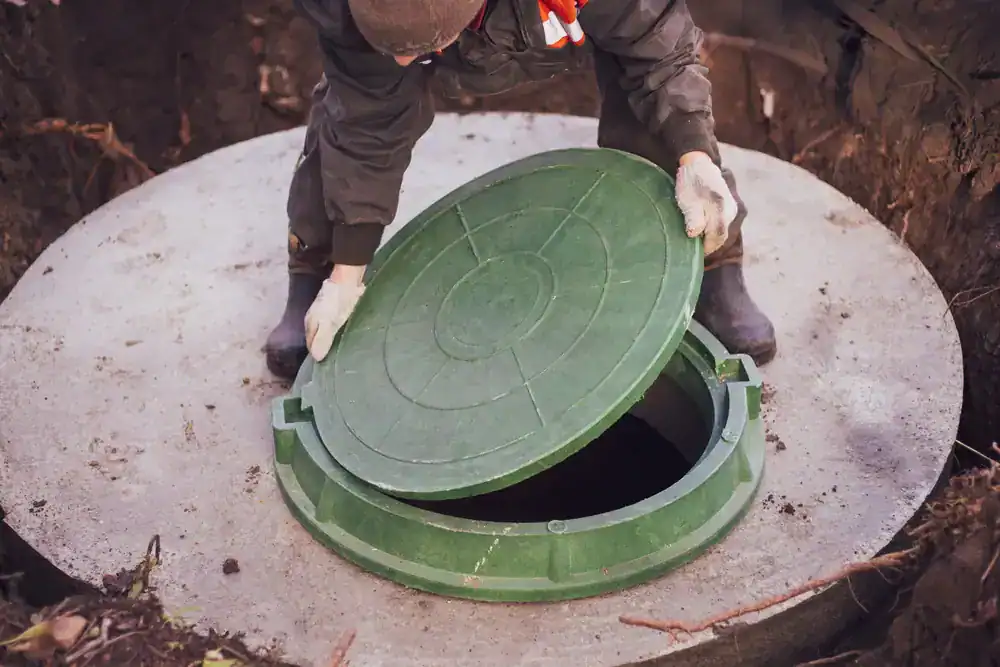
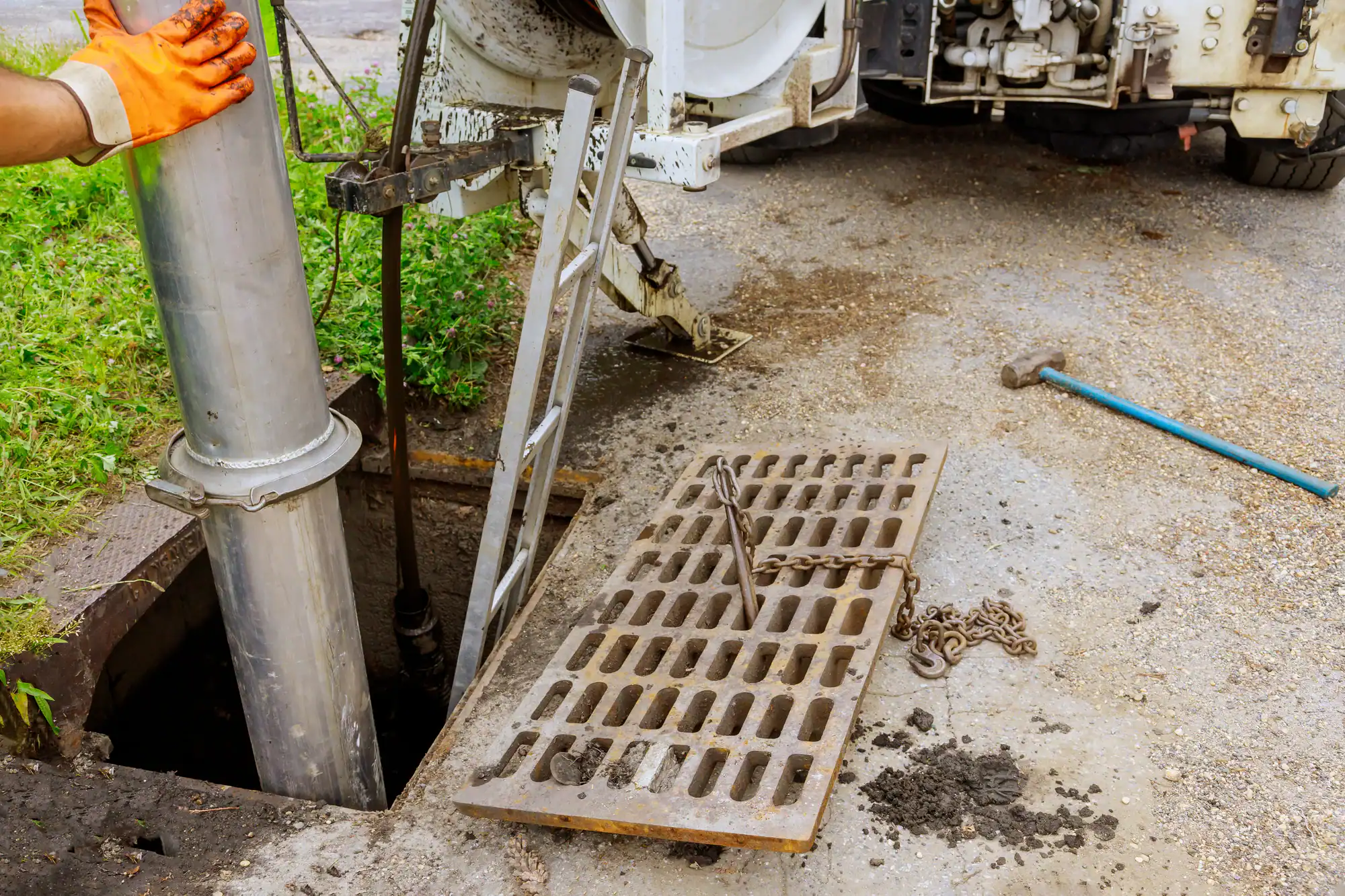
We will carefully remove the access lid, taking precautions to avoid damage. If the septic tank lids are accessible, we open the lids while being mindful that fumes in the tank could be harmful. For safety, we never put our head inside the tank. There is a risk of falling into the tank or breathing harmful fumes—plus, the view isn’t exactly scenic. This is why you should always use professionals rather than attempting this yourself.
Once the tank is accessible, the real party begins. We will start by inserting the hose of our vacuum truck into the open septic tank lid, which allows us to literally suck up all the wastewater. It’s essentially a giant straw, but please, do not try to drink from it. Once the tank is empty, we’ll rinse out the tank or use a waterjet to remove any stubborn buildup.
Full tanks or those with heavy sludge buildup take longer to pump. Solid waste accumulation can add 10-15 minutes to the process. The thickness and composition of the waste material directly impact pumping time—if the sludge is thicker than your Aunt Linda’s oatmeal, it’s going to take a while. This is why regular maintenance makes future appointments faster and more effective.
You can typically expect to pump 1,000 gallons per 20-30 minutes. We monitor the process to guarantee complete removal of accumulated waste. We make sure all of the material in the tank is removed. It is not necessary to leave anything in the tank to “restart the biological process,” (the bacteria will come back naturally with your next flush), but it is also not necessary to scrub or disinfect the tank so you can eat off the floor. Let’s be reasonable.
Thoroughly cleaning a neglected tank may require an extra 15-20 minutes for proper servicing. Tanks that receive regular maintenance are typically faster to service since they have less accumulated debris. This is another reason why staying on schedule with pumping saves you time, money, and problems.
Want live answers?
Connect with a AAA Dependable Cesspool expert for fast, friendly support.
While everything is clean and fully visible, we will perform an inspection to spot any signs of wear and tear that could lead to a breakdown later on. Think of this as a physical for your house’s digestion. This inspection is a vital part of the service that many homeowners don’t realize they’re getting.
A basic pump-out typically takes 20-30 minutes, but adding an inspection extends the time by 10-15 minutes. However, this additional time can save you thousands in unexpected repairs by catching problems early. Trust us, fixing a small crack now is better than a “sewage volcano” in your yard later.
The inspection covers several critical components of your system. We will open the septic tank’s access lid to check the water level, measure the sludge and scum layers to determine if septic tank pumping is needed, check for leaks, cracks, or signs of deterioration in the septic tank walls, and inspect the inlet and outlet baffles to make sure they are functioning correctly.
We check the liquid level inside the tank. The liquid level at the outlet end of the tank should be equal to the bottom of the outlet pipe. Water level above the pipe could indicate that the outlet pipe may be blocked. On the other hand, if the water level is too low, then it could indicate that the tank could be leaking. We prefer the Goldilocks level: just right.
Using a “Sludge Judge” (yes, that is the actual name of the tool, and yes, it sounds like a wrestler), we will measure the levels of sludge and scum in the tank to determine if pumping is necessary. We will examine the inlet and outlet pipes for clogs, damage, or signs of wear. This detailed assessment helps identify potential issues before they become expensive emergencies.
We also check components like baffles and filters. If your septic tank has a filter, it should be pulled out and cleaned of any debris that may be deposited on the screen. Most screens are designed to be pulled from the inspection port above the baffle on the drainfield side of the septic tank. The filter can be hosed off—it’s like cleaning a dryer lint trap, but much, much grosser.
We give you documentation of our work and findings. Unlike many other septic service companies, we use photo documentation to show you exactly where your waste levels are, and help you track how long it takes for your scum and sludge levels to build up to the proper thresholds. We know you probably won’t frame these photos for your living room, but they are useful! Using the data specific to your household, we’ll give you a personalized septic tank pumping schedule.
We will explain what we found during the inspection and offer recommendations for future maintenance. How often your tank needs to be pumped depends on the tank size, the number of people living in your home, and the habits of your particular household. Garbage disposal and high-water-use technologies, such as a hot tub or whirlpool, also affect the pumping frequency. This information combined with observations from annual inspections will help you to estimate your individual pumping schedule.
We conduct an 8 point septic check to diagnose potential problems. This comprehensive approach makes sure you have a complete picture of your system’s health. We will also offer guidance on proper system care and usage to maximize the time between pumpings.
It’s a good idea to be present when your tank is being pumped. Make sure the contractor uses the manhole, not the inspection ports, to pump the tank to avoid damaging the baffles or tees. We always use proper procedures to protect your system’s integrity. Plus, watching the process is surprisingly fascinating—from a safe, upwind distance.
To help your septic pumping appointment go as smoothly as possible, it’s a good idea to prepare a little ahead of time. While we can help you with these steps, handling these tasks in advance will make the pumping appointment faster and easier.
The day before your scheduled septic pumping, try to minimize water usage in your home as much as possible. Avoid running the dishwasher, washing machine, or taking those legendary 45-minute showers. The less wastewater entering the tank, the easier it will be to thoroughly pump it out. Excess water usage can agitate the waste in the tank, making it harder to remove the sludge at the bottom. Let the sludge settle—it’s shy.
Now you know exactly what happens during a septic pumping appointment. The process is straightforward, professional, and designed to keep your system running effectively. When you choose AAA Dependable Cesspool Sewer & Drain for your Suffolk County septic pumping needs, you’re getting experienced technicians who explain each step and give you honest assessments. We’re #1 in the #2 business!
Summary:
Article details:
Share: