Smart septic monitoring is the superhero Suffolk County didn't know it needed, alerting homeowners to rising levels before costly backups ruin the weekend.
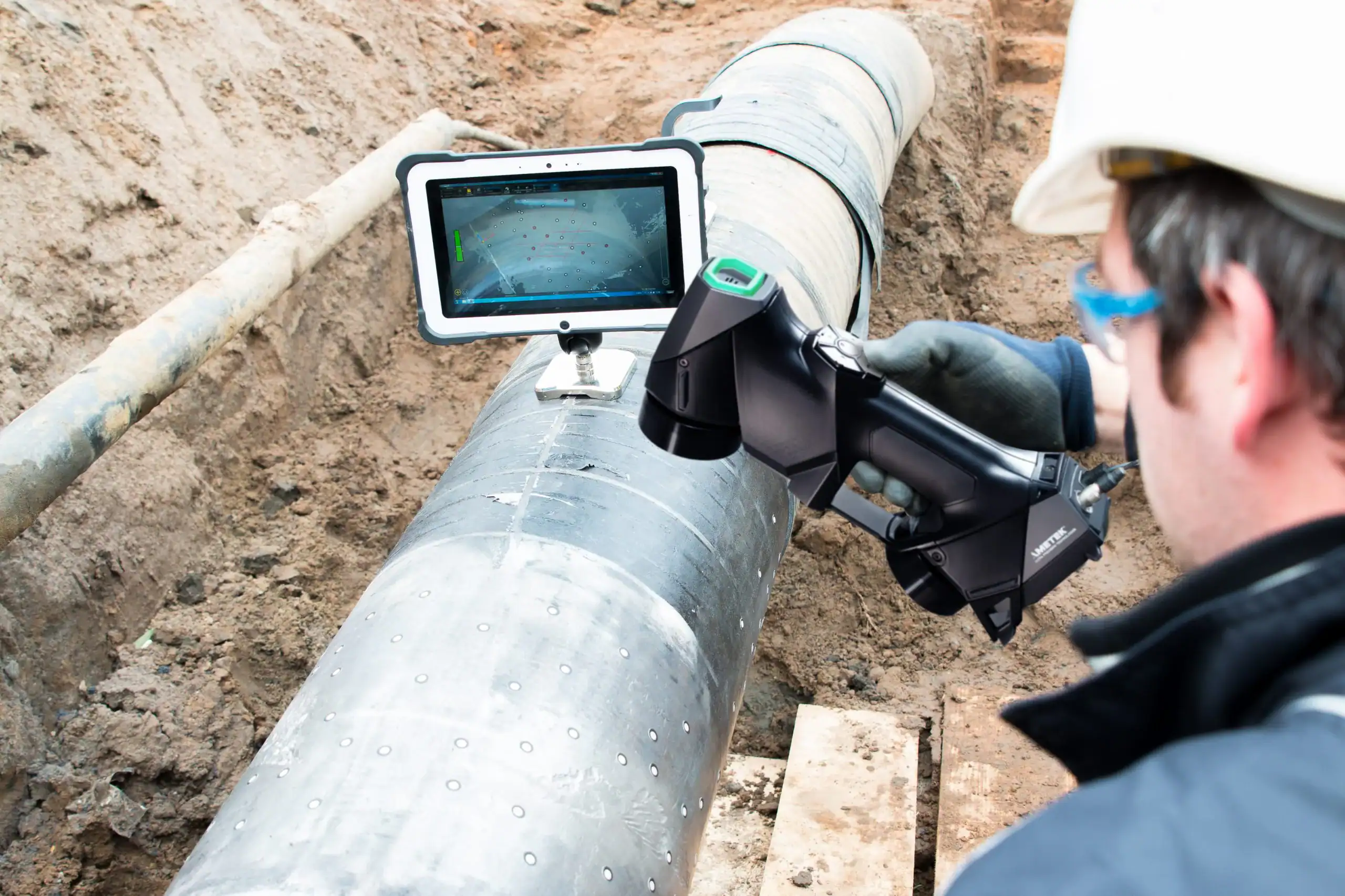
Smart septic tank alarms use sensors inside your tank to watch your water levels, flow rates, and performance like a hawk. If things get too high, the system shoots a text to your smartphone instantly.
We aren’t talking about those old-school float switches that get stuck on a piece of toilet paper. Modern smart sensors use ultrasonic technology, pressure monitoring, and the IoT (Internet of Things—or in this case, Internet of Toilets) to give you real-time health data.
This tech takes the guesswork out of septic maintenance. Instead of wondering, “Is it full yet?” or waiting for the grass to turn suspiciously green, you get data-driven alerts telling you exactly what is happening underground.

Smart septic monitoring tracks the stuff that traditional inspections miss because, well, humans can’t live inside a septic tank. Water level sensors detect when your tank is reaching capacity, giving you plenty of time to schedule septic pumping before your yard becomes a swamp.
Temperature monitoring helps spot seasonal issues. In Suffolk County, where the weather can’t make up its mind, this helps predict when freezing temps or heavy rains are stressing your system out. Flow rate sensors are the detectives, catching leaks, clogs, or pump failures red-handed.
Advanced systems even monitor the bacterial balance. Your tank needs “good bugs” to break down waste (think of it as yogurt for your plumbing). When sensors detect an imbalance, you can fix it with treatments before the whole system goes on strike.
Some systems even watch the drain field, verifying it’s absorbing effluent properly. This prevents the dreaded “soggy lawn” syndrome. It’s total protection, making sure you aren’t blindsided by a failure.
Smart septic monitoring tracks the stuff that traditional inspections miss. Water level sensors detect when your tank is reaching capacity, giving you plenty of time to schedule septic pumping before your yard becomes a swamp.
These systems typically give you a 24-48 hour head start before an overflow. That is enough time to stop running the dishwasher, call for emergency septic pumping, or fix a pump before your basement turns into a swimming pool.
Many smart systems can connect directly to us! When your system cries for help, we get the alert too, allowing us to reach out and schedule a fix before you even realize there’s an issue.
The apps also provide historical data. You can see how your holiday parties or that house full of relatives affected your water usage. It helps you make smarter decisions about when to pump. Plus, modern systems have battery backups for when the power goes out during storms.
Want live answers? Connect with a AAA Dependable Cesspool expert for fast, friendly support. Get A Free Quote Call: 631-738-7100
Want live answers?
Connect with a AAA Dependable Cesspool expert for fast, friendly support.
Suffolk County has high water tables and plenty of storms, which means our septic systems work harder than a lifeguard in July. Early detection is the only way to stay ahead of the game.
Smart monitoring systems help you optimize your septic pumping schedule. Instead of pumping every three years “just because,” you pump when the data says you need to. It’s a more effective and scientific approach to maintenance.
The tech also keeps you in good standing with Mother Nature. By preventing untreated wastewater from escaping, you help protect our local groundwater. It’s a win-win: dry basement, clean island.

Smart septic systems offer a high level of protection compared to the risk of a full system failure. Proactive monitoring helps you time your services perfectly, preventing you from pumping an empty tank or, worse, waiting too long and causing permanent damage.
Addressing a problem during regular business hours is much more convenient than dealing with a plumbing disaster in the middle of the night or on a holiday. Plus, insurance companies appreciate proactive homeowners. A home with a monitored, documented septic system is a lot more attractive to future buyers than a home with a “mystery tank” in the backyard.
Smart septic monitoring is an act of environmental kindness. Suffolk County’s aquifer is our only source of drinking water, so keeping sewage out of it is essential.
As regulations get stricter regarding nitrogen and groundwater, having digital records of your system’s performance is a major advantage for compliance.
But the best benefit? Peace of mind. No more laying awake at night wondering if that gurgling sound in the bathroom means doom is approaching. You sleep better knowing your phone will tell you if there’s a problem. It eliminates the anxiety of homeownership and provides clear data for a healthy home.
Smart septic monitoring is the future, and the future smells a lot better than the past. This tech transforms you from a reactive homeowner into a proactive master of your domain, preventing failures and protecting your property.
With real-time monitoring and smartphone alerts, you have a security system for the most unglamorous part of your house. It gives you control and protects the environment.
When you are ready to bring your septic system into the 21st century, we at AAA Dependable Cesspool Sewer & Drain are here to help. We combine decades of local experience with the latest tech to keep your pipes flowing and your life stress-free. Let’s get smart about your septic!
Summary:
Article details:
Share: