Why Winter Maintenance Programs Are Essential for Long Island Cesspools (Before the Ground Freezes)

Winter brings unique challenges for Suffolk County cesspools. Learn how maintenance programs protect your system from freeze damage and prevent expensive emergencies before cold weather strikes.

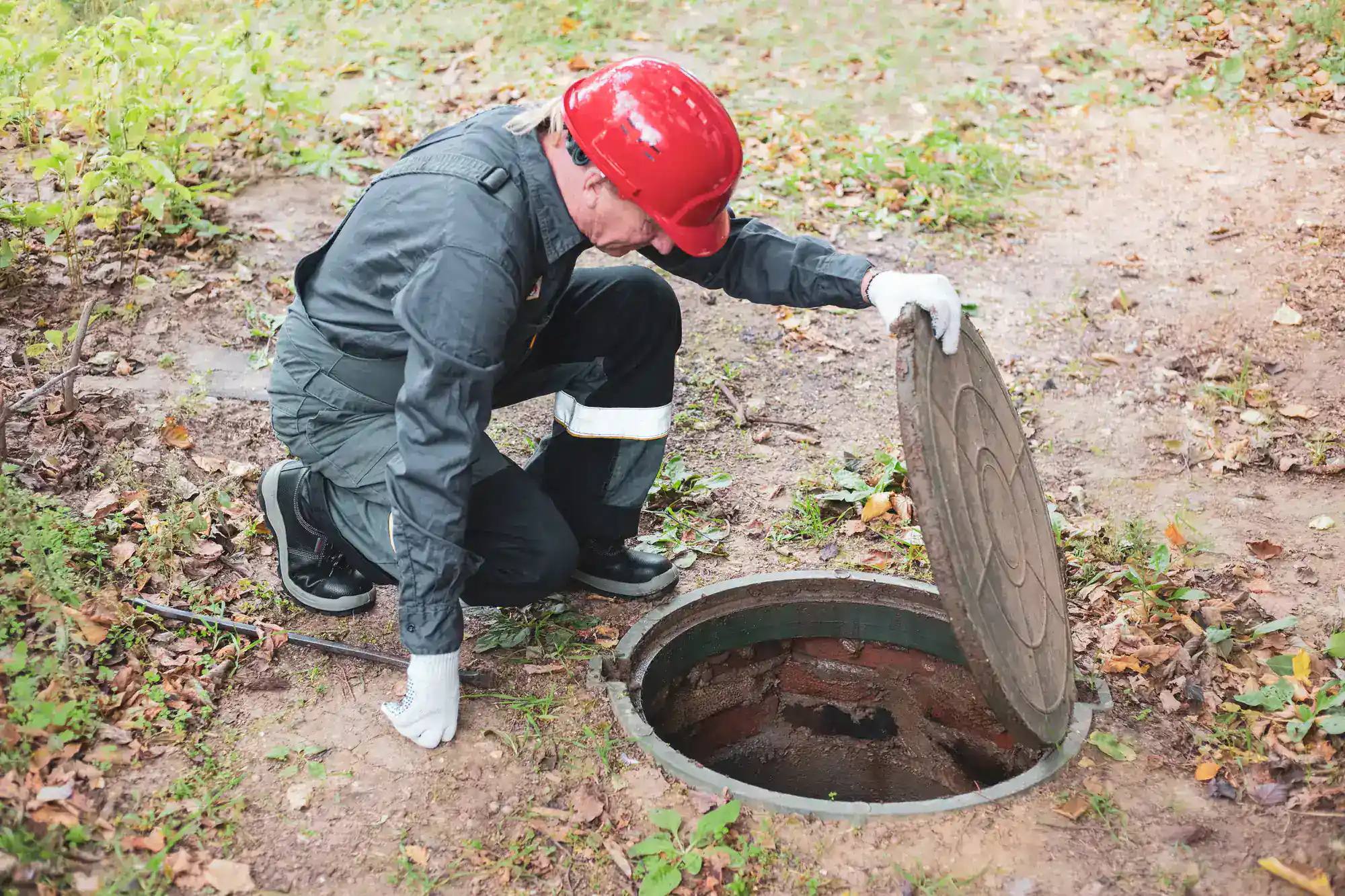
A person stands on grass next to an open septic tank, holding a hose while another large hose is inserted into the tank, suggesting maintenance or cleaning work.
You probably don’t think about your cesspool until something goes wrong. And in winter, when the ground freezes and temperatures swing from 40 degrees to 15 overnight, that’s exactly when things go wrong. Water expands when it freezes. Pipes crack. Pumps fail. Components that worked fine in September suddenly cost you thousands in February. Winter maintenance programs exist for one reason: to catch the problems before frozen ground turns a small issue into an emergency. You’ll learn what threatens your cesspool during Suffolk County winters, how scheduled maintenance protects your system, and why waiting until spring might already be too late.

What Happens to Cesspools During Suffolk County Winters

Long Island winters are unpredictable. One day it’s 45 and raining. Two days later it’s 12 degrees with frozen ground. Your cesspool doesn’t get time to adjust.

When temperatures drop fast, the water in your pipes, baffles, and distribution lines can freeze before you even notice a problem. That expansion cracks concrete, splits pipes, and damages pumps. By the time you see slow drains or smell something off, the damage is already done.

The soil around your cesspool matters too. Sandy areas drain fast but don’t insulate well. Clay-heavy spots hold moisture that freezes around your system components. And the water table? It fluctuates all winter as snow melts and rain soaks in, forcing your cesspool to work harder when it’s already stressed by cold.

A person wearing gloves and holding a pipe.

How Frozen Ground Affects Cesspool Performance

Frozen ground doesn’t just make digging harder if you need emergency repairs. It fundamentally changes how your cesspool functions.

When the ground freezes, the soil that normally absorbs and filters your wastewater becomes impermeable. Liquid waste has nowhere to go. It backs up into your tank faster, fills your system quicker, and creates pressure that can crack aging concrete or collapse older cesspool structures entirely.

Most Suffolk County homes were built decades ago when cesspool installation standards were different. If your home went up in the 50s, 60s, or 70s, your pipes might sit closer to the surface than modern systems. That makes them vulnerable to frost damage that newer installations avoid.

And here’s what most people don’t realize: once the ground freezes, getting emergency service becomes exponentially more expensive. We need specialized equipment to access your system. The work takes longer. And if you’re calling on a weekend in January because your toilet’s backing up, you’re paying premium rates for emergency service that could have been avoided with scheduled maintenance in November.

The freeze-thaw cycles are particularly brutal. A warm day thaws the top layer of soil, then temperatures plummet overnight and everything refreezes. This constant expansion and contraction stresses every component of your system. Concrete develops hairline cracks. Pipes shift. Seals fail. These aren’t dramatic failures that announce themselves. They’re slow deterioration that turns into a crisis when you least expect it.

Your cesspool also relies on bacterial action to break down waste. Cold temperatures slow that process dramatically. In winter, waste accumulates faster than bacteria can process it, which means your system fills up quicker and needs attention sooner than it would in warmer months.

Warning Signs Your Cesspool Needs Attention Before Winter

Your cesspool will tell you when it’s struggling. You just have to know what to listen for.

Slow drainage is usually the first sign. If your sinks, toilets, or showers take longer to empty than they used to, cold weather is probably affecting your system’s efficiency. Don’t ignore it hoping it’ll get better when spring arrives. Winter cesspool problems get worse, not better.

Unusual odors around your property mean waste isn’t breaking down properly. This is especially common during freeze-thaw cycles when ground conditions change rapidly. If you smell something off near your cesspool area, that’s your system telling you it needs help before temperatures drop further.

Gurgling sounds from your drains indicate air bubbles in the system, often caused by partial blockages that develop when waste moves slowly through cold pipes. These sounds are your system working harder than it should. Address them now, and you avoid a backup later.

Wet spots or standing water in your yard that don’t dry out—even when other parts of your lawn do—can indicate system backup. In winter, these areas might be the last to freeze or the first to thaw. That’s not a coincidence. It’s untreated wastewater finding its way to the surface.

Inside your home, pay attention to water levels in toilet bowls. If they’re rising or falling unexpectedly, your cesspool system is struggling to maintain proper flow rates. This often happens right before a major backup, so catching it early saves you from dealing with sewage in your home.

If you’re pumping your cesspool more than once a year just to keep it working, that’s not normal usage. That’s a system near the end of its functional life, and winter stress will push it over the edge.

Want live answers?

Connect with a AAA Dependable Cesspool expert for fast, friendly support.

How Maintenance Programs Protect Your System Through Winter

Scheduled maintenance isn’t about selling you services you don’t need. It’s about timing service when it actually protects your investment.

A maintenance program means your system gets inspected and serviced before winter weather creates problems. We check all components—baffles, inlet pipes, drainage patterns—and catch issues while they’re still small and inexpensive to fix. You avoid the scenario where a minor crack becomes a major failure because frozen ground prevented early detection.

You also get priority scheduling. When everyone else is calling for emergency service in January, maintenance program members get scheduled first. That matters when your system backs up and you need help fast.
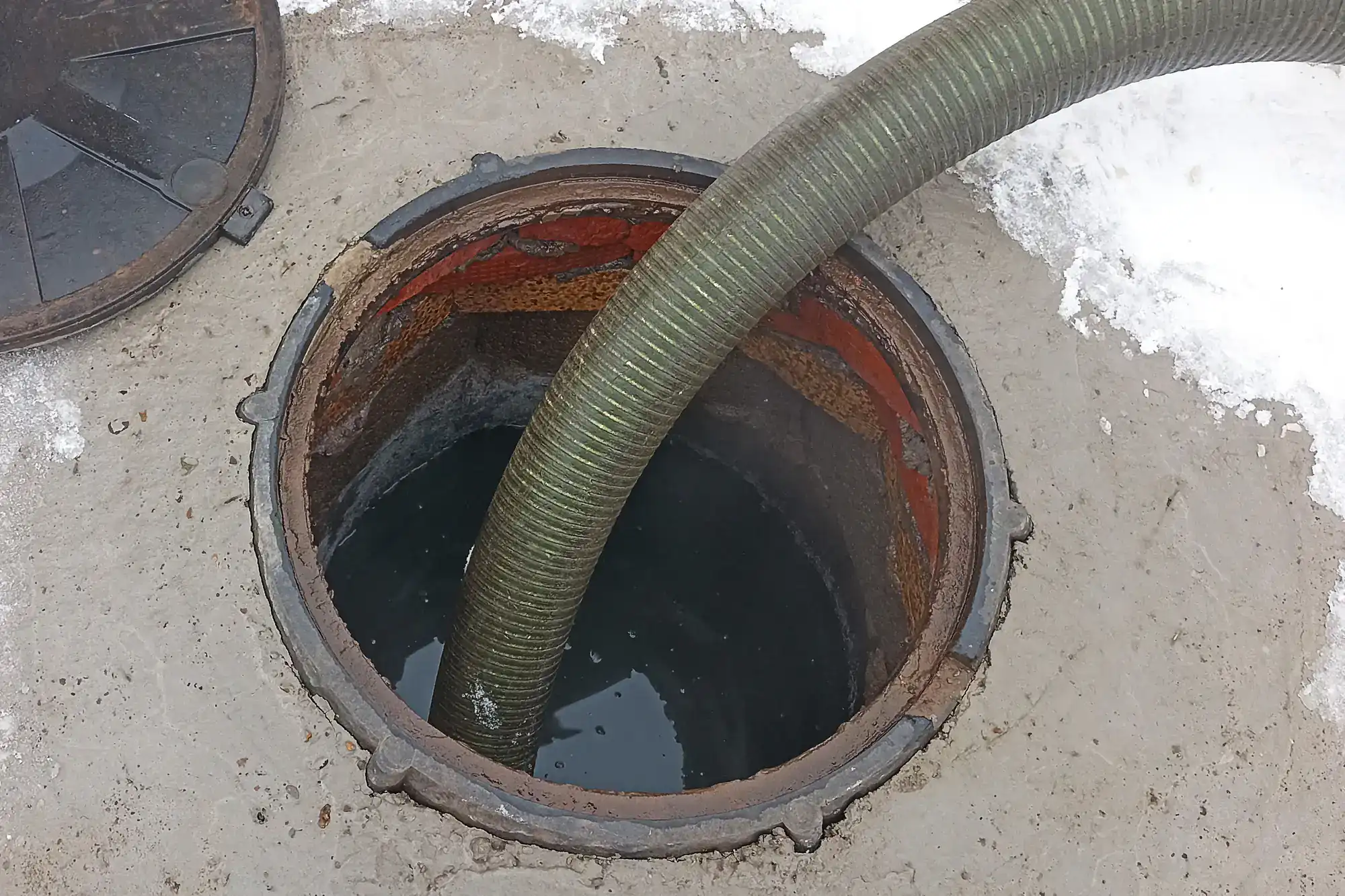
A large, flexible hose is inserted into an open manhole filled with water, surrounded by concrete and patches of snow—typical of cesspool service in Suffolk County, NY. The manhole cover is partially visible to the left.

What's Included in a Winter Maintenance Program

A proper maintenance program covers complete cesspool pumping, thorough system inspection, and documentation of your tank’s condition. But the value goes beyond the basic service.

As technicians familiar with Suffolk County soil conditions, we know what to look for. Heavy rains stress systems that aren’t properly maintained. Winter water table fluctuations create pressure on aging components. We catch these issues during scheduled visits, before they turn into property damage.

You get an eight-point inspection that identifies worn components, drainage issues, and potential problems that could cause future emergencies. These inspections happen during scheduled service when repairs are less expensive and less disruptive than emergency calls.

The program also includes documentation that Suffolk County requires for property transfers and renovation permits. If you ever sell your home, you’ll need records showing regular waste removal by licensed contractors. Properties with neglected cesspools fail inspections and require expensive repairs before sales can proceed. Maintenance programs keep those records current automatically.

Priority scheduling extends to any unexpected issues too. If something does go wrong between scheduled services, program members get faster response times and preferred pricing on additional work. Emergency calls are expensive, but maintenance program members avoid most emergencies entirely through proactive care.

Your investment in regular maintenance saves significant money compared to reactive repairs. A scheduled pumping costs a few hundred dollars. An emergency service call in winter, when frozen ground makes access difficult? That can run into thousands, especially if you need repairs that could have been caught during routine inspection.

Some programs also include camera inspection services that let you see exactly what’s happening inside your lines. This technology identifies blockages, root intrusion, or structural damage before they cause complete system failure. When you can see the problem with your own eyes, you make better decisions about repairs versus replacement.

The Real Cost of Skipping Winter Preparation

Here’s what happens when you skip maintenance and hope your cesspool makes it through another winter.

First, winter pumping costs 20% to 30% more than service during milder months. Frozen ground and bad weather make everything harder, and those costs get passed to you. If you wait until January to deal with a problem you noticed in October, you’re paying premium rates for work that would have cost less with advance planning.

Second, emergency repairs during winter often require specialized equipment and extended labor. We might need to thaw frozen ground just to access your system. We’re working in brutal conditions, which means slower progress and higher costs. A repair that takes two hours in September might take six hours in February.

Third, property damage from cesspool failures gets expensive fast. Sewage backing up into your home destroys flooring, damages walls, and creates health hazards that require professional remediation. Your homeowner’s insurance might not cover damage from neglected maintenance, leaving you responsible for costs that easily reach five figures.

But the biggest cost is the one nobody talks about: the stress and disruption of dealing with a cesspool emergency during winter. You can’t use your plumbing. You might need to leave your home while repairs happen. And you’re scrambling to find available service during the busiest season for emergency calls.

Systems that get regular maintenance handle winter stress better and recover faster when problems do arise. Well-maintained cesspools have clean components, proper bacterial balance, and structural integrity that helps them withstand temperature swings and ground movement. Neglected systems? They’re one cold snap away from failure.

Suffolk County regulations are also getting stricter about cesspool maintenance and water quality protection. Properties with failing systems face fines and mandatory replacement costs. Regular maintenance keeps you compliant and avoids violations that can cost thousands in penalties.

When drain cleaning or sewer jetting becomes necessary, maintenance program members get priority access to those services too. These specialized techniques can restore flow to clogged lines and extend your system’s life, but they work best when problems are caught early through scheduled inspections.

Protect Your Cesspool Before the Next Cold Snap

Winter maintenance programs exist because Long Island winters are hard on cesspools. Frozen ground, temperature swings, and water table fluctuations create stress that turns small issues into expensive emergencies.

Scheduled maintenance catches problems early, protects vulnerable components, and keeps your system running when you need it most. You get priority service, transparent pricing, and documentation that protects your property value. Most importantly, you avoid the nightmare of dealing with a cesspool failure in the middle of winter.

If your cesspool hasn’t been inspected recently, or if you’re noticing any warning signs, now is the time to schedule service—before the ground freezes and your options become limited. We’ve been serving Suffolk County families since 1998 with honest, reliable maintenance programs that actually protect your investment.

Summary:

If you own a cesspool in Suffolk County, winter is a threat to your entire system. Frozen ground, temperature swings, and increased water table levels can turn a functioning cesspool into a costly disaster overnight. Winter maintenance programs offer scheduled care that catches problems before they escalate, protects vulnerable components from freeze damage, and keeps your system running when you need it most. This isn’t about selling you services you don’t need. It’s about understanding what actually happens to cesspools during Long Island winters and taking simple steps to avoid the problems.

Article details:

Share: