Cold weather turns grease into concrete inside your pipes. Discover why hydro jetting clears winter buildup better than snaking when temperatures drop.
Winter doesn’t just make your pipes cold. It changes how everything inside them behaves.
Grease that slides right through in July turns into sludge in January. Fats and oils solidify faster when they hit cold pipes, clinging to walls and catching everything else that flows past—soap scum, food particles, hair. Cold weather also slows the beneficial bacteria in your cesspool that normally break down waste. When those microscopic workers can’t do their job, solid waste builds up faster than usual.
Then there’s the freeze risk. Water expands when it freezes, and that expansion can crack pipes, damage pumps, and destroy system components overnight. Even a small amount of water left in the wrong place can cause thousands of dollars in damage. Suffolk County’s proximity to the Long Island Sound means rapid weather changes—a warm day followed by a sudden freeze doesn’t give your system time to adjust. That’s when most winter cesspool emergencies happen.

Holiday cooking is non-negotiable. Turkey, ham, prime rib—all the foods that make winter worth it also send fats, oils, and grease straight down your kitchen drain.
In warmer months, hot water might carry that grease through your pipes before it causes trouble. But in winter, the story changes fast. When grease hits cold pipes, it doesn’t stay liquid long. It thickens, crystallizes into a gel, and sticks to pipe walls like glue. Over time, this solid grease builds up layer by layer, narrowing your pipes and catching other debris.
The problem compounds during the holidays. More cooking means more grease. More guests mean more showers, more dishes, more waste flowing through your system. Your drains are working overtime while fighting against temperatures that make every bit of buildup worse. Traditional drain cleaning methods weren’t designed for this. A snake can punch through a clog, but it can’t scrape away the grease coating your pipe walls. That coating stays put, collecting more debris until you’re dealing with another backup.
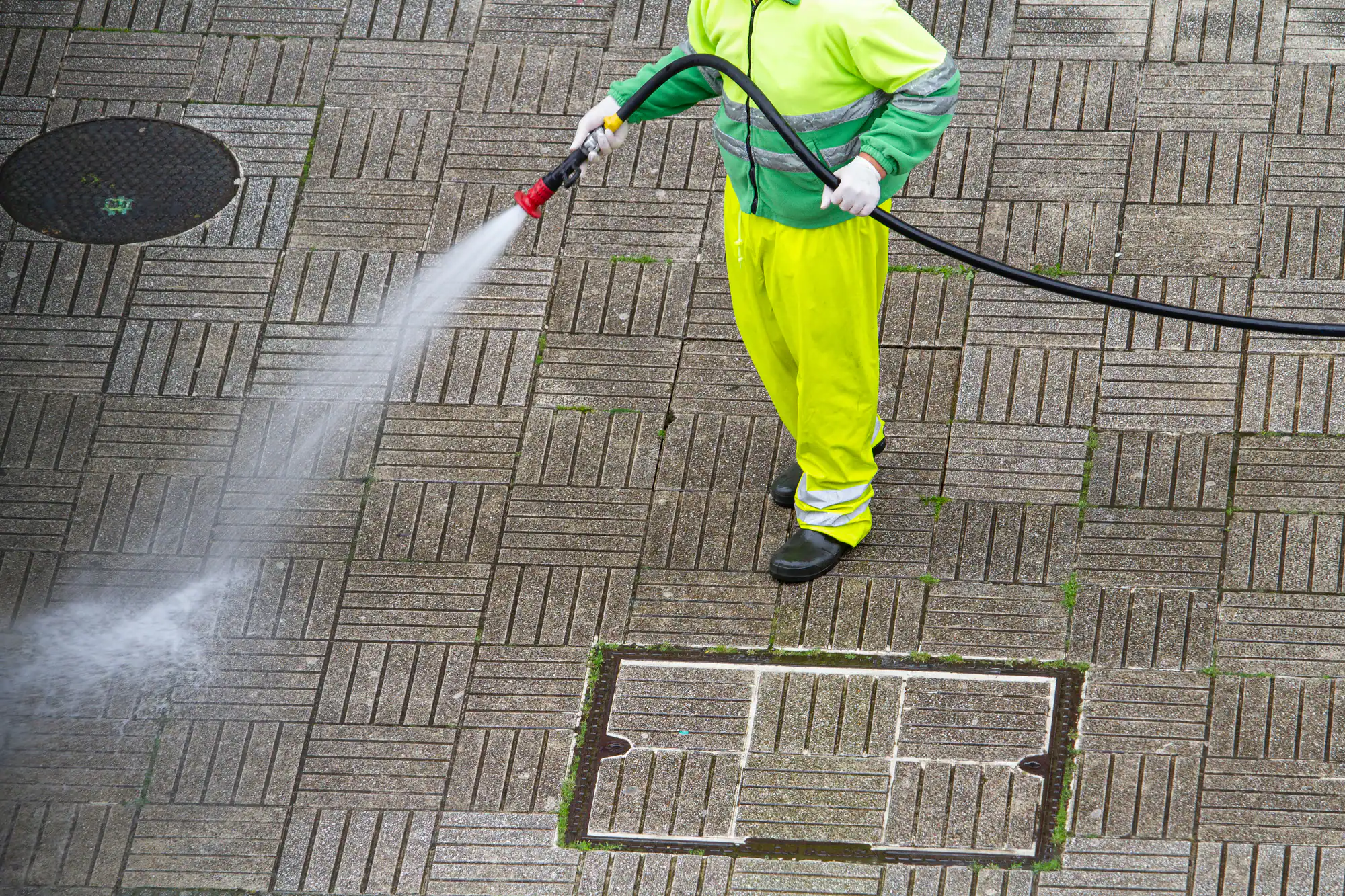
Sewer jetting uses high-pressure water—often exceeding 3,000 psi—to blast grease off pipe walls entirely. It’s not just breaking through the clog. It’s removing the conditions that created the clog in the first place. The water scours the entire interior surface of your pipes, washing away grease, sludge, mineral deposits, and everything else that’s been building up. When winter throws everything at your drains, jetting gives you clean pipes that can handle it.
Your cesspool wasn’t designed to handle Long Island winters without help. The natural bacteria that break down waste in your tank need warmth to function properly. When temperatures drop, these bacteria slow down or go dormant. Waste that would normally decompose in days or weeks just sits there, building up faster than your system can process it.
Slow drainage is usually the first warning sign. Toilets, sinks, and showers take longer to drain than usual. You might notice unusual odors around your property, especially near the cesspool area. These smells happen when waste isn’t breaking down properly—a direct result of cold temperatures killing off beneficial bacteria. The odors often get stronger on warmer winter days when the ground thaws slightly and releases trapped gases.
The real danger comes from freezing pipes. Even if your main cesspool doesn’t freeze, the pipes leading to and from it are vulnerable. Outdoor drain lines, pipes in unheated crawl spaces, and lines running through exterior walls face the highest risk. When water inside these pipes freezes, it expands with enough force to crack metal and split PVC. A cracked pipe means sewage leaking into your yard or basement—a health hazard and an expensive emergency repair.
Suffolk County’s dramatic temperature swings make this worse. A warm afternoon followed by an overnight freeze doesn’t give your system time to adjust gradually. The rapid temperature change catches homeowners off guard and systems unprepared. That’s why fall cesspool maintenance matters. Getting your system inspected and cleaned before the ground freezes means any problems get fixed while repairs are still straightforward. Wait until January, and you’re dealing with frozen ground, emergency service rates, and limited options.
Want live answers?
Connect with a AAA Dependable Cesspool expert for fast, friendly support.
When your drain backs up, you want it fixed. The question is whether you want it fixed for a week or fixed for the season.
Traditional drain snaking has been around for decades because it’s fast, affordable, and effective for simple clogs. A plumber feeds a long metal cable with a corkscrew tip down your drain, rotating it to break up the blockage. For a wad of hair or a single obstruction, snaking works fine. But winter drain problems aren’t simple. They’re layers of grease, soap scum, and debris that have been building up for months. Snaking punches a narrow path through that buildup—just wide enough for water to flow again. The grease coating your pipe walls? Still there. The sludge in the corners? Still there. Within days or weeks, debris starts catching on that remaining buildup, and you’re back where you started.
Sewer jetting takes a different approach. Instead of breaking through the clog, it removes everything causing the clog. A specialized hose with a multi-directional nozzle feeds into your drain line. High-pressure water shoots out in various angles, scouring the entire interior surface of your pipes. It blasts away grease, mineral deposits, soap scum, tree roots, and any other debris that’s been accumulating. The loosened material gets flushed downstream, leaving your pipes significantly cleaner than they’ve been in years.

Snaking is a surface-level solution. It addresses the symptom—the clog—but not the cause. That works okay in summer when grease stays liquid and bacteria are active. But winter changes the game.
When grease solidifies in cold pipes, it doesn’t just create a single blockage you can break through. It creates a coating along your entire pipe system. Snaking might clear the worst section, but it leaves that coating intact. Within days, more debris starts sticking to it. Food particles, soap scum, hair—everything that flows down your drain has something to catch on. Before long, you’re dealing with slow drainage again, then another backup, then another service call.
The problem gets worse with each snaking. The cable can only reach so far, and it only clears the path it travels. Grease in the corners, buildup on the upper walls, sludge in the bends—all of it stays put. Over time, your pipes get narrower and narrower. What started as a minor slowdown becomes a chronic problem that needs attention every few weeks. You’re not just paying for repeated service calls. You’re living with the stress of never knowing when the next backup will hit.
There’s also the damage factor. Repeated snaking can wear down older pipes. The rotating cable scrapes against pipe walls with each use. In newer PVC pipes, this might not matter much. But in older metal pipes or pipes already weakened by corrosion, aggressive snaking can cause cracks or punctures. You solve one problem and create another.
Sewer jetting avoids these issues entirely. The high-pressure water is powerful enough to remove buildup but gentle enough not to damage pipes in good condition. We adjust the pressure based on your pipe material and condition—something we determine with a video camera inspection before starting. You get a thorough cleaning without the risk of making things worse.
Timing matters with sewer jetting. Late summer or early fall is ideal—before the ground freezes and before holiday cooking begins. Getting your pipes cleaned in September or October means you’re starting winter with a clean slate.
The process begins with a camera inspection. We feed a small video camera through your drain lines to locate blockages, assess buildup, and check pipe condition. This step is essential. It shows exactly what’s happening inside your pipes and helps determine the right approach. If your pipes are old or fragile, we adjust pressure accordingly. If there’s heavy root intrusion, we know to use a forward-facing nozzle first to break through before switching to a wider spray pattern for thorough cleaning.
Once the inspection is complete, the jetting begins. A specialized hose with a high-pressure nozzle feeds into your drain line. Water pressure—typically 3,000 to 4,000 psi—shoots out in multiple directions, scrubbing pipe walls clean. The force is strong enough to cut through tree roots, dissolve grease buildup, and flush away years of accumulated sludge. Everything gets carried downstream and out of your system.
The results last. Because jetting removes the coating of grease and debris that causes clogs, your pipes stay cleaner longer. Many homeowners benefit from jetting once every one to two years. Homes with frequent cooking, large families, or recurring drain issues might need more regular service. But even then, you’re looking at annual or semi-annual cesspool maintenance—not monthly emergency calls.
Winter brings enough stress without worrying about your drains. Jetting before cold weather hits means your pipes can handle holiday cooking, increased water usage, and temperature swings without backing up. You’re not just preventing clogs. You’re buying peace of mind for the entire season.
Winter drain problems are preventable. Not all of them, not every time—but most of them, most of the time, if you take the right steps before temperatures drop.
Sewer jetting gives you clean pipes that can handle what winter throws at them. Grease doesn’t have a surface to stick to. Debris flows through instead of catching. Your system works the way it’s supposed to, even when conditions aren’t ideal. Combine that with smart habits—disposing of grease properly, running hot water after cooking, scheduling regular cesspool inspections—and you’re in good shape.
The alternative is waiting until something goes wrong. Sewage backing up into your basement. Drains that won’t clear no matter what you pour down them. Emergency service calls on weekends or holidays when rates are higher and availability is limited. Repairs that could have been simple becoming complicated because frozen ground makes everything harder.
If your drains have been slowing down, if you’ve had recurring clogs, or if it’s been more than a year since your last professional cleaning, now’s the time to address it. Don’t wait until you’re dealing with a backup on Thanksgiving or frozen pipes in January. We’ve been helping Suffolk County homeowners keep their cesspool systems running since 1998. We know what works, what doesn’t, and what your specific property needs based on local conditions. Reach out before winter hits, and we’ll make sure your drains are ready for whatever the season brings.
Summary:
Article details:
Share: