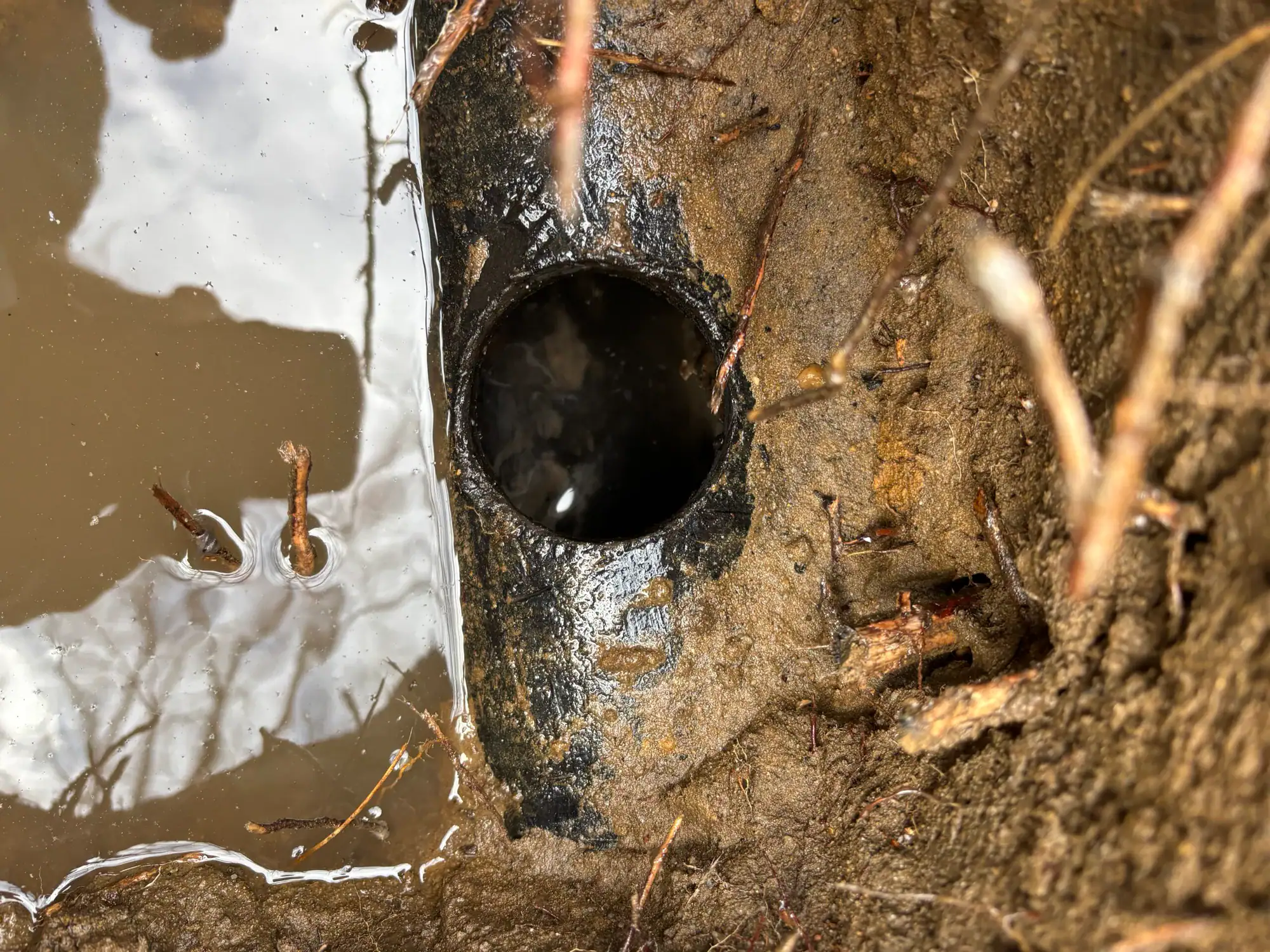
Winter weather puts your cesspool at serious risk. Discover the five warning signs that signal trouble before you face a frozen cesspool emergency in Suffolk County.

Your cesspool wasn’t designed to handle Long Island’s winter extremes without help. Cold temperatures slow down the natural bacteria that break down waste in your tank. When these microscopic workers can’t do their job effectively, solid waste builds up faster than normal.
The real danger comes from freezing pipes. Water expands when it freezes, and that expansion can crack pipes, damage pumps, and destroy expensive system components overnight. Even a small amount of water left in the wrong place can cause thousands of dollars in damage.
Ground frost adds another layer of complexity. When soil freezes around your system, it affects drainage patterns and can cause backups you’ve never experienced before. Suffolk County’s unique conditions make this even more challenging—rapid temperature swings don’t give your system time to adjust gradually, and that’s when most winter cesspool emergencies happen.

Slow drainage is often the first indicator. If your toilets, sinks, or showers are taking longer to drain than usual, cold weather might be affecting your system’s efficiency. This isn’t the same as a single clogged drain. We’re talking about multiple fixtures throughout your home that suddenly seem sluggish.
Here’s what’s happening below ground. As temperatures drop, the bacteria in your cesspool that normally break down solid waste become less active. They’re not dead, but they’re working much slower. Meanwhile, you’re still using water at the same rate. Solid waste accumulates faster than it can be processed, and liquids have less space to drain into the surrounding soil.
You might notice this most in the morning when you’re getting ready for work. The shower takes forever to drain. The toilet seems weak. These aren’t random plumbing issues. They’re your cesspool telling you it’s struggling with winter conditions.
Don’t wait for this to get worse. Slow drainage that persists for more than a day or two during winter months deserves attention. Most homeowners who ignore this warning sign end up dealing with complete backups within weeks. The fix is usually straightforward if you catch it early—pumping, inspection, maybe some maintenance to help your system handle the cold. Wait too long, and you’re looking at frozen lines, cracked pipes, or a complete system failure that requires emergency service in the middle of a snowstorm.
Temperature matters more than you think. A warm day followed by a sudden freeze doesn’t give your system time to adjust. That’s when slow drainage can turn into no drainage fast. If you’re seeing this pattern, especially during those dramatic temperature swings Suffolk County is known for, get it checked before the next cold snap hits.
Unusual odors around your property, especially near the cesspool area, suggest that waste isn’t breaking down properly. This happens when cold temperatures kill off the beneficial bacteria that normally handle decomposition. You might notice these smells more on warmer winter days when the ground thaws slightly.
The smell is distinct. It’s not just unpleasant—it’s sewage. Some homeowners describe it as a rotten egg smell mixed with waste. Others notice it’s strongest near specific areas of their yard, usually where the cesspool or drain field is located. The odor might come and go with temperature changes, which makes some people think it’s not a real problem. It is.
Here’s why this matters. Those beneficial bacteria in your cesspool need certain conditions to survive and work effectively. When temperatures drop below freezing, many of them die off or become dormant. Without them, solid waste doesn’t break down. It just sits there, creating gases that eventually find their way to the surface. The smell you’re noticing is actually methane and other gases escaping from your system.
This warning sign often appears alongside slow drainage, but not always. Sometimes the odor shows up first. You might smell it when you’re walking to your car in the morning or when you’re outside with your kids. It’s worse on days when the temperature rises above freezing because the ground thaws just enough to release trapped gases.
Don’t ignore this hoping spring will fix it. Those dead bacteria don’t magically come back when it warms up. The waste that’s accumulated doesn’t disappear on its own. What you’re smelling is a system under stress, and stress leads to failure. Winter cesspool problems typically get worse over time, and what starts as a minor odor issue can quickly become a major emergency requiring immediate professional intervention.
The other issue is your neighbors. Sewage smells don’t stay on your property. They drift. Most people don’t want to be the house on the block with that smell, and beyond the embarrassment, it’s actually indicating a potential health hazard that needs addressing.
Want live answers?
Connect with a AAA Dependable Cesspool expert for fast, friendly support.
Some warning signs can wait a few days. Others can’t. Knowing the difference between “schedule service soon” and “call right now” can save you thousands of dollars and prevent serious property damage.
Sewage backing up into your home is an emergency. Period. If water backs up into your tub when you flush, stop using your plumbing immediately. You have a serious problem that needs professional attention within hours, not days. This is the most obvious sign, but it’s also the one that means you’ve already moved past the “early warning” stage.
Standing water or sewage odors in your yard require immediate attention too. When waste water has nowhere to go inside your cesspool, it finds other ways to surface. This creates health hazards, kills your grass, and if left untreated, can contaminate nearby wells and groundwater sources. In winter, this standing water can freeze, making the problem even worse and the repair more complicated.

Gurgling sounds from drains signal blockages that restrict normal flow. Your plumbing system is designed to be quiet. When you hear gurgling, bubbling, or strange noises coming from toilets, sinks, or floor drains, it means air is trapped somewhere it shouldn’t be.
Think of it this way. Water flowing through your pipes pushes air ahead of it. That air needs somewhere to go—usually through vent pipes that exit through your roof. When your cesspool is struggling or lines are partially frozen, water can’t flow smoothly. It creates air pockets. Those air pockets get forced back through your fixtures, creating the gurgling sound you’re hearing.
This warning sign is particularly common in winter because frozen ground and struggling cesspools both restrict flow. You might hear it most when multiple fixtures are being used at once. Someone flushes a toilet upstairs and the shower drain gurgles. You run the washing machine and hear bubbling from the basement floor drain. These aren’t separate problems—they’re all connected to your cesspool’s inability to handle normal flow.
The timing matters. If gurgling sounds appear suddenly during a cold snap, your system is probably dealing with frozen or partially frozen components. If they’ve been building gradually over weeks, you’re more likely looking at a cesspool that’s reaching capacity or has drainage issues made worse by winter conditions.
Most homeowners hear these sounds and assume it’s just “old pipes” or “the house settling.” It’s not. Your plumbing doesn’t make noise without reason. Gurgling specifically indicates air displacement caused by restricted flow, and in winter, that restriction is almost always related to your cesspool system struggling with cold weather conditions.
Here’s what makes this warning sign particularly important. Gurgling usually appears before you see slow drainage or backups. It’s an early alert that gives you time to act. Ignore it, and you’re likely to wake up one morning to toilets that won’t flush or drains that won’t clear. Address it now, and you can prevent that scenario entirely.
Wet spots in your yard during winter are never normal. If you’re seeing soggy areas, pooling water, or unusually green grass over your cesspool or drain field area when everything else is brown and dormant, your system is leaking waste water into the surrounding soil.
This happens when your cesspool reaches capacity or when frozen ground prevents normal drainage. The waste water has to go somewhere. It rises to the surface, creating those wet spots you’re seeing. In winter, this is particularly problematic because that water can freeze, creating an ice layer that further blocks drainage and makes the problem worse.
The lush grass is a more subtle version of the same problem. Waste water contains nutrients. When it’s seeping into your soil instead of being properly contained and filtered, those nutrients feed the grass above. During winter when everything else is dormant, that patch of unusually green grass stands out. It looks healthy, but it’s showing you where your system is failing.
Some homeowners see these signs and think they’re dealing with a different issue entirely. Maybe a broken sprinkler line. Maybe just a low spot in the yard that holds water. But sprinkler lines don’t run in winter, and low spots don’t create isolated patches of thriving grass during dormant months. What you’re seeing is your cesspool system’s failure becoming visible at ground level.
This warning sign is particularly dangerous because it indicates your system isn’t just struggling—it’s actively failing. Waste water at the surface creates health hazards. It can contaminate wells. It attracts pests. It smells terrible once temperatures rise. And in winter, it creates additional problems as freezing and thawing cycles damage your drain field and surrounding soil structure.
The location tells you a lot. Wet spots directly over your cesspool usually mean the tank is full or overflowing. Wet spots in your drain field area suggest the soil can’t absorb any more liquid, often because it’s frozen or already saturated. Either way, you need professional assessment fast.
Don’t wait for spring to address this. The damage happening now gets worse with every freeze-thaw cycle. The contamination spreads. The repair costs increase. What might be a straightforward pumping and maintenance service in December becomes a drain field replacement project in March if you let it go all winter.
Winter cesspool problems don’t fix themselves. The five warning signs we’ve covered—slow drainage, unusual odors, gurgling sounds, wet spots, and unusually lush grass—all indicate your system is under stress. Catching these early means the difference between a routine service call and an expensive emergency repair.
Your cesspool faces challenges during Suffolk County winters that don’t exist in warmer months. Frozen pipes, struggling bacteria, ground frost, and rapid temperature swings all work against you. But homeowners who pay attention to warning signs and act quickly avoid most of the serious problems that come with freezing weather.
If you’re seeing any of these signs, don’t wait. Regular maintenance costs a few hundred dollars. Emergency repairs and system replacements cost thousands. We’ve served Suffolk County homeowners for over 25 years, and we’ve seen what happens when warning signs get ignored. We’d rather help you prevent an emergency than respond to one.
Summary:
Article details:
Share: