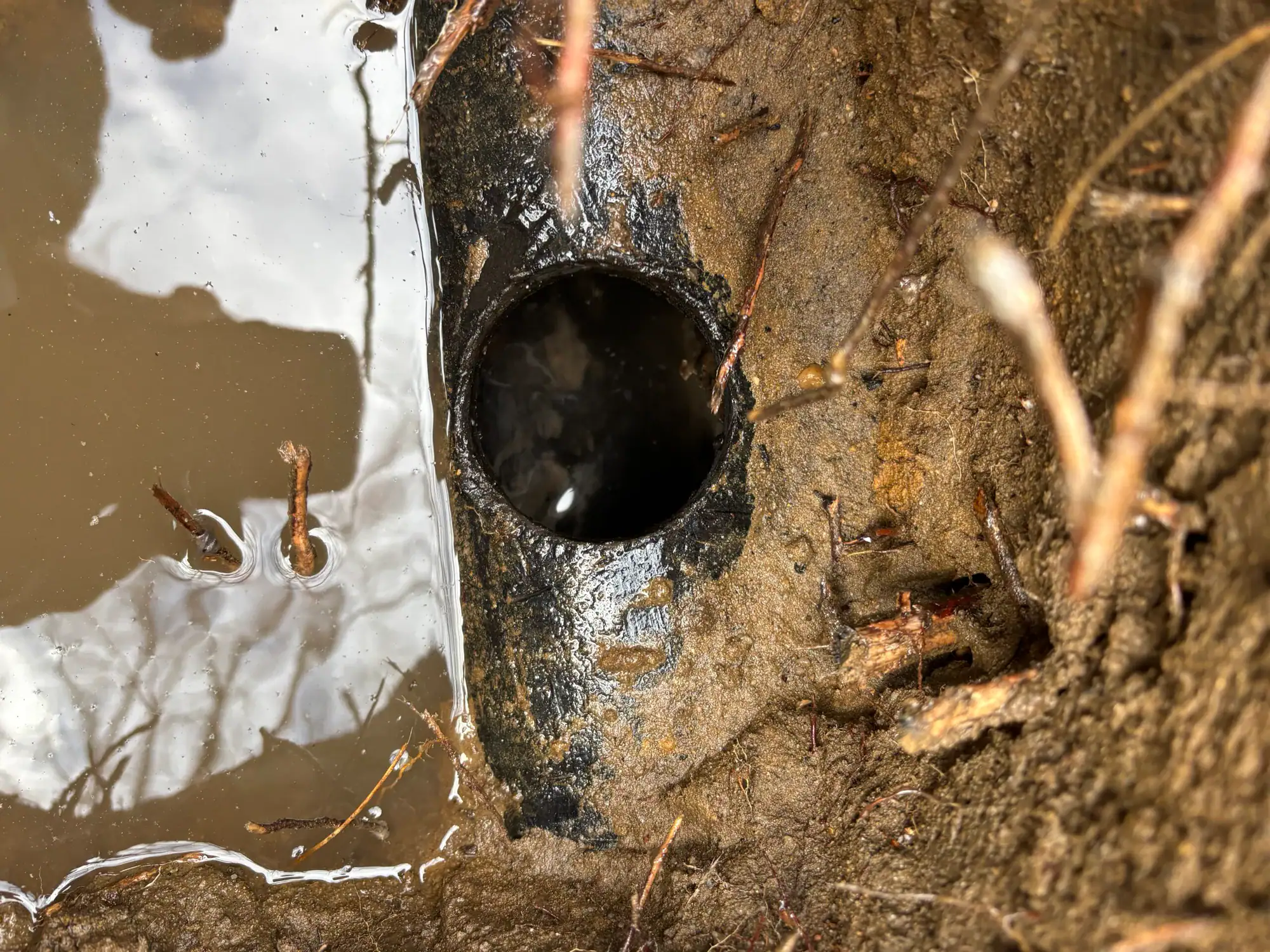
Fall is your last chance to prevent winter cesspool disasters. Discover why Suffolk County homeowners schedule maintenance before the ground freezes.
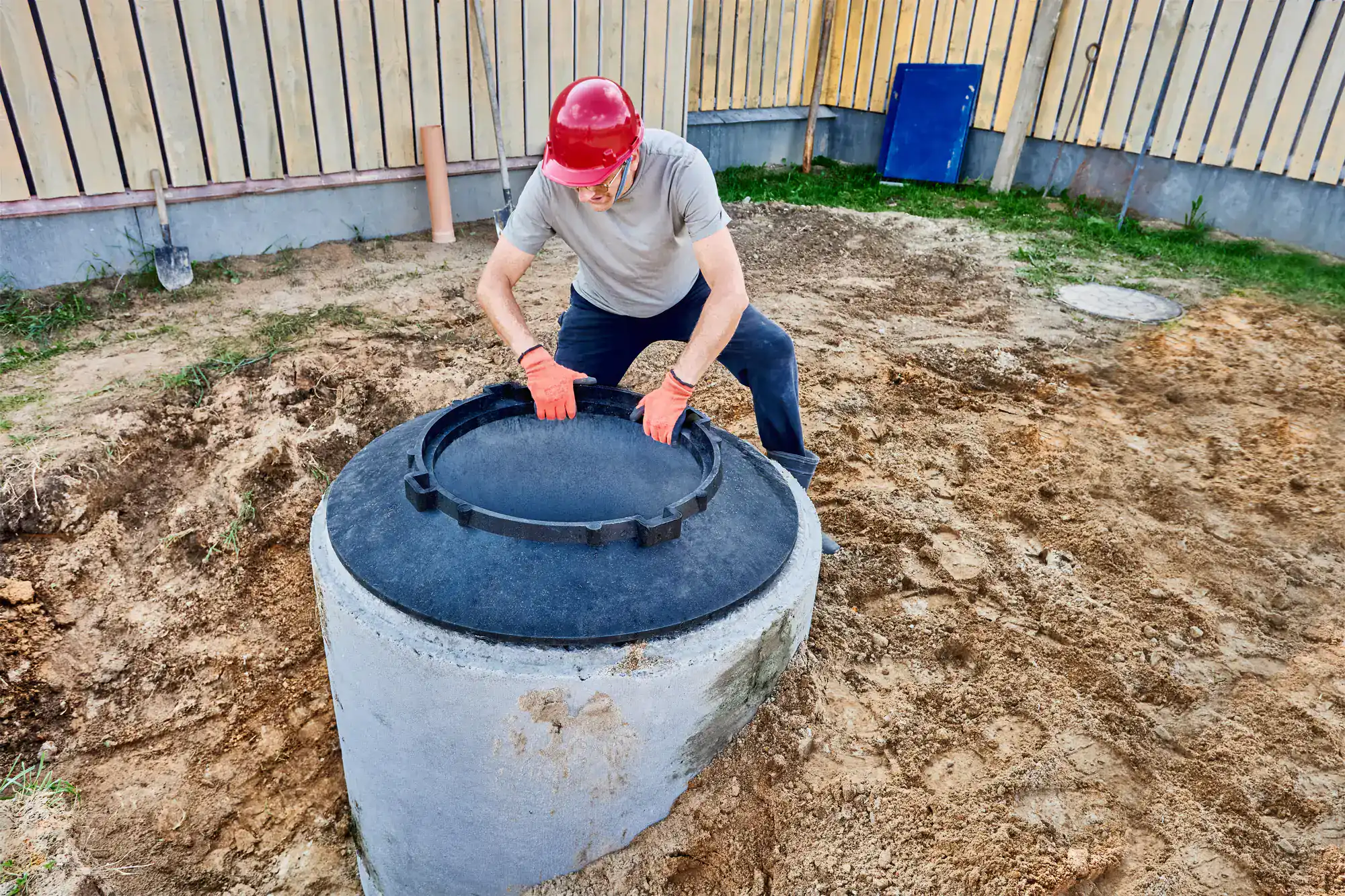
Fall maintenance isn’t just convenient timing. It’s strategic.
Suffolk County’s coastal location creates freeze-thaw cycles that are particularly brutal on underground systems. When temperatures drop and moisture from the coast meets inland cold, your cesspool faces conditions that can crack pipes, freeze lines, and turn minor issues into major failures overnight.
Right now, the ground is still accessible. Trucks can reach your property without plowing through snow. Our technicians can work efficiently without battling ice. And if your system needs more than routine pumping—if there’s a repair or a component that needs replacing—you have time to address it before it becomes an emergency.
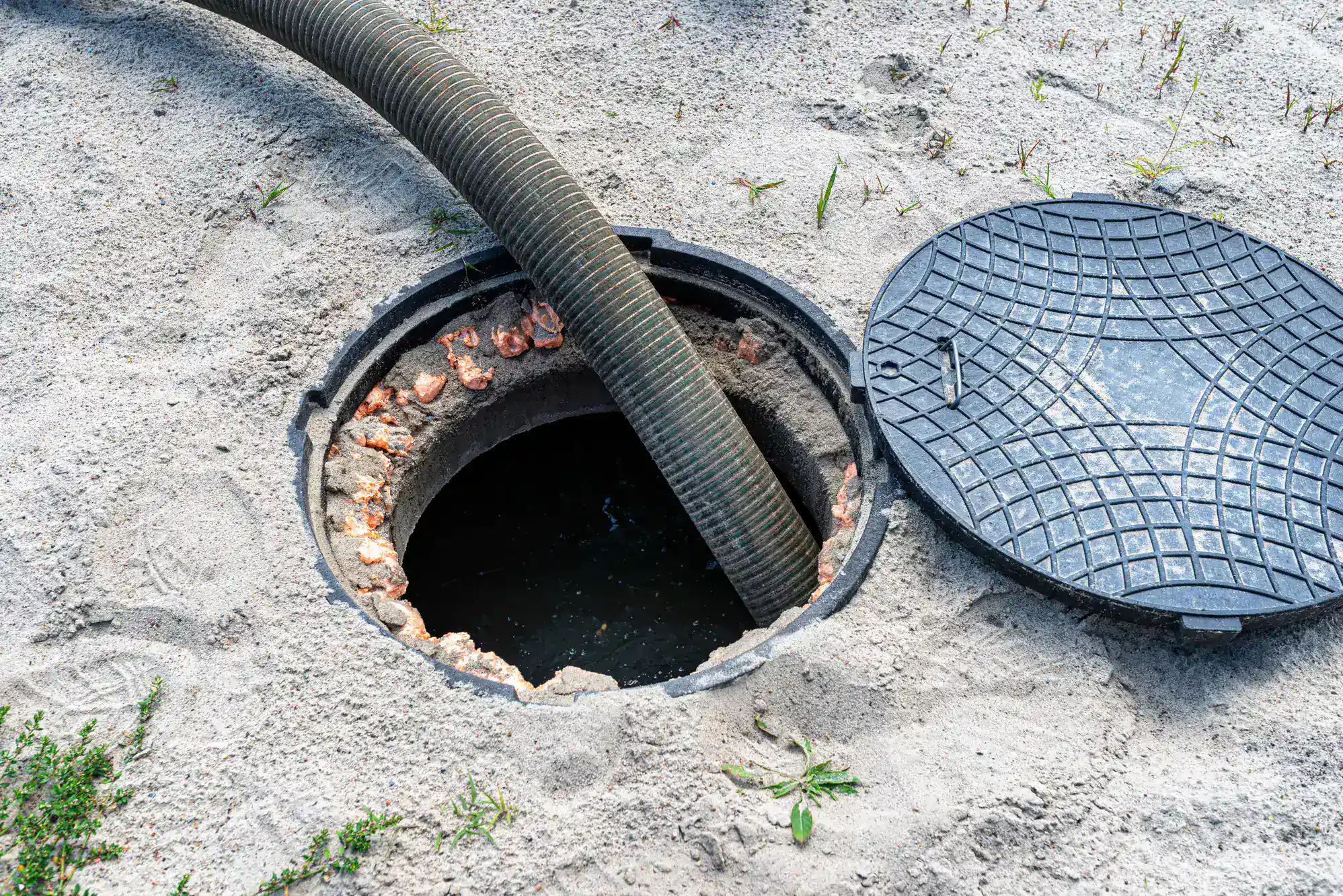
Let’s be clear about what you’re risking by postponing cesspool maintenance until winter.
Frozen ground makes emergency repairs significantly more difficult and expensive. When your system backs up in January, service trucks may struggle to access your property through snow and ice. The frozen soil makes digging nearly impossible without specialized equipment, which drives up costs. And because you’re not the only homeowner dealing with winter cesspool problems, you might wait days for emergency service while your system overflows.
The bacteria inside your cesspool that break down solid waste slow down dramatically in cold temperatures. Their metabolism drops, meaning waste accumulates faster than it can be processed. If your tank was already getting full in the fall, winter will push it over the edge.
Pipes are especially vulnerable. Small leaks that were manageable in warmer months can freeze and expand, cracking pipes or joints. Exposed components near the surface face the highest risk. Once a pipe freezes solid, you’re looking at a complete blockage—and potential sewage backup into your home.
Many Suffolk County homes were built in the 1950s and 1960s when cesspool installation standards were different. Older systems often have pipes installed closer to the surface, making them more vulnerable to frost damage. If your home falls into this category, fall maintenance isn’t optional—it’s essential.
The financial difference is stark. Routine fall cesspool pumping typically costs a few hundred dollars. Emergency winter repairs can run into thousands, especially if frozen ground requires excavation or if backup causes interior damage to your home.
There’s no universal answer, but there are solid guidelines.
Most Suffolk County homeowners should pump their cesspools every three to five years. The Suffolk County Department of Health recommends a three-year schedule to prevent solid buildup from flowing into overflow cesspools and causing system failure.
But your actual needs depend on usage. A single person living alone won’t produce the same volume of waste as a family of four with teenagers. Household size, water consumption, and whether you have a garbage disposal all factor into how quickly your cesspool fills.
Older systems without septic tanks—just a cesspool alone—need more frequent service. These systems lack the separation and processing that a septic tank provides, so waste accumulates faster. If your home was built before the 1970s and you’re not sure what type of system you have, fall is a good time to get a cesspool inspection and find out.
Commercial properties operate on entirely different schedules, typically requiring service every 30 to 120 days depending on usage volume.
The key is being proactive rather than reactive. Waiting until you notice slow drains, sewage odors, or wet spots in your yard means you’re already behind. By then, you’re not scheduling routine maintenance—you’re dealing with an emerging problem that’s going to cost more to fix.
If you can’t remember the last time your cesspool was pumped, or if you’ve never had it serviced since buying your home, fall maintenance should be at the top of your priority list before winter arrives.
Want live answers?
Connect with a AAA Dependable Cesspool expert for fast, friendly support.
Your cesspool usually gives you warnings before it fails completely. Pay attention to them.
Slow drains throughout your home—not just one sink or toilet—indicate your system is reaching capacity. When multiple fixtures drain sluggishly or make gurgling sounds, that’s your cesspool telling you it’s struggling to handle the volume.
Sewage odors around your property or inside your home are never normal. If you smell something foul near your cesspool location or notice persistent odors indoors, your system needs immediate attention. These smells indicate that waste isn’t being contained or processed properly.
Wet or unusually green patches in your yard, especially over your cesspool area, signal that effluent is surfacing. Your grass might look healthier in one spot than the rest of your lawn—that’s because it’s being fertilized by sewage that should be staying underground.

A proper fall maintenance visit does more than just pump out your tank. It’s a complete system check.
First, we’ll locate and access your cesspool, which isn’t always straightforward in older homes. Once opened, we’ll measure the levels of solid waste and scum to determine if pumping is needed. If solids have built up to more than one-third of the tank’s height, it’s time to pump.
Cesspool pumping itself removes the accumulated sludge and liquid waste from your system. This prevents solids from clogging the pores in your cesspool walls, which would prevent liquid from properly draining into the surrounding soil.
But pumping is just the start. A thorough inspection examines the structural integrity of your cesspool. Older concrete or block cesspools can develop cracks, collapses, or deterioration over time. Catching these issues in fall gives you time to plan cesspool repair before winter makes them emergencies.
The inspection should also check your inlet and outlet pipes for damage, blockages, or root intrusion. Tree roots are attracted to the moisture in sewer pipes and can penetrate cracks or loose joints, eventually filling the pipe with root masses that catch debris and create blockages. This happens year-round, even when trees appear dormant in winter.
For homes with septic tanks preceding the cesspool, we’ll perform a septic inspection checking baffles, proper separation of solids and liquids, and ensuring the tank isn’t leaking or allowing solids to pass through to the cesspool.
If your system includes a distribution box, pump chamber, or other components, these should be inspected for proper function. Electrical components like float switches and alarms should be tested to ensure they’ll alert you to problems.
A camera inspection can provide visual confirmation of your pipe condition, showing exactly where problems exist rather than guessing. This is especially valuable for older systems where pipes may be deteriorating or where roots may have infiltrated.
Beyond cesspool pumping and inspection, there are specific winterization steps that protect your system through Long Island’s cold months.
Insulation matters more than most homeowners realize. Adding mulch or leaves around your cesspool area provides natural insulation that helps maintain ground temperature. Even this simple measure can prevent freeze damage to components near the surface.
Any exposed pipes or components need protection. These are typically found where pipes enter or exit your home, around pump stations, or in unheated areas like crawl spaces. Identifying and insulating these vulnerable spots before temperatures drop prevents frozen blockages.
Fix leaky faucets and fixtures before winter. Small, steady drips might seem harmless, but they can actually increase freezing risk by providing just enough water flow to create ice buildup in pipes. Address these leaks now to establish consistent, controlled water flow instead.
Consider your household’s water usage patterns. Consistent water flow helps prevent freezing better than intermittent use. If you’re planning to be away from home during winter months, make arrangements to have water run periodically or have your system properly winterized by a professional.
Suffolk County’s soil composition plays a role in winter system performance. Sandy areas drain quickly but offer less insulation, while clay-heavy spots hold moisture that can freeze around system components. Understanding your specific soil type helps you prepare more effectively.
Local water table fluctuations during winter can also affect system performance. When groundwater levels rise from snow melt and winter rains, your cesspool may struggle to drain properly. Fall maintenance ensures your system is operating at peak efficiency before these challenges arrive.
Don’t forget about your drain field or leaching area if you have one. Keep this area clear of heavy objects, vehicles, or structures that could compact the soil and reduce its ability to absorb effluent. Avoid planting deep-rooted trees or shrubs near your system components.
Fall maintenance isn’t about creating work that doesn’t need to be done. It’s about timing the work your cesspool already needs so you avoid winter emergencies, frozen ground complications, and the significantly higher costs that come with both.
If your system hasn’t been serviced in three years—or if you’re seeing any warning signs like slow drains, odors, or wet spots—don’t wait for snow to start falling. The difference between a routine fall service call and a winter emergency is measured in thousands of dollars and days of disruption.
Suffolk County homeowners have enough to worry about during winter without adding cesspool failures to the list. A few hundred dollars spent now protects your home, your family’s health, and your peace of mind through the entire cold season. For honest, transparent full cesspool service including pumping, drain cleaning, sewer jetting, and camera inspections in Suffolk County, reach out to us at AAA Dependable Cesspool Sewer & Drain. We’ve been helping local homeowners avoid these exact problems since 1998.
Summary:
Article details:
Share: