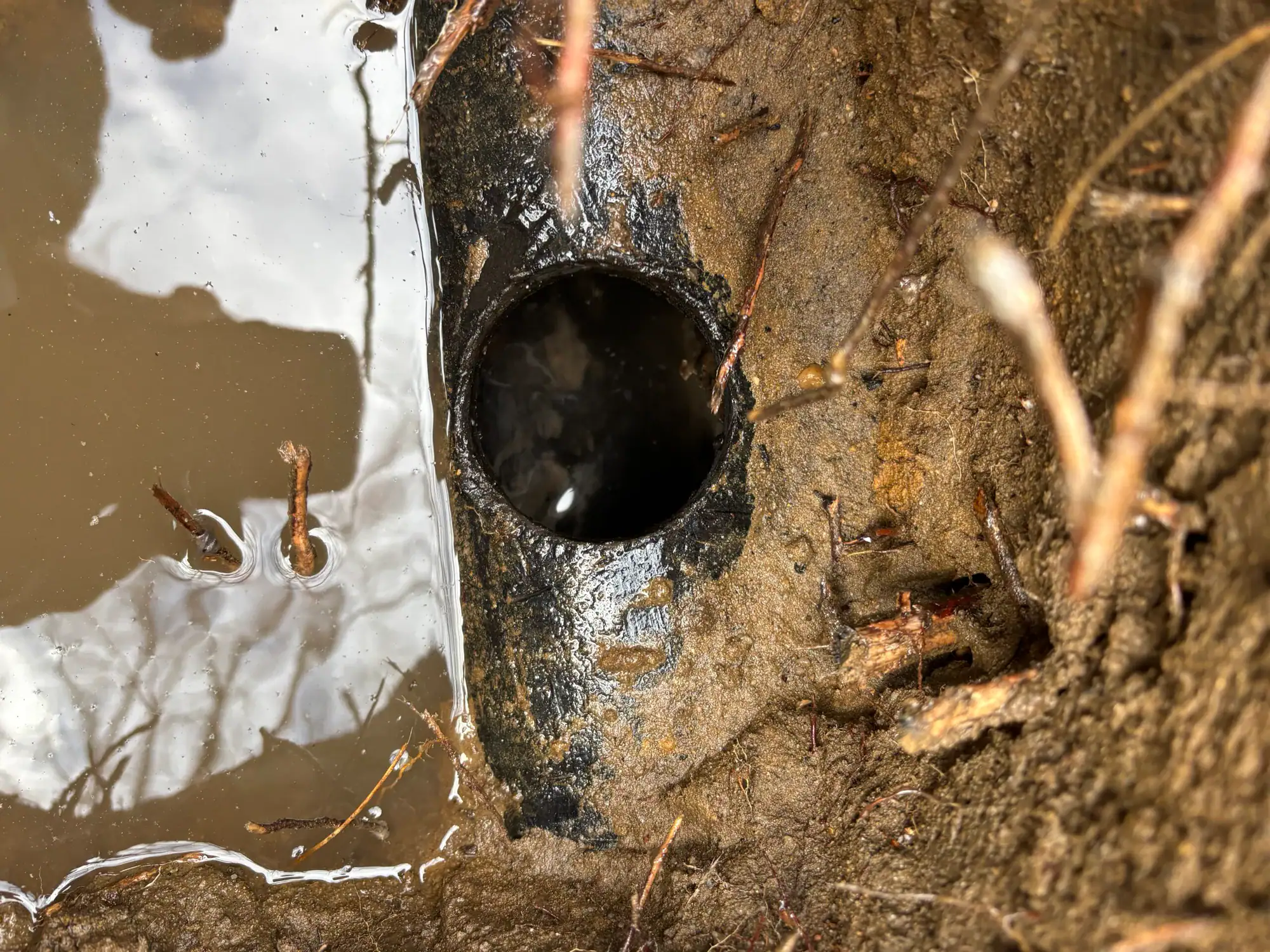
When ice and grease team up in your drain lines, traditional methods often fall short. Sewer jetting uses high-pressure water to blast through frozen blockages and restore flow fast.
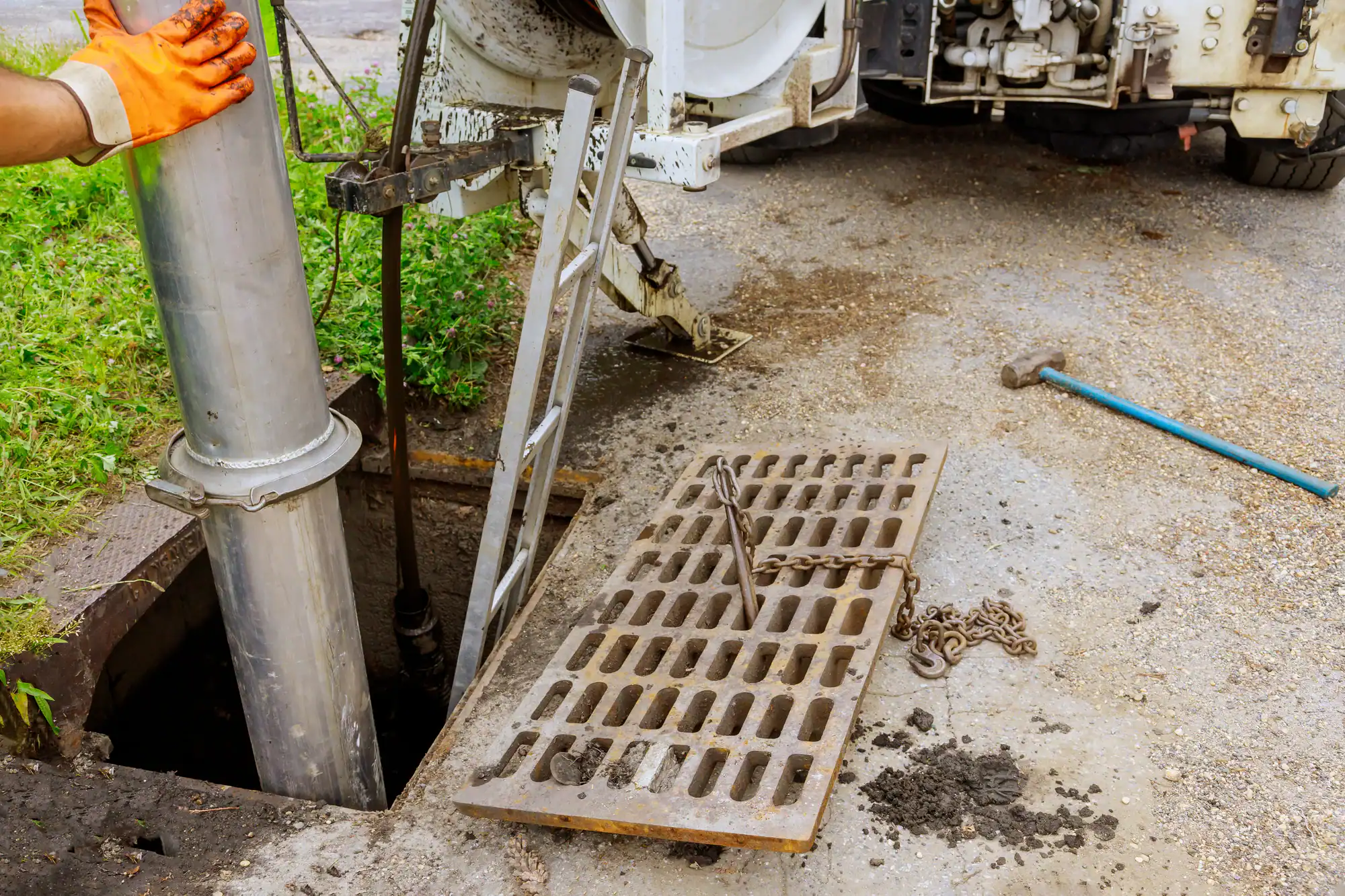
Long Island winters create the perfect storm for drain problems. You’ve got grease from holiday cooking that solidifies faster in cold pipes. You’ve got ice forming in lines that weren’t draining quite right to begin with. And you’ve got decades of soap scum, hair, and debris that’s been building up on your pipe walls.
When temperatures drop, that greasy residue hardens. Water slows down. Ice starts forming around existing clogs. What was a minor annoyance in October becomes a full backup by January. Your kitchen sink takes forever to drain. Your shower fills up while you’re still rinsing off. Sometimes you’ll notice foul smells or gurgling sounds coming from your drains.
These aren’t just inconveniences. They’re warning signs that your system is struggling and winter is making it worse.
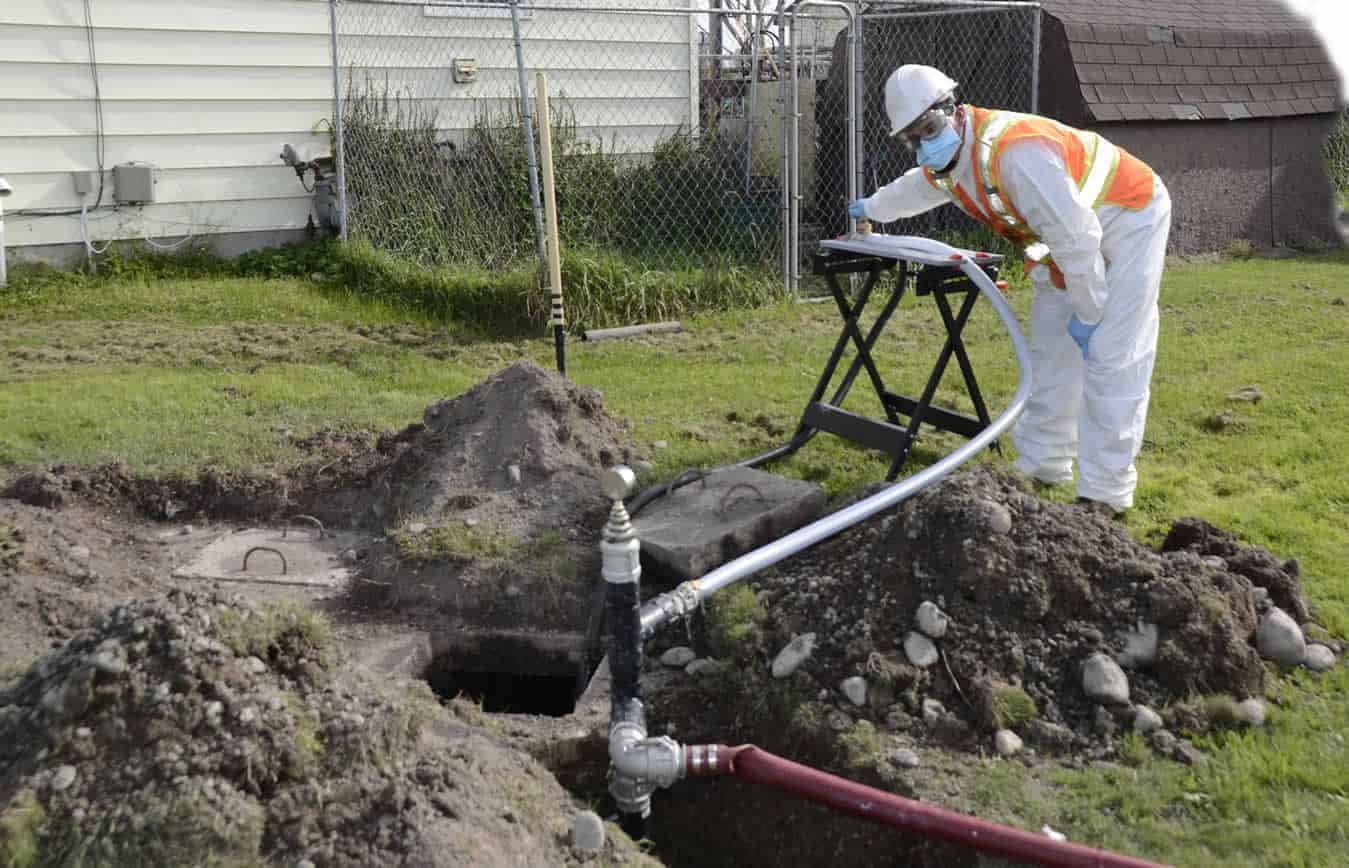
Most homeowners try a plunger first. Then maybe a bottle of drain cleaner from the hardware store. When that doesn’t work, they call someone to snake the drain. And sometimes that helps. For a little while.
Here’s the problem with snaking. A drain snake punches a hole through the clog. It breaks through enough to let some water pass. But it doesn’t clean your pipes. All that grease, all that buildup on the pipe walls, all those rough edges where debris catches? Still there. Still causing problems. Still slowing down your drainage.
In winter, this matters even more. That small opening the snake created? It can freeze over again. The buildup left behind? It catches more grease and debris faster. You end up calling for service again in a few weeks or months because the problem comes right back.
Chemical drain cleaners aren’t much better. They’re harsh on your pipes, especially older systems common in Suffolk County homes. They can eat away at pipe materials over time. They’re dangerous to handle. They don’t work well on ice. And they’re terrible for your cesspool system, killing the beneficial bacteria that help break down waste.
You need a method that actually cleans your pipes, not just pokes a hole through the immediate problem. You need something that can handle frozen conditions. You need something that won’t damage your system or Long Island’s groundwater. That’s where sewer jetting comes in.
Sewer jetting uses high-pressure water to clean your pipes from the inside out. A specialized machine pumps water through a reinforced hose at pressures between 3,000 and 4,000 PSI. That’s powerful enough to cut through tree roots, blast away years of grease buildup, and yes, break through ice blocking your lines.
The jetting nozzle has multiple jets. Forward-facing jets bore through blockages and break up ice. Rear-facing jets scour the pipe walls as the hose moves through your system. It’s not just clearing the clog. It’s actually cleaning your pipes back to near-original condition.
When you’ve got frozen drain lines, that high-pressure water does something else important. It generates heat through friction and pressure. As it hits the ice blockage, it starts breaking it apart and melting it at the same time. The water washes everything downstream and out of your system. You’re not just moving the problem around. You’re eliminating it.
For Suffolk County homeowners dealing with cesspool systems, this matters. Your cesspool needs water to flow through your drain lines properly to work right. When lines are partially blocked or frozen, waste backs up in places it shouldn’t. Sewer jetting restores proper flow, which helps your entire system function the way it’s supposed to.
The process starts with a camera inspection. We feed a small camera through your drain line to see exactly what’s going on. Frozen section? Grease buildup? Tree roots? Collapsed pipe? The camera shows everything. This isn’t guesswork. You see the problem, you understand what needs to happen, and you know the jetting will actually address what’s wrong.
After jetting, we run the camera through again. You can see the difference. Clean pipe walls. Clear flow. No more ice or buildup choking your system. It’s thorough, it’s effective, and it lasts significantly longer than traditional methods.
Want live answers?
Connect with a AAA Dependable Cesspool expert for fast, friendly support.
If you’ve lived in Suffolk County for any length of time, you know about 70% of homes here rely on cesspools or septic systems instead of public sewers. Your drain lines feed into your cesspool. When those lines are clogged or partially frozen, your cesspool can’t do its job.
Sewer jetting cleans the entire interior of your pipes. Not just a path through the middle. The entire pipe. That means water flows freely from your sinks, showers, and toilets down to your cesspool. No slow drainage. No backups. No waste sitting in your lines where it shouldn’t be.
This complete cleaning also means your system stays clear much longer. Where a snaked drain might clog again in a few months, a properly jetted line can stay clear for years. You’re not just fixing today’s problem. You’re preventing next winter’s emergency call.
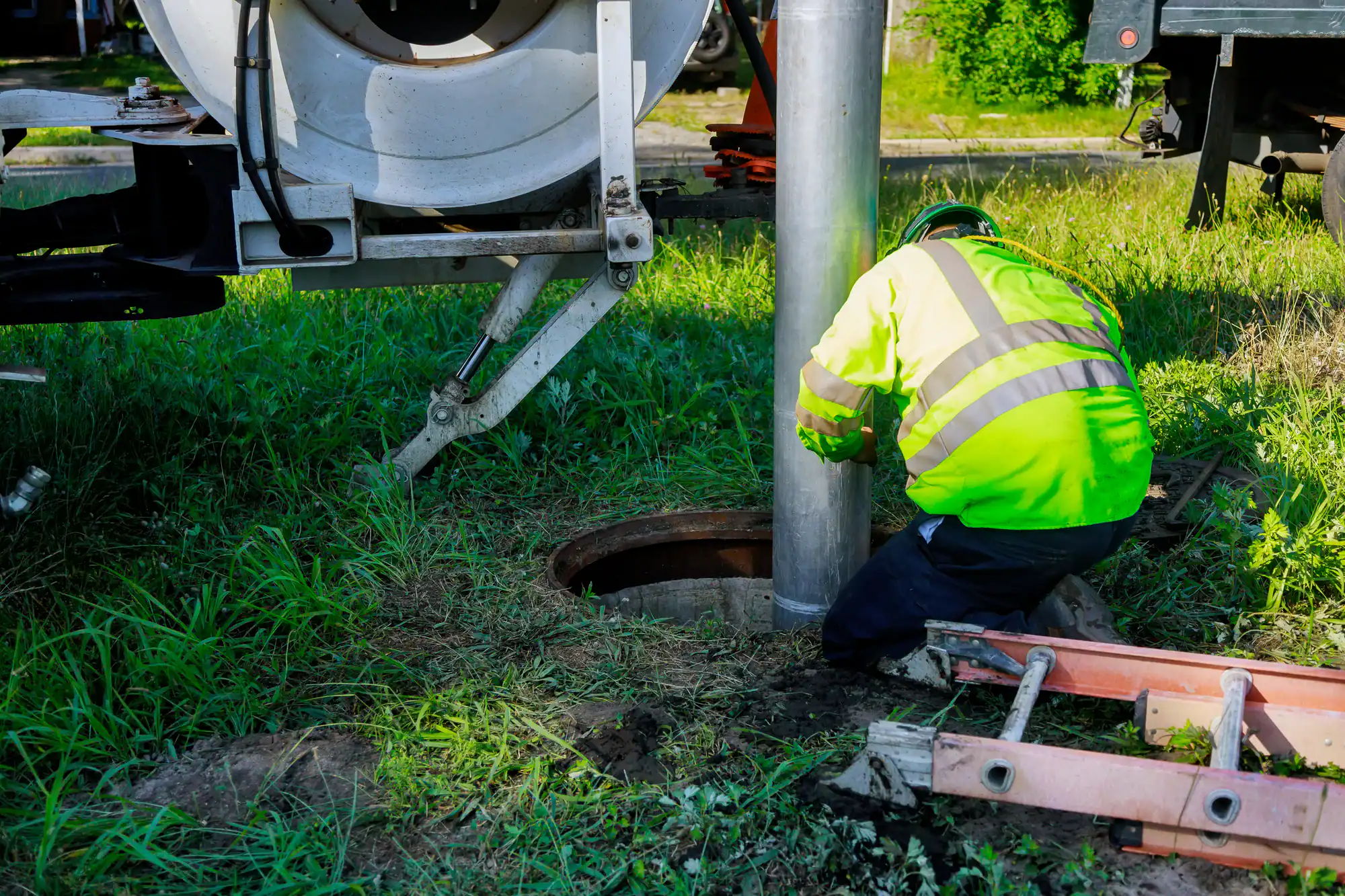
Long Island’s soil conditions, water table, and weather patterns create specific challenges for cesspool systems. You’ve got sandy soil that shifts. You’ve got a high water table that rises with heavy rain or snow melt. You’ve got freeze-thaw cycles that put stress on aging pipes.
Most Suffolk County homes with cesspools need pumping every two to three years under normal conditions. But winter can accelerate problems. If your cesspool is getting full, winter clogs in your drain lines make everything worse. Water backs up faster. You notice problems sooner. What might have waited until spring becomes an emergency in January.
Regular maintenance costs a fraction of emergency service. A routine camera inspection and jetting service runs a few hundred dollars. An emergency call when your cesspool is overflowing into your basement? That’s easily three to four times as much, plus you’re dealing with property damage, health hazards, and a mess nobody wants.
Here’s what smart homeowners do. They schedule a camera inspection before winter hits. If the camera shows buildup, grease accumulation, or early signs of problems, they get it jetted before the first freeze. This isn’t expensive insurance. It’s practical protection for your home and your system.
You also want to watch what goes down your drains during winter. Grease solidifies faster in cold weather. Coffee grounds, food scraps, and “flushable” wipes all contribute to clogs. Even small changes like scraping plates into the trash instead of rinsing everything down the disposal can make a difference. Running hot water after using your garbage disposal helps, but it’s not a guarantee. The best approach combines smart habits with professional maintenance.
Not every cesspool company offers sewer jetting. Not every company that offers it knows how to handle frozen lines properly. And not every company understands Suffolk County’s specific conditions, regulations, and system types.
You want a service that’s been working in this area long enough to know what they’re dealing with. Someone who understands that your 1960s home in Ronkonkoma has different pipes than a 1990s house in Smithtown. Someone who knows Long Island’s soil, water table, and seasonal challenges.
Camera inspection should be standard, not an upsell. You need to see what’s happening in your pipes. Any reputable company will show you the footage, explain what you’re looking at, and recommend solutions based on what the camera reveals. If someone wants to start jetting without looking first, that’s a red flag.
Ask about their equipment. Professional jetting equipment is expensive and specialized. Companies that invest in quality equipment and ongoing training tend to do better work. They’ll have different nozzles for different situations. They’ll know the right pressure settings for your pipe type. They’ll understand when jetting is the right solution and when it isn’t.
Pricing should be transparent. You should get a clear explanation of what the service includes, how long it takes, and what it costs before any work starts. No surprise fees. No hidden charges. No pressure to buy services you don’t need. If your drain just needs snaking, a good company will tell you that. If you need jetting, they’ll explain why and show you the evidence.
For Suffolk County homeowners, local matters. A company that’s been serving your community for decades has a reputation to protect. They’re not disappearing after one job. They’re your neighbors. They understand that your satisfaction affects their business and their standing in the community. That accountability makes a difference in the quality of work and the honesty of recommendations.
Winter drain problems don’t fix themselves. Ice doesn’t melt when it’s 20 degrees outside. Grease doesn’t dissolve on its own. And clogs only get worse when you ignore them. Sewer jetting offers a thorough, effective solution that clears frozen lines, removes years of buildup, and keeps your cesspool system functioning properly through Long Island’s coldest months.
The key is addressing problems before they become emergencies. A camera inspection shows you exactly what’s happening in your lines. Professional jetting cleans your system completely. And regular maintenance prevents the backups, overflows, and expensive repairs that nobody wants to deal with in the middle of winter.
We’ve been serving Suffolk County families since 1998 with honest, transparent service backed by decades of local experience. When your drains need real solutions, not temporary fixes, reach out to a team that understands Long Island systems and stands behind their work.
Summary:
Article details:
Share: