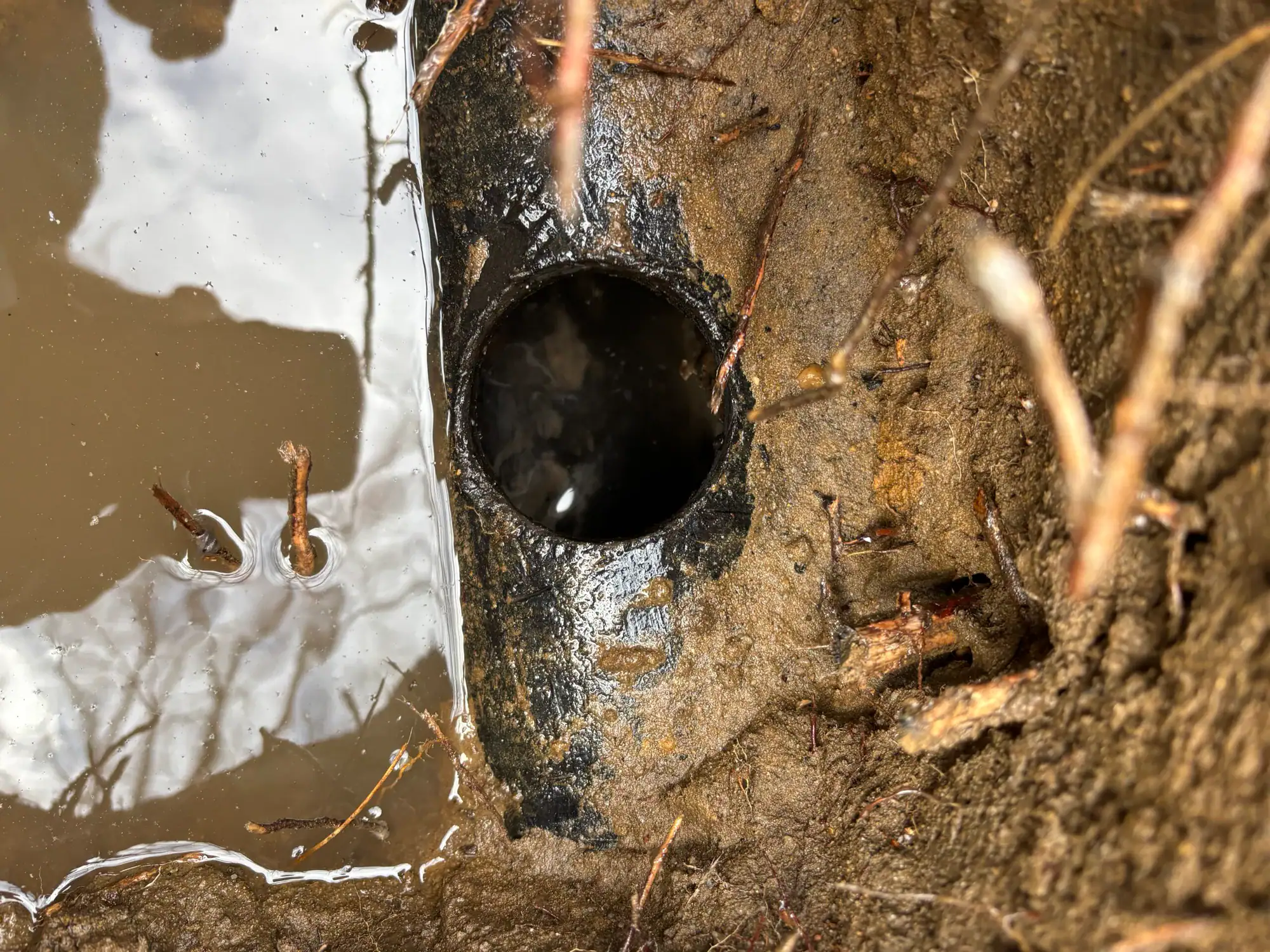
Winter gatherings put serious stress on your cesspool. Learn how full service before the holidays prevents backups and keeps your Suffolk County home running smoothly when guests arrive.

Your cesspool was sized for your household’s normal daily usage. Two people, maybe four. Standard showers, regular meals, typical water consumption. It handles that fine.
Then the holidays hit. Suddenly you’ve got six extra people staying for a long weekend. Everyone’s showering before dinner. The washing machine’s running constantly. Toilets are flushing every twenty minutes. Your system just went from handling maybe 200 gallons a day to 400 or 500.
That’s not just more water. It’s a complete change in how your cesspool functions. The tank churns up solids that should stay settled. Sludge that’s been sitting at the bottom for years starts moving toward your drain field. If your system was already near capacity, this extra load pushes it right over the edge.

Winter makes everything worse. When temperatures drop below 50°F, the bacteria in your cesspool slow down significantly. These bacteria are what break down solid waste. Without them working efficiently, waste accumulates faster than your system can process it.
Add holiday guests to cold weather and you’ve created the perfect storm. Your system is processing waste slower while handling dramatically more volume. The math doesn’t work.
Here’s what actually happens inside your cesspool when it’s overloaded. Normally, solid waste settles to the bottom where bacteria break it down over time. Lighter materials float to the top as scum. The liquid in the middle flows out through perforated walls into the surrounding soil.
When you suddenly double or triple your water usage, all that settled waste gets stirred up. The system doesn’t have time to separate solids from liquids properly. Instead of just water flowing into your drain field, you’re pushing partially treated waste and sludge through. This clogs the soil around your cesspool walls, destroying its ability to drain.
You’ll notice the problem when toilets start flushing slowly. Then drains begin backing up. If you’re really unlucky, sewage starts surfacing in your yard or backing up into your home. And this always seems to happen on Christmas Eve or Thanksgiving morning, when getting emergency service costs twice as much and takes three times as long.
The worst part? Once your drain field gets clogged with sludge, pumping out the tank doesn’t always fix it. You might need hydro-jetting, chemical treatment, or in severe cases, drain field repair. What could have been a $400 preventive service becomes a $2,000 emergency, and your guests are still here with nowhere to shower.
Suffolk County’s soil and water table create unique challenges that make pre-holiday service even more critical here than in other areas. Our sandy soil drains well under normal conditions, but it also means your cesspool’s drain field can clog faster when overloaded.
The high water table across much of Suffolk County adds another layer of complexity. During winter, when the ground is already saturated from rain and snow, your cesspool has less capacity to handle sudden increases in wastewater. The soil around your system simply can’t absorb water as quickly.
Almost 75% of Suffolk County households rely on cesspools or septic systems. That’s over 360,000 homes depending on these underground systems to handle all their wastewater. Most of these systems were installed decades ago, designed for smaller families and lower water usage than we have today.
Modern appliances and lifestyle changes mean we use significantly more water than homeowners did thirty or forty years ago. High-efficiency washing machines might save water per load, but we’re doing more loads. Multiple bathrooms mean simultaneous showers. Garbage disposals add food waste that older systems weren’t designed to handle.
If you entertain frequently or have a garbage disposal, you need more frequent service than the standard three-to-five-year recommendation. Homes with four or more people typically need pumping every one to two years. If you haven’t had service in the past couple years and you’re planning to host holiday guests, you’re taking a serious risk.
The timing matters too. Most cesspool companies get slammed with emergency calls between Thanksgiving and New Year’s. Everyone who ignored their system suddenly needs help at once. If you wait until you have a problem, you might not get service for days. During the holidays, that’s not just inconvenient—it’s a disaster.
Want live answers?
Connect with a AAA Dependable Cesspool expert for fast, friendly support.
Not all cesspool service is the same. Some companies show up, pump out the liquid, and leave. That’s not service—that’s taking shortcuts that’ll cost you money later.
Full cesspool service means removing all the sludge, scum, and liquid from your tank. Then the real work starts: flushing and backflushing multiple times to break up stubborn deposits. This complete process prevents solid waste from pushing through into your cesspool walls where it permanently destroys drainage.
When the job’s done right, your system works like new again. When corners get cut, you’re calling someone else in six months to fix what should have been done properly the first time.
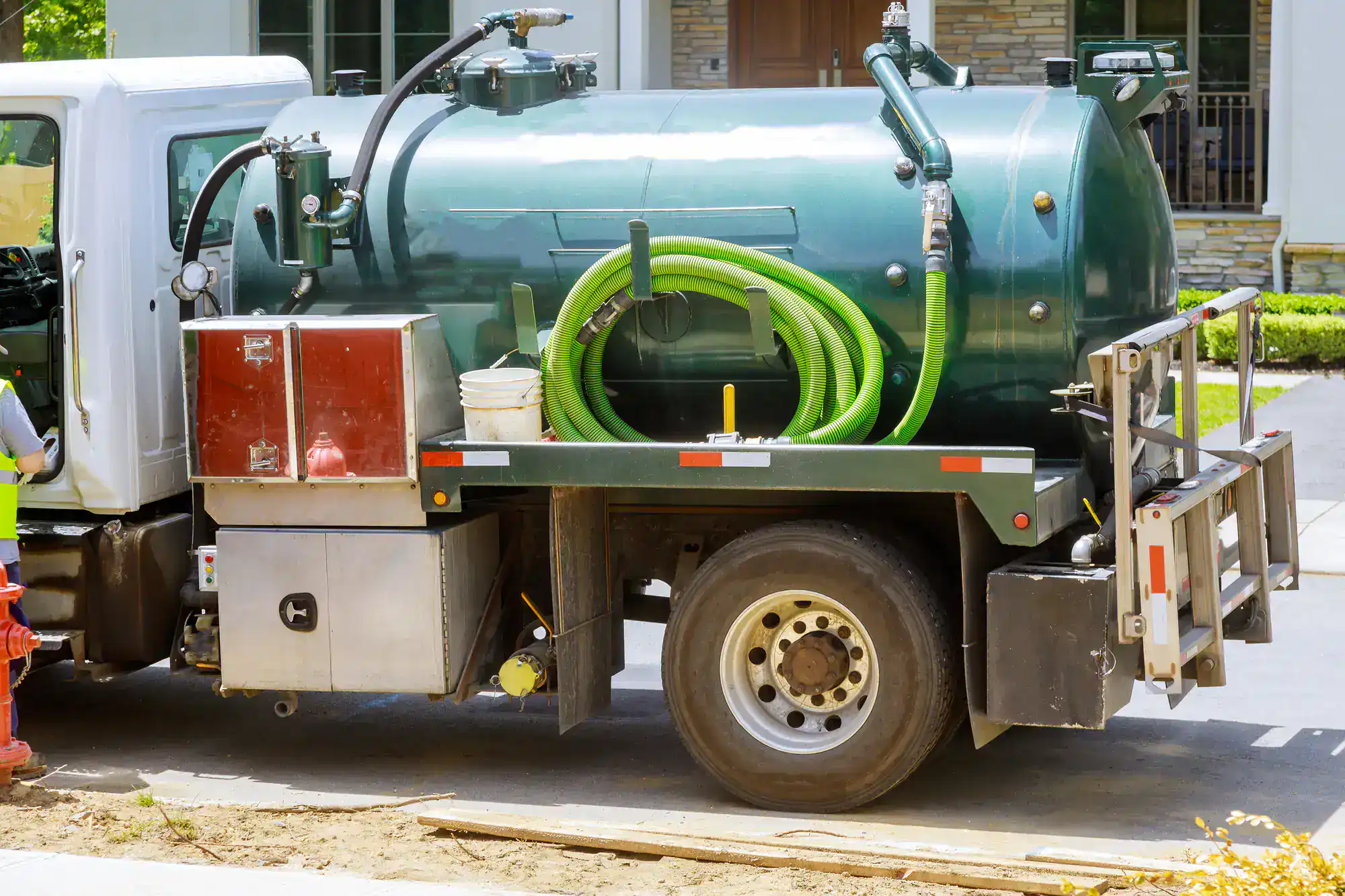
Basic pumping removes liquid and some floating solids from your tank. It’s quick, it’s cheap, and it doesn’t actually solve your problem. The sludge layer at the bottom—the stuff that causes most issues—often stays right where it is.
Full service addresses everything. First, we assess your tank’s condition and measure sludge levels. If sludge occupies more than a third of your tank’s volume, it’s time for complete removal.
The vacuum truck removes all liquid first. Then comes the critical part: breaking up and removing the compacted sludge layer at the bottom of your tank. This requires multiple passes with the vacuum hose, often combined with water jetting to loosen stubborn deposits.
After pumping, a thorough inspection checks for cracks, leaks, or structural damage. We examine baffles, inlet and outlet pipes, and the tank walls. You get a detailed explanation of your system’s condition and recommendations for any repairs needed.
For cesspools with drainage issues, full service might include hydro-jetting combined with sulfuric acid treatment. High-pressure water breaks up sludge buildup in the sand at your cesspool bottom, then environmentally safe acid dissolves remaining blockages. You typically see water levels drop immediately during treatment, allowing normal use to resume.
The whole process takes a few hours, depending on your tank size and condition. When it’s complete, you have documentation of what was done, photos of your system’s condition, and a realistic timeline for when you’ll need service again.
This comprehensive approach costs more than basic pumping, but it prevents the problems that lead to emergency calls. Regular full service extends your system’s lifespan by fifteen to twenty years and saves you thousands in avoided repairs.
Your cesspool usually gives you warnings before it fails completely. The key is recognizing them early enough to do something about it.
Slow drains are often the first sign. If water takes longer to go down in multiple fixtures—not just one sink, but toilets, showers, and drains throughout your home—your cesspool is likely near capacity. One slow drain might be a simple clog. Multiple slow drains mean your system can’t handle the volume you’re sending it.
Gurgling sounds when you run water or flush toilets indicate air getting trapped in your plumbing. This happens when wastewater can’t flow freely because your cesspool is full or the drain field is clogged. The gurgling gets worse as the problem progresses.
Sewage odors inside or outside your home are a serious warning. If you smell that distinctive sewer smell near your cesspool location or coming from drains, it means waste isn’t being contained properly. This often happens when your tank is full and gases have nowhere to go except back through your plumbing.
Wet or soggy areas in your yard, especially near where your cesspool is located, mean wastewater is surfacing. This is a health hazard and needs immediate attention. You might also notice grass that’s unusually green or grows faster in one area—that’s being fertilized by escaping sewage.
If multiple drains back up simultaneously, your system is failing right now. This isn’t a warning anymore—it’s an emergency. When you run the washing machine and the toilet starts bubbling, or when you shower and water backs up in the bathtub, your cesspool has reached its limit.
Any of these signs before the holidays mean you need service immediately. Don’t wait to see if it gets better. It won’t. These problems only get worse under the increased load of holiday guests, and the cost of emergency service during Thanksgiving week is significantly higher than scheduled maintenance in October or early November.
Even with full service before the holidays, you can take steps to protect your system when guests arrive. Spread out water usage throughout the day instead of everyone showering back-to-back in the morning. Run the dishwasher at night when no one’s using other water appliances. These simple changes reduce the hydraulic load on your system.
Talk to your guests about what can and can’t be flushed. Most people don’t think about it, but items like wipes, feminine products, and excessive toilet paper cause problems in cesspools. A small trash can in each bathroom with a friendly reminder goes a long way.
The peace of mind that comes from proper preparation is worth every penny. You can enjoy your holiday gatherings without worrying about embarrassing backups or expensive emergencies. Your guests are comfortable, your home is protected, and you’re not dealing with a cesspool disaster when you should be making memories.
If you’re in Suffolk County and planning to host guests this winter, now’s the time to schedule full cesspool service. We’ve been serving local families since 1998, and we understand exactly what your system needs to handle holiday stress. We offer military, first responder, and senior discounts, and we’ll give you honest answers about your system’s condition—no overselling, just straight talk about what actually needs to be done.
Summary:
Article details:
Share: