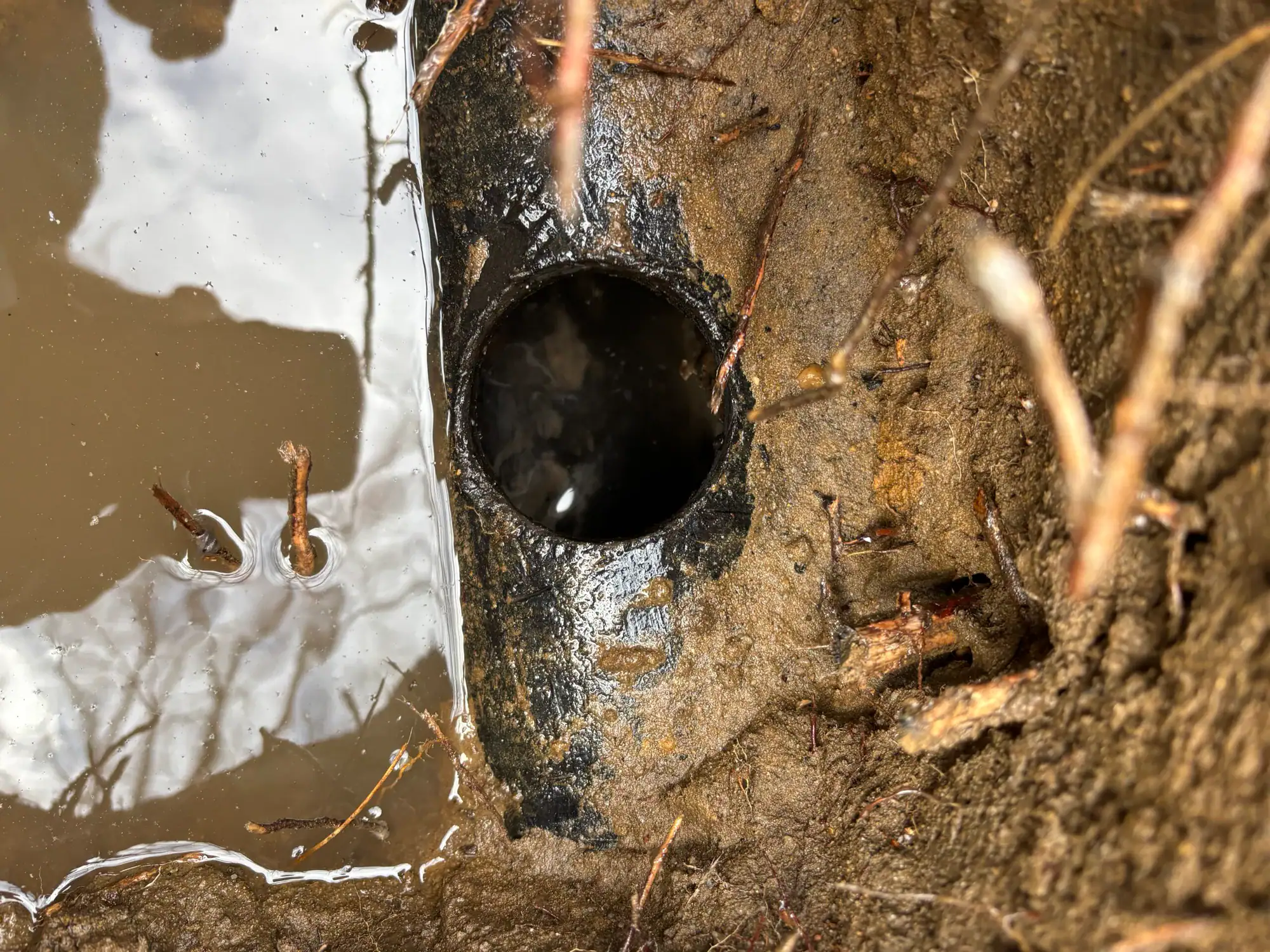
Winter in Suffolk County brings freezing temperatures that can wreak havoc on your cesspool or septic system. Here's what you need to check before the cold hits.
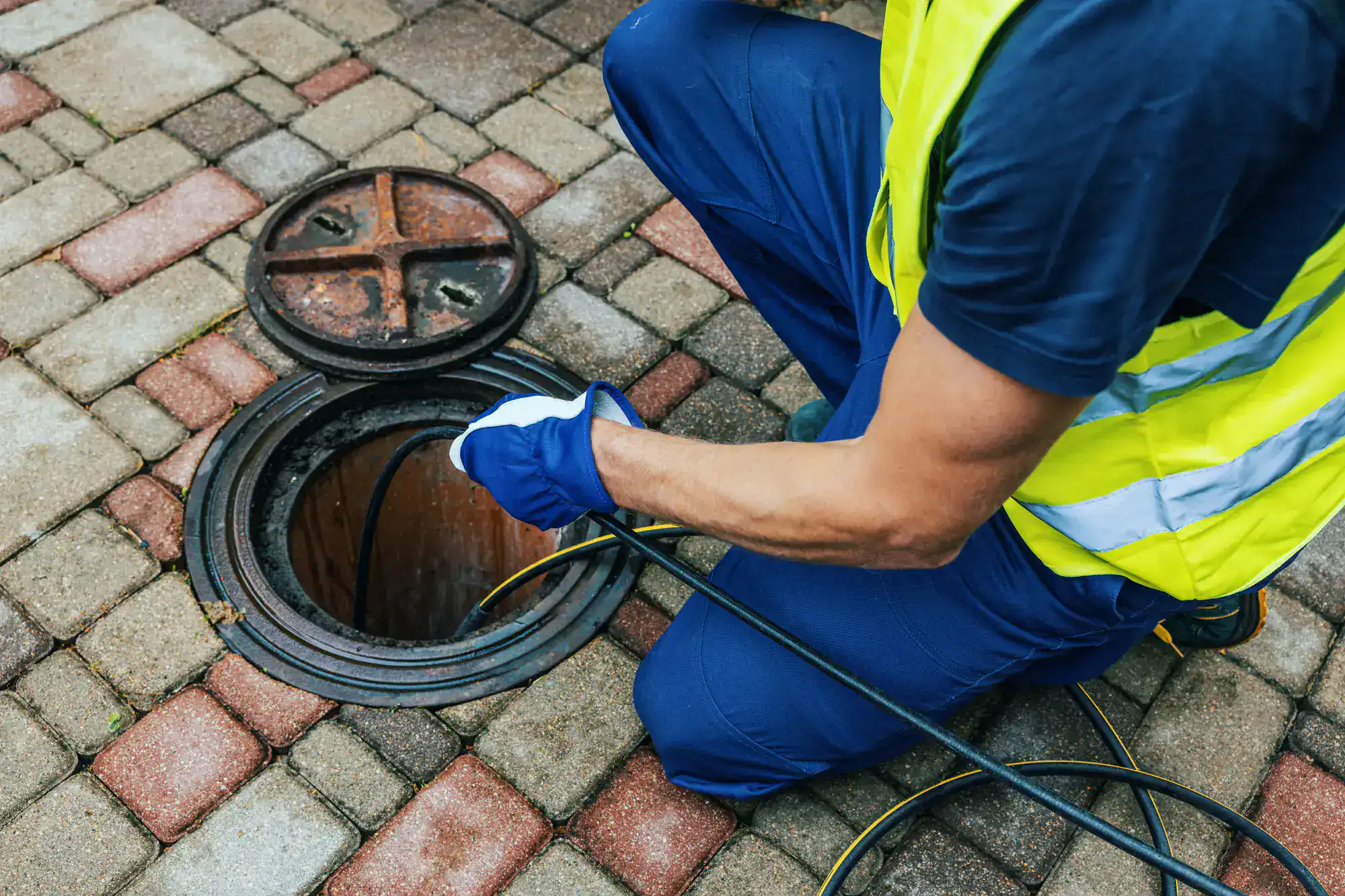
Suffolk County sits on a sole-source aquifer. That’s not just environmental trivia—it’s why your cesspool or septic system matters more here than almost anywhere else. It also means the ground conditions, water tables, and soil composition create specific challenges when temperatures drop.
Your system relies on consistent water flow and bacterial activity to function. Cold disrupts both. When the ground freezes before snow provides insulation, frost can penetrate deeper than your pipes were buried. Add in Suffolk County’s extended periods of sub-freezing temperatures, and you’ve got the perfect setup for a freeze-up.
The pipes running from your house to the tank are often the first to go. They’re shallower than the tank itself, and if there’s any settling, sagging, or improper slope, wastewater can collect in low spots and freeze solid.

A frozen cesspool or septic line doesn’t give you a warning. One day everything drains fine. The next, your toilets won’t flush, your drains back up, and you’re dealing with sewage in places it should never be.
Once a line freezes, the blockage stops the entire system. Wastewater has nowhere to go, so it comes back into your house through the lowest drains—usually basement fixtures or first-floor bathrooms. The longer it stays frozen, the worse the damage gets.
Thawing a frozen system isn’t a DIY project. It requires specialized equipment to locate the freeze point and apply heat without damaging pipes. If pipes crack from ice expansion, you’re looking at excavation and replacement, which can run into thousands of dollars. And that’s assuming you can even get emergency service during a winter storm when every other homeowner is calling for the same help.
The worst part? Most freeze-ups happen because of issues that were 100% preventable. Open inspection pipes that let cold air in. Tanks that should have been pumped in the fall. Leaky fixtures creating a slow trickle of cold water. These aren’t mysterious failures—they’re maintenance gaps.
That’s why a pre-winter inspection matters. You’re not just checking boxes. You’re identifying the specific vulnerabilities in your system before they become a crisis.
Timing matters more than most people realize. Schedule your inspection too early, and you might miss issues that develop as temperatures start dropping. Wait too long, and you’re scrambling to fix problems when it’s already freezing outside.
The sweet spot is late September through early November. You want to catch your system before the ground freezes but after summer usage has shown you how it’s really performing. This gives you time to address any issues before winter weather makes repairs difficult and expensive.
If your system hasn’t been pumped in the last two to three years, fall is the time to do it. A tank that’s too full going into winter is more likely to freeze, and frozen waste creates blockages that won’t clear until spring. Pumping before winter also gives you a chance to inspect the tank itself for cracks, failing baffles, or other structural issues that could cause problems when the ground freezes and thaws.
Don’t wait until you notice slow drains or gurgling toilets. By then, you’re already dealing with a problem that’s going to get worse as temperatures drop. The goal of a pre-winter inspection is to find issues when they’re still minor—before they become emergencies.
One more thing: if you’re planning to be away from your property for extended periods this winter, that inspection becomes even more critical. An unused system is more vulnerable to freezing because there’s no warm water flowing through it regularly. You need to know your system is in good shape before you leave, or you might come back to a disaster.
Want live answers?
Connect with a AAA Dependable Cesspool expert for fast, friendly support.
A thorough pre-winter inspection covers more than just the tank. You’re looking at every component that could fail when temperatures drop, and you’re checking for the specific issues that cause freeze-ups in Suffolk County systems.
Start with the obvious: tank levels. If your tank is more than two-thirds full heading into winter, schedule a pumping. Full tanks freeze more easily, and frozen waste can damage the tank structure and create blockages that persist even after the thaw.
Next, check all access points. Risers, inspection pipes, and manhole covers need to be intact and properly sealed. Even a small opening lets cold air into your system, and that’s often enough to cause freezing in the pipes or tank. If you’ve got broken or missing covers, replace them before winter hits.
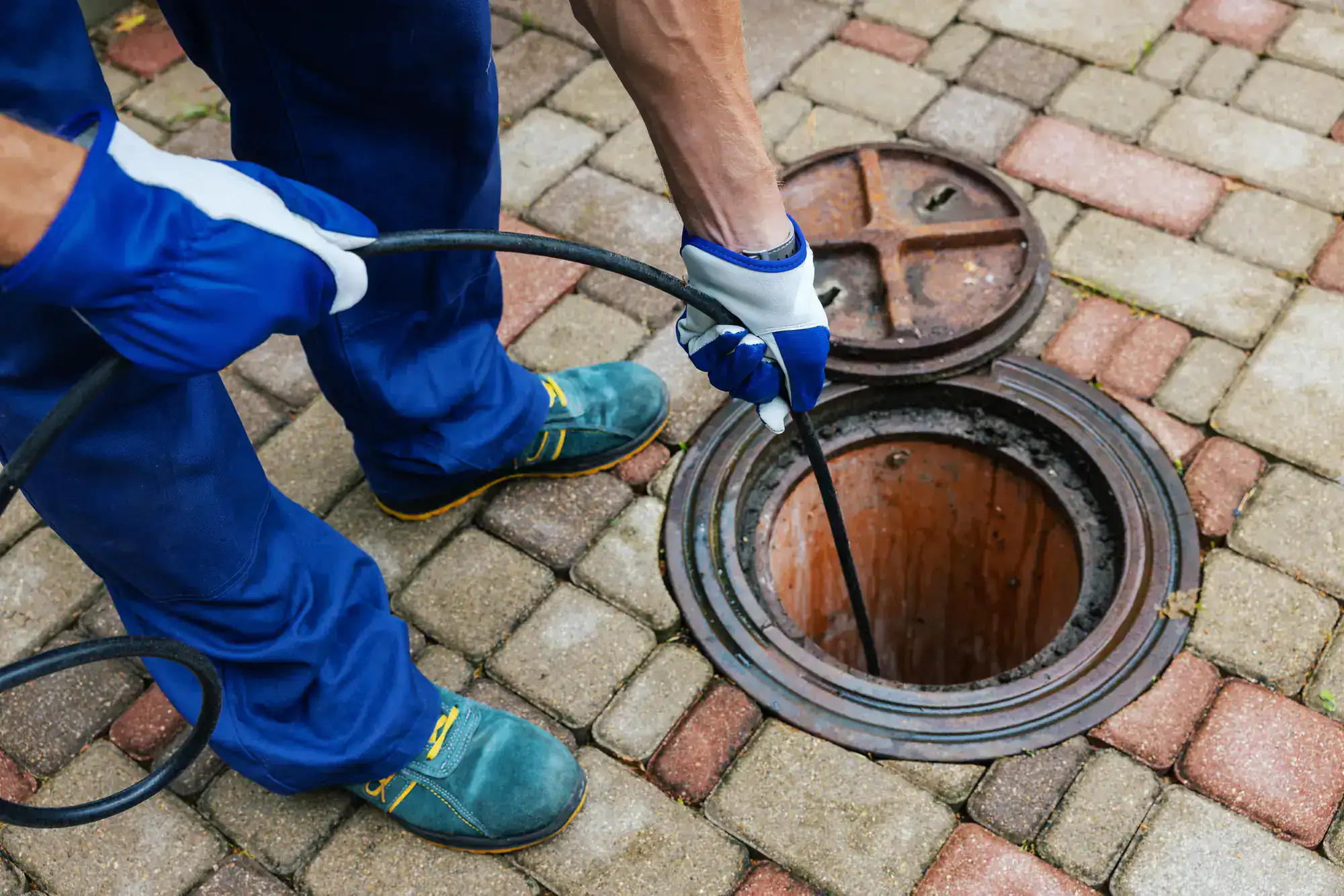
The pipes connecting your house to your cesspool or septic tank are where most freeze-ups happen. These lines are often installed at shallower depths than the tank, which makes them vulnerable to frost penetration. But the bigger issue is usually slope.
Pipes need to maintain a consistent downward slope so wastewater flows freely and doesn’t collect in low spots. Over time, settling soil, shifting ground, or poor initial installation can create dips or sags in the line. When wastewater collects in these low spots, it cools down and eventually freezes.
A camera inspection is the only way to know for sure what’s happening inside your pipes. You can’t see settling or sagging from the surface, and by the time you notice symptoms, you’re already dealing with drainage problems. The camera shows you exactly where issues exist, how severe they are, and whether you need repairs before winter.
If you’ve noticed any slow drainage, gurgling sounds, or occasional backups during the year, those are red flags that your pipes aren’t draining properly. Don’t assume it’s just a minor issue that will resolve itself. In winter, minor drainage problems become major freeze-ups.
Also check for any leaking fixtures in your house. A dripping faucet or running toilet might seem harmless, but that constant trickle of cold water flowing into your system can create localized freezing in your pipes. Fix leaks before winter, not just to save water, but to protect your cesspool system.
Snow is actually your friend when it comes to protecting your cesspool or septic system from freezing. A good snow cover acts as natural insulation, keeping the ground underneath warmer than the air temperature. The problem is when temperatures drop hard before you get significant snowfall.
Look at the area over your tank and pipes. Is there enough vegetation? Grass and plant growth provide an extra layer of insulation. If you’ve been mowing right up until the first freeze, you’re removing that protection. Stop mowing the area over your system a few weeks before winter so the grass grows longer and provides better insulation.
Check for compacted soil or areas where vehicles have been driving. Compacted soil loses its insulating properties and allows frost to penetrate deeper. If you’ve got a driveway, parking area, or heavy foot traffic over your system, that’s a vulnerability. The ground freezes faster, and the cold reaches your pipes more easily.
If your system is in an exposed area without much natural insulation, consider adding a layer of mulch, straw, or hay over the tank and pipe areas before winter. Eight to twelve inches of loose organic material provides significant thermal protection. Just make sure you know exactly where your system components are before you start spreading material—you don’t want to block access if you need service.
Also pay attention to how water drains around your system. If rainwater or snowmelt pools near your cesspool or drainfield, that excess moisture can freeze and cause problems. Make sure gutters, downspouts, and surface drainage direct water away from your system, not toward it.
The goal is to keep your system as warm as possible throughout winter. Every bit of insulation helps, and addressing these issues in fall is far easier than trying to fix a frozen system in January.
Winter doesn’t wait, and neither should you. The difference between a system that makes it through winter without issues and one that freezes up in January often comes down to what you do—or don’t do—in the fall.
Get your tank pumped if it’s due. Inspect your pipes for proper slope and drainage. Check all access points and seal any openings. Address leaks in your house. Make sure your system has adequate insulation from vegetation or added materials. These aren’t complicated steps, but they’re the ones that prevent expensive emergencies when temperatures drop.
If you’re not sure about the condition of your system, or if it’s been a few years since your last professional inspection, now is the time to get it checked. We’ve been helping Suffolk County homeowners protect their systems since 1998, and we know exactly what to look for before winter hits.
Summary:
Article details:
Share: