Hear From Our Clients

You’re not thinking about your cesspool until something goes wrong. A slow drain in the basement. That smell near the yard that won’t go away. A toilet that backs up during a family gathering.
By the time you notice, you’re already behind. Suffolk County changed the rules in 2019—if your cesspool fails now, you can’t just replace it with another cesspool. You’re looking at a full system upgrade, Regular cesspool pumping in East Shoreham keeps you ahead of that scenario.
Most cesspools here hold between 1,000 and 1,500 gallons. When solids hit 25-30% capacity, it’s time. For most households, that’s every one to three years depending on how many people live there and how much water you use. A routine pump is a standard, affordable part of regular cesspool maintenance. Waiting until it fails costs thousands more—and that’s before you factor in property damage, health risks, or the scramble to find someone at 2 a.m. on a weekend.
We’ve been serving Suffolk County families for over 25 years. We’re not a franchise or a call center routing your job to whoever’s available. We’re a family-owned business that knows East Shoreham soil conditions, understands county regulations, and shows up when we say we will.
We’re licensed through Suffolk County Consumer Affairs and fully insured. We offer military, first responder, and senior discounts because we live here too. Our pricing is straightforward—no hidden fees, no upselling services you don’t need.
You’ll find us on job sites, not just behind a desk. When you call, you’re talking to people who actually do this work and understand what you’re dealing with. That matters when you’re trying to figure out if you need emergency service or if it can wait until Monday.
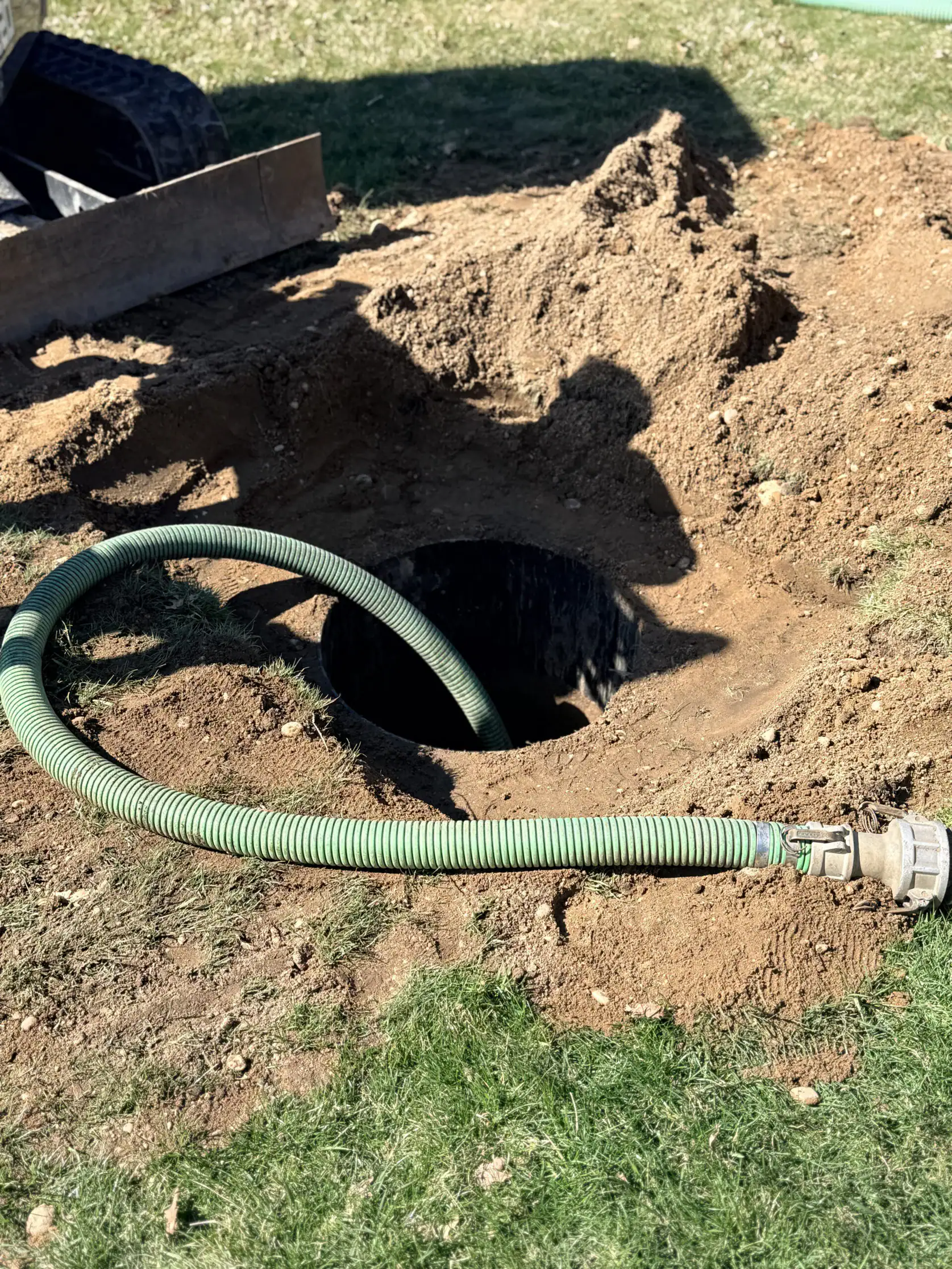
We start by locating and uncovering your cesspool. Some are easy to find. Others are buried under landscaping or haven’t been opened in years. Once we access the tank, we inspect the condition before we pump—checking for cracks, structural issues, or signs that you’re heading toward a bigger problem.
Then we pump out the contents using a vacuum truck. This removes the liquid waste and the solid sludge that’s built up at the bottom. We don’t just skim the top—we clean it properly so you’re getting the full benefit of the service.
After pumping, we measure how much waste came out and give you documentation. Suffolk County now requires contractors to report all cesspool pumping to the Department of Health Services. That’s not just bureaucracy—it protects Long Island’s water quality and gives you a paper trail if you ever sell your home or apply for a permit. You’ll also get a receipt showing where the waste was disposed of at a licensed facility.
If we see anything concerning during the inspection, we’ll tell you. No scare tactics, no overselling. Just a clear explanation of what’s happening and what your options are.
Ready to get started?
Routine cesspool pumping in East Shoreham includes full tank evacuation, system inspection, proper waste disposal, and documentation that satisfies county requirements. You’re not just paying for someone to show up with a truck—you’re getting a service that extends your system’s life and keeps you compliant with regulations that affect your property value.
We also handle emergency cesspool service when things go sideways. Sewage backing up into your home isn’t something you can ignore until business hours. We’re available 24/7 because cesspool problems don’t follow a schedule. Yes, emergency calls cost more—that’s true across the industry—but we’re upfront about pricing before we start.
East Shoreham sits in an area where soil conditions and water tables vary. Some properties drain well. Others struggle, especially after heavy rain in spring. We’ve worked enough jobs here to know which streets flood first and which systems tend to need more frequent attention. That local knowledge makes a difference when you’re trying to figure out if your maintenance schedule should be every year or every three.
Suffolk County’s environmental regulations aren’t going away. If anything, they’re getting stricter. Conventional cesspools can’t remove nitrogen, which contributes to algae blooms and water contamination across Long Island. Regular septic system cleaning and maintenance won’t solve that long-term issue, but it buys you time and keeps your system functional while you plan for what’s next.

Most cesspools in East Shoreham need pumping every one to three years. That range depends on tank size, household size, and water usage. A family of five using a 1,000-gallon cesspool will hit capacity faster than a couple in a 1,500-gallon system.
You’re looking for the point where solids reach 25-30% of total capacity. Go past that and you’re risking backups, odors, and damage to the drain field. Some homeowners schedule pumping on a fixed calendar—say, every two years—so they never have to think about it. Others wait for warning signs, which is risky because by the time you notice slow drains or smells, you’re already close to a problem.
If you’re not sure where you stand, we can inspect your system and give you a realistic timeline based on what we find. No guessing, no generic advice—just a straight answer based on your actual setup.
Standard cesspool pumping in East Shoreham are straightforward, routine services for typical systems. The final cost depends on tank size, how much waste needs to be removed, and how easy it is to access your cesspool. If your tank is buried under a deck or hasn’t been opened in a decade, that adds time and effort.
Emergency calls cost more—sometimes double—because you’re asking someone to drop everything and come out at odd hours. Weekend and holiday rates are higher across the board. That’s not unique to us; it’s how the industry works when you need immediate help.
The real cost comparison isn’t between cesspool companies. It’s between routine maintenance and emergency replacement. Pumping every few years costs a few hundred dollars. Letting your system fail and dealing with a mandatory upgrade to a new septic system costs more, plus potential property damage if sewage backs up into your home. The math isn’t complicated.
Yes. Waiting for a backup is waiting too long. By the time sewage is coming up through your drains, you’re already past the point where routine maintenance would have solved the problem. Now you’re looking at emergency service rates, potential damage to your system, and possible contamination of your property.
Cesspools fill gradually. Solids settle at the bottom, liquid sits in the middle, and a scum layer floats on top. As solids accumulate, there’s less room for new wastewater. Eventually, the system can’t handle normal household use. That’s when you get slow drains, gurgling toilets, and foul odors.
Suffolk County also requires pumping records for property transfers and renovation permits. If you’re planning to sell or make improvements, you’ll need documentation showing regular maintenance by a licensed contractor. Skipping pumping now can delay your closing or permit approval later. It’s not just about avoiding backups—it’s about staying ahead of problems that cost more to fix than prevent.
If your cesspool fails in East Shoreham, you can’t replace it with another cesspool. Suffolk County changed the rules in July 2019. Now you’re required to install a new septic system that meets current environmental standards. Those systems cost higher—about double what an old cesspool replacement used to run.
A failed cesspool means sewage isn’t draining properly. It might be backing up into your home, pooling in your yard, or leaching into the soil in ways that contaminate groundwater. Once the county determines your system has failed, you’re on a timeline to replace it. That’s not a repair job—it’s a full replacement with updated technology designed to reduce nitrogen pollution.
Regular cesspool maintenance doesn’t prevent failure forever, but it extends your system’s life and gives you time to plan financially for the eventual upgrade. Pumping every few years, addressing minor issues before they escalate, and keeping an eye on how your system performs after heavy rain—all of that buys you time and helps you avoid a forced replacement during the worst possible moment.
Technically, you could try. Realistically, you shouldn’t. Cesspool pumping requires specialized equipment—a vacuum truck capable of handling thousands of gallons of waste and sludge. You also need a way to transport and dispose of that waste at a licensed facility, which isn’t something you can do with a rental truck and a weekend.
Suffolk County requires contractors to report all cesspool pumping to the Department of Health Services. That means licensed professionals with proper insurance and disposal documentation. If you pump your own system, you won’t have the paperwork needed for property transfers, permit applications, or compliance with county regulations.
There’s also the safety factor. Cesspools produce toxic gases that can cause serious harm or death if you’re not trained to handle them. The confined space, the fumes, the risk of contamination—it’s not worth trying to save a few hundred dollars. Hire someone who knows what they’re doing, has the right equipment, and can give you the documentation you’ll eventually need.
You need emergency cesspool service if sewage is backing up into your home, pooling in your yard, or creating a health hazard that can’t wait until regular business hours. Slow drains and minor odors are warning signs, but they’re not emergencies. Raw sewage in your basement or a toilet that won’t flush at all—that’s when you call immediately.
Emergency service costs more because you’re asking a crew to respond outside normal hours, often on short notice. If it’s 2 a.m. on a Sunday and your system is overflowing, you’re paying for that urgency. But if you’re dealing with a situation that’s unpleasant but not actively dangerous, waiting until Monday morning will save you money.
The line between “this can wait” and “this is an emergency” isn’t always obvious. If you’re not sure, call and describe what’s happening. We’ll tell you honestly whether you need someone out right now or if it’s safe to schedule a regular appointment. We’re not interested in upselling emergency rates to people who don’t need them—we’d rather you trust us enough to call next time without second-guessing the advice.
Other Services we provide in East Shoreham