Hear From Our Clients

You avoid the nightmare scenario: guests arriving while sewage backs up into your yard. Your system gets pumped before it fails, not after. That’s the difference between a low service call and a emergency replacement.
Most Montauk properties need cesspool pumping every 2-3 years. Vacation rentals with heavy summer use? More like every 1-2 years. Miss that window and you’re risking a backup during peak season when every plumber is slammed and emergency rates double.
Regular cesspool cleaning in Montauk also keeps you compliant with Suffolk County regulations. Since 2019, the county’s been serious about documentation. Property transfers, renovation permits—they all require pumping records now. No records means delays, failed inspections, and deals falling through.
AAA Dependable Cesspool is family-owned and based right here in Suffolk County. We’re not a franchise or a corporate operation with techs rotating through different territories every month. Same team, same trucks, same commitment to doing the job right.
We know Montauk properties. We know the soil conditions, the seasonal usage patterns, the way vacation rentals stress systems differently than year-round homes. That knowledge matters when you’re diagnosing problems or planning maintenance schedules.
You’ll get straight answers about what your system needs. If it just needs pumping, that’s what we’ll do. If there’s a bigger issue, we’ll explain it clearly and let you decide how to move forward. No upselling, no runaround, no surprise charges after the work’s done.
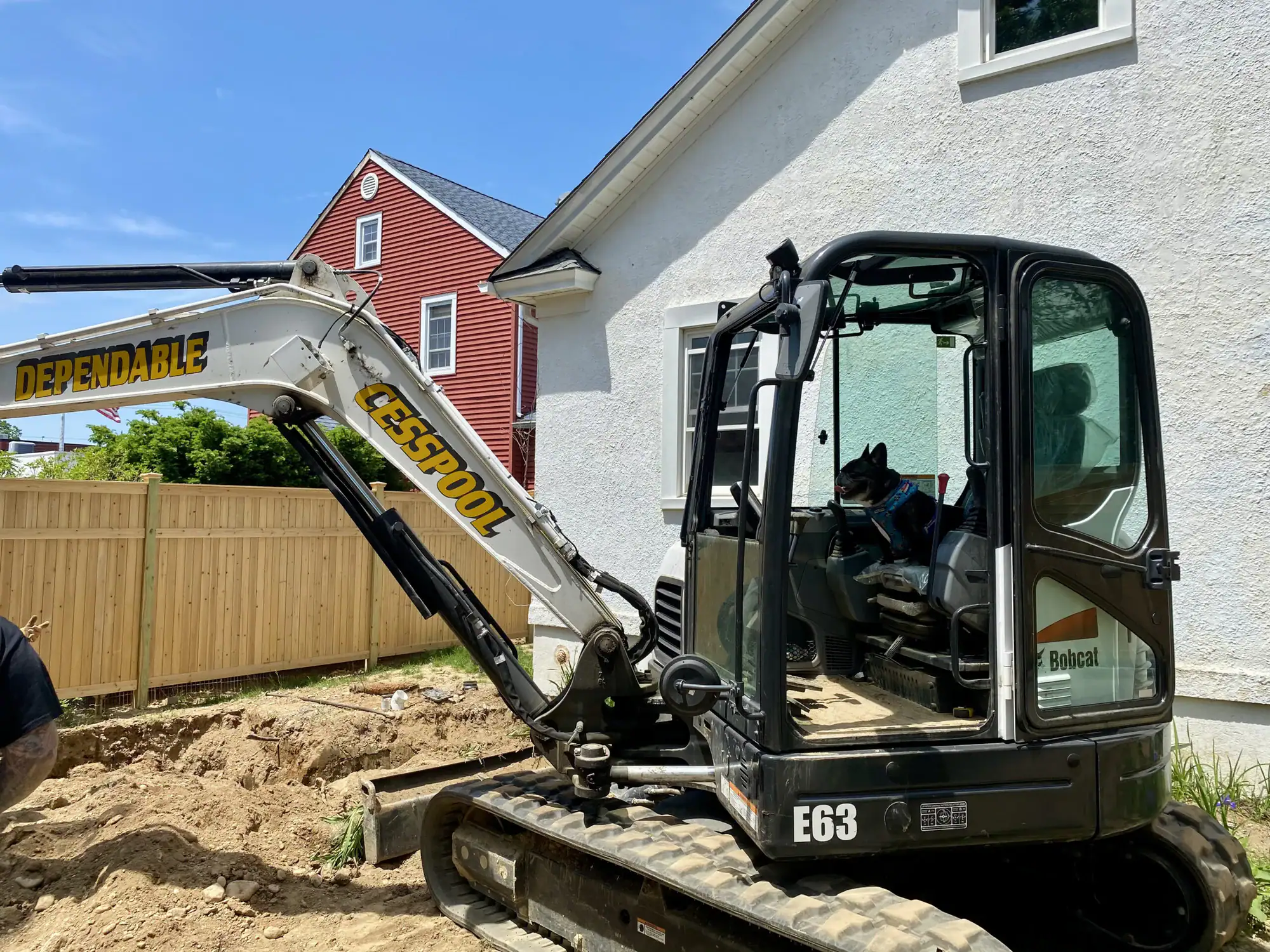
First, we locate and access your cesspool. Sounds simple, but on older Montauk properties, that’s not always straightforward. Lids get buried, landscaping changes, records are incomplete. We handle it.
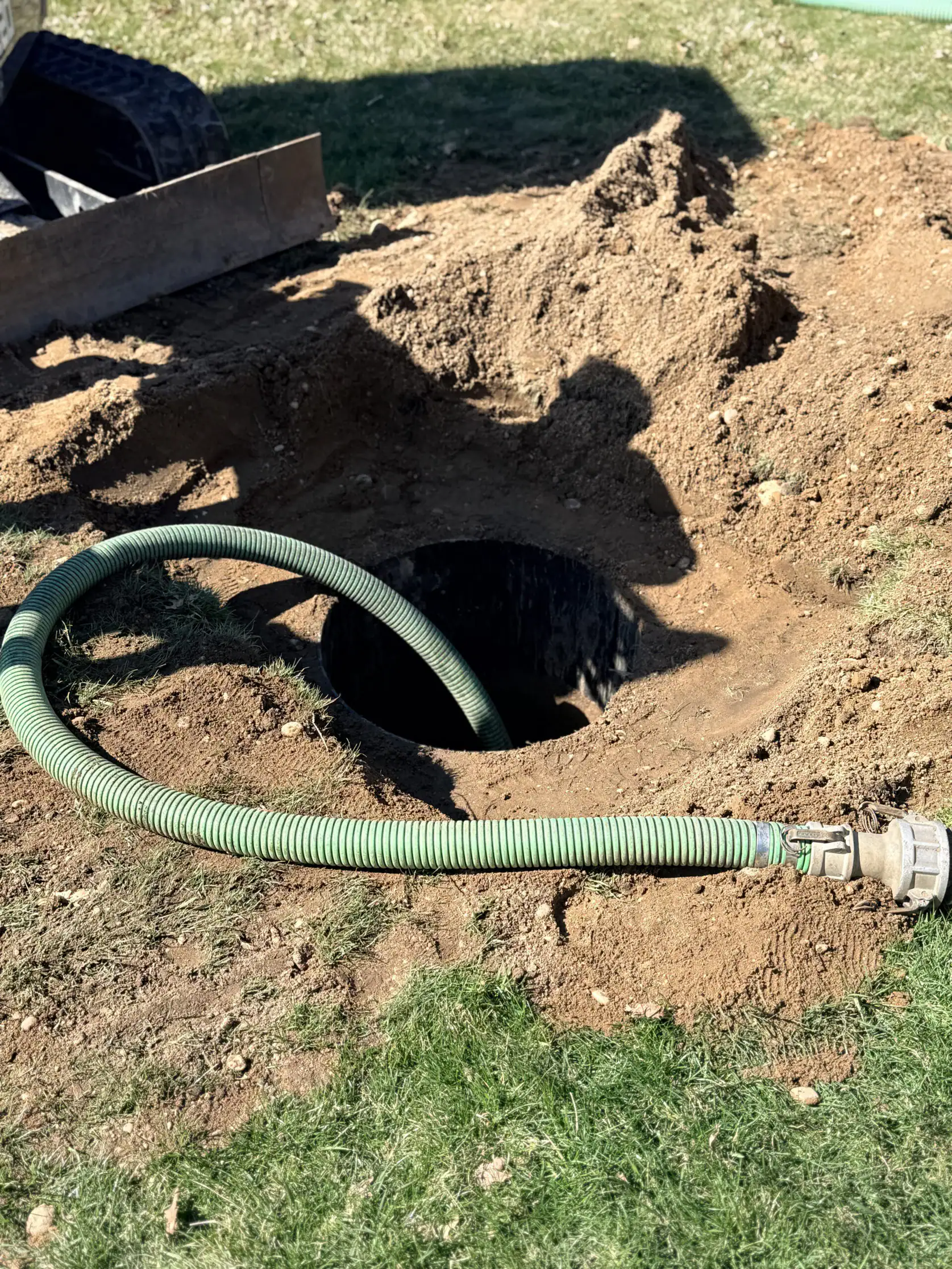
Next comes the actual pumping. We remove all the waste and sludge from your tank using professional vacuum equipment. This isn’t just surface-level—we’re clearing out the buildup that reduces your system’s capacity and leads to failures. While we’re working, we’re also checking for structural issues, cracks, or signs that your system’s struggling.
After pumping, you get a clear report. We’ll tell you what we found, what condition your system’s in, and when you should schedule the next service. If we spot problems, we’ll explain your options without pressure. You’ll also get documentation for your records—critical for Suffolk County compliance and future property transactions.
The whole process typically takes 1-2 hours depending on tank size and access. We clean up completely when we’re done. No mess, no lingering odor, no disruption to your property.
Ready to get started?
You get complete cesspool pumping—not just partial removal. We’re clearing out all the accumulated waste and sludge that’s reducing your system’s effectiveness. That’s what actually extends your system’s life and prevents problems.
We also include a visual inspection while we’re there. We’re looking at structural integrity, checking for cracks or deterioration, and noting anything that might cause issues down the road. You’ll know if your system’s in good shape or if you should start planning for repairs.
Montauk’s vacation rental market puts unique stress on cesspool systems. Properties that sit empty all winter then run at capacity all summer need different maintenance timing than year-round homes. We factor that into our recommendations. If you’re managing a rental property with back-to-back bookings from June through August, we’ll help you schedule service during your shoulder season when it won’t interfere with guests.
You also get proper documentation of the service. Suffolk County requires pumping records for property transfers and major renovations. We provide detailed records that satisfy those requirements. No chasing down paperwork years later when you need it for a sale or permit.

Most Montauk homes need service every 2-3 years. That’s the baseline for a typical residential property with year-round occupancy.
But Montauk’s not typical. If you’re running a vacation rental with heavy summer occupancy, you’re looking at every 1-2 years. A property that sleeps 8-10 people with constant turnover from June through September puts serious stress on a cesspool system. The more people using the system, the faster it fills.
Single-person households or couples who use their Montauk home occasionally can often stretch it to 3-4 years. But that assumes light usage and no garbage disposal. If you’re grinding food waste down the drain, you’re adding solid material that fills your tank faster. The real answer depends on your specific usage patterns, tank size, and how well you maintain the system between pumpings.
Regular cesspool pumping in Montauk typically runs depending on tank size and access. That’s scheduled service during normal business hours.
Emergency service starts at roughly double that. When you call at 9 PM on a Saturday because sewage is backing up into your house, you’re paying for immediate response and after-hours work. Some companies charge even more during peak summer season when demand is highest.
Here’s the bigger cost: emergency repairs. If your system fails completely because it wasn’t maintained, you’re looking for cesspool replacement. And that’s if the failure didn’t cause additional damage to your property or require soil remediation. Suffolk County can also fine property owners for septic violations that create environmental hazards. Regular maintenance every few years is cheap insurance against those scenarios.
Yes. Suffolk County requires documentation of cesspool maintenance for property transfers. Buyers and their attorneys will ask for pumping records during the due diligence process.
Properties without maintenance records often fail inspections or require expensive repairs before sales can close. If you can’t prove your system’s been maintained, buyers assume it hasn’t been. That gives them leverage to demand repairs, credits, or price reductions. Some buyers will walk away entirely rather than inherit an unknown septic situation.
The county’s been tightening regulations since 2019 when they banned new cesspool installations. They’re serious about water quality and nitrogen pollution. Proper documentation shows your system’s been maintained according to regulations. It protects your property value and prevents delays during the sale process. Keep your pumping receipts and service records—you’ll need them eventually.
Your system fills with solid waste and sludge until there’s no capacity left for new wastewater. At that point, you get backups—sewage coming up through drains, toilets that won’t flush, or waste pooling in your yard.
The solids also start clogging your leaching system. That’s the underground network that distributes wastewater into the soil. Once that clogs, pumping the tank won’t fix it. You’re looking at excavation and leaching system replacement, which runs depending on your property.
Montauk’s seasonal usage patterns make this worse. If you skip maintenance and then hit your system with peak summer occupancy, you’re asking for failure during the worst possible time. Imagine turning away rental guests because your cesspool backed up. You lose that rental income, you potentially face cancellation penalties, and you’re paying emergency rates for service when every septic company is already maxed out with calls.
Yes, and we do it regularly for Montauk property managers. Timing matters when you’ve got back-to-back bookings and only a few hours between checkout and check-in.
The key is scheduling during your shoulder season or planned gaps. If you’ve got a three-day window in May or September, that’s when we should be servicing your system—not trying to squeeze it in during peak summer when you need every available rental day.
For properties with year-round bookings, we can often work around your schedule with some advance notice. Morning service after an early checkout, or timing it during a planned maintenance day when you’re already blocking the property for cleaning and repairs. We’ve worked with enough Montauk rental properties to understand the constraints. The worst approach is waiting until you have a problem during peak season. That’s when you’re forced to cancel guests, lose income, and pay emergency rates for service that could have been handled proactively during a slower period.
The process is essentially the same—we’re removing accumulated waste from your underground tank. The difference is in the system design, not the service itself.
A cesspool is a simpler system. It’s basically a large underground tank with perforated walls that let wastewater seep into the surrounding soil. Everything goes into one chamber. A septic system has separate tanks and a dedicated leaching field. The first tank separates solids from liquids, then the liquid flows to the leaching area.
Suffolk County banned new cesspool installations in 2019 because they’re less effective at filtering out nitrogen and other pollutants. If you’re replacing a failed cesspool, you’ll need to upgrade to a proper septic system. But for existing cesspools, regular pumping and maintenance keeps them functioning. Many Montauk properties still have cesspools, especially older homes. They work fine when properly maintained—they just need that regular service to prevent failures.
Other Services we provide in Montauk