Hear From Our Clients

You’re not pumping your cesspool because it’s fun. You’re doing it because the alternative is sewage backing up into your home, pooling in your yard, or facing a costlier system replacement when Suffolk County tells you your old cesspool can’t be replaced with another cesspool anymore.
Regular cesspool pumping in North Sea keeps your system functional and compliant. Most residential systems need pumping every 3-5 years depending on household size and usage. Skip it, and you’re looking at solid waste buildup that clogs your drain field, causes backups, and eventually kills the system entirely.
The real benefit isn’t just avoiding disaster. It’s knowing your system is documented, inspected, and maintained according to Suffolk County regulations—so when you need a permit for renovations or you’re ready to sell, you have the records. That’s what buyers and inspectors want to see, and it’s what protects your property value in a market where a well-maintained septic system matters.
We’ve been handling cesspool pumping and septic system cleaning in Suffolk County since 1998. That’s over 25 years working with North Sea’s sandy soil conditions, understanding how coastal proximity affects your system, and keeping up with the county’s increasingly strict regulations.
We’re a small, family-owned operation. You’re not getting a call center or a different crew every time. You’re getting licensed professionals who know that Suffolk County sits on a sole-source aquifer, which is why the regulations are so tight and why proper cesspool maintenance isn’t optional.
We don’t oversell. We don’t create problems that don’t exist. We pump your system, inspect it while we’re there, tell you what we see, and give you documentation for your records. If something needs attention, we’ll explain it clearly. If it doesn’t, we’ll tell you that too.
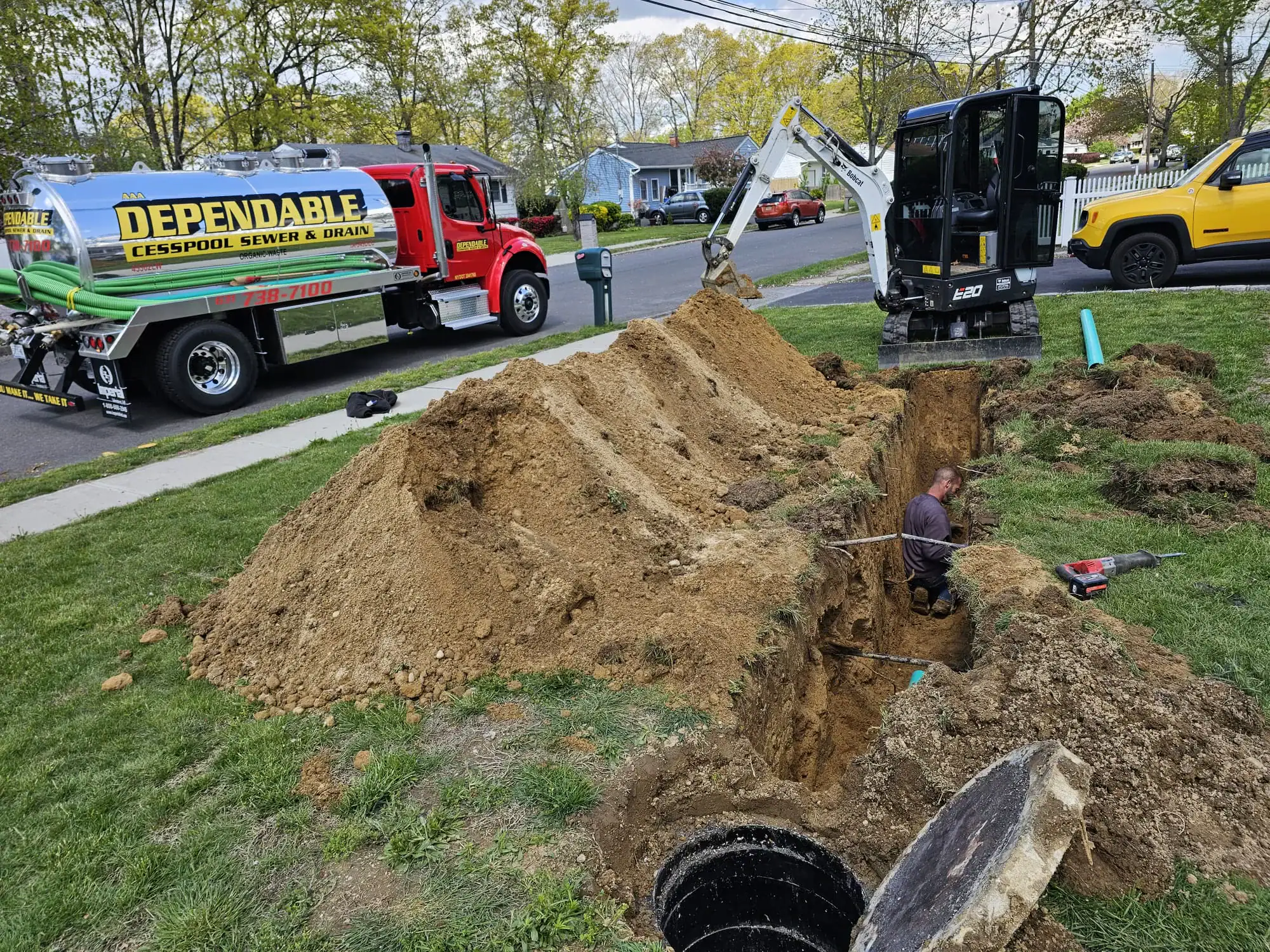
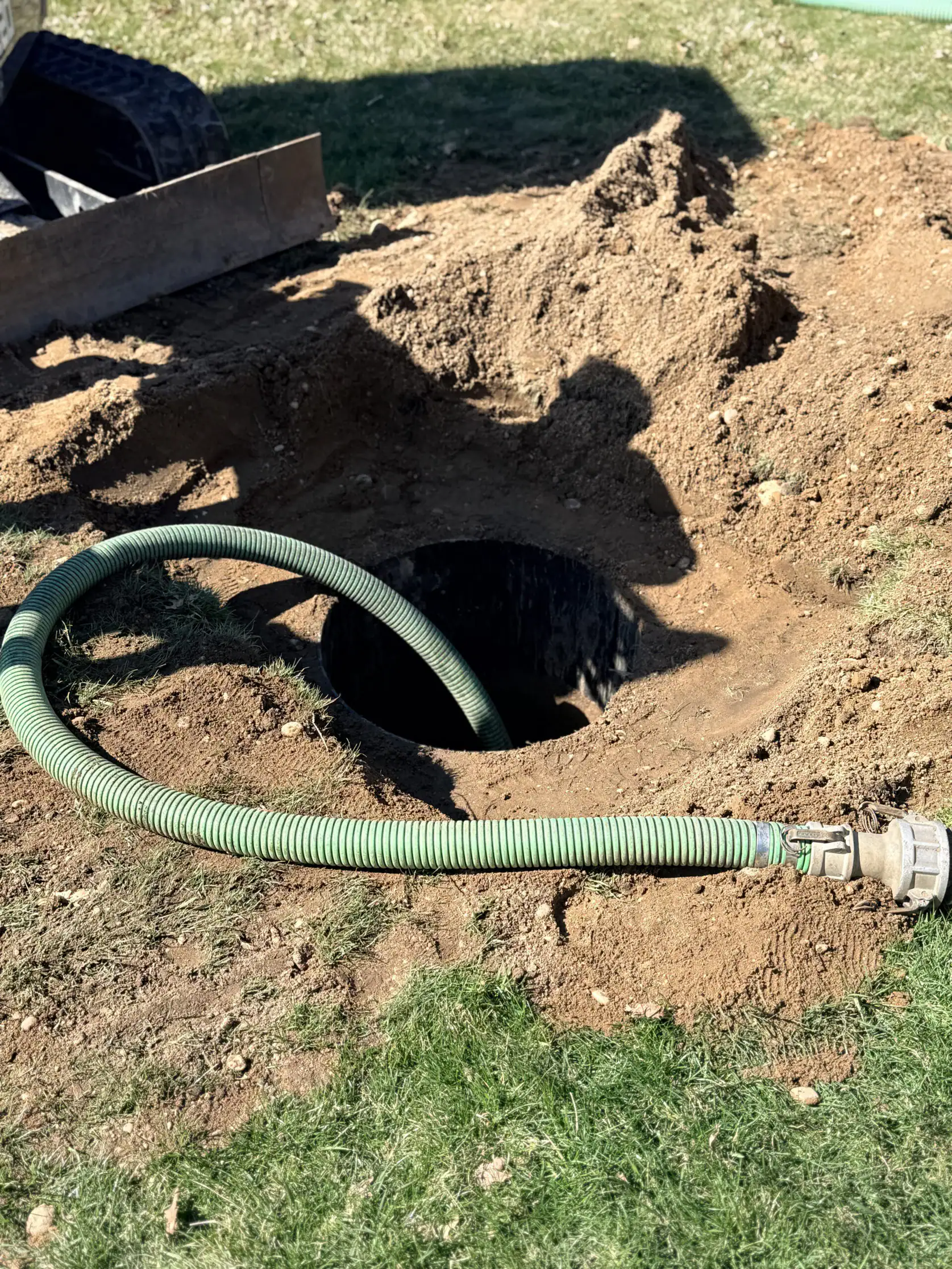
First, we locate and access your cesspool. In North Sea, some systems are easy to reach. Others are buried under landscaping or haven’t been opened in years. We handle both.
Once we’re in, we pump out all the liquid and solid waste using our truck-mounted vacuum equipment. While that’s happening, we’re looking at the condition of your tank—checking for cracks, structural issues, or signs that your system isn’t processing waste the way it should. This is when problems get caught early, before they become expensive.
After pumping, we measure the scum and sludge layers to confirm the tank is actually empty. Some companies skip this. We don’t. Then we close everything back up, document the service, and give you a receipt that includes the date, volume pumped, and any observations we made. That paperwork matters in Suffolk County, especially if you’re selling your home or applying for permits.
The whole process typically takes 45 minutes to an hour depending on tank size and access. You don’t need to be home, but if you are and have questions, we’ll walk you through what we found.
Ready to get started?
Cesspool pumping in North Sea typically runs depending on your tank size, how full it is, and how easy it is to access. Tanks that haven’t been pumped in years or are buried under decks and driveways cost more because they take longer. Emergency cesspool service costs more too—usually double—because you’re calling when the system has already failed.
What you’re getting is complete waste removal, a visual inspection of your tank’s condition, proper disposal at a licensed facility, and documentation that meets Suffolk County’s requirements. We also check for signs of drain field failure, structural damage, or other issues that could turn into bigger problems if ignored.
We offer military, first responder, and senior discounts because we think that matters. We’re licensed through Suffolk County Consumer Affairs and fully insured, which protects you if something goes wrong. And we’re available for emergency calls when your system backs up and you need someone now, not next week.
If you’re in North Sea and you’re dealing with slow drains, sewage odors, or wet spots in your yard, those are signs your cesspool needs attention. Waiting doesn’t make it cheaper. It makes it worse.

Most residential cesspools in North Sea need pumping every 3-5 years, but that’s not a universal rule. It depends on your tank size, how many people live in your home, and how much water you use.
A family of four with a 1,000-gallon tank will fill it faster than a couple with a 1,500-gallon system. If you’re running multiple loads of laundry daily, hosting guests frequently, or using a garbage disposal, you’re adding more solid waste and your tank fills up quicker.
The best way to know is to have it inspected. We can measure the scum and sludge layers and tell you how much capacity you have left. Once those layers take up about a third of your tank’s volume, it’s time to pump. Waiting longer risks solids getting into your drain field, which causes backups and expensive repairs.
Your cesspool stops working. Solid waste builds up, reduces the tank’s capacity, and eventually overflows into the drain field. Once solids clog the drain field, wastewater can’t absorb into the soil anymore. That’s when you get sewage backing up into your house or pooling on your property.
At that point, you’re not just looking at a pumping bill. You’re looking at drain field repair or replacement, which can run depending on the damage. And if your system is old, Suffolk County won’t let you replace a cesspool with another cesspool anymore—you’ll need to install a compliant septic system, which costs more even with available rebates.
Regular cesspool maintenance in North Sea is a lot cheaper than emergency repairs. It’s also required if you want to sell your home or pull permits for renovations. Suffolk County wants to see pumping records, and if you don’t have them, it complicates the process.
Standard cesspool pumping in North Sea is a routine service for most residential systems. The price depends on your tank size, how full it is, and how accessible it is. A 1,000-gallon tank that’s easy to reach and pumped on schedule costs less than a 1,500-gallon tank buried under a deck that hasn’t been serviced in a decade.
Emergency cesspool service costs more—because you’re calling outside normal hours and the system has likely already failed. If we find structural damage or need to dig to access the tank, that adds to the cost too.
We give you a clear price before we start. No hidden fees, no surprise charges after the work is done. We also offer discounts for military members, first responders, and seniors. If you’re comparing prices, make sure you’re comparing what’s included—some companies charge extra for disposal, inspection, or documentation that we include as part of the service.
Technically, yes. Practically, it’s a bad idea. Cesspool pumping requires specialized vacuum equipment that costs tens of thousands of dollars. You also need a way to transport and dispose of the waste at a licensed facility, which isn’t something you can do with a rental truck and a shop vac.
More importantly, Suffolk County requires licensed contractors to handle cesspool and septic tank pumping service. If you pump it yourself, you won’t have the documentation needed for property transfers or permit applications. Buyers and inspectors want to see records from licensed companies, not a handwritten note saying you did it yourself.
There’s also the health risk. Cesspool waste contains bacteria, viruses, and pathogens that can make you seriously ill. Licensed companies have the training, equipment, and insurance to handle it safely. If something goes wrong—if you damage your tank, contaminate your property, or get hurt—you’re on your own. It’s not worth the risk to save a few hundred dollars.
A cesspool is a simple underground chamber—usually made of concrete or stone—that collects wastewater and allows liquid to leach into the surrounding soil. It doesn’t treat the waste, it just holds it and lets it seep out. Solid waste stays in the tank until you pump it.
A septic system is more advanced. It has a septic tank that separates solids from liquids, then sends the liquid to a drain field where it’s filtered through soil. Modern systems in Suffolk County also include nitrogen-reducing technology to protect groundwater, which is required for new installations as of 2025.
If your cesspool fails, you can’t replace it with another cesspool anymore. Suffolk County changed the rules in 2019. New installations have to meet current standards, which means a septic system with proper treatment. That is a larger upfront cost, but rebates may be available through the county that can help significantly offset the expense. The goal is protecting Long Island’s sole-source aquifer from nitrogen pollution.
Yes. Suffolk County requires documentation of cesspool maintenance for property transfers. Buyers and their inspectors want to see that the system has been maintained, and real estate attorneys often request pumping records as part of the closing process.
If you don’t have records, it raises questions. Buyers worry the system hasn’t been maintained and might fail after they move in. That can kill a deal or cost you negotiating power. Some buyers will ask you to pump the cesspool before closing just to confirm it’s functional, which means you’re paying for it anyway—but now you’re doing it on their timeline, not yours.
Keeping your cesspool pumped and documented protects your property value. It shows you’ve taken care of the home and gives buyers confidence they’re not inheriting a problem. We provide detailed receipts with every service that include the date, volume pumped, and tank condition—everything you need for permits, sales, or your own records.
Other Services we provide in North Sea