Hear From Our Clients

You avoid the backup. That’s the real outcome here.
When your cesspool gets pumped on schedule, you’re not dealing with slow drains, standing water in your yard, or sewage smells creeping into your home. Your system handles what it’s supposed to handle without making itself known. You’re not scrambling to find someone at the last minute or dealing with damage that could’ve been prevented.
Regular septic tank pumping in Stony Brook means your household keeps running. Showers drain. Toilets flush. Laundry gets done. You’re not rationing water use or worrying about what happens if one more person takes a shower.
And if you’re planning to sell or refinance, you’ve got the documentation Suffolk County requires. No delays. No surprises during inspection. Just proof that your system’s been maintained the way it should be.
We’ve served Stony Brook and Suffolk County for over 25 years. We’re licensed, insured, and locally owned—not a franchise operation that rotates crews every few months.
You’re dealing with people who know the area. We understand how coastal conditions affect cesspool systems here, what Suffolk County requires for compliance, and how older systems in Stony Brook neighborhoods behave as they age. Most of the cesspools we service were installed before 1970, and we’ve seen what happens when they’re neglected versus when they’re maintained.
We keep you informed throughout the process. You’ll know what we’re doing, what we found, and what you should watch for going forward. No runaround, no upselling services you don’t need.
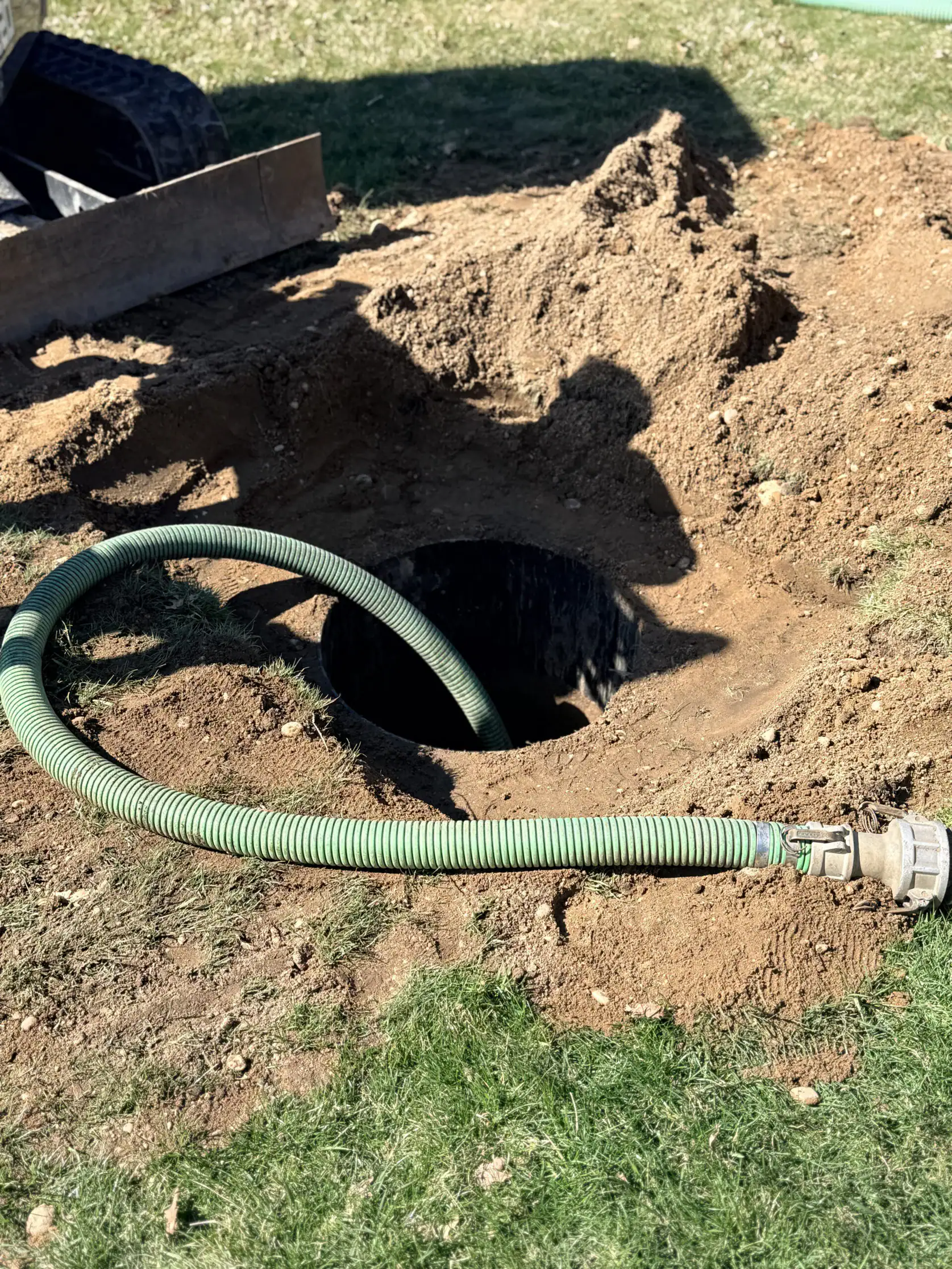
First, we locate and access your cesspool. If you’re not sure where it is, we’ll find it using locating equipment—no guesswork, no digging up half your yard.
Once we’re in, we pump out the contents completely. We’re not just skimming the top or doing a partial job. Everything comes out—liquids, solids, the layer of scum that builds up over time. That’s what keeps your system functioning properly.
While we’re pumping, we’re also looking. We check the tank structure for cracks or deterioration, measure how much solid waste had accumulated, and note anything that looks off. If there’s an issue developing, you’ll know about it before it becomes an emergency.
After pumping, we document everything—waste volume, system condition, disposal facility receipts. You get copies for your records, which matters when Suffolk County asks or when you’re selling your property. We also let you know when you should schedule the next service based on your household size and how quickly your tank filled up.
If you need emergency cesspool pumping in Stony Brook, we respond fast. Day or night, weekday or weekend, we’ll get your system working again.
Ready to get started?
You’re getting complete cesspool pumping—not a partial cleanout. We remove all contents from your tank so it can function the way it’s designed to.
You’re getting a visual inspection while we work. We’re looking at your tank’s condition, checking for structural issues, and identifying problems before they escalate. If we spot cracks, excessive deterioration, or signs your system’s failing, you’ll hear about it clearly.
You’re getting proper disposal. Everything we pump goes to licensed facilities, not dumped illegally. You’ll have documentation proving it, which protects you if questions ever come up.
For Stony Brook properties, this matters more than you might think. Suffolk County banned new cesspool installations back in 2019. If your current system fails completely, you’re looking at a full septic system upgrade to meet current regulations. Regular pumping extends your system’s life and delays that expensive replacement.
You’re also getting honest communication. We’ll tell you what we see, what you need to know, and what can wait. We’re not here to scare you into unnecessary work or pretend problems don’t exist. Just straight information so you can make decisions that make sense for your property.

It depends on your household size and tank capacity, but most Stony Brook homes need cesspool pumping every one to three years.
A single person might stretch it to three or four years. A family of four is usually looking at every year to two years. If you’re running a commercial property or have high water usage, you’re on the shorter end of that timeline.
The real answer comes from monitoring your system. If drains are slowing down, you’re noticing odors, or there’s standing water in your yard, you’ve waited too long. The goal is to pump before you see those signs, not after. We can give you a more specific timeline based on how quickly your tank filled up during the last service.
Your tank fills up completely, and when there’s nowhere for new wastewater to go, it backs up into your home or overflows into your yard.
That means sewage coming up through drains, toilets that won’t flush, and contaminated water pooling on your property. It’s a health hazard and it damages your home. You’re also risking structural failure—older concrete tanks can crack or collapse when they’re overfull and under pressure.
Beyond the immediate mess, you’re looking at potential fines from Suffolk County for environmental violations if untreated sewage reaches groundwater. And if you’re trying to sell your property, you won’t pass inspection without pumping records. Skipping maintenance doesn’t save you anything. It just moves the expense into emergency territory where everything becomes more complicated and disruptive.
Suffolk County requires licensed professionals to pump, inspect, and certify cesspool systems. You can’t legally do it yourself.
There are practical reasons beyond regulations. Cesspool pumping requires specialized vacuum trucks, proper disposal at licensed facilities, and knowledge of what to look for during service. You need to know how to access the tank safely, how to identify structural problems, and how to document everything correctly.
If you hire someone unlicensed or attempt it yourself, you’re risking fines and you won’t have valid documentation when Suffolk County asks for it during property transfers or permit applications. The work won’t count. You’ll end up paying a licensed company to do it properly anyway, except now you’re behind schedule and potentially dealing with complications from improper handling.
The process is essentially the same—we’re removing accumulated waste from your system so it can keep functioning. The terms get used interchangeably, though technically they describe different system types.
Cesspools are older systems, common in Stony Brook and throughout Suffolk County, where wastewater collects in a covered pit and slowly seeps into surrounding soil. Septic systems are newer, with separate tanks and drain fields that treat wastewater before it enters the ground.
Both need regular pumping. Both fill up with solid waste that doesn’t break down. Both will fail if you neglect them. When you’re calling for service, what matters is that you’re getting your system pumped completely by someone who knows what they’re doing. We handle both cesspool pumping and septic tank pumping in Stony Brook using the same thorough approach.
Yes. We respond to emergency cesspool pumping calls in Stony Brook 24/7, including nights, weekends, and holidays.
When your system backs up, you need someone fast. We’ll get there, assess what’s happening, and get your cesspool pumped so your household can function again. We’re not making you wait until Monday morning or putting you on a callback list.
That said, emergencies are stressful and disruptive. You’re dealing with sewage backup, potential property damage, and a situation that needs immediate attention. Regular maintenance prevents most emergencies from happening in the first place. If you’re calling us for a backup, we’ll handle it. But we’d rather see you on a maintenance schedule where your system gets pumped before it reaches crisis point.
Slow drains throughout your home are usually the first sign. If multiple fixtures are draining slowly at the same time, your cesspool is likely full.
You might notice sewage odors inside or outside your house. You might see standing water or unusually green grass in your yard where the cesspool is located. Toilets might gurgle when you run water elsewhere in the house, or you might hear bubbling sounds from drains.
If you’re seeing any of these signs, your cesspool needed pumping yesterday. These are late-stage warnings that your system is at capacity. The better approach is pumping on schedule before you notice problems. If you don’t know when your cesspool was last pumped, or if you’ve lived in your Stony Brook home for more than two years without service, get it inspected. We’ll measure the waste levels and let you know exactly where you stand.
Other Services we provide in Stony Brook