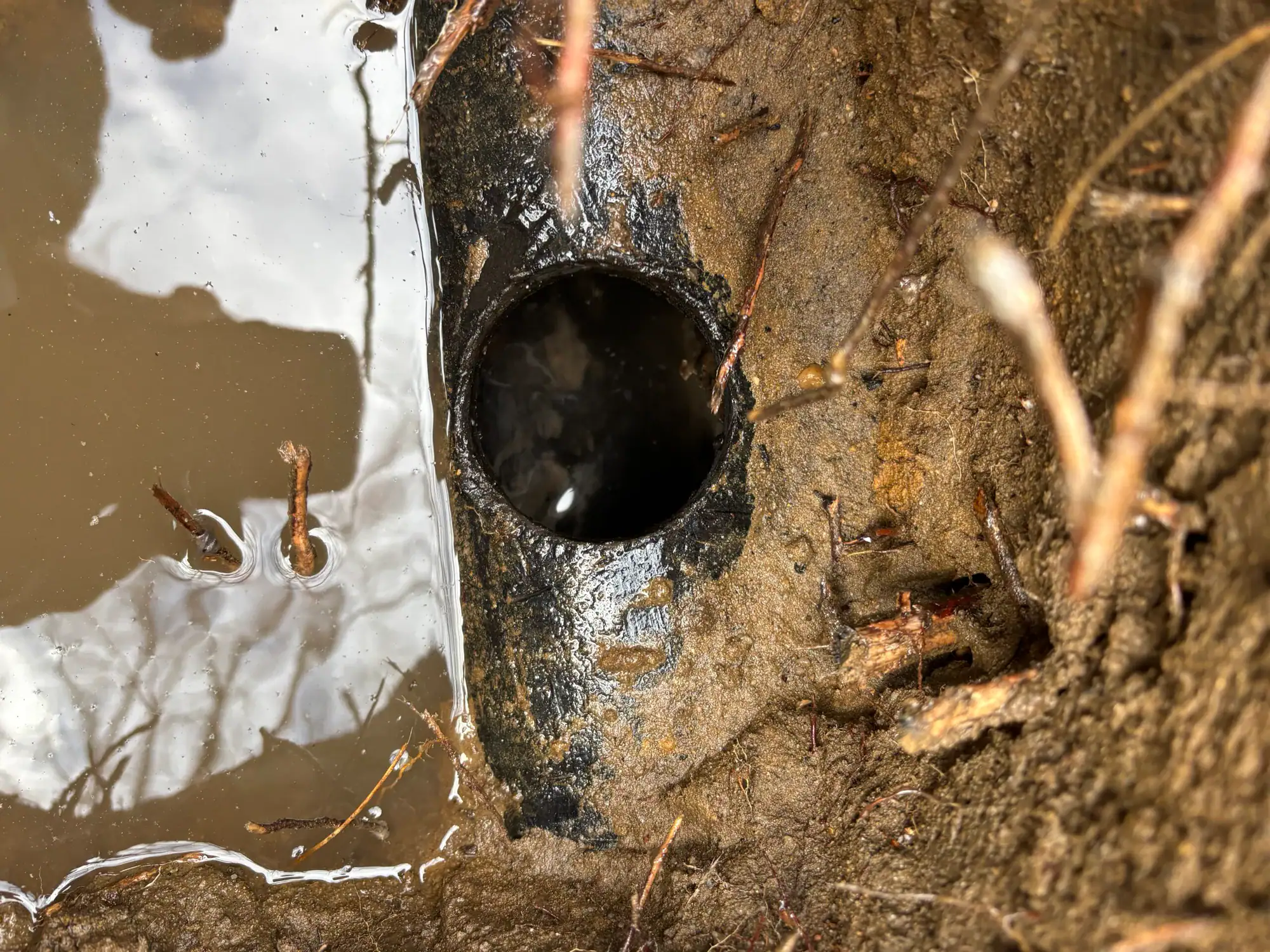
Not sure if your cesspool needs pumping or chemical treatment? This guide explains the difference and when each service is necessary for Suffolk County homeowners.
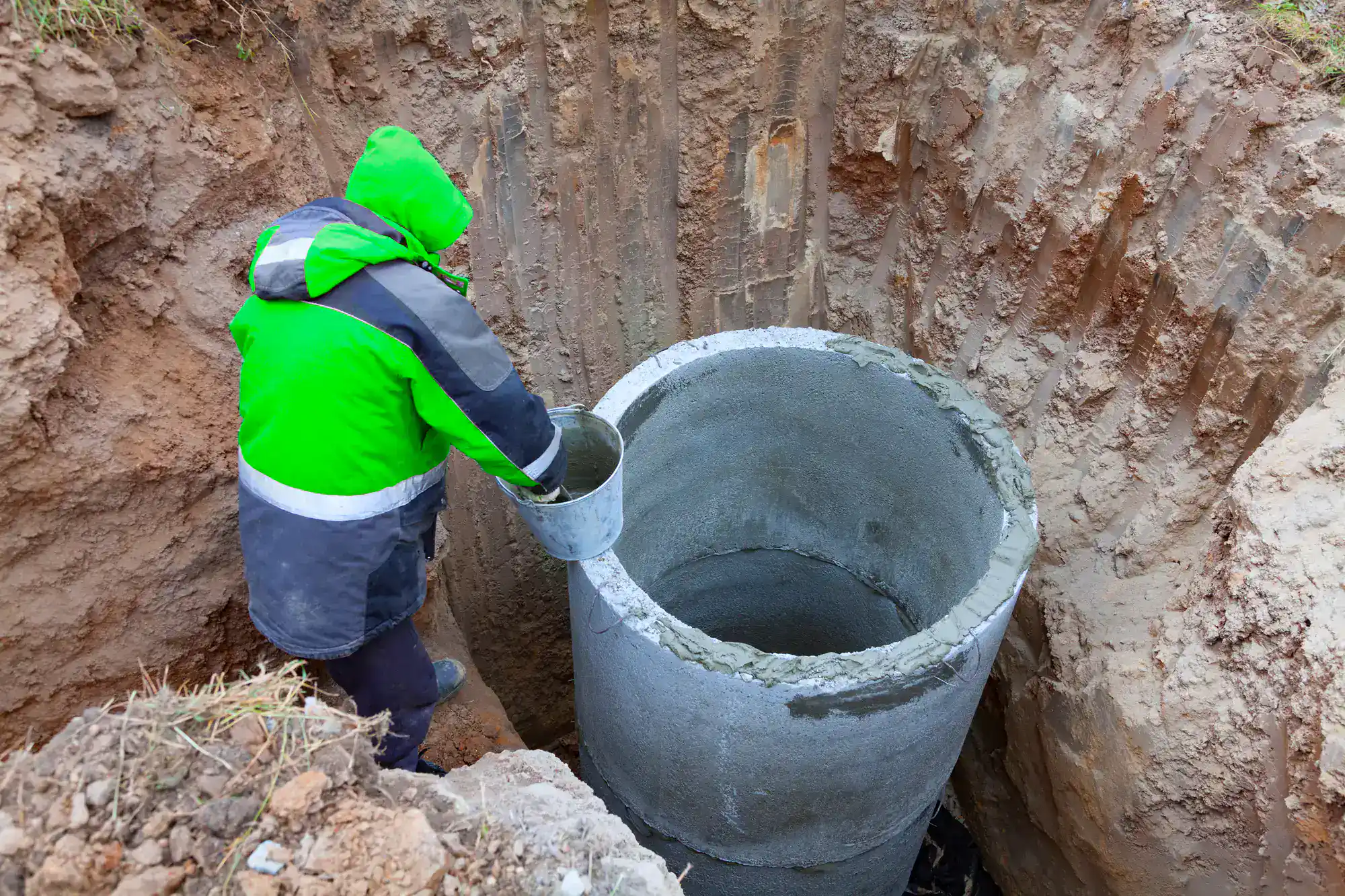
A cesspool is essentially a large underground concrete cylinder with holes in the sides and sometimes an open bottom. Wastewater from your home flows into this container, and the liquid portion seeps out through those perforated walls into the surrounding soil. The solid waste settles to the bottom while liquids drain away through the porous walls.
In theory, it’s simple. In practice, Suffolk County’s soil conditions, water tables, and the age of most local cesspools create complications. About 75% of homes here still rely on these systems. If your home was built before 1972, you likely have either a brick cesspool or pre-cast concrete rings that have been in service for decades.
Over time, two things happen. Solid waste accumulates inside the cesspool, taking up space and reducing the system’s capacity. And the soil around the cesspool walls develops a thick layer of biomat, a black jelly-like substance made of bacteria and partially decomposed organic material that prevents water from draining properly. When one or both of these problems reach a critical point, your system starts showing warning signs.

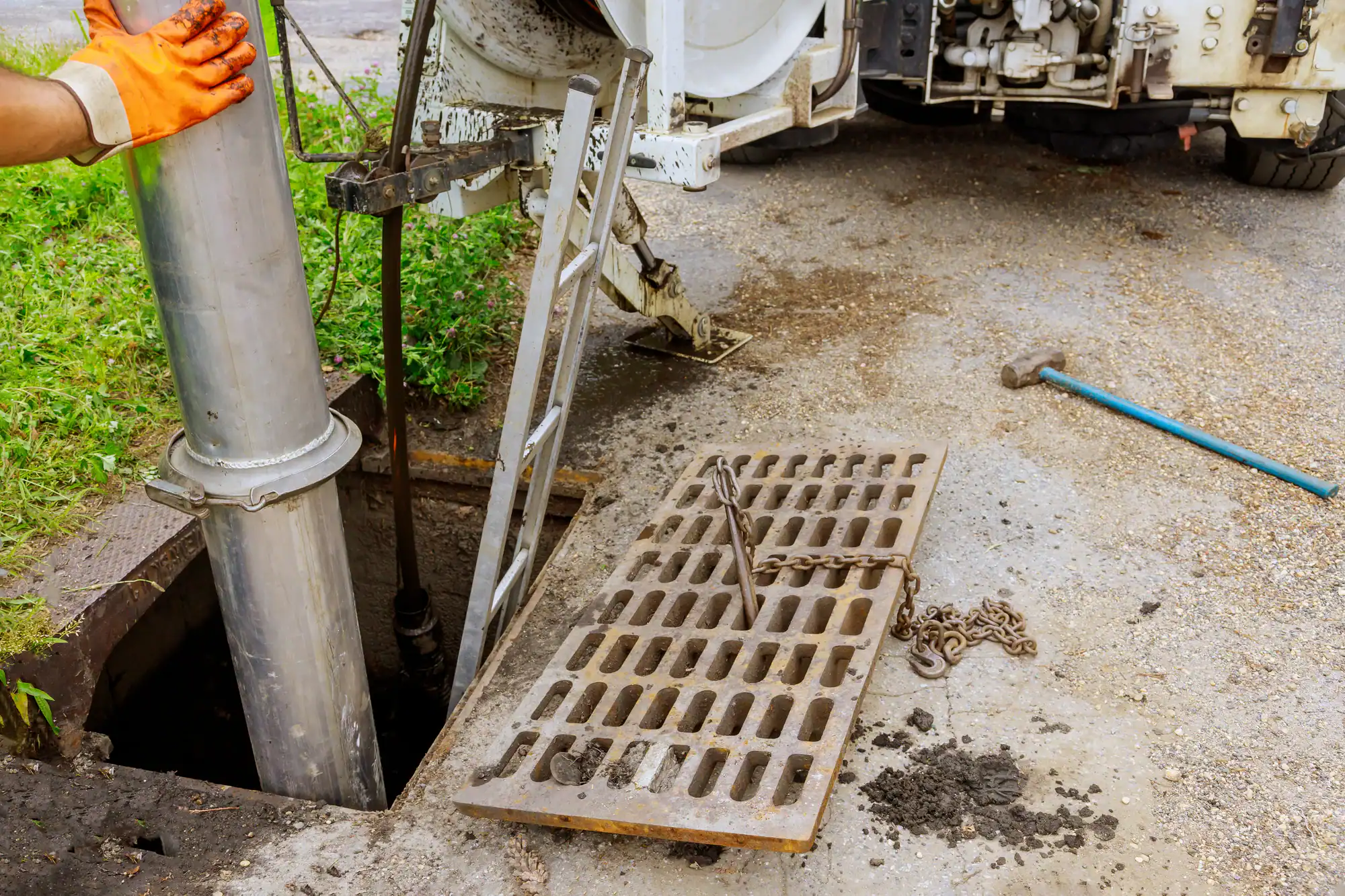
Cesspool pumping is straightforward. A truck with a large tank and powerful vacuum equipment comes to your property, locates your cesspool access point, and pumps out all the solid and liquid waste. A proper pumping removes everything, not just what’s easily accessible. Some companies cut corners by leaving sludge at the bottom. You want complete removal.
For most Suffolk County homeowners, regular pumping every two to three years is sufficient maintenance. If you have a larger household, use a garbage disposal frequently, or do a lot of laundry, you might need pumping every one to two years. Smaller households can sometimes stretch to three or four years.
Pumping prevents your cesspool from becoming overburdened with solids. It keeps the system functioning as designed. It’s preventive maintenance that costs a few hundred dollars and saves you from thousand-dollar emergencies. When your cesspool is full of solid waste but the soil around it is still able to absorb liquid, pumping solves your problem completely.
You’ll know pumping worked when your symptoms disappear. Drains flow normally. Toilets flush properly. Odors go away. The system works like it’s supposed to. But if you pump your cesspool and within a few weeks you’re seeing the same problems return, that’s your signal that pumping isn’t addressing the real issue. The problem is in the soil, not in the tank.
This pattern is frustrating because you’ve just paid for a service that didn’t solve the problem. You’re not being scammed. The pumping company did their job. They removed the waste. But the underlying issue is soil saturation or biomat buildup that’s preventing proper drainage. This is when you need chemical treatment, not more pumping.
Let’s talk about what’s happening in the soil around your cesspool. This is where most failures actually occur, and it’s the part most homeowners don’t understand until they’ve paid for multiple pumpings with no lasting results.
Your cesspool has perforated walls designed to let liquid drain into the surrounding soil. In Suffolk County, soil conditions vary significantly from one property to another. Some areas have sandy soil that drains quickly. Others have clay-heavy soil that holds water. Some properties sit on high water tables that make drainage difficult even under the best conditions.
When your cesspool is working properly, liquid seeps through the side walls and bottom, filtering through the soil before eventually reaching the groundwater. But over years of use, the pores in the cesspool walls and the surrounding soil get clogged. Grease, soap scum, and organic material build up. Biomat forms along the walls. The soil becomes saturated and compacted. Eventually, the water can’t drain out anymore.
This is called side-wall drainage failure. The cesspool itself might not be full of solid waste, but the liquid can’t escape. You’ll see your cesspool level stay high even after pumping. Water might even start backing up into your house during heavy use or after rainstorms. Soil saturation happens when the ground around your cesspool becomes so waterlogged that it can’t absorb any more liquid. This is especially common during wet seasons or in areas with high water tables.
When you’re dealing with side-wall drainage failure or soil saturation, pumping alone won’t fix it. The problem isn’t what’s inside the cesspool. The problem is that the soil around it has stopped doing its job. The pores are clogged. The ground is saturated. There’s nowhere for the liquid to go. This is when you need chemical treatment to restore drainage.
Want live answers?
Connect with a AAA Dependable Cesspool expert for fast, friendly support.
Chemical treatment is what you need when the soil around your cesspool has become clogged or saturated. This isn’t routine maintenance. This is system restoration that addresses drainage failure pumping can’t solve.
The most common method involves using sulfuric acid along with a process called hydro-jetting or aeration. Water is pumped through a plastic pipe into the sand at the bottom of your cesspool. This high-pressure water flips the biomat and slime out of the sand and off the cesspool walls. Then sulfuric acid is applied to dissolve the organic buildup quickly and efficiently.
During this process, you’ll see the water level in your cesspool start dropping almost immediately. The clogged pores in the walls and surrounding soil are opening back up. Water can drain again. The system can function. Chemical treatment doesn’t replace pumping. They’re two different services that address two different problems. Many times, you need both.
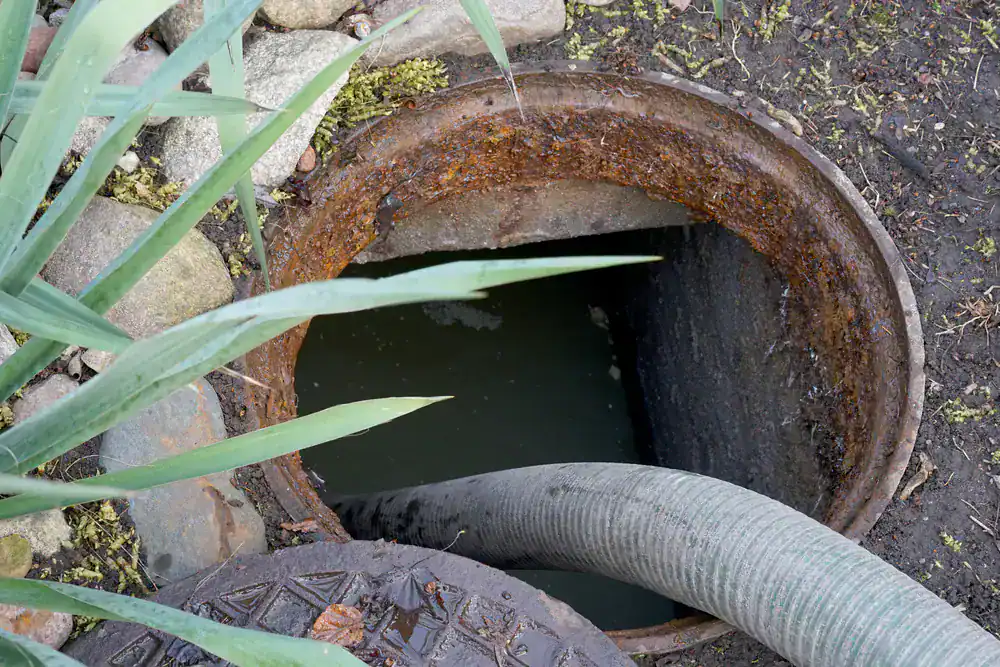
Let’s address the concern directly: yes, we’re talking about putting sulfuric acid into your cesspool. This sounds alarming. It’s actually a standard, legal, and environmentally approved treatment when done correctly by licensed professionals.
The acid works by breaking down the biomat and organic material that’s clogging the soil pores. Biomat is composed of anaerobic bacteria and their byproducts. It’s slimy, thick, and impermeable. It coats the cesspool walls and fills the surrounding soil, preventing water from draining. Sulfuric acid dissolves this organic barrier. It doesn’t harm the concrete or structural components of your cesspool. It doesn’t contaminate groundwater when used in appropriate amounts.
The process is typically combined with aeration or hydro-jetting. The mechanical action of high-pressure water breaks up the biomat physically. The acid then dissolves what remains. Together, these treatments can restore drainage to a cesspool that was on the verge of complete failure.
You’ll know chemical treatment worked when your drains start flowing normally again and stay that way. The water level in your cesspool drops and stays down. You’re not dealing with backups or slow drains anymore. The system functions like it did when it was newer. Chemical treatment isn’t something you do every year. It’s an intervention for when your system has developed drainage problems that pumping can’t solve.
You need chemical treatment when you’re experiencing these specific symptoms: you’ve recently had your cesspool pumped but you’re still dealing with slow drains, your cesspool level stays high even after pumping, you have standing water or wet spots in your yard near the cesspool, or you’re seeing sewage odors even though the tank isn’t full. These are signs that the drainage system around your cesspool has failed, and the liquid can’t escape through the walls into the soil.
Your cesspool doesn’t fail without warning. It sends signals. The question is whether you’re paying attention and taking action before a small problem becomes a crisis that costs thousands to fix.
Slow drains are usually the first sign. Not just one slow drain, but multiple drains throughout your house acting up at the same time. Water takes longer to go down. Showers leave you standing in water. Sinks don’t empty as quickly as they used to. This means your cesspool is struggling to handle the volume it’s receiving.
Gurgling sounds from your drains or toilets mean air is trapped in your plumbing system because water isn’t flowing out properly. Odors are a clear warning sign. If you smell sewage inside your house, outside near your cesspool, or in your yard, something is wrong. Properly functioning cesspools don’t smell.
Standing water or unusually lush green patches in your yard near the cesspool location indicate that wastewater is surfacing. This is serious. It means your cesspool is full, the soil is saturated, or the system has failed. This requires immediate professional attention.
Sewage backing up into your house is an emergency. This means your cesspool has reached capacity and waste has nowhere to go but back through your plumbing. Stop using water immediately and call for emergency service. Don’t wait to see if these signs go away. They won’t. Cesspool problems only get worse with time.
When you start noticing warning signs, reduce your water usage while you’re arranging for service. Spread out laundry over several days instead of doing it all at once. Take shorter showers. This gives your system time to catch up and prevents you from overwhelming it further. Call a licensed cesspool service company for an assessment. A professional can determine whether you’re dealing with a full tank that needs pumping, a drainage problem that needs chemical treatment, or both.
Knowing whether you need pumping, chemical treatment, or both comes down to understanding what’s actually wrong with your system. Pumping removes waste from inside the cesspool. Chemical treatment restores drainage through the soil around the cesspool. They’re not interchangeable services, and they address different problems.
If your cesspool is full of solid waste but the soil around it is still functional, pumping solves your problem. If the soil has become clogged or saturated and water can’t drain properly, chemical treatment is necessary. Many times, you need both to fully restore function. The key is working with a cesspool service company that will assess your situation honestly and explain what they’re finding.
Regular maintenance prevents most emergencies. Pumping every two to three years keeps solid waste from building up. Paying attention to warning signs and addressing problems early prevents minor issues from becoming system failures. Understanding Suffolk County’s 2019 regulations matters too. You can no longer replace a failed cesspool with another cesspool. You must upgrade to a modern septic system, which costs significantly more. Every year you extend the life of your existing cesspool through proper maintenance is a year you’re not spending twenty thousand dollars or more on a mandatory upgrade.
If you’re noticing slow drains, odors, or any of the warning signs we’ve discussed, reach out to us at AAA Dependable Cesspool Sewer & Drain. We’ll assess your system, explain what’s happening, and recommend the services that actually address your problem. No overselling. No confusion. Just honest guidance from people who’ve been serving Suffolk County homeowners since 1998.
Summary:
Article details:
Share: